
Pretzel Crusted Chicken Strips
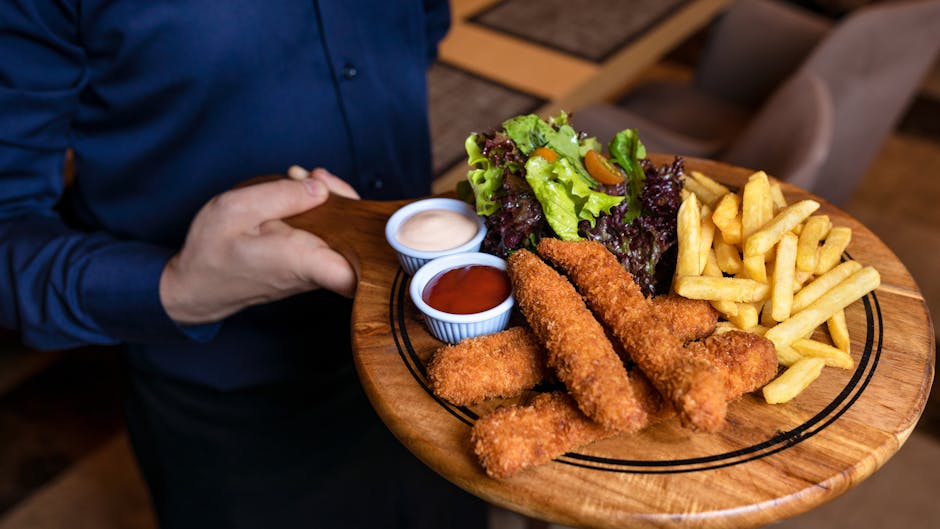
Pretzel Crusted Chicken Strips: The Ultimate Guide to Crispy, Salty Perfection
Pretzel crusted chicken strips represent a culinary triumph, transforming the humble chicken breast into a textural and flavor revelation. This innovative coating elevates a classic comfort food, offering a delightful crunch and a satisfying salty counterpoint to the tender chicken. The synergy of a seasoned breadcrumb mixture, crushed pretzels, and a perfectly executed cooking process results in a dish that is both sophisticated enough for entertaining and approachable for a weeknight family meal. Beyond their inherent deliciousness, pretzel crusted chicken strips are remarkably versatile, pairing well with a myriad of dipping sauces, from classic honey mustard and barbecue to more adventurous aiolis and spicy relishes. This comprehensive guide will delve into every aspect of creating exceptional pretzel crusted chicken strips, covering ingredient selection, preparation techniques, cooking methods, and tips for achieving unparalleled crispiness and flavor.
The foundation of any outstanding pretzel crusted chicken strip lies in the quality of the chicken itself. Opt for boneless, skinless chicken breasts, as they offer the most consistent and tender results. When selecting chicken breasts, look for uniform thickness. If your breasts are particularly thick, consider pounding them gently to an even half-inch thickness. This ensures that the chicken cooks through uniformly without drying out, and also provides a better surface area for the pretzel crust to adhere to. Trimming any excess fat is also a good practice, though a small amount of fat can contribute to moisture retention. For an even more tender and moist outcome, some chefs advocate for brining the chicken. A simple brine can be made with water, salt, and a touch of sugar. Submerging the chicken in this solution for 30 minutes to a few hours before preparation can significantly enhance its tenderness and flavor. However, if time is a constraint, high-quality chicken breasts will still yield excellent results. The cut of the chicken is also important. Slicing the chicken breasts into uniform strips, approximately half an inch to three-quarters of an inch wide and three to four inches long, is crucial for even cooking and ease of eating. Consistency in size ensures that all strips are ready at the same time, preventing some from being overcooked while others are underdone.
The star of this recipe, the pretzel crust, is where the magic truly happens. The key is to achieve a fine, yet still discernibly crunchy, pretzel crumb. While pre-crushed pretzel crumbs are available, they often lack the desired texture and flavor. The best approach is to crush your own pretzels. Salty, hard pretzels are ideal for this purpose. Avoid soft pretzels, as their moisture content will negatively impact the crispiness of the crust. A food processor is the most efficient tool for achieving uniform pretzel crumbs. Pulse the pretzels until they resemble coarse breadcrumbs. The exact coarseness is a matter of personal preference, but aiming for pieces that are small enough to adhere well to the chicken, yet large enough to provide a distinct crunch, is the general guideline. For those without a food processor, a rolling pin and a sturdy plastic bag can also be used. Place the pretzels in the bag, seal it tightly, and then crush them with the rolling pin.
Beyond the pretzels, the breading station requires several other components to build a robust and flavorful crust. A seasoned flour mixture is the first layer. All-purpose flour forms the base, seasoned generously with salt, black pepper, garlic powder, onion powder, and paprika. The paprika not only adds a subtle smoky flavor but also contributes to the golden-brown hue of the finished product. Some recipes incorporate a touch of cayenne pepper for a mild kick, which can be adjusted based on individual spice tolerance. The purpose of the seasoned flour is to create a dry surface for the egg wash to cling to and to provide an initial layer of flavor. The second component of the breading station is the egg wash. Whisk together eggs with a splash of milk or water. This mixture acts as the adhesive for the pretzel crumbs, ensuring they stick firmly to the chicken. Some chefs opt for a buttermilk wash for added tenderness and a slightly tangier flavor profile. The final component, of course, is the pretzel crumb mixture. Combine the crushed pretzels with additional seasonings, such as dried herbs like parsley or Italian seasoning, and sometimes a pinch of sugar to balance the saltiness. Experimentation with different herb combinations can lead to unique flavor profiles.
The breading process itself is a multi-step technique that ensures a thick and even coating. Begin by dredging each chicken strip in the seasoned flour, ensuring it is fully coated. Shake off any excess flour. Next, dip the floured chicken strip into the egg wash, allowing any excess to drip off. Finally, press the chicken strip firmly into the pretzel crumb mixture, ensuring it is completely encased. For an extra-thick and crispy crust, you can repeat the egg wash and pretzel crumb steps for a double-coating. This technique creates a substantial barrier that fries up incredibly crisp. It’s important to handle the chicken gently during the breading process to avoid dislodging the coating. Place the breaded chicken strips on a wire rack set over a baking sheet as you work through the batch. This prevents the bottom of the strips from becoming soggy.
Several cooking methods can be employed to achieve perfectly cooked pretzel crusted chicken strips. Each method offers its own advantages in terms of crispiness, texture, and convenience.
Deep-Frying: This is arguably the method that yields the crispiest and most golden-brown results. Heat a neutral oil, such as vegetable oil, canola oil, or peanut oil, in a deep fryer or a heavy-bottomed pot to 350°F (175°C). Carefully lower the breaded chicken strips into the hot oil, working in batches to avoid overcrowding the pot. Overcrowding will lower the oil temperature and result in greasy, less crispy chicken. Fry for approximately 4-6 minutes per side, or until the chicken is golden brown and cooked through. The internal temperature of the chicken should reach 165°F (74°C). Use a slotted spoon or spider strainer to remove the chicken from the oil and place it on a wire rack set over a baking sheet to drain. This allows air to circulate, preserving the crispiness.
Pan-Frying: A good alternative for those who prefer not to deep-fry, pan-frying offers a respectable level of crispiness. Heat about ½ inch of oil in a large skillet over medium-high heat. Once the oil is shimmering, carefully place the breaded chicken strips in the skillet, ensuring not to overcrowd. Fry for approximately 3-5 minutes per side, until golden brown and cooked through. Adjust the heat as needed to prevent the crust from burning before the chicken is cooked. Similar to deep-frying, drain the cooked chicken on a wire rack.
Baking: For a healthier option, baking is a viable choice. Preheat your oven to 400°F (200°C). Arrange the breaded chicken strips on a baking sheet lined with parchment paper or a silicone baking mat. For added crispiness, lightly spray the tops of the chicken strips with cooking spray. Bake for 20-25 minutes, flipping halfway through, until golden brown and cooked through. While baking won’t achieve the same level of crispiness as frying, it’s a convenient and lighter alternative.
Air-Frying: Air fryers have become increasingly popular for their ability to produce crispy results with less oil. Preheat your air fryer to 375°F (190°C). Arrange the breaded chicken strips in a single layer in the air fryer basket, ensuring they are not touching. Cook for 10-15 minutes, flipping halfway through, until golden brown and crispy. The exact cooking time will vary depending on your air fryer model.
Regardless of the cooking method chosen, ensuring the chicken is cooked through to an internal temperature of 165°F (74°C) is paramount for food safety. Using an instant-read thermometer is the most reliable way to confirm doneness.
The true beauty of pretzel crusted chicken strips lies in their adaptability. They are the perfect canvas for a wide array of dipping sauces, each offering a distinct flavor profile to complement the salty crunch.
- Classic Honey Mustard: A timeless pairing, the sweetness of honey and the tang of mustard cut through the richness of the fried chicken.
- Barbecue Sauce: From smoky and sweet to spicy and tangy, barbecue sauce offers a robust flavor that stands up to the pretzel crust.
- Ranch Dressing: The creamy, herbaceous notes of ranch provide a cooling contrast to the salty, crispy exterior.
- Ketchup: A simple yet effective choice, especially for younger palates.
- Spicy Mayo/Aioli: For those who enjoy a kick, a sriracha-infused mayonnaise or a garlic aioli offers a creamy and spicy accompaniment.
- Sweet Chili Sauce: The balance of sweet and spicy in sweet chili sauce is a delightful addition.
- Blue Cheese Dip: For a more adventurous flavor, the pungent tang of blue cheese complements the salty pretzel crust.
- Homemade Chipotle Ranch: A smoky and spicy twist on a classic.
Beyond dipping sauces, pretzel crusted chicken strips can be incorporated into various dishes. They can be sliced and served atop a fresh salad, tucked into a sandwich or wrap, or even used as a topping for nachos or loaded fries. The versatility is limited only by imagination.
To achieve and maintain optimal crispiness, a few key principles are essential. Firstly, as mentioned, draining the cooked chicken on a wire rack is crucial to allow air circulation. Avoid placing cooked chicken on paper towels, as this can trap steam and lead to a soggy bottom. Secondly, serve the pretzel crusted chicken strips immediately after cooking for the best textural experience. If you need to hold them for a short period, you can place them in a single layer on a baking sheet in a warm oven (around 200°F/95°C), but this is a temporary solution. Reheating can be done in an oven or air fryer to restore some crispiness, but they will rarely be as crisp as when freshly cooked. The quality of the pretzels themselves also plays a significant role. Stale pretzels will not yield as vibrant a flavor or texture as fresh ones.
Troubleshooting common issues can help refine the pretzel crusted chicken strip-making process. If the crust is falling off, it’s likely due to insufficient adherence during the breading process. Ensure the chicken is dry before flouring, and that each layer is pressed firmly into the next. If the chicken is dry, consider a shorter cooking time or a brief brine before preparation. If the crust is soggy, it’s often a result of overcrowding during cooking, insufficient draining, or sitting too long after cooking. Paying attention to these details will lead to consistently excellent results.
In conclusion, pretzel crusted chicken strips are a culinary delight that offers a satisfying combination of texture and flavor. By understanding the nuances of ingredient selection, mastering the breading technique, and employing appropriate cooking methods, you can consistently create this crowd-pleasing dish. The ability to customize the seasoning and pairing with a variety of dipping sauces ensures that pretzel crusted chicken strips remain a dynamic and endlessly enjoyable option for any occasion. The SEO value of this dish is high, with frequent searches for "crispy chicken strips," "pretzel coating," "easy chicken recipes," and "homemade chicken fingers," making this a highly relevant and searchable topic.
