
Sheet Pan Jerk Pork Sweet Potatoes Pineapple Recipe
Sheet Pan Jerk Pork with Sweet Potatoes and Pineapple: A Flavorful and Easy Weeknight Meal
This sheet pan jerk pork with sweet potatoes and pineapple recipe delivers an explosion of Caribbean-inspired flavors with minimal cleanup. The recipe leverages the convenience of a single pan for roasting, allowing the pork, sweet potatoes, and pineapple to caramelize and meld together beautifully. The sweet and smoky notes of the jerk seasoning, combined with the natural sweetness of roasted sweet potatoes and the tropical tang of pineapple, create a harmonious and satisfying meal. This dish is perfect for busy weeknights or casual entertaining, offering a healthy and vibrant option that appeals to a wide range of palates. The beauty of sheet pan meals lies in their simplicity and the inherent deliciousness that comes from roasting ingredients together, allowing their juices and flavors to mingle. This particular combination is a testament to that, offering a delightful interplay of textures and tastes that will become a go-to in your recipe rotation.
Understanding Jerk Seasoning: The Heart of the Flavor
The foundation of this recipe is the jerk seasoning. Authentic jerk seasoning originates from Jamaica and is characterized by its bold, spicy, and aromatic profile. Traditionally, it features scotch bonnet peppers, allspice (pimento), thyme, and a blend of other spices. For this recipe, we’ll be utilizing a well-balanced jerk seasoning blend, either store-bought for convenience or homemade for a truly personalized experience. The heat level can be adjusted by the amount of scotch bonnet peppers or the intensity of the chili powder used. The allspice contributes a unique warm, slightly cinnamon-like flavor, while thyme adds an earthy, herbaceous note. Other common components can include garlic, ginger, onions, nutmeg, cinnamon, cloves, and brown sugar, all contributing to the complex and layered taste of jerk. When selecting a store-bought blend, look for one that highlights these key ingredients for the most authentic flavor. If making your own, you can finely mince scotch bonnet peppers (handling with care and wearing gloves), fresh thyme, garlic, ginger, and combine them with ground allspice, cinnamon, nutmeg, salt, and pepper. A touch of soy sauce or Worcestershire sauce can add umami depth, and brown sugar or molasses will aid in caramelization.
Choosing the Right Cut of Pork for Sheet Pan Roasting
For this sheet pan recipe, lean pork cuts are ideal for optimal texture and flavor development when roasted. Pork tenderloin, known for its leanness and tenderness, is an excellent choice. It cooks relatively quickly and absorbs marinades well, making it perfect for the high heat of the oven. Another fantastic option is boneless pork chops, preferably those with a bit of marbling for added moisture and flavor. Aim for cuts about 1-inch thick to ensure even cooking alongside the sweet potatoes. Avoid fattier cuts like pork shoulder unless you plan on a much longer, slower cooking time, which isn’t the goal of a swift sheet pan meal. The lean nature of pork tenderloin or chops allows them to crisp up nicely on the edges while remaining juicy on the inside, creating a delightful contrast to the soft, caramelized sweet potatoes and the slightly charred pineapple. When purchasing pork, look for bright pink meat with minimal gristle or connective tissue. If using pork chops, ensure they are uniformly thick to prevent some from overcooking while others remain underdone.
Sweet Potatoes: The Perfect Sweet and Savory Companion
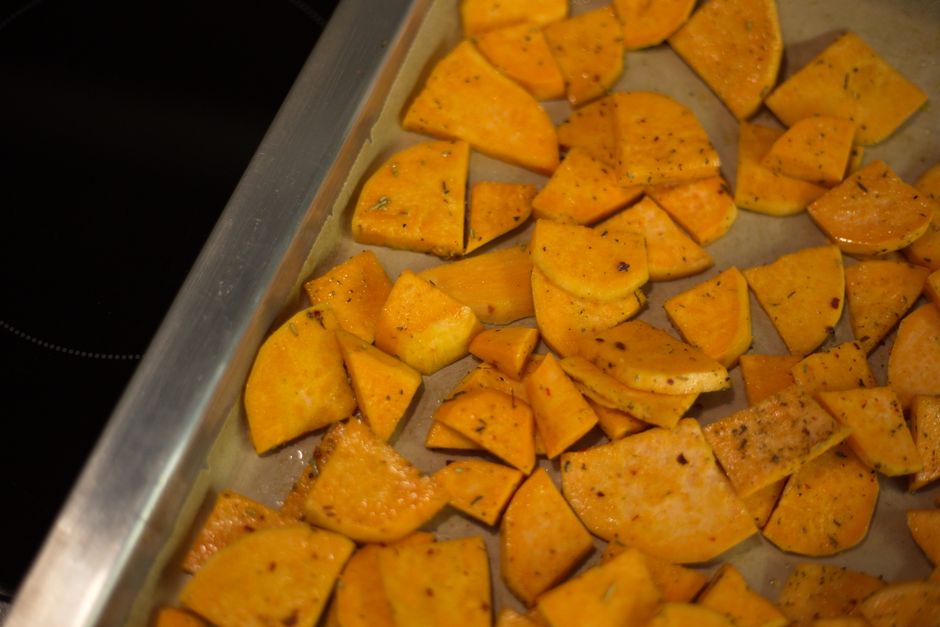
Sweet potatoes are a nutritional powerhouse and a superb complement to the spicy jerk flavors. Their natural sweetness caramelizes beautifully in the oven, creating tender, slightly crispy edges. When cut into uniform chunks, they roast at a similar rate to the pork, ensuring everything is perfectly cooked simultaneously. The vibrant orange flesh of sweet potatoes also adds visual appeal to the dish. When selecting sweet potatoes, opt for firm, smooth-skinned tubers without bruises or soft spots. Their size doesn’t matter as much as their quality. For this recipe, cube them into roughly 1-inch pieces. This size ensures they cook through evenly and develop that desirable tender interior with slightly crisp exteriors. If you prefer a softer sweet potato, you can cut them slightly smaller, but be mindful of potential burning. Roasting sweet potatoes brings out their inherent sugars, transforming them into a delectable sweet counterpoint to the savory and spicy elements of the jerk pork. Their earthy sweetness also helps to temper the heat of the jerk seasoning, making the dish more approachable for those with a lower spice tolerance.
Pineapple: A Tropical Burst of Sweetness and Acidity
Fresh pineapple is crucial for this recipe, offering a bright, tropical sweetness and a touch of acidity that cuts through the richness of the pork and balances the spice. As it roasts, the pineapple caramelizes, developing a slightly smoky and intensely sweet flavor that pairs exceptionally well with the jerk seasoning. Canned pineapple can be used in a pinch, but fresh pineapple offers superior texture and a more vibrant flavor profile. Ensure the pineapple is ripe for maximum sweetness and juiciness. When preparing fresh pineapple, remove the spiky skin and the tough core, then cut it into wedges or chunks that are similar in size to the sweet potato pieces. This ensures even cooking and optimal flavor distribution. The natural enzymes in pineapple, like bromelain, can also help tenderize the pork, although the primary contribution here is flavor and texture. The caramelized sugars in roasted pineapple create little pockets of intense sweetness that pop with every bite, providing a refreshing contrast to the savory pork and earthy sweet potatoes.
Assembling the Sheet Pan: Strategic Ingredient Placement
The key to a successful sheet pan meal lies in the strategic placement of ingredients to ensure even cooking and optimal caramelization. Begin by lining a large baking sheet with parchment paper or aluminum foil for easier cleanup. This is a crucial step for maximizing the convenience factor of this recipe. Toss the cubed sweet potatoes with a portion of the jerk seasoning and olive oil, then spread them on one side of the baking sheet. They will require a slightly longer cooking time than the pork and pineapple, so giving them a head start is beneficial. Next, toss the pork pieces with the remaining jerk seasoning and olive oil, and arrange them on the other side of the baking sheet, ensuring they are in a single layer for even browning. Finally, add the pineapple chunks, scattering them amongst the pork and sweet potatoes. This arrangement allows the flavors to meld as they roast, with the pork juices basting the vegetables and fruit.
The Roasting Process: Temperature and Timing
Preheat your oven to a relatively high temperature, typically 400°F (200°C). This high heat is essential for achieving the signature caramelization and slight char on the ingredients, which is integral to the overall flavor profile of jerk-inspired dishes. Roast the sweet potatoes for about 15-20 minutes initially. This allows them to soften and begin to brown. Then, add the pork and pineapple to the pan and continue roasting for another 15-20 minutes, or until the pork is cooked through and the sweet potatoes are tender and slightly caramelized. The internal temperature of the pork should reach 145°F (63°C) for medium-rare to medium, or higher if you prefer it more well-done. Keep an eye on the pineapple; you want it to be tender and slightly browned, not mushy. The exact cooking time will depend on the thickness of your pork and the size of your sweet potato cubes. It’s always better to check for doneness rather than relying solely on time. Ensure the pork is cooked to a safe internal temperature; a meat thermometer is highly recommended.
Optional Enhancements and Variations
While this recipe is delicious as is, there are numerous ways to customize it to your liking. Consider adding bell peppers, red onion, or even broccoli florets to the sheet pan for added vegetables and flavor. For an extra kick, toss in some sliced jalapeños or scotch bonnet peppers with the vegetables. A drizzle of honey or maple syrup over the sweet potatoes before roasting can enhance their sweetness and caramelization. For a different protein, chicken thighs or shrimp can be substituted for the pork, adjusting cooking times accordingly. Shrimp will cook much faster, so it’s best to add them towards the end of the roasting process. If you’re a fan of cilantro, a generous sprinkle of fresh chopped cilantro over the finished dish adds a burst of freshness. A dollop of cooling sour cream or plain Greek yogurt can also provide a delightful contrast to the spice. For a more substantial meal, serve over fluffy rice or quinoa.
Serving Suggestions: Bringing it all Together
This sheet pan jerk pork with sweet potatoes and pineapple is a complete meal on its own, but it can be elevated with a few simple serving suggestions. Garnish with fresh cilantro, chopped green onions, or toasted sesame seeds for added texture and visual appeal. A side of rice and beans, a simple green salad, or even some plantains would complement the flavors beautifully. The vibrant colors of the dish make it visually appealing, and the aromas that waft from the oven are sure to entice. The sweetness of the pineapple, the savory pork, and the earthy sweet potatoes create a symphony of flavors that is both comforting and exciting. This dish is also fantastic for meal prep; store leftovers in airtight containers in the refrigerator for up to 3-4 days. Reheat gently on the stovetop or in the oven to maintain optimal texture.
Nutritional Benefits of the Dish
This sheet pan meal offers a good balance of macronutrients and micronutrients. Lean pork provides a source of protein, essential for muscle building and repair. Sweet potatoes are rich in Vitamin A, particularly beta-carotene, which is important for vision, immune function, and skin health. They also provide dietary fiber, which aids in digestion and promotes satiety. Pineapple is a good source of Vitamin C, an antioxidant that supports the immune system, and manganese, which plays a role in bone health and metabolism. The use of olive oil adds healthy monounsaturated fats. By focusing on whole, unprocessed ingredients, this recipe offers a nutritious and satisfying dining experience. The minimal oil used in roasting also contributes to its health-conscious profile, making it a smart choice for those seeking a balanced and flavorful meal.
Tips for Perfect Sheet Pan Roasting
To ensure a successful sheet pan meal every time, here are a few key tips: 1. Don’t overcrowd the pan: Overcrowding will cause the ingredients to steam rather than roast, hindering caramelization and browning. Use two pans if necessary. 2. Uniform cutting: Cut ingredients into similarly sized pieces to ensure even cooking. 3. High heat: Utilize a high oven temperature (400-425°F) for optimal caramelization and crisping. 4. Parchment paper or foil: This makes cleanup a breeze. 5. Single layer: Arrange ingredients in a single layer for maximum exposure to heat. 6. Don’t overcook: Keep an eye on the food as cooking times can vary. Use a meat thermometer for accurate internal temperatures. 7. Marinade time: For pork, allowing it to marinate in the jerk seasoning for at least 30 minutes (or up to a few hours in the refrigerator) will deepen the flavor penetration. This recipe assumes a shorter marination time for weeknight convenience, but longer marination will yield even more robust flavor. Experimenting with different soaking times can help you discover your preferred flavor intensity. This comprehensive approach to sheet pan cooking ensures consistently delicious results.
