
Smoky Beer Braised Beef Brisket
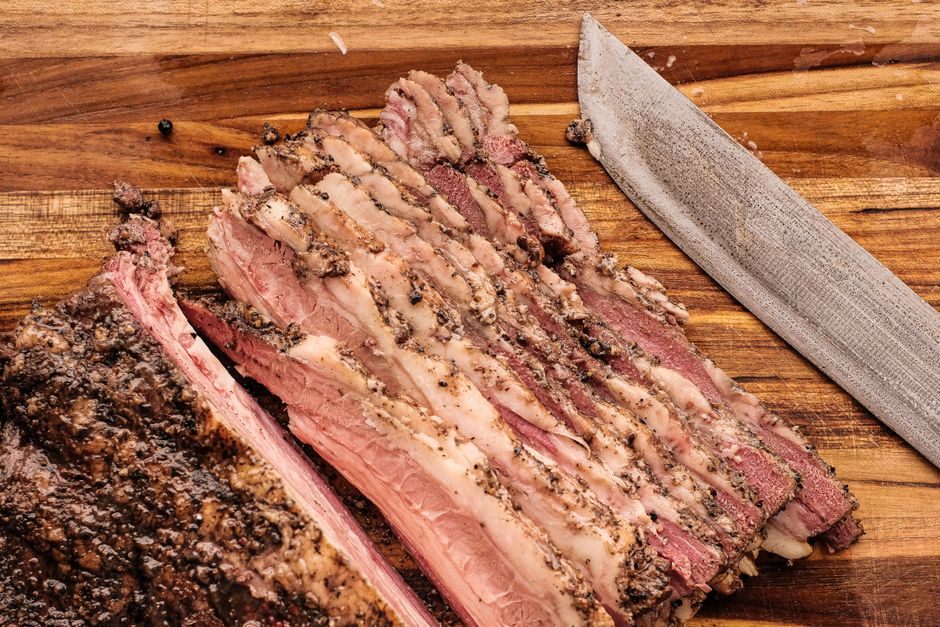
Smoky Beer-Braised Beef Brisket: A Deep Dive into Flavor, Technique, and Perfect Execution
The art of braising beef brisket, particularly when infused with the complex flavors of smoky beer, represents a pinnacle of slow-cooked comfort food. This article will dissect the essential elements required for achieving a deeply flavorful, incredibly tender, and visually appealing smoky beer-braised beef brisket, covering everything from meat selection and preparation to the nuanced interplay of smoky notes and malty depth in the braising liquid, and finally, the crucial resting and serving stages that ensure optimal results. Understanding the science behind the low-and-slow cooking process, the chemical reactions that break down connective tissues, and how different types of beer contribute distinct flavor profiles is paramount for any home cook or professional chef aiming to master this dish.
Selecting the Right Cut: The Foundation of Flavor and Texture
Choosing the correct cut of beef brisket is the absolute cornerstone of a successful braise. Brisket, a primal cut from the chest of the cow, is characterized by its significant connective tissue and intramuscular fat, which, under the right conditions, transform into gelatin and melt-in-your-mouth succulence during slow cooking. There are two primary muscles within a whole brisket: the "flat" (pectoralis profundus) and the "point" (pectoralis superficialis). The flat is leaner, flatter, and cooks more evenly, making it ideal for slicing. The point is fattier, more irregular in shape, and contains more intramuscular fat, resulting in a richer, more unctuous texture and flavor, often referred to as the "deckle." For the ultimate smoky beer-braised brisket experience, a whole packer brisket, encompassing both the flat and the point, is often preferred. This allows for a spectrum of textures and flavors in a single dish. When purchasing, look for briskets with good marbling – those white flecks of fat interspersed within the muscle. This intramuscular fat is critical for moisture and flavor retention during the long braising period. Aim for a brisket that is at least 3-4 pounds, as smaller cuts are more prone to drying out. The color of the meat should be a vibrant red; avoid anything that appears dull or gray. A good butcher can be an invaluable resource, advising on the best cuts and even trimming excess fat if desired, though a thin layer of fat left on the top (approximately ¼ inch) is beneficial for basting the meat as it cooks.
The Crucial Role of Smoking: Infusing Deep, Aromatic Complexity
The "smoky" element in smoky beer-braised beef brisket is not merely an adjective; it’s a vital flavor component. While traditional braising can yield delicious results, the addition of smoke elevates the dish to an entirely new level, adding layers of complexity that complement the richness of the beef and the malty notes of the beer. There are several effective methods for incorporating smoke. The most common and arguably the most impactful is to smoke the brisket before braising. This allows the smoke to penetrate the surface of the meat, forming a flavorful crust known as the "bark." This pre-smoking stage typically involves a low and slow cooking process, usually between 225°F and 275°F (107°C – 135°C), for several hours, until the brisket reaches an internal temperature of around 160°F to 170°F (71°C – 77°C). This is where wood choice becomes paramount. For beef, woods like hickory, mesquite, oak, and pecan are excellent choices. Hickory offers a strong, classic smoky flavor, while mesquite provides a more intense, sometimes slightly bitter smoke. Oak is a more neutral, versatile smoke that pairs well with the beer’s malty notes. Pecan delivers a sweeter, milder smoke. Experimentation is key to finding your preferred smoke profile. Alternatively, smoke can be introduced during the braising process. This can be achieved by adding smoked paprika or liquid smoke to the braising liquid, though these methods often result in a less authentic and more artificial smoky flavor compared to actual wood smoke. Another approach involves utilizing a smoker for the initial braising, cooking the brisket at a low temperature within the smoker and adding the braising liquid partway through. For this article’s focus on beer-braised brisket, pre-smoking is the recommended primary method for achieving the most pronounced and desirable smoky character.
Beer Selection: The Heart of the Braising Liquid
The choice of beer for braising is not a trivial decision; it directly influences the final flavor profile of the brisket. The malty, sometimes roasted, and occasionally bitter notes of beer can beautifully complement the rich beef and the smoky essence. A general rule of thumb is to use a beer you would enjoy drinking; if the beer is unpleasant on its own, it’s unlikely to improve the brisket. For a pronounced smoky flavor, dark beers often perform best due to their inherent roasted malt characteristics. Stouts and porters are excellent candidates. A good stout will impart notes of chocolate, coffee, and caramel, which can create a wonderfully complex depth. Porters, while similar, can sometimes offer a lighter, more nuanced profile with hints of licorice or toffee. Amber ales and brown ales are also strong contenders, offering a more balanced malt profile with caramel and nutty undertones. The hoppiness of a beer can also play a role. Highly hopped IPAs are generally not recommended for braising as their bitterness can become overwhelming and unpleasantly sharp when concentrated through slow cooking. However, a more malty IPA with subtle hop notes might be acceptable. If you are using a very dark and roasty beer, consider balancing it with a lighter, more drinkable beer in the braising liquid to prevent the flavor from becoming too dominant or one-dimensional. The volume of beer required will depend on the size of your brisket and the depth of your braising vessel. Typically, enough liquid is needed to come halfway to two-thirds up the sides of the brisket, allowing for ample liquid to tenderize and flavor the meat while also creating a rich sauce.
Seasoning and Rubs: Building the Flavor Foundation
A robust seasoning and rub are essential for developing the initial flavor and contributing to the formation of the bark during the smoking and braising processes. A classic approach involves a simple salt and black pepper base, allowing the smoke and beer to shine. However, more complex rubs can add additional dimensions. Common additions include garlic powder, onion powder, paprika (sweet, smoked, or a combination), chili powder, cumin, and a touch of brown sugar for a hint of sweetness and caramelization. The key is to apply the rub generously to all surfaces of the brisket, working it into any crevices. For a pronounced smoky flavor, consider incorporating smoked paprika into your rub. The salt in the rub will not only season the meat but also draw out some moisture, which, when combined with the smoke, helps to create that desirable crust. Some chefs advocate for a dry brine, salting the brisket and letting it rest in the refrigerator for 24-48 hours before applying the rest of the rub and smoking. This allows the salt to penetrate deeper into the meat, seasoning it more thoroughly from the inside out. The surface of the brisket should be patted dry before applying any rubs or seasonings to ensure good adhesion.
The Braising Process: Low and Slow for Ultimate Tenderness
Once the brisket has been smoked to the desired bark formation and internal temperature, the braising process begins. This is where the magic of low-and-slow cooking truly takes hold, transforming tough connective tissues into luscious gelatin. The braising vessel of choice is critical. A heavy-bottomed Dutch oven, a cast-iron pot, or a deep oven-safe pan with a tight-fitting lid are all suitable options. The pre-smoked brisket is placed in the braising vessel. The beer, along with any other braising liquid components like beef broth, aromatics (onions, garlic, carrots, celery), and herbs (thyme, rosemary, bay leaves), is then poured around the brisket. The liquid level should ideally reach halfway to two-thirds up the sides of the brisket, ensuring constant contact with the braising environment without fully submerging the meat. The vessel is then covered tightly and transferred to a preheated oven. The optimal braising temperature is typically between 300°F and 325°F (150°C – 160°C). The braising time will vary significantly depending on the size and thickness of the brisket, as well as the oven and the specific cooking temperature. Generally, it can take anywhere from 3 to 6 hours, or even longer. The brisket is considered "done" when it is exceptionally tender. This is not solely determined by internal temperature, although reaching an internal temperature of 195°F to 205°F (90°C – 96°C) is a good indicator of collagen breakdown. The true test is the "probe tender" stage: when a skewer or thermometer probe can be inserted into the thickest part of the brisket with very little resistance, sliding in and out as if piercing butter. Some chefs even recommend a slight wiggle or wobble in the meat when the vessel is gently jostled. If the brisket is not tender after the initial braising time, do not panic. Continue to braise, checking for tenderness every 30-60 minutes.
Incorporating Aromatics and Additional Flavor Boosters
While the smoky beer is the star, other aromatics and flavor boosters can significantly enhance the complexity of the braising liquid. Sautéing diced onions, carrots, and celery (mirepoix) in a small amount of fat before adding the beer and other liquids creates a foundational layer of savory flavor. Garlic cloves, either smashed or whole, add a pungent sweetness. Fresh herbs like thyme, rosemary, and bay leaves infuse the liquid with herbaceous notes that complement the richness of the beef. A splash of Worcestershire sauce or a dash of soy sauce can introduce umami depth. For an extra layer of smoky intensity, a tablespoon or two of tomato paste can be added and caramelized before deglazing with the beer, adding a subtle sweetness and color. Some chefs even incorporate a bit of Dijon mustard into the braising liquid for a touch of tang. The key is to use these ingredients judiciously, ensuring they enhance rather than overpower the primary flavors of the brisket and the beer.
The Crucial Resting Period: Maximizing Juiciness and Flavor Distribution
Once the brisket has achieved its desired tenderness, the braising process is not over. The resting period is arguably as critical as the cooking itself, especially for a large cut like brisket. Once removed from the oven, the brisket should remain in the braising liquid, still covered, for at least 30 minutes. Ideally, however, it should be removed from the braising liquid, wrapped tightly in foil, and allowed to rest for a minimum of 1 to 2 hours, or even longer in a warm, insulated environment (like a cooler). This resting period allows the muscle fibers to relax and reabsorb the juices that have been pushed out during the cooking process. If sliced immediately after cooking, a significant amount of moisture will be lost, resulting in a dry and less flavorful product. This resting period also allows the flavors to meld and redistribute throughout the meat, further enhancing its overall taste.
Sauce Reduction and Finishing: Elevating the Braising Liquid
The braising liquid, now infused with the essence of the brisket, beer, and aromatics, is a treasure trove of flavor. After the brisket has rested, this liquid can be strained and reduced to create a rich, luscious sauce or gravy. The solids are discarded (or repurposed for stock), and the liquid is poured back into a saucepan. Simmer the liquid over medium heat, allowing it to reduce and thicken. Skim off any excess fat that rises to the surface. If a thicker sauce is desired, a slurry of cornstarch or flour mixed with a little water can be whisked in. Season the reduced sauce to taste, adjusting for salt and pepper. This rich, concentrated sauce is the perfect accompaniment to the sliced brisket, adding an extra layer of moisture and intense flavor.
Slicing and Serving: The Final Presentation
The final step in presenting your smoky beer-braised beef brisket is the slicing. For the flat cut, it’s essential to slice against the grain. The grain of the brisket is the direction in which the muscle fibers run. Slicing against the grain shortens these fibers, making the meat more tender and easier to chew. If you slice with the grain, the brisket will feel tough and stringy, regardless of how well it was cooked. The point cut, with its more marbled and irregular grain, can be sliced more liberally, but still, an awareness of the grain direction will yield the best results. A sharp slicing knife is crucial for clean cuts. Serve the sliced brisket warm, drizzled generously with the reduced braising sauce. Traditional accompaniments include mashed potatoes, creamy coleslaw, cornbread, or a simple green salad to balance the richness of the dish.
Troubleshooting Common Issues: Achieving Perfection Consistently
Even with careful preparation, challenges can arise. If your brisket is dry, it’s likely due to overcooking or insufficient resting. Ensure your brisket is probe-tender before removing it from the braise, and always allow ample resting time. If the bark is too tough or burnt, it might be from smoking at too high a temperature or for too long initially. Conversely, if there’s no discernible bark, the brisket may not have been smoked long enough or at a high enough temperature to encourage the Maillard reaction. If the beer flavor is too dominant or bitter, consider using a milder beer next time or adjusting the beer-to-broth ratio. If the braising liquid is too thin, ensure it’s reduced sufficiently. Patience and attention to detail are the keys to mastering this rewarding dish. The pursuit of the perfect smoky beer-braised beef brisket is a culinary journey, and with an understanding of these principles, you are well-equipped to embark on it successfully.
