
Everything You Need To Know About Chicken
The Ultimate Guide to Chicken: From Farm to Table
Chicken, scientifically Gallus gallus domesticus, is a ubiquitous source of protein worldwide, revered for its versatility, affordability, and nutritional benefits. Domestication of junglefowl, believed to have originated in Southeast Asia thousands of years ago, laid the groundwork for the modern chicken industry. Initially raised for cockfighting and religious purposes, chickens gradually became a primary food source due to their rapid reproduction and efficient conversion of feed into meat and eggs. Today, chickens are categorized into distinct breeds, broadly classified as broilers (raised for meat) and layers (raised for eggs), with many dual-purpose breeds existing. The global chicken population is estimated to be in the tens of billions, reflecting its immense importance in food security and the global economy. Understanding chicken production, its culinary applications, and its nutritional profile is crucial for consumers, chefs, and anyone interested in their food.
The journey of chicken from its origins to the consumer’s plate involves several key stages. Breeding and Hatching are the foundational steps. Commercial chicken operations rely on specialized breeding programs to develop birds with desired traits, such as rapid growth rate for broilers and high egg production for layers. Fertilized eggs are incubated in controlled environments, providing the precise temperature, humidity, and ventilation necessary for embryonic development. Once hatched, chicks are typically moved to specialized brooding facilities where they receive warmth, feed, and water, crucial for their early survival and growth. Growth and Rearing differ significantly for broilers and layers. Broiler chicks are fed high-protein diets designed for rapid muscle development, reaching market weight (typically 4-6 pounds) in as little as 6-8 weeks. They are housed in large, climate-controlled barns with ample space and access to feed and water. Layer hens, on the other hand, are selected for their genetic propensity to lay eggs. They are raised to sexual maturity (around 16-20 weeks) and then housed in systems that can range from cage-free environments to conventional cages, depending on regulations and consumer demand. Their diet is formulated to support sustained egg production, rich in calcium and other essential nutrients. Processing is the final stage before distribution. Once birds reach their designated weight or age, they are humanely slaughtered in regulated processing plants. This involves stunning, bleeding, scalding, defeathering, evisceration, and chilling. Strict hygiene and quality control measures are implemented throughout the process to ensure food safety. Finally, Distribution involves packaging the chicken in various forms (whole, parts, ground) and distributing it to retailers, restaurants, and food service providers.
Nutritionally, chicken is a lean and potent source of complete protein, containing all nine essential amino acids required by the human body. A 3.5-ounce (100-gram) serving of cooked, skinless chicken breast provides approximately 31 grams of protein, making it an excellent choice for muscle building and repair, satiety, and overall physiological function. Beyond protein, chicken offers a good spectrum of essential vitamins and minerals. It is particularly rich in B vitamins, including niacin (B3), pyridoxine (B6), and cobalamin (B12), which are crucial for energy metabolism, nerve function, and red blood cell formation. Chicken also provides significant amounts of phosphorus, necessary for bone and tooth health, and selenium, an antioxidant that plays a role in immune function and thyroid health. The exact nutritional profile varies depending on the cut and whether the skin is included; skinless chicken breast is the leanest option, while darker meat cuts and skin contribute more fat and calories. For instance, chicken thighs, while still a good protein source, contain more fat than breast meat.
The culinary applications of chicken are virtually boundless, making it a cornerstone of global cuisine. Its mild flavor profile readily absorbs marinades, spices, and sauces, allowing for an astonishing range of preparations. Roasting a whole chicken yields a succulent centerpiece, with crispy skin and tender meat, often infused with herbs, garlic, and lemon. Grilling chicken, whether as breasts, thighs, or skewers, imparts a smoky char and is ideal for marinades. Pan-frying and sautéing are quick methods for cooking chicken pieces, often used in stir-fries, pasta dishes, and quick weeknight meals. Braising chicken in liquid, such as broth, wine, or tomato sauce, results in incredibly tender and flavorful meat, perfect for stews and comfort food. Poaching chicken gently cooks it in liquid, yielding a delicate texture ideal for salads, sandwiches, and as a base for other dishes. Deep-frying, while less healthy, produces a crispy coating and moist interior, as seen in classic fried chicken. Furthermore, ground chicken is a versatile ingredient for meatballs, burgers, and fillings. Chicken broth and stock, derived from simmering bones and carcass, are fundamental building blocks for countless soups, sauces, and gravies. The ability to be transformed into dishes ranging from simple, everyday meals to elaborate gourmet creations solidifies chicken’s status as a culinary chameleon.
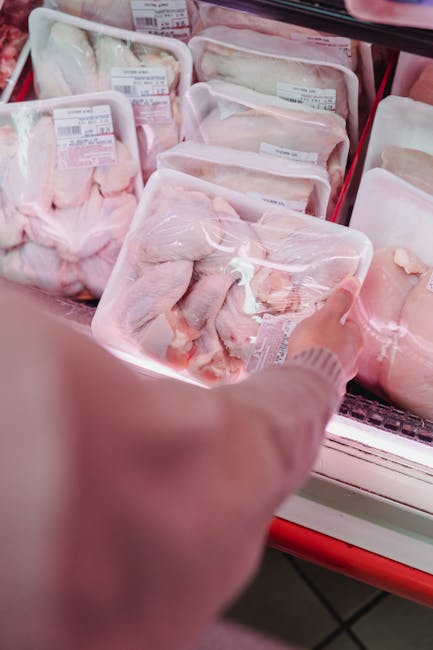
When selecting chicken at the market, several factors contribute to quality and safety. Freshness is paramount. Look for chicken with a pinkish hue; avoid any with a grayish or yellowish discoloration. The packaging should be intact, without any leaks or tears. The smell should be neutral; a strong, foul odor indicates spoilage. Packaging dates, such as "sell-by" or "best-by," can provide guidance, but visual and olfactory checks are equally important. Organic and Free-Range certifications denote specific farming practices. Organic chicken is raised without antibiotics or added growth hormones and fed organic feed. Free-range chickens have access to outdoor spaces, which proponents argue contributes to better welfare and potentially flavor. "Antibiotic-free" labels indicate that the chicken was not administered antibiotics during its life cycle. Color and Marbling can also be indicators of quality. Well-raised chicken will have good muscle definition and a natural sheen.
Proper storage and handling are critical to prevent foodborne illnesses. Raw chicken should be stored in the coldest part of the refrigerator, typically the bottom shelf, to prevent cross-contamination with other foods. It should be used or frozen within one to two days of purchase. When freezing chicken, wrap it tightly in freezer-safe materials to prevent freezer burn. Thawing frozen chicken should ideally be done in the refrigerator overnight. For faster thawing, place the frozen chicken in a sealed bag and submerge it in cold water, changing the water every 30 minutes. Never thaw chicken at room temperature, as this allows bacteria to multiply rapidly. Cooking temperatures are crucial for food safety. Chicken must be cooked to an internal temperature of 165°F (74°C) to kill harmful bacteria like Salmonella and Campylobacter. Using a food thermometer inserted into the thickest part of the meat, avoiding bone, is the most reliable way to ensure it’s cooked through. Juices should run clear, and the meat should be opaque white throughout.
Common Chicken Cuts are essential for understanding recipes and cooking methods. The breast is the leanest and most tender cut, popular for its versatility. Thighs are darker, more flavorful, and juicier due to higher fat content, making them forgiving for cooking. Drumsticks are the lower portion of the leg, offering a good balance of meat and bone, ideal for grilling and roasting. Wings are a popular appetizer, prized for their crispy skin when cooked. The whole chicken is economical and provides a range of textures and flavors depending on the cooking method. Bones and carcass are invaluable for making stocks and broths, minimizing food waste.
Health considerations surrounding chicken consumption primarily revolve around food safety and the potential impact of farming practices. As mentioned, thorough cooking to the recommended internal temperature is vital to mitigate the risk of foodborne illness. Concerns regarding antibiotic resistance have also surfaced regarding the widespread use of antibiotics in conventional poultry farming. While regulations vary globally, many regions are moving towards reducing or eliminating antibiotic use in healthy animals. Consumers seeking to avoid this can opt for "antibiotic-free" or organic chicken. Cholesterol and fat content vary by cut and preparation. Skinless chicken breast is a low-fat, low-cholesterol option. However, consuming chicken skin or fried preparations can significantly increase fat and calorie intake.
Global Variations in Chicken Consumption and Preparation highlight the adaptability of this protein source. In Asia, chicken is central to countless dishes, from Chinese Kung Pao Chicken and Thai Green Curry to Indian Butter Chicken and Japanese Yakitori. European cuisines feature classics like Coq au Vin (France) and Cacciatore (Italy). American cuisine boasts staples like fried chicken, chicken pot pie, and BBQ chicken. In Latin America, chicken is prepared in vibrant dishes like Arroz con Pollo (rice with chicken) and Pescado Frito (fried chicken, a common term). These diverse culinary traditions demonstrate the universal appeal and adaptability of chicken.
Sustainable Chicken Farming is an increasingly important aspect for conscious consumers. This involves practices that minimize environmental impact, promote animal welfare, and support ethical labor. Pasture-raised systems, where chickens forage outdoors, can improve soil health and reduce reliance on manufactured feed. Reduced antibiotic use, as mentioned, is a key component of sustainable practices. Waste management, including composting of manure, also plays a role. Consumers can look for certifications and labels that indicate adherence to these principles, supporting a more responsible food system. The future of chicken production is likely to involve a greater emphasis on these sustainable and ethical approaches, driven by both consumer demand and evolving industry standards.
