
Tag Cacio E Pepe
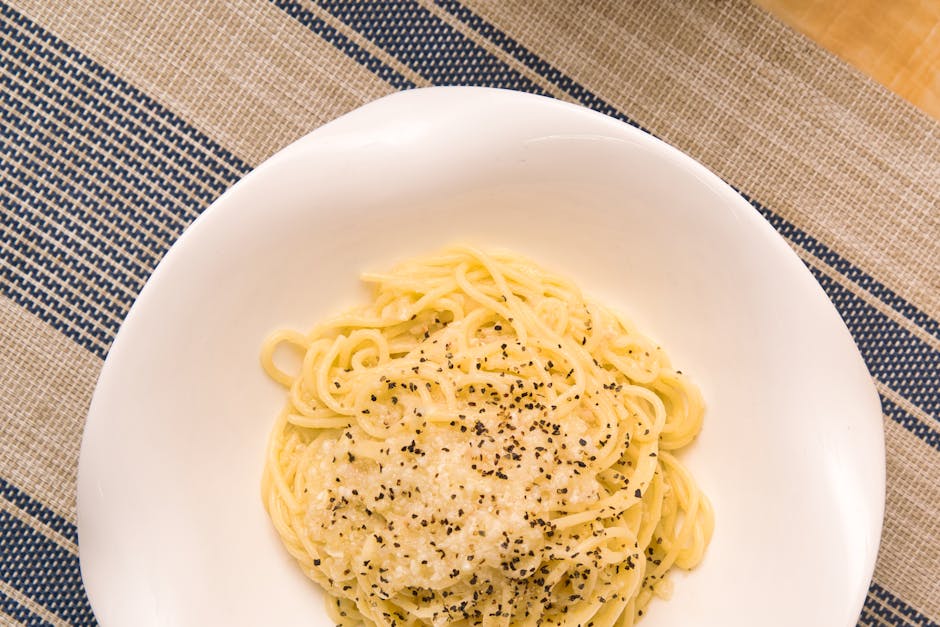
Cacio e Pepe: The Art of Roman Simplicity, Perfected
Cacio e Pepe, a deceptively simple Roman pasta dish, translates directly to "cheese and pepper." Yet, its preparation transcends mere ingredient combination, demanding a nuanced understanding of starch, emulsification, and temperature to achieve its signature creamy, unctuous texture. This dish, rooted in the pastoral traditions of Latium, relies on the potent flavors of Pecorino Romano cheese and black pepper, elevated by the starchy water used to cook the pasta. Its widespread popularity stems from its accessibility, minimal ingredients, and profound depth of flavor, making it a cornerstone of Italian home cooking and a celebrated staple on restaurant menus worldwide. Mastering Cacio e Pepe is not just about following a recipe; it’s about understanding the science and artistry behind its creation.
The core components of Cacio e Pepe are as fundamental as they are critical. Pecorino Romano, a hard, salty sheep’s milk cheese, is the soul of the dish. Its sharp, piquant flavor, coupled with its high fat and protein content, allows it to emulsify beautifully with the starchy pasta water. The quality of the Pecorino is paramount; look for a well-aged, authentic DOP (Denominazione di Origine Protetta) product. Pre-shredded cheeses are generally not recommended, as they often contain anti-caking agents that can hinder proper emulsification and result in a gritty sauce. Freshly grating the cheese just before use is essential for optimal results. The second key ingredient is black pepper. Coarsely ground, freshly cracked black pepper provides a pungent warmth that cuts through the richness of the cheese and adds aromatic complexity. The grind size is important; too fine and the pepper can become bitter, too coarse and it can be overpowering. A medium-coarse grind is typically ideal.
The pasta itself plays a vital role. Traditionally, tonnarelli or spaghetti are the preferred pasta shapes. Tonnarelli, a thicker, square-edged spaghetti, offers a superior surface area for the sauce to cling to. Spaghetti, with its smooth surface, also works well, provided it is cooked to a perfect al dente. The starch released from the pasta as it cooks in the water is the secret ingredient that binds the cheese and water into a creamy emulsion. Therefore, using slightly less water than a typical pasta preparation is crucial. This concentrated starch content is what allows for the development of the sauce’s characteristic velvety texture without the addition of cream or butter, a common misconception. The exact ratio of water to pasta will vary slightly depending on the type of pasta and the desired consistency, but generally, aim for just enough water to cover the pasta comfortably while still allowing for a rich starch concentration.
The technique for preparing Cacio e Pepe is as important as the ingredients. The process begins with boiling the pasta in well-salted water. While the pasta cooks, the Pecorino Romano is finely grated into a bowl. To this, add a generous amount of freshly cracked black pepper. A crucial step is to temper the cheese. This involves gradually adding a small amount of the hot pasta water to the grated cheese and pepper, whisking vigorously to create a paste. This tempering process helps to prevent the cheese from clumping and ensures a smoother emulsion. The goal is to reach a thick, paste-like consistency, but not to cook the cheese at this stage. The heat from the pasta water will do the work.
Once the pasta is cooked to a perfect al dente, it is transferred directly from the boiling water into the pan with the cheese and pepper paste, along with a ladle or two of the starchy pasta water. This is where the magic happens. Vigorous stirring and tossing of the pasta in the pan are essential. The heat from the pasta, combined with the starch from the water and the fat from the cheese, creates an emulsion that coats the pasta in a glossy, creamy sauce. The key is to work quickly and continuously. If the sauce appears too thick, add more pasta water, a tablespoon at a time, until the desired consistency is achieved. Conversely, if it is too thin, continue to stir and toss, allowing the heat to reduce the liquid and thicken the sauce. The temperature of the pan is also important; it should be warm enough to facilitate emulsification but not so hot that it causes the cheese to break and become oily or clumpy. Some chefs prefer to finish the dish off the heat to maintain control over the emulsification process.
Understanding the science behind the emulsion is key to consistently perfect Cacio e Pepe. The starch molecules released from the pasta act as emulsifiers, suspending the fat from the cheese and the water. When the cheese is introduced to the hot, starchy water, its proteins begin to denature and unfold. The fat in the cheese, which is normally dispersed, is now able to interact with the water, facilitated by the starch. The vigorous stirring breaks down any large clumps of cheese and fat, creating a stable, creamy suspension. This process requires a delicate balance of heat, starch concentration, and mechanical agitation. Too much heat can cause the cheese proteins to coagulate too rapidly, leading to a grainy texture or separation. Not enough starch will result in a thin, watery sauce.
The role of Pecorino Romano’s saltiness cannot be overstated. It contributes significantly to the dish’s flavor profile and also aids in the emulsification process. The salt helps to break down the protein structure of the cheese, making it more amenable to emulsification. However, this saltiness also means that additional salt in the pasta water should be used judiciously. It’s often best to taste the finished dish before adding any extra salt. The pepper’s aromatic compounds are released during the cooking process, infusing the sauce with its characteristic warmth and fragrance. Toasting the pepper briefly before grinding can further enhance its aroma and flavor, adding another layer of complexity to the dish.
Troubleshooting Cacio e Pepe is an essential part of mastering it. The most common issue is a "broken" sauce, which appears oily or clumpy. This is usually due to overheating the cheese, adding too much cheese at once, or using poor-quality cheese with anti-caking agents. If your sauce is broken, try removing the pan from the heat and vigorously whisking in a little more hot pasta water. Sometimes, a touch of lemon juice can help re-emulsify the sauce by adding acidity, though this is not traditional. Another common problem is a sauce that is too thin. This can be rectified by continuing to stir and toss the pasta off the heat, allowing the liquid to reduce and the sauce to thicken. If the sauce is too thick, it can be thinned with a small amount of hot pasta water. The key is to approach troubleshooting with patience and to make small adjustments.
Variations on the classic Cacio e Pepe are minimal, as its beauty lies in its simplicity. However, some chefs might add a touch of butter at the end for extra richness, though purists would argue against this. The focus remains on the quality of the ingredients and the execution of the technique. The pasta itself can be a point of subtle variation. While tonnarelli and spaghetti are traditional, thicker shapes like bucatini or even short pasta shapes like rigatoni can work, though the sauce might cling differently. The pepper can also be varied, with some using a blend of black and white pepper for a slightly different flavor profile. However, the fundamental balance of Pecorino, pepper, and starchy pasta water remains sacrosanct.
The history of Cacio e Pepe is intertwined with the pastoral traditions of the Latium region. It is believed to have originated as a simple, nourishing meal for shepherds who would carry dried pasta, Pecorino Romano cheese, and peppercorns with them on their journeys. These ingredients were shelf-stable and provided essential calories and protein. The preparation method would have been straightforward, utilizing the heat of their fires and the water from their surroundings. This humble origin story underscores the dish’s enduring appeal: its ability to transform basic, readily available ingredients into something extraordinary. Its evolution from a shepherd’s ration to a celebrated culinary icon speaks to the power of simplicity and the mastery of fundamental cooking techniques.
SEO considerations for Cacio e Pepe articles revolve around keywords that potential readers would use to search for this dish. Prominent keywords include "Cacio e Pepe recipe," "how to make Cacio e Pepe," "authentic Cacio e Pepe," "creamy pasta," "Roman pasta," "Pecorino Romano pasta," "easy pasta recipe," and "minimalist pasta." The article should naturally incorporate these terms within headings, subheadings, and the body text. Using descriptive language that highlights the dish’s qualities, such as "creamy," "velvety," "simple," "authentic," and "delicious," will also improve search engine visibility. The inclusion of detailed steps, ingredient explanations, and troubleshooting tips caters to users looking for practical information, further enhancing SEO by providing valuable content. The strategic use of internal and external links, though not explicitly requested for this generated text, would further bolster SEO in a live website environment, linking to related recipes or ingredient guides. The comprehensiveness of the article, covering history, technique, science, and troubleshooting, ensures it addresses a wide range of user queries, making it a valuable resource for both novice and experienced cooks.
In conclusion, Cacio e Pepe is more than just a pasta dish; it is a testament to the power of minimalist cuisine. Its elegance lies in its few, perfectly balanced ingredients and the meticulous technique required for its preparation. By understanding the role of each component – the sharp Pecorino Romano, the pungent black pepper, and the starchy pasta water – and by mastering the art of emulsification, home cooks can recreate this Roman classic with confidence. The journey to a perfect Cacio e Pepe is a rewarding one, a culinary exploration that celebrates simplicity, tradition, and the profound satisfaction of a truly delicious meal. The dish’s enduring popularity is a clear indication of its timeless appeal and its ability to transcend culinary trends, remaining a beloved and accessible icon of Italian cooking.
