Vegetable Rice Casserole: A Delicious and Versatile Dish
Vegetable rice casserole is a dish that holds a special place in my heart. I remember the first time I tasted it – a warm, comforting blend of fluffy rice, tender vegetables, and a creamy sauce. It was a revelation, a dish that could be both simple and sophisticated, a true testament to the versatility of food.
Vegetable rice casseroles are a staple in kitchens worldwide, loved for their ability to transform leftover ingredients into a delicious and satisfying meal. They are also incredibly adaptable, allowing for endless variations in flavors and textures. From classic combinations like broccoli and cheese to more exotic blends with Asian-inspired ingredients, the possibilities are truly endless.
Vegetable Rice Casserole: A Comforting Classic
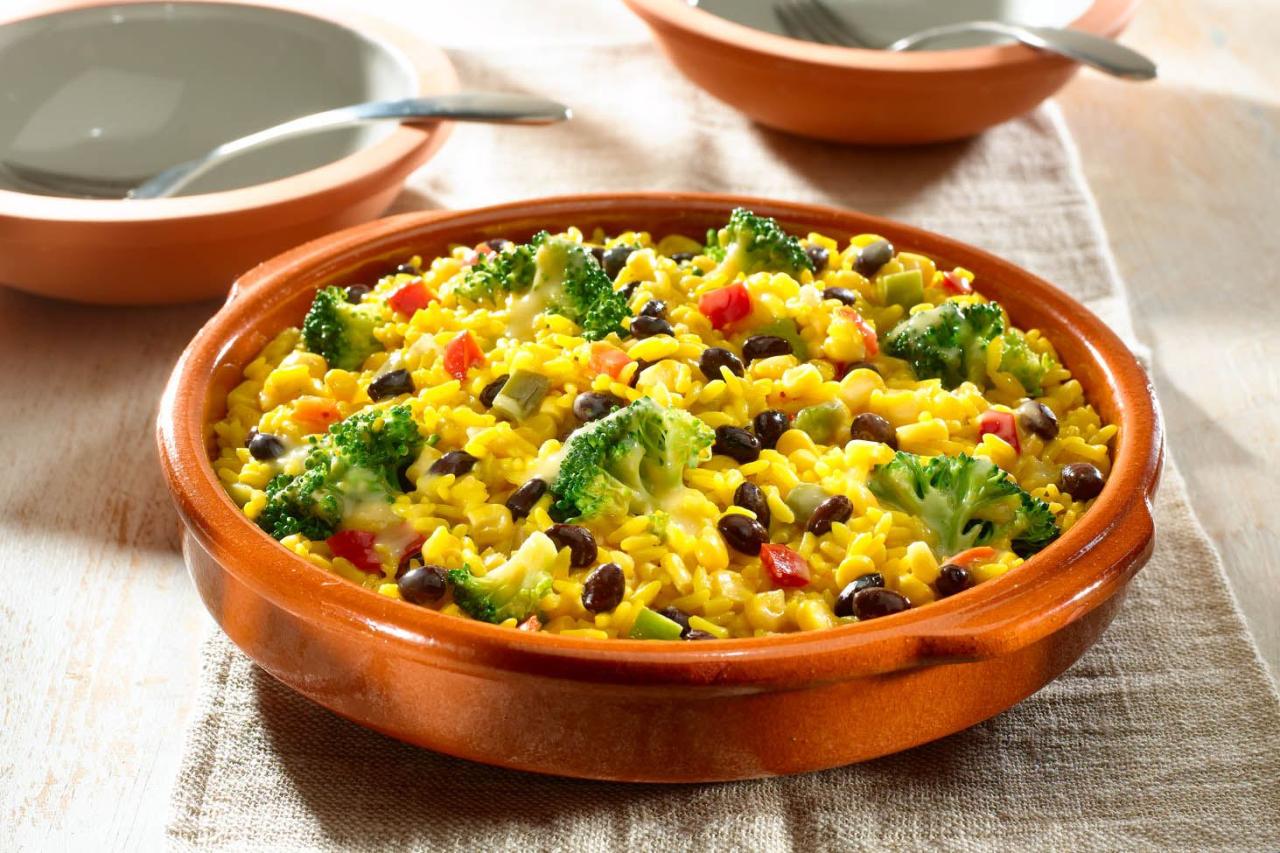
The aroma of a freshly baked vegetable rice casserole always takes me back to my childhood. My grandmother, a culinary wizard, would whip up this dish on chilly evenings, filling our home with warmth and the most comforting scent imaginable.
It was a dish that brought our family together, each bite a reminder of shared moments and cherished traditions.Vegetable rice casseroles are a beloved comfort food, known for their versatility and ability to transform simple ingredients into a delicious and satisfying meal.
They are a perfect example of how culinary creativity can elevate everyday ingredients into something truly special.
Vegetable rice casserole is a hearty and comforting meal that’s perfect for any occasion. If you’re looking for a pre-workout meal that’s a bit more exciting than oatmeal, you might want to check out skip pre workout oatmeal for some alternative ideas.
No matter what you choose, vegetable rice casserole is sure to be a hit, especially when you’re craving something warm and satisfying.
The Appeal of Vegetable Rice Casseroles
The appeal of vegetable rice casseroles lies in their ability to satisfy both the palate and the nutritional needs. They are a wonderful way to incorporate a variety of vegetables into a single dish, making them a healthy and delicious choice for any meal.
Types of Vegetable Rice Casseroles
Vegetable rice casseroles are incredibly versatile, allowing for endless combinations of vegetables and flavors. From classic comfort food to more adventurous culinary creations, there’s a vegetable rice casserole for every taste and occasion.
Types of Vegetable Rice Casseroles
Exploring the diverse world of vegetable rice casseroles reveals a spectrum of flavors and textures. Each type offers a unique culinary experience, driven by the interplay of vegetables, spices, and cooking methods.
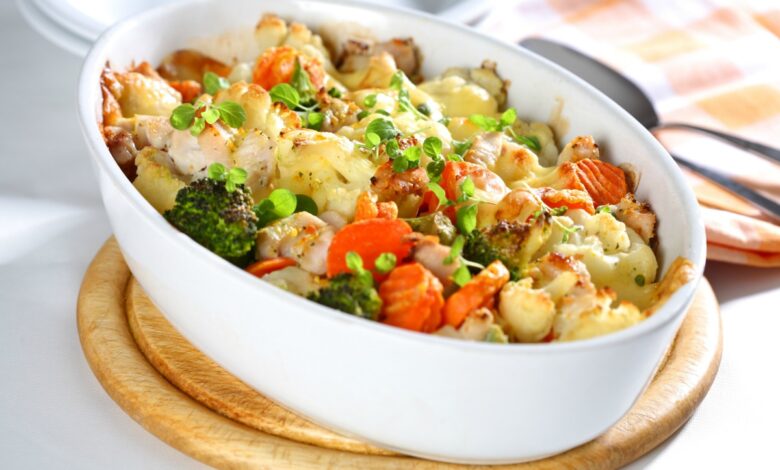
- Classic Vegetable Rice Casserole:This timeless dish typically features a medley of vegetables like carrots, peas, corn, and green beans, all cooked in a creamy sauce and layered over rice. The sauce can be made with a base of chicken broth, milk, or cream, and often includes seasonings like salt, pepper, and herbs.
- Mediterranean Vegetable Rice Casserole:This flavorful casserole draws inspiration from the Mediterranean region, incorporating ingredients like tomatoes, bell peppers, onions, zucchini, and olives. The use of herbs like oregano, thyme, and basil, along with a drizzle of olive oil, imparts a distinct Mediterranean aroma and taste.
Vegetable rice casserole is a hearty and comforting dish that’s perfect for a weeknight meal. It’s easy to make and can be customized with your favorite vegetables. Speaking of comfort, choosing the right shoes for your feet is important, especially when it comes to walking or running.
If you’re wondering about the differences between walking and running shoes, check out this helpful article: walking versus running shoes whats the difference. Just like shoes support your feet, a well-prepared vegetable rice casserole will support your body with a nutritious and delicious meal.
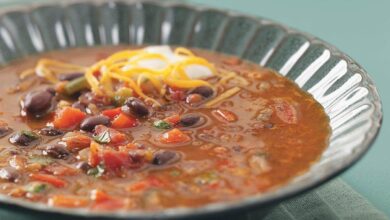
- Mexican Vegetable Rice Casserole:This casserole showcases the vibrant flavors of Mexican cuisine, featuring ingredients like corn, black beans, bell peppers, and onions. The use of spices like cumin, chili powder, and paprika, combined with a touch of lime juice, creates a spicy and tangy flavor profile.
- Asian-Inspired Vegetable Rice Casserole:This casserole incorporates Asian flavors and ingredients, using vegetables like broccoli, carrots, snap peas, and mushrooms. The addition of soy sauce, ginger, and garlic, along with a touch of sesame oil, delivers a unique umami flavor.
Table of Vegetable Rice Casserole Variations
| Vegetable Combination | Cooking Method | Flavor Profile | Serving Suggestions |
|---|---|---|---|
| Carrots, peas, corn, green beans | Baked in a casserole dish | Creamy, savory, comfort food | Serve with a side of salad or roasted chicken |
| Tomatoes, bell peppers, onions, zucchini, olives | Baked in a casserole dish | Mediterranean, herby, flavorful | Serve with a side of pita bread or couscous |
| Corn, black beans, bell peppers, onions | Baked in a casserole dish | Spicy, tangy, Mexican-inspired | Serve with a side of salsa and sour cream |
| Broccoli, carrots, snap peas, mushrooms | Baked in a casserole dish | Umami, savory, Asian-inspired | Serve with a side of stir-fried vegetables or chicken |
Recipe Variations
The beauty of vegetable rice casserole lies in its adaptability. You can customize it to your liking by incorporating various vegetables, herbs, and spices, making it a versatile dish that suits different tastes and dietary needs.
Vegetable Substitutions
Vegetable substitutions are a great way to experiment with different flavors and textures. Consider these common replacements and their impact on your casserole:
- Broccolican be swapped for cauliflower, offering a similar texture and mild flavor.
- Green beanscan be replaced with asparagus, adding a slightly more delicate flavor and a contrasting crunch.
- Carrotscan be substituted with parsnips, adding a sweeter and earthier flavor.
- Mushroomscan be swapped for portobellos, bringing a richer and more umami flavor to the dish.
- Peascan be replaced with edamame, adding a slightly nutty and savory flavor.
Cooking Techniques
A vegetable rice casserole is a dish that offers flexibility in terms of cooking methods. You can choose the approach that best suits your preferences and available equipment. Whether you prefer the convenience of the oven, the control of the stovetop, or the slow and gentle cooking of a slow cooker, there’s a technique for every kitchen.
Oven Baking
Oven baking is the most common method for preparing vegetable rice casserole. It allows for even cooking and creates a crispy, golden-brown top.
A vegetable rice casserole is a hearty and healthy meal that can be easily customized with your favorite ingredients. But while you’re prepping those veggies and rice, you might be wondering how to improve your overall fitness. That’s where understanding VO2 max comes in.
Learn more about what VO2 max is and how to improve it and you’ll be able to power through those casserole prep sessions with more energy and endurance. Once your casserole is baking, you can hit the gym or go for a run, knowing you’re taking steps to improve your overall health and well-being!
- Preheat the oven:Set your oven to the recommended temperature, typically between 350°F (175°C) and 375°F (190°C).
- Grease the baking dish:Lightly grease a 9×13 inch baking dish with butter or cooking spray to prevent sticking.
- Layer the ingredients:Start by spreading a layer of cooked rice in the baking dish. Next, arrange the vegetables in a single layer, followed by the cheese and any additional seasonings.
- Bake until golden brown:Bake the casserole for approximately 30-40 minutes, or until the rice is cooked through and the cheese is melted and bubbly.
- Let it rest:Allow the casserole to rest for 10-15 minutes before serving to allow the flavors to meld and the cheese to set.
Stovetop Preparation
For a quicker approach, you can prepare a vegetable rice casserole on the stovetop. This method is ideal for those who prefer a more hands-on experience.
- Sauté the vegetables:In a large skillet or pot, sauté the vegetables in olive oil or butter until tender-crisp.
- Combine with rice and seasonings:Add the cooked rice, broth, and seasonings to the skillet and stir to combine.
- Simmer until heated through:Simmer the mixture over low heat for 5-10 minutes, or until the rice is heated through and the flavors have melded.
- Transfer to a serving dish:Transfer the casserole to a serving dish and sprinkle with cheese before serving.
Slow-Cooking Variations
Slow cookers offer a convenient and hands-off approach to preparing a vegetable rice casserole. This method is perfect for busy weeknights or when you want to let the flavors develop slowly.
- Combine the ingredients:In a slow cooker, combine the cooked rice, vegetables, broth, and seasonings.
- Cook on low:Cook the casserole on low heat for 4-6 hours, or on high heat for 2-3 hours, until the rice is cooked through and the flavors have melded.
- Stir in cheese:During the last 30 minutes of cooking, stir in the cheese until melted and bubbly.
Health Benefits
Vegetable rice casseroles offer a delightful and nutritious way to enjoy a comforting meal. Packed with essential vitamins, minerals, and fiber, these casseroles provide numerous health benefits that contribute to overall well-being.
Nutritional Value, Vegetable rice casserole
Vegetable rice casseroles are a powerhouse of nutrients, providing a wide range of vitamins, minerals, and fiber. The vegetables contribute essential vitamins and minerals, including vitamin A, vitamin C, vitamin K, folate, potassium, and magnesium. Rice provides carbohydrates for energy, while the addition of protein sources like beans, lentils, or cheese further enhances the nutritional profile.
The fiber content in vegetables and rice promotes digestive health and helps regulate blood sugar levels.
Health Benefits of Regular Consumption
Regular consumption of vegetable rice casseroles can have a positive impact on health.
- Improved Digestive Health:The high fiber content in vegetables and rice promotes regular bowel movements and helps prevent constipation. Fiber also aids in the growth of beneficial bacteria in the gut, contributing to a healthy digestive system.
- Reduced Risk of Chronic Diseases:The abundance of vitamins, minerals, and antioxidants in vegetable rice casseroles can help reduce the risk of chronic diseases such as heart disease, stroke, type 2 diabetes, and certain types of cancer.
- Weight Management:Vegetable rice casseroles are generally low in calories and high in fiber, making them a satisfying and filling meal option for weight management. The fiber content helps promote satiety, reducing cravings and overeating.
- Enhanced Immune Function:The vitamins and minerals in vegetable rice casseroles support a strong immune system. Vitamin C is an important antioxidant that helps protect against infections, while vitamin A plays a role in maintaining healthy skin and mucous membranes, which act as barriers against pathogens.
Incorporating Vegetable Rice Casseroles into a Balanced Diet
Vegetable rice casseroles can easily be incorporated into a balanced diet.
- Meal Planning:Plan vegetable rice casseroles as a main course for dinner or lunch a few times a week.
- Variety:Experiment with different vegetables and protein sources to create diverse and flavorful casseroles.
- Portion Control:Pay attention to portion sizes to ensure you’re consuming a balanced amount of calories and nutrients.
- Pairing:Serve vegetable rice casseroles with a side salad or a light soup for a complete and nutritious meal.
Last Word
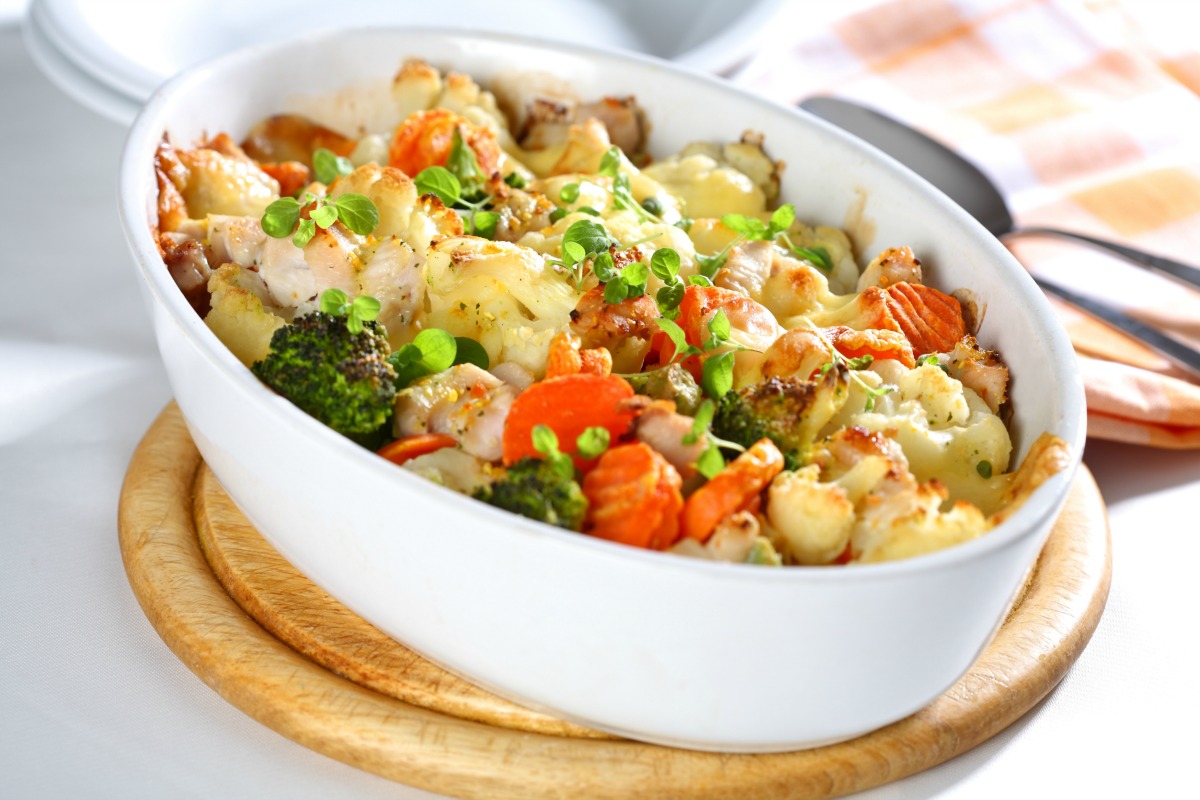
Whether you’re a seasoned cook or a beginner in the kitchen, vegetable rice casserole is a dish that everyone can enjoy. It’s a blank canvas for creativity, allowing you to experiment with different flavors and textures. So next time you’re looking for a delicious and satisfying meal, consider whipping up a vegetable rice casserole.
You won’t be disappointed.