The Complete Guide to Post-Braces Care: What Happens After the Orthodontist Removes Your Braces


The day braces finally come off is a monumental milestone for millions of orthodontic patients worldwide. After months or often years of regular adjustments, dietary restrictions, and meticulous cleaning routines, patients finally get to see the culmination of their orthodontic journey. However, dental professionals and industry associations emphasize that the removal of brackets and wires does not mark the end of the alignment process. Instead, it transitions the patient into a critical new phase: retention and long-term stabilization. Understanding what to expect during this transition is vital for preserving the investment of time, money, and physical discomfort that modern orthodontic treatment requires.
The timeline of an orthodontic journey begins with the initial consultation, diagnostic imaging, and the placement of fixed appliances. According to data from the American Association of Orthodontists (AAO), the average duration of comprehensive treatment with traditional braces ranges from 18 to 24 months, though complex malocclusions can extend this period significantly. Throughout this active phase, constant, controlled pressure remodels the alveolar bone surrounding the teeth, allowing them to shift into their desired, functional positions. When treatment goals are met, the patient enters the debanding phase—the clinical term for the removal of braces.
The Debanding Procedure: What Actually Happens in the Chair
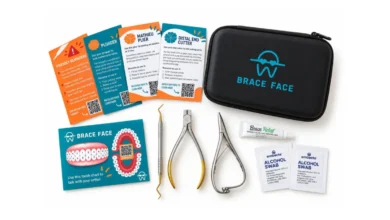
The appointment to remove braces is typically straightforward, though the clinical precision required is high. Orthodontists use specialized, high-precision instruments to squeeze the base of each stainless steel or ceramic bracket, breaking the bond between the adhesive and the enamel. Patients frequently report hearing and feeling distinct, albeit harmless, clicking or snapping sounds as the mechanical bond releases.
Once the brackets, archwires, and elastic bands are cleared, the orthodontist or dental assistant must remove the residual composite resin used to glue the brackets to the teeth. This is accomplished using specialized dental burs and polishers designed to strip away the bonding material without compromising the underlying tooth enamel. After polishing, the teeth will feel remarkably smooth—sometimes jarringly so for a patient accustomed to the rough texture of fixed hardware.
The debanding appointment also serves as a comprehensive evaluation session. Clinicians take final records, which may include digital intraoral scans, panoramic or cephalometric X-rays, and clinical photographs. These records serve as a baseline comparison against the initial diagnostic data, ensuring that the bite (occlusion) meets functional standards and that the aesthetic alignment matches the original treatment plan. Finally, the orthodontist maps out the retention phase, determining the most appropriate type of retainer for the patient’s specific anatomical needs.
Immediate Sensations: Pain, Sensitivity, and Physical Adjustments
A common question among patients is whether the removal process hurts. Professionally speaking, debanding is generally a comfortable procedure, ranking far lower on the discomfort scale than routine tightening adjustments. Patients may experience fleeting sensations of pressure, tugging, or vibration as the brackets are debonded and the remaining adhesive is polished away. These sensations are localized and subside within seconds.
However, the days immediately following the removal introduce a different set of physical adjustments. Because the teeth and gingival tissues (gums) have been under sustained pressure, minor sensitivity is entirely normal. Patients often notice localized tenderness when consuming hot, cold, or sweet foods. Furthermore, the gums may exhibit mild inflammation, particularly if they were slightly overgrown or irritated around the brackets during the active treatment phase.
Another widely reported phenomenon is the sensation of tooth mobility. When braces are removed, teeth can sometimes feel slightly loose. According to clinical explanations from orthodontic specialists, this occurs because the alveolar bone and periodontal ligament fibers require time to fully reorganize and calcify around the roots in their new positions. While mild mobility diminishes as the teeth settle, patients experiencing severe pain or excessive looseness are advised to contact their clinician immediately to rule out premature occlusal trauma.
Dietary Freedoms and Reintroducing Hard Foods
One of the most anticipated aspects of getting braces off is the immediate return to unrestricted eating. For years, patients must meticulously avoid sticky candies, hard crusts, whole apples, and crunchy snacks like popcorn to prevent bending wires or popping off brackets. Upon removal, the psychological relief of eating these foods is substantial.
Nevertheless, dental experts recommend a measured approach. Because teeth and supporting periodontal tissues are temporarily sensitive following debanding, immediately diving into extremely hard, crunchy, or chewy foods can cause unnecessary discomfort. Orthodontists generally advise easing back into a normal diet over the course of a few days. Furthermore, for patients prescribed removable retainers, a strict dietary rule applies: retainers must be removed prior to consuming any food or sugary beverage to prevent warping, staining, or bacterial accumulation.
The Indispensable Role of Retainers
If braces represent the construction phase of a straight smile, retainers represent the foundation that keeps the structure from collapsing. Teeth possess a natural biological memory and a lifelong tendency to drift back toward their original positions—a process known in the dental community as orthodontic relapse. Without adequate retention, even the most meticulously aligned teeth will begin to shift within weeks or months of debanding.
Orthodontists categorize retainers into several primary types, tailored to the patient’s age, oral hygiene habits, and specific alignment stability:
- Removable Clear Aligners (Vacuum-formed): Made from thin, medical-grade transparent plastic, these retainers fit snugly over the entire dental arch. They are aesthetically discreet and popular among adults and teens alike.
- Hawley Retainers: Consisting of a durable acrylic base plate that fits against the roof of the mouth or along the lingual side of the lower teeth, combined with a stainless steel wire that wraps around the front teeth. These are highly adjustable and exceptionally durable.
- Fixed (Lingual) Retainers: A customized braided wire bonded directly to the back (lingual) surfaces of the front teeth, typically from canine to canine. Because it is permanently attached, it eliminates compliance issues, though it requires specialized flossing techniques to maintain gum health.
Chronology of Retention: How Long Must Retainers Be Worn?
The wear schedule for retainers evolves through distinct chronological phases designed to counteract the body’s natural tissue rebound. Immediately following the removal of braces—typically during the first four to six months—orthodontists generally recommend full-time retainer wear. This means the appliance remains in the mouth 24 hours a day, removed only during meals, brushing, and flossing. This strict protocol allows the periodontal ligament fibers and surrounding bone matrix sufficient time to stabilize around the newly positioned tooth roots.
As months pass and clinical evaluations confirm stability, the orthodontist will typically transition the patient to a nighttime-only wear schedule. In contemporary orthodontic practice, long-term or lifelong nightly retention is increasingly viewed as the gold standard. Because the human face, jawbone, and dental arches continue to undergo subtle, age-related changes throughout adulthood, intermittent or indefinite retainer wear is the only scientifically proven method to guarantee lifelong alignment stability.
Managing Orthodontic Relapse and Compliance Challenges
Despite clear instructions, non-compliance with retainer wear remains a pervasive issue. When patients neglect their retainers for weeks or months, the teeth inevitably shift. Attempting to force a tight or poorly fitting retainer onto shifted teeth can damage the enamel, warp the appliance, or cause root resorption.
If a retainer becomes uncomfortably tight, cracks, warps, or gets lost, patients must contact their orthodontist immediately rather than attempting self-correction. Modern digital orthodontics allow practices to recreate lost retainers quickly using previously stored digital intraoral scans, mitigating the risk of significant relapse.
Post-Braces Oral Hygiene and Follow-Up Protocols
Maintaining pristine oral hygiene becomes even more critical after braces are removed. Without brackets and wires trapping food debris, brushing and flossing are vastly simplified, but the absence of hardware also exposes the true condition of the enamel. Post-debanding care protocols emphasize the use of fluoride toothpastes to remineralize any microscopic areas of enamel weakness, as well as regular professional dental cleanings every six months.
Furthermore, follow-up appointments with the orthodontist play a protective role in the post-treatment timeline. Most orthodontic practices schedule a series of brief check-ups—typically at one month, six months, and one year post-removal—to monitor retainer fit, assess bite stability, and ensure the periodontal tissues are responding favorably.
Ultimately, transitioning out of braces is a collaborative partnership between the patient and the orthodontic team. By adhering to recommended retainer schedules, attending routine follow-up examinations, and maintaining rigorous oral hygiene habits, patients ensure that their newly straightened smile remains healthy, functional, and aesthetically pleasing for a lifetime.