
The Total Body Warmup For Busy People
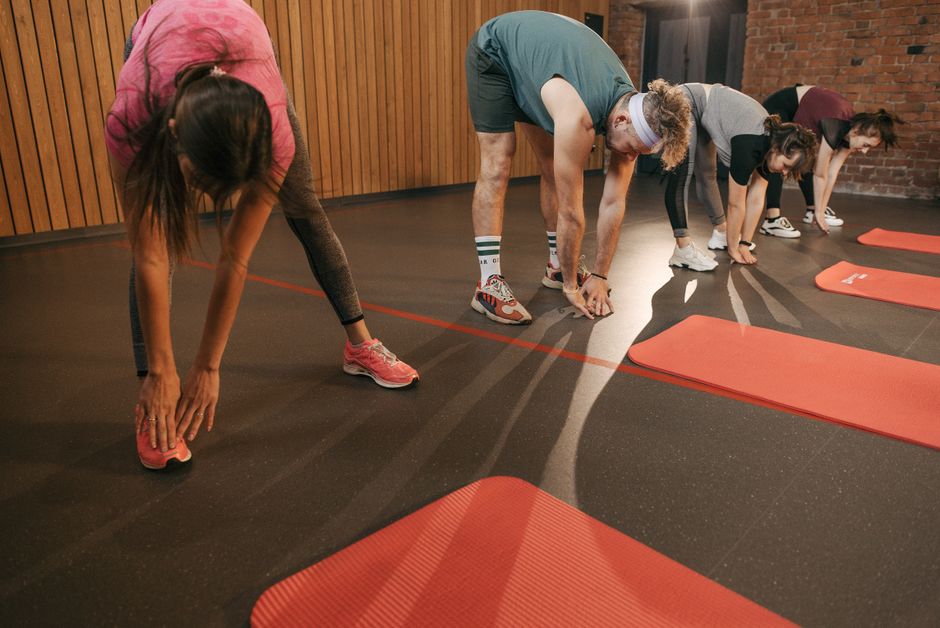
The 5-Minute Full Body Warmup for Busy People: Maximize Your Workout, Minimize Your Time
This comprehensive guide outlines a highly efficient, time-saving full-body warmup designed for individuals with demanding schedules. It prioritizes compound movements and dynamic stretches to elevate heart rate, increase blood flow, activate key muscle groups, and improve joint mobility, all within a minimal time commitment. The objective is to prepare the body for a subsequent workout, reducing the risk of injury and enhancing performance. This routine focuses on engaging the major joints and muscle chains in a functional manner, ensuring a robust physiological and neurological preparation.
The fundamental principle behind this expedited warmup is the selection of exercises that provide the greatest return on investment in terms of physiological preparation for a broad range of physical activities. Unlike lengthy, static stretching routines, this approach emphasizes dynamic movements that mimic the patterns of exercise. This means instead of holding a stretch, you’ll be moving through a range of motion, actively preparing your muscles and joints for exertion. The goal isn’t to achieve extreme flexibility in five minutes, but rather to prime your body for movement safely and effectively. We’ll move through a series of activations that touch upon the upper body, lower body, and core, ensuring no major area is neglected. Consistency is paramount; performing this brief but potent warmup before every training session, regardless of its intensity, will yield significant benefits.
The warmup begins with a cardiovascular component, essential for elevating core body temperature and initiating an increase in heart rate. This doesn’t necessitate a dedicated cardio session. Instead, we’ll integrate dynamic movements that simultaneously serve as cardio and muscle activation. Start with Jumping Jacks or High Knees performed for 30 seconds. These are excellent for quickly raising your heart rate and engaging the entire body, particularly the legs and shoulders. The repetitive nature of these movements also helps to lubricate the joints and improve proprioception, your body’s awareness of its position in space. For individuals with joint sensitivities, Skaters (alternating side lunges with a hop) can serve as a lower-impact but equally effective alternative, still promoting cardiovascular engagement and lateral hip mobility. The key here is to generate a palpable increase in breathing rate and a mild sensation of warmth throughout the body.
Following the brief cardiovascular burst, we transition to dynamic stretching and activation of the lower body. The Bodyweight Squat is an indispensable movement. Perform 10-12 repetitions, focusing on proper form: feet shoulder-width apart, chest up, and driving hips back and down as if sitting into a chair. Ensure your knees track over your toes. This movement activates the quadriceps, hamstrings, glutes, and core, while also improving hip and ankle mobility. Next, incorporate Walking Lunges for 8-10 repetitions per leg. Step forward into a lunge, ensuring your front knee stays over your ankle and your back knee hovers just above the ground. This exercise targets the quadriceps, hamstrings, and glutes, and also enhances balance and coordination. Pay attention to maintaining an upright torso and a controlled descent.
Moving upwards, we address the posterior chain and hip flexors with Glute Bridges. Lie on your back with knees bent and feet flat on the floor. Lift your hips towards the ceiling, squeezing your glutes at the top, and hold for a second before slowly lowering. Perform 12-15 repetitions. This activation is crucial for engaging the glutes, which are often underutilized in modern lifestyles, and also helps to counteract the effects of prolonged sitting. Following this, perform Leg Swings (forward and backward) for 10-12 repetitions per leg, and then Lateral Leg Swings for 10-12 repetitions per leg. These dynamic stretches open up the hips, improve mobility in the hip flexors, hamstrings, and adductors, and prepare the hip joint for a wider range of movement. Focus on a controlled swing, not momentum.
For the upper body and core, we will integrate a series of functional movements. Begin with Arm Circles – 10 forward and 10 backward, with both small and large circles. This lubricates the shoulder joints and activates the rotator cuff muscles. Follow this with Cat-Cow Pose for 5-8 repetitions. Starting on your hands and knees, inhale as you drop your belly and arch your back, looking up (Cow), and exhale as you round your spine and tuck your chin (Cat). This movement mobilizes the thoracic spine and improves core awareness. Next, perform Thoracic Rotations on hands and knees. Place one hand behind your head, and as you exhale, rotate your torso to bring your elbow towards your opposite wrist, then open your chest towards the ceiling. Perform 8-10 repetitions per side. This is vital for improving upper back mobility, which is often restricted.
To further activate the shoulders and core, perform Push-up Variations. If regular push-ups are too challenging, perform them on your knees or against a wall. Aim for 8-10 repetitions, focusing on a full range of motion and engaging your core to maintain a straight line from head to heels. If regular push-ups are manageable, consider Plank Shoulder Taps for 30 seconds. From a high plank position, tap your opposite shoulder with your hand, keeping your hips as stable as possible. This challenges core stability and shoulder endurance. Finally, for a dynamic stretch that prepares the entire posterior chain and promotes spinal mobility, perform Inchworms. Start in a standing position, bend at the hips, place your hands on the floor, and walk your hands out to a high plank. Then, walk your feet towards your hands, keeping your legs as straight as possible, and stand up. Repeat 5-6 times.
The importance of this warm-up lies in its ability to prepare the nervous system for exercise. By engaging in dynamic movements that require coordination and muscle activation, you are essentially "waking up" the neural pathways responsible for movement. This leads to improved muscle recruitment, allowing you to generate more force and move with greater efficiency and control during your workout. Furthermore, a proper warm-up increases synovial fluid production within the joints, which acts as a lubricant, reducing friction and improving the smooth gliding of articular surfaces. This protective mechanism is crucial for preventing micro-traumas that can accumulate over time and lead to more significant injuries. The elevated heart rate also ensures that muscles receive an increased supply of oxygenated blood, which is vital for energy production and waste removal during physical activity.
Considering the time constraints faced by many, this 5-minute routine offers a significant advantage. It’s easily incorporated into any pre-workout regimen, fitting even into the most packed schedules. The key is to approach it with intent and focus, ensuring each movement is performed with proper form and control. Avoid rushing through the exercises; quality over quantity is always the guiding principle. The exercises selected are compound movements, meaning they engage multiple muscle groups simultaneously, maximizing the efficiency of the warmup. For instance, a squat works the quads, hamstrings, glutes, and core, all in one fluid motion. Similarly, push-ups engage the chest, shoulders, triceps, and core. This multi-joint, multi-muscle engagement is what makes this routine so time-effective.
For SEO purposes, it’s crucial to emphasize keywords that busy individuals would likely search for when looking for quick and effective fitness solutions. Terms like "quick workout warmup," "5-minute full body warmup," "dynamic warm-up routine," "busy person exercise," and "injury prevention exercises" are highly relevant. The article’s structure, with a clear title and direct dive into the content, also aids in discoverability. Each exercise is described with its benefits and target muscle groups, providing valuable information for users seeking to understand the "why" behind each movement. This detailed explanation, coupled with the focus on practicality and efficiency, makes the article a valuable resource.
To further enhance the adaptability and effectiveness of this warmup, consider minor modifications based on your planned workout. If your session is heavily focused on lower body strength, you might spend an additional 30 seconds on leg swings or add a few extra squat repetitions. Conversely, for an upper body-focused workout, you could extend the shoulder circles or add a few more push-up variations. The core principles of elevating heart rate, activating major muscle groups, and improving joint mobility remain constant, regardless of the specific exercises chosen. The goal is always to achieve a state of readiness, ensuring your body is prepared to meet the demands of your training session without compromise.
The mental preparation aspect of a warmup should not be overlooked, even in a time-constrained scenario. By dedicating these few minutes to deliberate movement, you are signaling to your brain that it’s time to focus and engage. This transition from daily life to workout mode is crucial for maximizing the benefits of your training session. It helps to improve concentration, reduce mental fatigue, and increase your overall engagement with the physical activity ahead. This mindful approach to your warmup can significantly impact your performance and adherence to your fitness goals. Remember, consistency is the most powerful tool in your fitness arsenal. Making this 5-minute warmup a non-negotiable part of your routine will yield substantial long-term benefits.
In conclusion, this 5-minute full-body warmup is meticulously designed to provide maximum physiological and neurological preparation for individuals with limited time. By prioritizing dynamic movements that engage multiple muscle groups and joints, it effectively elevates heart rate, increases blood flow, improves mobility, and primes the nervous system for optimal performance. Its efficiency makes it an indispensable tool for busy people seeking to maximize their workouts and minimize their risk of injury. Implementing this routine consistently will pave the way for safer, more effective, and more enjoyable training sessions, ultimately contributing to sustained fitness progress and overall well-being. The search for effective and time-efficient fitness solutions ends here with a proven, actionable warmup.
