The Ultimate Guide to Life After Braces: What to Expect When Your Orthodontic Treatment Finally Ends


For millions of adolescents and adults worldwide, the day braces are finally removed marks the culmination of months or even years of physical adjustments, dietary restrictions, and meticulous oral hygiene routines. According to data from the American Association of Orthodontists (AAO), orthodontic patients invest an average of one to three years wearing fixed multi-bracket appliances to correct malocclusions, overcrowding, and bite discrepancies. When that final appointment arrives, patients naturally anticipate the immediate reveal of a straight, transformed smile. However, dental professionals emphasize that the removal of brackets and wires is merely a transition point rather than the conclusion of the orthodontic journey. Understanding the clinical realities of the post-braces phase is essential for preserving the financial and physical investment patients make in their dental health.
The Clinical Removal Procedure: What Happens When Braces Come Off
The process of debonding—the clinical term for removing braces—is a meticulous procedure performed by trained orthodontic specialists. Using specialized dental instruments designed to apply targeted mechanical force, the orthodontist gently squeezes each individual bracket to break the adhesive bond holding it to the enamel. Patients typically hear and feel a series of distinct clicks or pops as the brackets release from the tooth surfaces. Following the removal of brackets, archwires, and elastic or metal bands, the clinical team must address the residual composite resin left behind on the teeth.
Using specialized polishing burs and instruments, clinicians meticulously polish the enamel surfaces to remove all traces of bonding adhesive. This step restores the natural texture and smooth finish of the teeth. Once the teeth are completely clean, the orthodontist conducts a comprehensive evaluation of the static occlusion (how the teeth fit together when the jaws are closed) and functional bite to ensure that all treatment objectives outlined in the initial diagnosis have been successfully achieved. Depending on the specific case requirements, this final evaluation appointment may also incorporate diagnostic records, including digital intraoral scans, panoramic or cephalometric radiographs, and clinical photographs. The appointment concludes with a detailed consultation regarding retention devices, outlining which type of retainer will be utilized and establishing a personalized wear schedule.
Immediate Sensations: Pain, Pressure, and Physiological Adjustments
A common concern among patients preparing for debonding is whether the removal process will cause physical pain. Clinical consensus indicates that debonding is generally not painful, though patients frequently report experiencing momentary sensations of pressure, squeezing, or brief pulling as individual brackets are fractured away from the tooth enamel. Similarly, the mechanical polishing required to clear away residual adhesive generates noticeable vibrations and mild pressure against the teeth. These sensations are transient, typically lasting only a few seconds per tooth, and render the overall removal process significantly more comfortable than the initial placement of the braces.
Once the hardware is completely removed, patients often experience an immediate sensory shock. Teeth and gums may exhibit temporary sensitivity, particularly if the periodontal ligaments were subjected to recent adjustments or if gingival tissues experienced inflammation or hypertrophy during treatment. Furthermore, the tactile sensation of the tongue and lips encountering completely smooth, bare enamel surfaces—often after years of navigating metallic brackets and wires—frequently feels unusual. Mild thermal sensitivity to hot, cold, or sweet foods is also common in the days immediately following debonding. Orthodontists note that these symptoms generally resolve spontaneously within a week as the oral cavity adapts to its new baseline environment.
The Biological Reality: Why Retainers Are Non-Negotiable
Perhaps the most critical phase of orthodontic care begins the moment the braces come off. Teeth are not rigidly fixed in the jawbone; rather, they are suspended within the alveolar bone by a network of elastic periodontal ligament fibers that act like microscopic rubber bands. Throughout active orthodontic treatment, these fibers stretch and reorganize to accommodate the new positions of the teeth. Once the mechanical forces of the braces are removed, these periodontal fibers naturally attempt to pull the teeth back toward their original, pre-treatment positions—a phenomenon known in the dental industry as orthodontic relapse.
To counteract this natural biological tendency, orthodontists rely on custom-fabricated retainers. Clinical guidelines established by dental associations mandate consistent retainer wear to stabilize the newly aligned dentition while the surrounding alveolar bone remodels and hardens around the roots of the teeth. Retainers generally fall into three primary categories:
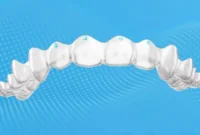
- Removable Clear Plastic Retainers: Fabricated from transparent medical-grade thermoplastic materials using digital scans or plaster models, these appliances fit snugly over the entire dental arch, offering a discreet aesthetic appearance.
- Traditional Hawley Retainers: Constructed from a durable acrylic baseplate that rests against the roof of the mouth or the lingual floor, combined with a labial wire bow that wraps around the front teeth, allowing for minor adjustments if necessary.
- Fixed Permanent Retainers: Consisting of a solid or braided stainless-steel wire bonded directly to the tongue-side (lingual surface) of the front teeth, providing continuous, unremovable retention without requiring patient compliance.
During the initial post-treatment phase—typically lasting anywhere from several months to a year—orthodontists generally prescribe full-time retainer wear, requiring patients to keep the appliances in place 22 hours a day, removing them only for meals, brushing, and flossing. As the bone and periodontal tissues fully stabilize, clinicians frequently transition patients to a nighttime-only wear schedule. However, because natural physiological shifting can occur due to aging, continuous jaw growth, and everyday masticatory forces, long-term or lifelong intermittent retainer wear is universally recommended to protect the integrity of the orthodontic result.
Dietary Transitions and Nutritional Adjustments
With the removal of dietary restrictions that prohibited hard, crunchy, or sticky foods like popcorn, whole apples, caramel, and hard candies, patients often feel eager to return to unrestricted eating habits. However, dental professionals advise a measured, gradual approach to reintroducing these foods. Because teeth and periodontal tissues may remain mildly tender or sensitive for the first few days following debonding, biting into excessively hard or crunchy items can induce discomfort. Easing back into normal dietary habits allows the dentition adequate time to adjust to normal functional loads without unnecessary stress. For patients utilizing removable retainers, the golden rule of nutrition remains strict: retainers must always be removed prior to consuming food or beverages (other than plain water) to prevent structural damage, staining, and bacterial accumulation.
Enhanced Oral Hygiene and Long-Term Dental Maintenance
The successful completion of orthodontic treatment represents a major milestone, but it also elevates the importance of rigorous home dental care. While brackets and wires create physical traps that complicate brushing and flossing, the removal of fixed appliances allows for significantly easier access to all tooth surfaces. Nevertheless, patients must remain vigilant against plaque accumulation, gingivitis, and dental caries. Maintaining a daily routine of brushing twice with a fluoride toothpaste, flossing daily—particularly around bonded permanent retainers—and utilizing antiseptic mouth rinses is vital for preserving both dental alignment and overall periodontal health.
Furthermore, maintaining regular semi-annual dental checkups and professional cleanings allows general dentists and orthodontists to monitor the condition of both the teeth and the retention appliances. Orthodontists frequently schedule a series of short follow-up appointments over the first year post-debonding to evaluate bite stability, check the structural integrity of retainers, and catch any early signs of tooth movement before relapse becomes pronounced.
When to Contact Your Orthodontist
While the transition out of braces is generally straightforward, patients should remain aware of specific warning signs that necessitate professional intervention. Orthodontists urge individuals to schedule an evaluation immediately if they experience any of the following scenarios:
- A removable retainer cracks, warps, or no longer fits comfortably against the teeth.
- A fixed permanent retainer detaches from even a single tooth, which can allow rapid, localized shifting of the unbonded teeth.
- Teeth begin to exhibit excessive mobility, persistent throbbing pain, or unexpected bite misalignments.
- New spaces open up between teeth, or crowding begins to recur despite adherence to the prescribed retainer schedule.
Attempting to force an ill-fitting retainer into place can cause structural trauma to the teeth and periodontal tissues. Professional adjustment or complete replacement by an orthodontic specialist is always the safest and most effective course of action.
Sustaining Your Investment Through Patience and Compliance
Ultimately, achieving a beautifully aligned smile through orthodontic treatment is a collaborative effort between the patient and the clinical team. While the removal of braces represents the end of active intervention, long-term success relies heavily on patient compliance with retainer wear schedules and ongoing dental hygiene maintenance. By respecting the biological forces governing tooth stability, attending scheduled follow-up evaluations, and maintaining open communication with qualified dental professionals, patients can ensure that the aesthetic and functional benefits of their orthodontic treatment endure for a lifetime.