AlignerOff launches innovative retractable removal tool to enhance orthodontic patient compliance and hygiene


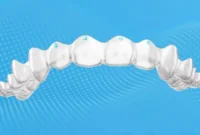
The landscape of modern orthodontics has undergone a seismic shift over the past decade, moving away from traditional metal braces toward the convenience and aesthetic appeal of clear aligner therapy. However, as the popularity of this treatment modality has surged, so too have the daily frustrations reported by patients—specifically regarding the mechanical difficulty of removing tight-fitting aligner trays. Addressing this long-standing clinical hurdle, AlignerOff LLC has officially announced the launch of the AlignerOff Retractable Aligner Removal Tool, a specialized accessory designed to streamline the tray removal process while upholding high standards of oral hygiene.
The introduction of this device marks a significant development in patient care, as it tackles the "friction points" that often lead to patient non-compliance. By providing a safer, more sanitary alternative to the common practice of using fingernails or fingers to pry trays off the teeth, the tool seeks to minimize damage to both the aligners and the user’s dental health.
The Clinical Genesis of the AlignerOff Tool
The development of the AlignerOff tool was not a mere consumer-product exercise; it was born from two decades of direct clinical observation. Inma Steffe, a Registered Dental Hygienist (RDH) with a Master of Science and over 20 years of experience in clinical and educational settings, recognized that a significant percentage of her patients struggled with the manual dexterity required to remove aligners properly.
In clinical practice, the transition period—where patients move from one set of aligners to the next—is often accompanied by discomfort. As trays are designed to exert constant, firm pressure on the teeth to facilitate movement, they are inherently "tight" by design. Patients with limited dexterity, those who keep their fingernails manicured, or individuals with dental attachments (small composite "buttons" bonded to the teeth to aid movement) often find the process painful or physically taxing. Steffe’s design specifically targets the posterior edge of the aligner, providing the necessary leverage to disengage the tray from the attachments without causing undue stress to the gingival tissues or the fingers.
Design Functionality and Ergonomic Innovation
The AlignerOff device distinguishes itself from existing, static "hook" tools on the market through its retractable mechanism. While various plastic hooks have been available for years, many patients report that they are difficult to store hygienically. Leaving a tool exposed in a bathroom or a handbag can lead to the accumulation of bacteria, which then risks being introduced into the oral cavity.
The AlignerOff tool features a high-grade, retractable hook that remains protected within the device’s housing when not in use. This "retract-to-store" functionality makes the device highly portable, fitting easily into pockets, purses, or standard orthodontic care kits. Constructed from food-grade ABS (Acrylonitrile Butadiene Styrene) material, the tool is designed to be durable, easy to clean, and safe for regular contact with dental appliances. The device is currently offered in blue and black, with a lavender variant scheduled for release, catering to the growing consumer demand for personalized orthodontic accessories.
Contextualizing the Clear Aligner Market Growth
To understand the necessity of such an accessory, one must look at the broader context of the orthodontic industry. According to market research reports, the global clear aligner market was valued at several billion dollars in recent years and is projected to maintain a compound annual growth rate (CAGR) in the double digits through 2030.
As the demographic of aligner wearers expands—moving beyond teenagers to include working professionals, older adults, and those with more complex malocclusions—the demand for "lifestyle-friendly" dental care has spiked. The clinical expectation for clear aligners is typically 20 to 22 hours of wear per day. Every minute spent struggling to remove the trays for a meal or a coffee break constitutes a potential barrier to achieving that wear-time threshold. If a patient finds the removal process painful or cumbersome, they are statistically more likely to leave the trays in longer than necessary or skip a wear cycle entirely, both of which can lead to treatment delays or poor clinical outcomes.
Impact on Patient Compliance and Hygiene
Patient compliance is the single most critical factor in the success of clear aligner treatment. Practitioners frequently note that when a treatment plan fails, it is rarely due to the aligner material itself, but rather the patient’s failure to adhere to the prescribed wear schedule.
The AlignerOff tool addresses two primary barriers to this compliance:
- Hygiene: By eliminating the need to insert fingers into the mouth, the tool reduces the risk of introducing pathogens into the oral cavity. Furthermore, it prevents the wear-and-tear on fingernails that often leads to breakage or trauma to the nail bed, a frequent complaint among patients with long manicures.
- Ease of Use: For patients with limited dexterity—such as those with arthritis, carpal tunnel syndrome, or general physical impairment—removing a tight tray can be an insurmountable task. The leverage provided by the AlignerOff hook allows for a controlled, gentle removal that requires significantly less manual force.
Furthermore, the tool is versatile enough to assist with the removal of orthodontic elastics, which are often used in tandem with aligners to correct bite alignment. This multi-functionality streamlines the patient’s "orthodontic routine," making the process of removing appliances for cleaning or eating feel like a minor, effortless task rather than a significant hurdle.
Intellectual Property and Strategic Availability
The product is backed by robust intellectual property, with US Design Patent No. D1,054,561 S already granted and additional utility patents currently pending. This legal protection highlights the unique nature of the retractable design in a crowded space of simple, non-retractable plastic hooks.
Currently, the device is available for direct-to-consumer purchase via the AlignerOff website. However, the company has also positioned itself to work directly with dental and orthodontic practices. By integrating these tools into the "start kits" provided to patients on the day they receive their first set of aligners, clinicians can proactively solve a common patient complaint before it even arises. This approach not only improves patient satisfaction scores but also potentially reduces the number of emergency calls or office visits related to patients being unable to remove their trays.
Future Implications for Orthodontic Practices
Looking ahead, the inclusion of such tools in the standard of care reflects a broader shift toward patient-centered dentistry. As orthodontic treatment becomes more digitized, the emphasis on the "patient experience" has become a competitive differentiator for practices.
From a clinical perspective, the AlignerOff tool represents a low-cost, high-impact intervention. By reducing the physical and psychological friction associated with aligner therapy, practitioners may find that patients report higher levels of satisfaction and, consequently, higher levels of compliance. As the industry continues to evolve, innovations like the AlignerOff tool serve as a reminder that even minor advancements in physical, tangible accessories can have profound impacts on the long-term success of complex medical treatments.
In summary, the launch of the AlignerOff Retractable Aligner Removal Tool is a direct response to the real-world challenges faced by the millions of individuals currently undergoing orthodontic correction. By combining clinical insight with practical design, the company has provided a solution that bridges the gap between medical necessity and the everyday convenience expected by modern patients. As the tool enters the market, its adoption will likely serve as a case study in how simple, well-designed accessories can significantly optimize the patient-provider relationship and improve the overall efficiency of clear aligner therapy.