
Cauliflower Mac N Cheese
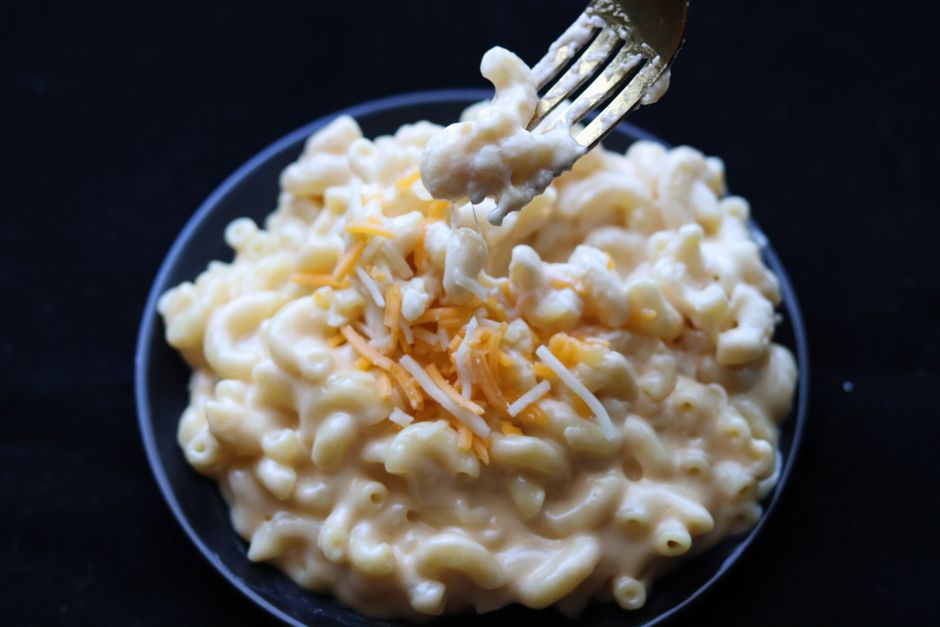
The Ultimate SEO-Friendly Guide to Creamy Cauliflower Mac and Cheese: A Healthier Comfort Food Revolution
Cauliflower mac and cheese is a revelation in comfort food, offering a significantly healthier and lower-carb alternative to the traditional dairy-laden, pasta-heavy classic. This dish leverages the creamy, neutral profile of cauliflower to mimic the texture and richness of a classic mac and cheese without the guilt. Beyond its impressive nutritional advantages, cauliflower mac and cheese is remarkably versatile, allowing for countless flavor variations and dietary adaptations. Its rise in popularity is a testament to the modern culinary landscape’s increasing demand for dishes that are both satisfying and health-conscious, without sacrificing taste or ease of preparation. The core principle behind this dish is transforming humble cauliflower into a velvety smooth sauce that coats tender pasta, creating a deeply comforting meal that appeals to a broad range of palates, from discerning foodies to picky eaters. This comprehensive guide will delve into the nuances of creating exceptional cauliflower mac and cheese, covering everything from selecting the perfect cauliflower and pasta to mastering sauce techniques, exploring flavor boosters, and addressing common dietary needs, all while ensuring maximum search engine visibility for those seeking this delightful dish.
The foundation of any successful cauliflower mac and cheese lies in the quality of its primary ingredients. Choosing the freshest, firmest cauliflower is paramount. Look for heads with tightly packed florets and a vibrant white or pale green hue. Avoid cauliflower that appears bruised, discolored, or has loose, wilting leaves. The stalks should be firm and the overall head should feel heavy for its size, indicating good moisture content. For the pasta, while traditional elbow macaroni is a classic choice, many variations utilize other shapes that hold sauce well. Penne, rotini, cavatappi, and shells are excellent alternatives, offering different textural experiences. For a truly low-carb or keto-friendly version, consider exploring pasta alternatives like shirataki noodles or zoodles (zucchini noodles), though these will alter the traditional mouthfeel. The cooking of the pasta is critical; it should be al dente, meaning tender yet still offering a slight bite. Overcooked pasta will result in a mushy dish that lacks structural integrity. Undercooked pasta will be too hard and detract from the overall experience. The aim is for the pasta to have just enough resistance to complement the creamy sauce.
The magic of cauliflower mac and cheese truly lies in its sauce. The process typically involves steaming or boiling cauliflower florets until exceptionally tender. This tenderized cauliflower is then blended with a liquid base, usually milk or a non-dairy alternative, and a source of richness, often cheese. The goal is to achieve a smooth, lump-free consistency that rivals that of a traditional béchamel-based cheese sauce. For optimal blending, a high-powered blender is highly recommended. This ensures a silky-smooth texture, free from any fibrous remnants of the cauliflower. If a high-powered blender is unavailable, a food processor can be used, but it may require more scraping down of the sides and potentially a longer blending time. Seasoning the sauce is as crucial as its texture. Salt and black pepper are non-negotiable. A pinch of nutmeg can add a subtle warmth and complexity that complements the dairy notes. Garlic powder or freshly minced garlic can introduce a pungent kick, while onion powder provides a savory depth. Nutritional yeast is a game-changer for adding a cheesy, umami flavor, particularly in vegan or dairy-free versions, and can also enhance the cheesy notes in traditional preparations.
Achieving the perfect creamy texture without relying solely on heavy cream or excessive butter is a key advantage of cauliflower mac and cheese. The starch released from the cooked cauliflower, when blended, contributes significantly to the sauce’s thickening properties. However, for an even richer and more stable sauce, a roux can be employed. A roux is a cooked mixture of fat (butter or oil) and flour (all-purpose or a gluten-free alternative like rice flour or almond flour). Cooking the roux for a few minutes before gradually whisking in the liquid helps to eliminate the raw flour taste and creates a smooth, emulsified base. The ratio of fat to flour in a roux determines its thickness; a 1:1 ratio is common for a medium sauce. Once the roux is formed, the steamed cauliflower and liquid are added, and the mixture is simmered until thickened. Alternatively, for a lighter sauce, a béchamel can be made by whisking hot milk into a roux. For those aiming for a lighter calorie count or a dairy-free option, the liquid base can be water, vegetable broth, or plant-based milk. Unsweetened almond milk, soy milk, or oat milk are excellent choices, offering a neutral flavor that won’t overpower the other ingredients. Coconut milk, particularly light coconut milk, can also add creaminess, but its distinct flavor profile should be considered.
The addition of cheese is what elevates cauliflower mac and cheese from a simple vegetable dish to a decadent comfort food. Sharp cheddar is a perennial favorite, providing a tangy and robust flavor. Gruyère offers a nutty, slightly sweet profile that melts beautifully. Monterey Jack adds a creamy, mild cheesiness, while Colby Jack provides a marbled blend of both. For a spicier kick, pepper jack cheese is an excellent choice. The key to a smooth, non-greasy cheese sauce is to grate your own cheese from a block. Pre-shredded cheeses often contain anti-caking agents that can prevent them from melting smoothly. Add the cheese to the sauce off the heat, stirring until fully melted. This low-and-slow approach prevents the cheese from breaking or becoming oily. For a truly gourmet experience, consider a blend of cheeses. A combination of sharp cheddar for flavor, Gruyère for meltability and nuttiness, and a touch of Parmesan for a salty, umami boost can create a complex and deeply satisfying cheese sauce.
Beyond the foundational elements, a plethora of flavor enhancers can transform a good cauliflower mac and cheese into an extraordinary one. Smoked paprika adds a subtle smokiness that evokes the flavor of traditional baked mac and cheese. A pinch of cayenne pepper or red pepper flakes can introduce a welcome heat, balancing the richness of the cheese. Mustard powder or Dijon mustard provides a tangy counterpoint to the creamy sauce and pairs exceptionally well with cheddar cheese. Fresh herbs, such as chives, parsley, or thyme, can add brightness and visual appeal. For a more complex flavor profile, consider adding sautéed onions and garlic to the sauce base before blending. Caramelized onions offer a deep, sweet, and savory dimension. Roasted garlic, with its mellow, sweet flavor, is another fantastic addition. For a truly decadent and indulgent version, a touch of cream cheese can be incorporated into the sauce to enhance its richness and smoothness.
Cauliflower mac and cheese is incredibly adaptable to various dietary needs, making it a truly inclusive dish. For gluten-free versions, ensure you are using gluten-free pasta. If a roux is used, opt for a gluten-free flour blend, rice flour, or almond flour. The cauliflower base itself is naturally gluten-free. For dairy-free and vegan preparations, the dairy milk and cheese are replaced with plant-based alternatives. Unsweetened plant-based milks (almond, soy, oat) are excellent for the sauce base. Nutritional yeast is crucial for replicating the cheesy flavor. You can also explore vegan cheese shreds, though their melting properties can vary. Cashews, soaked and blended, can add exceptional creaminess to vegan cheese sauces. For keto and low-carb diets, pasta is the main item to replace. Shirataki noodles, zucchini noodles (zoodles), or spaghetti squash are popular choices. Cauliflower florets themselves can even be used in place of pasta for an extremely low-carb iteration. Ensure that any added thickeners or ingredients align with ketogenic principles.
The cooking method for cauliflower mac and cheese can also influence its final texture and flavor. While stovetop preparation is common and efficient, baking offers a delightful crispy topping and a more cohesive final dish. For a baked version, after assembling the mac and cheese on the stovetop, transfer it to a baking dish. A topping of breadcrumbs (panko breadcrumbs offer superior crunch), more cheese, or even crushed crackers can be added before baking. Baking at a moderate temperature (around 375-400°F or 190-200°C) allows the flavors to meld and the topping to crisp up. A drizzle of melted butter over the breadcrumbs before baking will enhance browning and flavor. The baking time typically ranges from 20-30 minutes, or until the sauce is bubbling and the topping is golden brown. This baking step is particularly effective at thickening any excess liquid in the sauce, creating a truly satisfying, spoon-coating consistency.
Serving suggestions for cauliflower mac and cheese are as varied as its flavor profiles. It stands proudly as a main course, a hearty and satisfying vegetarian option. As a side dish, it complements a wide range of proteins, from grilled chicken and pan-seared salmon to roasted pork tenderloin and hearty beef stews. A simple green salad with a light vinaigrette provides a refreshing contrast to the richness of the mac and cheese. Roasted vegetables, such as broccoli, asparagus, or Brussels sprouts, also pair wonderfully. For a truly comforting meal, consider serving it alongside a hearty soup or chili. Garnishes can elevate the presentation and flavor. Freshly chopped chives, a sprinkle of paprika, a few extra dollops of cheese, or even a drizzle of sriracha can add a personalized touch. For those seeking an even more indulgent experience, a dollop of sour cream or a swirl of crème fraîche can be added just before serving.
Troubleshooting common issues can ensure a perfect outcome every time. If the sauce is too thin, it can often be thickened by simmering it on low heat for a few more minutes, allowing some of the liquid to evaporate. Alternatively, a cornstarch slurry (cornstarch mixed with a small amount of cold water) can be whisked into the simmering sauce to thicken it quickly. If the sauce is too thick, it can be thinned by gradually adding more liquid (milk, broth, or water) until the desired consistency is achieved. Lumpy sauce can usually be remedied by further blending or by passing the sauce through a fine-mesh sieve. A grainy texture in the cheese sauce often indicates that the cheese was overheated or added too quickly. Gentle heat and gradual incorporation of cheese are key to a smooth finish. If the cauliflower flavor is too dominant, a stronger cheese, a more robust seasoning blend, or the addition of sautéed aromatics can help to mask it.
In conclusion, cauliflower mac and cheese represents a culinary evolution, offering a delicious and nourishing way to enjoy a beloved comfort food. By understanding the core principles of ingredient selection, sauce preparation, and flavor enhancement, anyone can master this versatile dish. Its adaptability to various dietary needs further solidifies its place as a modern staple. Whether you’re seeking a healthier weeknight meal, a crowd-pleasing side dish, or a satisfying vegetarian option, cauliflower mac and cheese delivers on all fronts, promising a creamy, cheesy, and ultimately, deeply satisfying experience. The key search terms and concepts covered within this guide – "cauliflower mac and cheese," "healthy mac and cheese," "low carb mac and cheese," "vegan mac and cheese," "gluten free mac and cheese," "creamy cauliflower sauce," "cheese sauce recipe," "comfort food," and "pasta alternatives" – are all strategically integrated to enhance its discoverability for individuals actively searching for recipes and information on this increasingly popular dish. The detailed explanations and actionable advice provided aim to be a comprehensive resource for both novice cooks and experienced chefs alike, further solidifying its SEO value.
