
What Dietitians Eat For A Snack
The Dietitian’s Snack Strategy: Fueling for Optimal Health and Performance
Understanding what dietitians eat for a snack is a practical gateway to adopting healthier eating habits. These nutrition professionals, armed with extensive knowledge of macronutrients, micronutrients, and energy balance, don’t adhere to rigid "forbidden" food lists. Instead, their snacking choices are strategic, designed to provide sustained energy, satiety, and essential nutrients, ultimately supporting their demanding work and personal well-being. Their approach is rooted in a deep understanding of physiological needs and the intricate relationship between food and bodily function. This article delves into the diverse and evidence-based snack selections of registered dietitians, offering insights and actionable strategies for individuals seeking to elevate their own snacking practices. We will explore the underlying principles guiding their choices, common snack categories, specific examples, and how these seemingly small decisions contribute to overall health and performance.
The foundation of any dietitian’s snack selection lies in a few core principles: blood sugar stabilization, satiety, nutrient density, and practicality. They understand that well-timed snacks can prevent extreme hunger, which often leads to overeating and poor food choices later in the day. Therefore, a key objective is to maintain stable blood glucose levels, avoiding sharp spikes and subsequent crashes that can result in fatigue, irritability, and cravings for less nutritious options. This is achieved by prioritizing snacks that combine macronutrients, particularly protein and fiber, which slow the digestion and absorption of carbohydrates. Protein, renowned for its satiating properties, signals fullness to the brain, effectively curbing appetite and reducing the likelihood of excessive calorie intake. Fiber, found abundantly in fruits, vegetables, and whole grains, also contributes to satiety by adding bulk to the digestive tract and prolonging the feeling of fullness.
Nutrient density is another paramount consideration. Dietitians are adept at recognizing that every food choice presents an opportunity to deliver valuable vitamins, minerals, and antioxidants. Their snacks are not empty calories; they are mini-nutrition powerhouses that contribute to the daily intake of essential micronutrients. This deliberate focus ensures that even between meals, their bodies are being nourished with the building blocks necessary for optimal cellular function, immune support, and disease prevention. Finally, practicality plays a significant role. Dietitians are busy professionals with demanding schedules. Their snack choices must be convenient, portable, and require minimal preparation. This eliminates barriers to healthy eating and ensures that they have nutritious options readily available, even on the go. They are masters of efficient food preparation and often employ strategies like batch cooking and pre-portioning to streamline their snacking routines.
Within these guiding principles, a spectrum of snack categories commonly emerges in a dietitian’s repertoire. These include, but are not limited to, combinations of fruits and protein sources, vegetable-based snacks with healthy fats, dairy or dairy alternatives with added protein, and small portions of whole grains paired with protein or healthy fats. The beauty of their approach lies in the versatility and adaptability of these categories to individual preferences, dietary needs, and even the specific time of day or intended purpose of the snack. For instance, a snack before a workout might prioritize easily digestible carbohydrates for immediate energy, while a snack between meals would focus more on sustained energy release and satiety.
Let’s delve into specific examples that illustrate these principles in action. A classic dietitian’s snack is a handful of almonds or walnuts paired with an apple or a pear. This combination provides healthy monounsaturated and polyunsaturated fats from the nuts, which promote satiety and cardiovascular health, alongside the fiber and natural sugars from the fruit, offering a balanced energy release. The fiber in the fruit, coupled with the protein and fat in the nuts, creates a synergistic effect that keeps hunger at bay for extended periods. Another common choice is Greek yogurt, a protein powerhouse, topped with berries and a sprinkle of chia seeds. The high protein content of Greek yogurt is incredibly satiating, while the berries offer antioxidants and fiber, and chia seeds contribute omega-3 fatty acids and additional fiber. This snack is a nutritional trifecta, delivering protein, fiber, and healthy fats in a delicious and refreshing package.
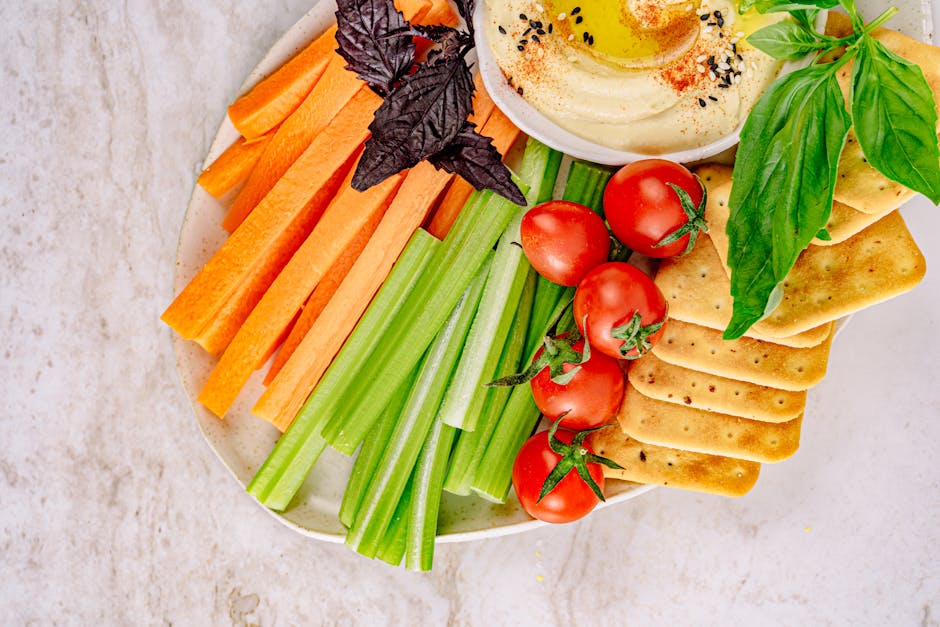
For those seeking savory options, hard-boiled eggs are a frequent go-to. Rich in protein and essential nutrients like choline, they are exceptionally filling and portable. Dietitians might pair a hard-boiled egg with a few whole-grain crackers or a small portion of avocado for added fiber and healthy fats. Vegetable sticks, such as carrots, celery, bell peppers, or cucumbers, served with a healthy dip, are another excellent choice. Dips can range from hummus, providing plant-based protein and fiber, to a Greek yogurt-based dip seasoned with herbs and spices, offering a protein boost. This offers a crunchy, satisfying snack that is low in calories and high in vitamins and minerals.
Considering convenience and portability, many dietitians opt for pre-portioned snacks. This might include individual servings of cottage cheese, which is another excellent source of protein, or small containers of trail mix made with nuts, seeds, and dried fruit (in moderation, due to sugar content). They also frequently utilize protein bars, but with a discerning eye. Their selection of protein bars prioritizes those with minimal added sugars, a good balance of protein and fiber, and a short, recognizable ingredient list. They understand that not all protein bars are created equal, and their expertise allows them to navigate the often-misleading marketing on these products.
For individuals with dairy sensitivities or preferences, plant-based alternatives are equally common. A small container of unsweetened soy yogurt or a plant-based protein shake, blended with water or unsweetened plant milk and perhaps some spinach for added nutrients, can serve as an effective snack. The key remains the inclusion of protein and fiber to promote satiety. Avocado toast on a slice of whole-grain bread, perhaps sprinkled with red pepper flakes for a metabolism-boosting kick, is another popular choice. The healthy monounsaturated fats in the avocado, combined with the fiber from the whole-grain bread, make for a satisfying and nutrient-dense snack.
The strategic consumption of snacks is as important as the choice of food itself. Dietitians often eat snacks to bridge the gap between meals, preventing extreme hunger that can lead to impulsive, less healthy decisions. They listen to their bodies’ hunger cues and don’t necessarily snack simply because it’s a designated "snack time." This mindful approach to eating, known as intuitive eating, is a cornerstone of their nutritional philosophy. They understand that the body sends signals of hunger and fullness, and learning to recognize and respond to these signals is crucial for maintaining a healthy relationship with food. This also means they are not rigidly adhering to a specific number of snacks or a rigid meal schedule, but rather adapting to their individual needs throughout the day.
Furthermore, the context in which a snack is consumed is often considered. A snack before a long hike might be geared towards sustained carbohydrate release for energy, while a snack after a strenuous workout might focus on protein for muscle repair and carbohydrate replenishment. They are adept at tailoring their food choices to meet the specific demands of their daily activities, recognizing that nutrition is not a one-size-fits-all approach. This personalized strategy ensures that their bodies are adequately fueled and supported throughout the day, allowing them to perform at their best, both mentally and physically. The ability to think critically about food and its impact on the body is a skill that dietitians cultivate, and it extends to their personal eating habits.
The emphasis on whole, unprocessed foods is a consistent theme. While convenience is important, it rarely comes at the expense of nutritional quality. They understand that the matrix of nutrients in whole foods offers synergistic benefits that processed foods often lack. This means that even their most convenient snacks are derived from recognizable ingredients, avoiding artificial additives, excessive sodium, and added sugars whenever possible. This commitment to whole foods is not just about personal preference; it’s about maximizing the health benefits and minimizing potential harm associated with processed alternatives.
In conclusion, what dietitians eat for a snack is a testament to the power of informed, strategic food choices. Their snacks are not about restriction or deprivation; they are about intelligent fueling, prioritizing satiety, nutrient density, and blood sugar stability. By understanding the principles that guide their selections – the blend of macronutrients, the focus on whole foods, and the mindful consumption – individuals can gain valuable insights into creating their own healthy and sustainable snacking habits. The dietitian’s approach is not a rigid diet, but rather a flexible, evidence-based framework that empowers individuals to make nourishing choices that support their overall well-being and energy levels. Their snacks are a reflection of their expertise, demonstrating that even small food decisions can have a profound impact on health when approached with knowledge and intention.
