
Your All In One Guide To Storing Fresh Produce
The Ultimate All-in-One Guide to Storing Fresh Produce for Maximum Longevity and Minimal Waste
Proper storage of fresh produce is paramount for extending shelf life, preserving nutritional value, and significantly reducing food waste. This comprehensive guide provides detailed, actionable strategies for a wide variety of fruits and vegetables, employing optimal temperature, humidity, and containment methods. Understanding the unique requirements of each produce item is the cornerstone of effective storage, leading to better taste, texture, and overall quality.
Understanding the Fundamentals of Produce Storage
Fresh produce is a living entity, continuing to respire and transpire after harvest. Respiration is the process where stored sugars are converted into energy, releasing carbon dioxide, water, and heat. Transpiration is the loss of water vapor from the produce’s surface. These processes contribute to spoilage. Therefore, successful storage aims to slow down these natural mechanisms. Key factors influencing produce longevity include:
- Temperature: Lower temperatures generally slow down respiration and microbial growth, delaying spoilage. Refrigeration is a primary tool for many items.
- Humidity: The ideal humidity level varies. Some produce benefits from high humidity to prevent wilting, while others require low humidity to avoid mold and rot.
- Ethylene Gas: Certain fruits produce ethylene gas, a natural plant hormone that promotes ripening. This can accelerate spoilage in ethylene-sensitive produce. Proper separation is crucial.
- Airflow: Adequate ventilation prevents the buildup of moisture and ethylene gas, and can inhibit the growth of mold and bacteria.
- Containment: The type of container or wrapping used impacts humidity, airflow, and protection.
Refrigeration: The Cornerstone for Many Produce Items
The refrigerator is indispensable for storing a vast array of fruits and vegetables. However, not all produce belongs in the cold. Over-refrigeration can damage delicate items, leading to undesirable texture changes, loss of flavor, and nutrient degradation.
Crisper Drawers: Optimized for Humidity Control
Refrigerators often feature crisper drawers designed for precise humidity management. These drawers typically have adjustable vents.
- High Humidity Drawer: This drawer, with the vent closed or nearly closed, is ideal for leafy greens, herbs, broccoli, cauliflower, carrots, celery, peppers, and cucumbers. The enclosed environment traps moisture, preventing wilting and dehydration.
- Low Humidity Drawer: With the vent open, this drawer is suited for fruits that produce ethylene gas, such as apples, pears, and stone fruits. The open vent allows ethylene to escape, preventing premature ripening and spoilage of other produce. It also reduces overall humidity, beneficial for items prone to mold.
General Refrigeration Strategies:
- Washing: Wash produce only when you are ready to use it. Excess moisture on produce before storage can promote mold and bacterial growth.
- Drying: If you must wash produce before storing, ensure it is thoroughly dried before placing it in storage.
- Separation: Keep ethylene-producing fruits and vegetables separate from ethylene-sensitive produce.
- Perforated Bags/Containers: For items that benefit from some airflow but still need moisture retention (like leafy greens), use perforated plastic bags or containers.
Countertop Storage: For Ripening and Specific Produce
Certain fruits and vegetables are best stored at room temperature, either to ripen naturally or because cold temperatures degrade their quality.
- Tomatoes: Store tomatoes on the counter, stem-side down, away from direct sunlight. Refrigeration damages their texture and flavor. Once ripe, they can be refrigerated for a short period if necessary, but are best consumed at room temperature.
- Bananas: Bananas ripen best at room temperature. Once they reach desired ripeness, they can be refrigerated to slow down further ripening; the peel will turn brown, but the fruit inside will remain good for a few more days. Keep them away from other produce as they are high ethylene producers.
- Avocados: Ripen avocados on the counter. To speed up ripening, place them in a paper bag with an apple or banana. Once ripe, refrigerate to slow down further ripening.
- Stone Fruits (Peaches, Plums, Nectarines): Ripen stone fruits on the counter. Once ripe, refrigerate to extend their shelf life.
- Melons (Whole): Whole melons like cantaloupe, honeydew, and watermelon can be stored on the counter until ripe. Refrigerate cut melons immediately.
- Citrus Fruits (Oranges, Lemons, Limes, Grapefruits): While they can be stored at room temperature for a week or so, citrus fruits last significantly longer in the refrigerator, especially in the crisper drawer.
- Onions and Garlic: Store in a cool, dark, dry, and well-ventilated place. Do not store them in plastic bags or airtight containers, as this traps moisture. Do not store them near potatoes, as they can cause each other to sprout and spoil faster.
- Potatoes and Sweet Potatoes: Store in a cool, dark, dry, and well-ventilated place. Avoid refrigeration, as it converts starch to sugar, affecting taste and texture. Keep them away from onions.
- Winter Squash (Butternut, Acorn, Spaghetti): Store in a cool, dry, dark place with good ventilation. They can last for months.
Specific Produce Storage Deep Dive:
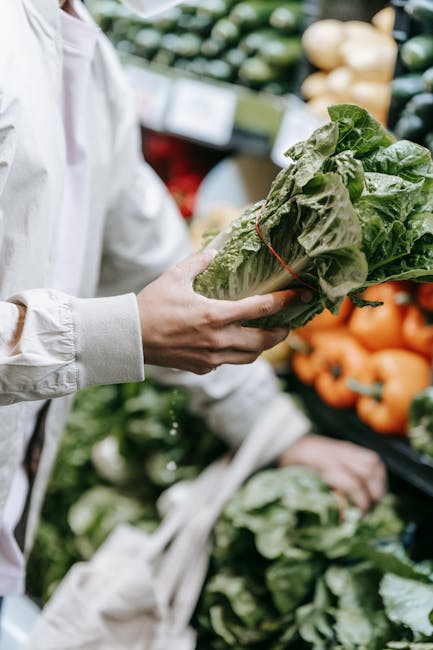
Leafy Greens (Lettuce, Spinach, Kale, Arugula, etc.):
- Method: Wash and thoroughly dry. Wrap loosely in paper towels and place in a perforated plastic bag or a breathable container in the high-humidity crisper drawer.
- Rationale: High humidity prevents wilting, while paper towels absorb excess moisture that can lead to rot. Perforations allow for some air circulation.
- Longevity: Up to 1-2 weeks, depending on the type of green and freshness at purchase.
Herbs (Parsley, Cilantro, Mint, Basil, etc.):
- Parsley, Cilantro, Mint: Treat them like a bouquet of flowers. Trim the stems, place in a jar with an inch or two of water, cover loosely with a plastic bag, and refrigerate.
- Basil: Basil is sensitive to cold. Store it on the counter at room temperature, stems in water, like a bouquet. Refrigeration will cause it to blacken.
- Rationale: Water provides hydration, and the bag creates a humid microclimate. Room temperature is essential for basil.
- Longevity: 1-3 weeks.
Cruciferous Vegetables (Broccoli, Cauliflower, Brussels Sprouts):
- Method: Store unwashed in a perforated plastic bag in the high-humidity crisper drawer.
- Rationale: These vegetables benefit from high humidity to prevent drying out. Washing before storage can encourage spoilage.
- Longevity: 1-3 weeks.
Root Vegetables (Carrots, Radishes, Beets, Turnips):
- Method: Trim the greens (which can draw moisture from the root). Store the roots unwashed in a perforated plastic bag in the high-humidity crisper drawer.
- Rationale: Removing greens prevents dehydration. High humidity is crucial for maintaining crispness.
- Longevity: 2-4 weeks.
Alliums (Onions, Garlic, Shallots):
- Method: Store in a cool, dark, dry, and well-ventilated area. Mesh bags or baskets are ideal. Do not store with potatoes.
- Rationale: These require dry conditions and good airflow to prevent sprouting and mold. Moisture is their enemy.
- Longevity: Several weeks to months, depending on the variety and storage conditions.
Solanaceous Vegetables (Peppers, Eggplant):
- Method: Store unwashed in the high-humidity crisper drawer. Do not refrigerate for extended periods if you want to maintain optimal texture and flavor, but short-term refrigeration is acceptable.
- Rationale: Moderate humidity helps prevent wilting.
- Longevity: 1-2 weeks.
Cucumbers and Zucchini:
- Method: Store unwashed in the high-humidity crisper drawer. Wrap loosely in a paper towel if you notice condensation.
- Rationale: These have high water content and benefit from humidity, but excess moisture can lead to rot.
- Longevity: 1-2 weeks.
Berries (Strawberries, Blueberries, Raspberries, Blackberries):
- Method: Do not wash until ready to eat. Store in their original breathable containers or in a single layer in a container lined with a paper towel in the refrigerator. Consider a vinegar wash (1 part vinegar to 3 parts water, rinse thoroughly, and dry completely) for extended shelf life.
- Rationale: Berries are delicate and prone to mold. Excess moisture and bruising accelerate spoilage. The vinegar wash helps kill mold spores.
- Longevity: 3-7 days.
Stone Fruits (Peaches, Plums, Nectarines, Cherries):
- Method: Ripen at room temperature. Once ripe, store in the refrigerator in a single layer or their original container in the low-humidity crisper drawer.
- Rationale: Cold temperatures slow ripening and decay. Low humidity prevents mushiness.
- Longevity: 3-7 days once ripe.
Apples and Pears:
- Method: Store in the low-humidity crisper drawer, ideally in a plastic bag to prevent them from drying out too quickly. Keep them separate from ethylene-sensitive produce.
- Rationale: Apples and pears produce ethylene gas, which can spoil other fruits and vegetables. Low humidity helps prevent them from becoming mealy.
- Longevity: Several weeks to months, depending on variety and storage conditions.
Citrus Fruits (Oranges, Lemons, Limes, Grapefruits):
- Method: Store in the crisper drawer of the refrigerator, ideally in a mesh bag or loosely wrapped.
- Rationale: Refrigeration significantly extends their shelf life compared to room temperature storage.
- Longevity: 3-4 weeks.
Asparagus:
- Method: Trim the ends and stand them upright in a jar with an inch of water, like a bouquet. Cover loosely with a plastic bag and refrigerate.
- Rationale: Keeping the stems hydrated prevents wilting and maintains crispness.
- Longevity: 1-2 weeks.
Corn on the Cob:
- Method: Store unhusked in the refrigerator.
- Rationale: The husk acts as a natural protective layer, preventing the kernels from drying out and losing their sweetness.
- Longevity: 1-2 days for optimal sweetness.
Mushrooms:
- Method: Store in a paper bag in the refrigerator. Do not wash until ready to use.
- Rationale: Paper bags allow mushrooms to breathe and absorb excess moisture, preventing sliminess. Plastic bags trap moisture and lead to spoilage.
- Longevity: 3-7 days.
Avocados:
- Method: Ripen at room temperature. Once ripe, refrigerate to slow down further ripening. To store cut avocado, squeeze lemon or lime juice on the cut surface, cover tightly with plastic wrap, and refrigerate.
- Rationale: Refrigeration slows the enzymatic browning and softening process.
- Longevity: Ripened whole: 3-5 days in the fridge. Cut: 1-2 days.
Ethylene Gas Management: A Critical Component
Ethylene gas is a ripening agent. Some produce items are high producers, while others are highly sensitive. Understanding this dynamic is key to preventing premature spoilage.
High Ethylene Producers:
- Apples
- Avocados
- Bananas
- Cantaloupe
- Kiwis
- Peaches
- Pears
- Plums
- Tomatoes
Ethylene Sensitive Produce:
- Asparagus
- Broccoli
- Brussels Sprouts
- Carrots
- Cucumbers
- Eggplant
- Leafy Greens (Lettuce, Spinach, Kale)
- Potatoes
- Sweet Potatoes
- Watermelon
Strategies for Ethylene Management:
- Separation: Store high ethylene producers in the low-humidity crisper drawer with the vent open, away from ethylene-sensitive items.
- Ventilation: Ensure good airflow in storage areas.
- Specialized Bags: Some produce bags are designed to absorb or block ethylene gas.
Beyond Refrigeration and Countertops: Specialized Storage
- Root Cellar/Cool, Dark Place: For items like potatoes, onions, garlic, and winter squash, a cool, dark, and well-ventilated space is ideal. This mimics traditional root cellaring conditions.
- Freezing: For long-term preservation, freezing is an excellent option for many fruits and vegetables. Blanching (briefly boiling then shocking in ice water) is often recommended for vegetables to preserve color, flavor, and nutrients before freezing. Fruits can often be frozen as is or with a little sugar.
- Dehydrating: Removing moisture through dehydration is another effective preservation method, suitable for fruits, herbs, and some vegetables.
Practical Tips for Maximizing Produce Lifespan:
- Buy Smart: Purchase produce that is in season and at its peak freshness. Avoid bruised or damaged items.
- Inspect Regularly: Check your produce for signs of spoilage daily or every other day. Remove any rotting items immediately to prevent spread.
- First-In, First-Out (FIFO): Rotate your produce, using older items first.
- Don’t Overcrowd: Overcrowding in refrigerators or storage areas restricts airflow, leading to uneven temperatures and increased spoilage.
- Know Your Produce: Invest time in learning the specific storage needs of the fruits and vegetables you consume most frequently.
By implementing these detailed strategies, you can significantly extend the life of your fresh produce, enjoy higher quality food, and drastically reduce household food waste. This mindful approach to produce storage not only saves money but also contributes to a more sustainable lifestyle.
