
10 Simple Snacks Under 200 Calories
10 Simple Snacks Under 200 Calories for Healthy, Guilt-Free Indulgence
Navigating the landscape of convenient and satisfying snacks that also adhere to calorie consciousness can be a daily challenge. For those aiming for a healthier lifestyle, managing weight, or simply seeking mindful eating habits, identifying options under 200 calories is paramount. This article delves into ten straightforward, delicious, and easily accessible snack ideas, each meticulously crafted to stay below the 200-calorie mark, ensuring you can fuel your body without derailing your nutritional goals. We will explore the nutritional benefits, preparation simplicity, and versatility of each snack, providing actionable insights for incorporating them into your daily routine. From nutrient-dense fruits and vegetables to protein-rich dairy and savory combinations, these options are designed to curb hunger, boost energy, and provide essential vitamins and minerals. Understanding portion control and the caloric density of common foods is a cornerstone of healthy eating, and this guide aims to demystify that process by presenting concrete, low-calorie solutions that don’t compromise on taste or satisfaction. Whether you’re at home, at work, or on the go, these 10 simple snacks under 200 calories offer a sustainable and enjoyable way to stay nourished.
1. Apple Slices with Almond Butter (Approx. 170-190 calories)
This classic pairing is a nutritional powerhouse. A medium apple, typically around 80-100 calories, provides a good source of dietary fiber, which aids in digestion and promotes satiety, helping you feel fuller for longer. The fiber also contributes to regulating blood sugar levels, preventing sharp spikes and subsequent crashes. Apples are also rich in antioxidants, like quercetin, which have been linked to various health benefits, including reduced risk of chronic diseases. When paired with almond butter, you introduce healthy monounsaturated fats and protein, both crucial for sustained energy and muscle maintenance. A standard serving of almond butter is typically two tablespoons, which hovers around 180-190 calories and provides about 7 grams of protein and 18 grams of healthy fats. To stay under 200 calories, a good rule of thumb is to use one to one-and-a-half tablespoons of almond butter (approximately 90-135 calories) with a medium apple (80-100 calories). This combination offers a satisfying crunch from the apple and a creamy, rich counterpoint from the almond butter, creating a delightful textural contrast. The natural sweetness of the apple, combined with the slightly nutty and savory notes of the almond butter, makes this an incredibly appealing snack. For even more flavor and a slight calorie boost, consider a sprinkle of cinnamon, which has minimal caloric impact and can enhance the sweetness of the apple. This snack is incredibly versatile and can be prepared in seconds, making it ideal for busy individuals. The fiber from the apple and the protein and fat from the almond butter work synergistically to prevent overeating and keep hunger at bay between meals. The healthy fats in almond butter are also important for nutrient absorption, particularly fat-soluble vitamins. This snack is a good source of Vitamin E, magnesium, and potassium.
2. Greek Yogurt with Berries (Approx. 130-170 calories)
Plain, non-fat Greek yogurt is an exceptional snack base, offering a substantial protein punch with a relatively low calorie count. A standard single-serving container (around 5.3 ounces or 150 grams) of non-fat plain Greek yogurt typically contains about 130-150 calories and a remarkable 15-20 grams of protein. This high protein content is instrumental in promoting satiety, making it an excellent choice for curbing hunger pangs. Protein also plays a vital role in muscle repair and growth, making it beneficial for those who are physically active. Berries, such as blueberries, raspberries, strawberries, and blackberries, are low in calories and packed with antioxidants, vitamins, and fiber. A half-cup of mixed berries usually adds around 30-50 calories. They contribute natural sweetness and a burst of flavor, eliminating the need for added sugars. For example, half a cup of blueberries (about 40 calories) and a 5.3-ounce serving of non-fat plain Greek yogurt (about 130 calories) would result in a snack of approximately 170 calories. This combination provides a creamy, tangy base from the yogurt complemented by the sweet and slightly tart notes of the berries. The fiber from the berries further enhances the feeling of fullness, while the protein in the yogurt helps stabilize blood sugar. This snack is a good source of calcium, probiotics (beneficial for gut health), Vitamin C, and manganese. The versatility of this snack is another key advantage. You can mix and match different berries to create varied flavor profiles. For an added textural element and a slight increase in healthy fats and fiber, consider adding a small sprinkle (about one teaspoon) of chia seeds or flaxseeds, which would add minimal calories but significant nutritional value. The probiotics in Greek yogurt contribute to a healthy gut microbiome, which is increasingly recognized for its impact on overall well-being, including mood and immune function.
3. Hard-Boiled Eggs (2 eggs, Approx. 140-160 calories)
Hard-boiled eggs are a remarkably efficient and portable source of complete protein. Two large hard-boiled eggs provide approximately 140-160 calories and around 12-14 grams of high-quality protein. Protein is essential for muscle building and repair, and it also plays a crucial role in hormone production and enzyme function. The high protein content of eggs is a significant factor in their ability to promote satiety, making them an excellent choice for a snack that will keep you feeling full and satisfied. Beyond protein, eggs are a nutritional powerhouse, offering a wide array of vitamins and minerals, including Vitamin D, Vitamin B12, selenium, and choline. Choline, in particular, is vital for brain health and development. The convenience of hard-boiled eggs cannot be overstated. They can be boiled in advance and stored in the refrigerator for easy grab-and-go snacking throughout the week. This makes them an ideal option for busy professionals, students, or anyone needing a quick and healthy fuel source. They are naturally low in carbohydrates and sugars, making them suitable for individuals managing blood sugar levels. While some may be concerned about the cholesterol content of eggs, current research suggests that dietary cholesterol has a less significant impact on blood cholesterol levels for most people than previously thought. The benefits of the nutrients found in eggs often outweigh these concerns for many individuals. For a slightly different flavor profile and an additional micronutrient boost without significantly impacting the calorie count, you can lightly sprinkle the hard-boiled eggs with a pinch of salt, pepper, or paprika. This snack is a fantastic way to get a substantial protein boost that will help bridge the gap between meals and prevent overconsumption at your next meal. The density of nutrients per calorie in eggs makes them a highly efficient food choice.
4. A Small Handful of Almonds or Walnuts (Approx. 160-180 calories)
Nuts, particularly almonds and walnuts, are dense in nutrients and healthy fats, offering a satisfying crunch and sustained energy. A small handful, typically around 1 ounce (approximately 28 grams), of almonds or walnuts contains roughly 160-180 calories. These nuts are brimming with healthy monounsaturated and polyunsaturated fats, which are beneficial for heart health and can help improve cholesterol levels. They are also a good source of protein, fiber, vitamins (such as Vitamin E), and minerals (like magnesium and potassium). The combination of healthy fats, protein, and fiber in nuts contributes significantly to satiety, making them an excellent choice for curbing mid-day hunger. The fiber helps to slow down digestion, leading to a more gradual release of energy and preventing blood sugar spikes. Almonds are particularly rich in Vitamin E, a powerful antioxidant, and magnesium, which plays a role in over 300 biochemical reactions in the body. Walnuts, on the other hand, are an exceptional source of omega-3 fatty acids, which are crucial for brain health and have anti-inflammatory properties. To ensure you stay within the 200-calorie limit, it’s essential to be mindful of portion sizes, as nuts are calorie-dense. Using a small, pre-portioned bag or measuring out your nuts can be a helpful strategy. This snack is incredibly convenient, requiring no preparation and being easily portable. The satisfying crunch and rich, nutty flavor make it a delightful option for those seeking a savory and filling snack. For added variety, consider a small portion of mixed nuts, but be aware of the calorie density of some nuts like macadamia nuts. This snack is a powerhouse of micronutrients and healthy fats, providing sustained energy release.
5. Carrot Sticks with Hummus (Approx. 100-150 calories)
This refreshing and crunchy snack combines the low-calorie, nutrient-rich goodness of raw vegetables with the satisfying creaminess and protein of hummus. Carrot sticks, which are naturally low in calories and high in fiber, are an excellent source of beta-carotene, which the body converts to Vitamin A. Vitamin A is vital for vision, immune function, and skin health. A generous serving of carrot sticks (about 1 cup) typically contains only around 50-60 calories. Hummus, made from chickpeas, tahini, lemon juice, and garlic, offers a good source of plant-based protein, fiber, and healthy fats. A serving of 2 tablespoons of hummus typically ranges from 50-70 calories, providing about 2 grams of protein and 4 grams of healthy fats. This combination makes for a filling and flavorful snack. The crunch of the carrots provides a satisfying textural experience, while the creamy hummus adds a savory depth. The fiber in both the carrots and the chickpeas contributes to satiety, helping to keep hunger at bay. This snack is incredibly easy to prepare; simply wash and chop carrots into sticks and portion out your hummus. It’s also highly customizable. You can add a pinch of paprika or a sprinkle of za’atar to your hummus for added flavor. Other raw vegetables that pair well with hummus and keep the calorie count low include celery sticks, cucumber slices, and bell pepper strips. This snack is a good source of Vitamin C, folate, and iron. The fiber content is particularly beneficial for digestive health and can help regulate blood sugar levels. The protein in hummus provides a sustained release of energy, making it a great option for a mid-afternoon pick-me-up.
6. A Small Pear or Peach with a String Cheese Stick (Approx. 150-180 calories)
This pairing offers a delightful balance of natural sweetness, fiber, and protein. A medium pear or peach is typically around 80-100 calories and provides a good amount of dietary fiber, which aids in digestion and promotes a feeling of fullness. These fruits are also rich in vitamins and antioxidants. A single string cheese stick (part-skim mozzarella) usually contains around 70-80 calories and offers about 6-7 grams of protein. The protein from the cheese, combined with the fiber from the fruit, creates a snack that is both satisfying and energizing. The natural sugars in the fruit provide a quick energy boost, while the protein and fiber help to sustain that energy and prevent a sugar crash. The textural contrast between the juicy fruit and the slightly chewy cheese is also very appealing. This snack is incredibly portable and requires no preparation, making it a convenient option for on-the-go consumption. The combination of carbohydrates, protein, and fiber makes this snack a well-rounded choice for curbing hunger and providing sustained energy. The cheese also contributes calcium, which is important for bone health. For a slight variation in flavor, you could opt for a light Colby Jack string cheese stick, which would have a similar calorie and protein profile. This snack is a good example of how combining different food groups can create a more nutritionally balanced and satisfying experience. The simplicity of this snack makes it an easy habit to adopt, providing a healthy alternative to less nutritious convenience foods.
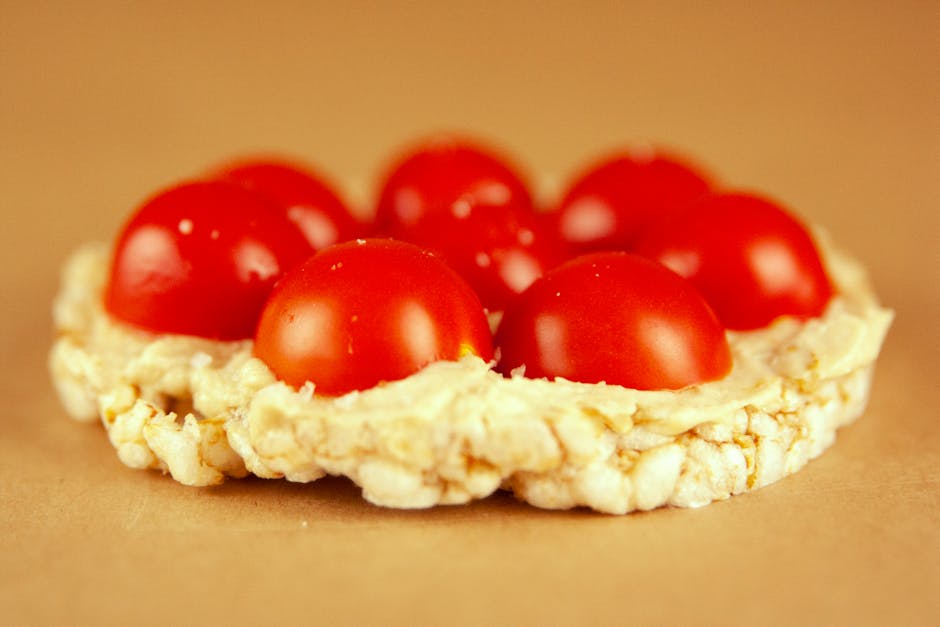
7. Rice Cakes with Avocado and Everything Bagel Seasoning (Approx. 170-190 calories)
This modern take on a classic snack offers a satisfying crunch and creamy texture with healthy fats and flavor. Two plain brown rice cakes provide approximately 60-70 calories and are a good source of complex carbohydrates. They offer a light, crispy base that is a blank canvas for various toppings. One-quarter of a medium avocado provides about 80-90 calories and is packed with healthy monounsaturated fats, fiber, and numerous vitamins and minerals, including Vitamin K, folate, and potassium. The avocado adds a creamy richness and a dose of beneficial fats that contribute to satiety. "Everything Bagel Seasoning," a blend typically containing sesame seeds, poppy seeds, dried garlic, dried onion, and salt, adds a significant burst of flavor with very minimal calories, usually less than 5 calories per serving. This combination provides a satisfying textural interplay between the crisp rice cakes and the smooth avocado. The healthy fats in the avocado help with the absorption of fat-soluble vitamins from the avocado itself and any other food consumed. This snack is not only delicious but also offers a good balance of carbohydrates and healthy fats. The fiber from the avocado contributes to feeling full. This snack is incredibly easy to assemble and can be a great way to enjoy the healthy fats of avocado in a controlled portion. The "everything bagel seasoning" adds a savory punch that can satisfy cravings for more intense flavors. This snack is a good source of Vitamin E, Vitamin C, and B vitamins.
8. Edamame (Steamed or Dry Roasted, 1 Cup in Pods, Approx. 190 calories)
Edamame, young soybeans, is a fantastic plant-based snack that is both satisfying and nutrient-dense. A cup of edamame in the pods (about 155 grams) contains approximately 190 calories, but this is a very filling portion due to its high fiber and protein content. Edamame is a complete protein, meaning it contains all nine essential amino acids, making it an excellent option for vegetarians and vegans. It’s also a good source of fiber, which aids in digestion and promotes satiety, helping to keep you feeling full for extended periods. Edamame is rich in vitamins and minerals, including Vitamin K, folate, manganese, and iron. The act of popping the beans out of their pods can also contribute to mindful eating and slow down consumption, further enhancing the feeling of satisfaction. Steamed edamame can be enjoyed plain, with a sprinkle of sea salt, or with a light drizzle of soy sauce or a touch of chili flakes for added flavor. Dry-roasted edamame offers a slightly different texture and a more intense flavor. This snack is incredibly convenient, especially when purchased pre-steamed or frozen, requiring minimal preparation. The high fiber and protein content are key to its appetite-suppressing qualities, making it a great choice for bridging meals or as a pre-workout snack for sustained energy. The bioavailability of nutrients in edamame is also noteworthy, meaning the body can readily absorb and utilize the vitamins and minerals it provides. This snack is a nutritional powerhouse, offering a substantial amount of protein and fiber for its calorie count.
9. Cottage Cheese (Low-Fat) with Pineapple Chunks (½ cup cottage cheese, ¼ cup pineapple, Approx. 150-170 calories)
This combination offers a creamy, slightly sweet, and protein-rich snack that is both satisfying and refreshing. Half a cup of low-fat cottage cheese (around 4 ounces) typically contains about 80-100 calories and provides an impressive 12-14 grams of protein. Cottage cheese is a good source of casein protein, a slow-digesting protein that helps promote satiety and sustained energy release. It also provides calcium, important for bone health. Pairing it with a quarter cup of unsweetened pineapple chunks (about 2 ounces) adds approximately 50-70 calories. Pineapple provides natural sweetness, a refreshing tropical flavor, and a good source of Vitamin C and manganese. The bromelain in pineapple, an enzyme, is also known for its potential anti-inflammatory properties. The combination of slow-digesting protein from the cottage cheese and the natural sugars and vitamins from the pineapple creates a balanced snack that can curb hunger and provide a burst of energy. The creamy texture of the cottage cheese is complemented by the juicy, slightly tart chunks of pineapple, creating a delightful sensory experience. This snack is incredibly simple to prepare and can be customized to your preference. For those who prefer a more savory option, you could opt for a small amount of black pepper or chives instead of pineapple. The protein content is a significant factor in making this a filling snack, and it’s particularly beneficial for muscle recovery. This snack is a good source of phosphorus and selenium.
10. A Small Banana with 1 Tablespoon of Peanut Butter (Approx. 180-200 calories)
This classic energy-boosting snack combines the natural carbohydrates and potassium of a banana with the healthy fats and protein of peanut butter. A small to medium banana (about 7-8 inches long) typically contains around 90-110 calories and provides readily available energy in the form of natural sugars, along with a significant amount of potassium, which is important for muscle function and blood pressure regulation. One tablespoon of peanut butter (approximately 16 grams) adds about 90-100 calories and provides about 4 grams of protein and 8 grams of healthy fats. The combination of carbohydrates from the banana and the protein and healthy fats from the peanut butter creates a balanced snack that provides both quick and sustained energy. The fiber content of the banana further contributes to satiety. This pairing is incredibly convenient, requiring minimal to no preparation. The natural sweetness of the banana is perfectly complemented by the rich, nutty flavor of the peanut butter. This snack is an excellent option for a pre- or post-workout fuel source, as it provides a good balance of macronutrients needed for energy and recovery. The healthy fats in peanut butter help to slow down the absorption of sugar from the banana, preventing a rapid spike and subsequent crash in blood sugar levels. For those seeking to stay strictly under 200 calories, a slightly smaller banana or a level tablespoon of peanut butter would be advisable. This snack is a good source of Vitamin B6, Vitamin C, and magnesium. The protein in the peanut butter, combined with the carbohydrates from the banana, offers a sustained energy release.
