
7 Creative Ways To Use Chia Seeds Beyond Pudding
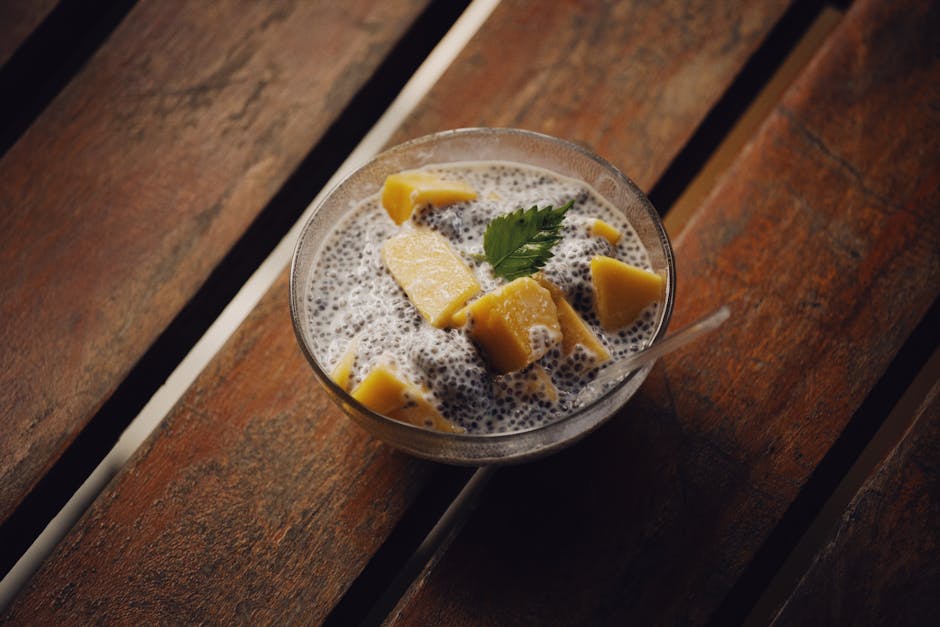
7 Creative Ways to Use Chia Seeds Beyond Pudding
Chia seeds, those tiny nutritional powerhouses, have transcended their status as a one-trick pony in the health food world. While chia pudding remains a beloved and simple preparation, limiting their use to this single application would be a disservice to their incredible versatility and impressive nutrient profile. Packed with omega-3 fatty acids, fiber, protein, and a spectrum of essential vitamins and minerals, chia seeds offer a subtle, gelatinous texture and a mild, nutty flavor that can be seamlessly integrated into a vast array of culinary creations. Moving beyond the breakfast bowl unlocks a world of savory and sweet possibilities, transforming ordinary dishes into nutrient-dense masterpieces. This article explores seven inventive ways to harness the power of chia seeds, demonstrating their adaptability in everything from baked goods and beverages to savory sauces and snack bars. By understanding their unique properties, particularly their ability to absorb liquid and form a gel, we can unlock their potential to enhance texture, boost nutrition, and elevate the flavor profiles of countless recipes.
One of the most straightforward yet impactful ways to incorporate chia seeds beyond pudding is by boosting baked goods. The addition of chia seeds to breads, muffins, cookies, and cakes is a simple swap that significantly enhances their nutritional value without drastically altering their taste or texture. When added to dough or batter, chia seeds absorb moisture and create a slightly denser, chewier crumb. In recipes where eggs are used as binders, chia seeds can even act as a partial or complete egg substitute. To create a "chia egg," simply whisk together one tablespoon of chia seeds with three tablespoons of water and let it sit for about 5-10 minutes until it forms a gel-like consistency. This gel mimics the binding properties of an egg, making it an excellent vegan and gluten-free alternative. For breads, adding a tablespoon or two of whole or ground chia seeds directly to the dry ingredients imparts a subtle crunch and a significant nutritional upgrade. They contribute to a more satisfying texture and prolonged freshness due to their fiber content. In muffins and cookies, they can be incorporated whole, providing tiny bursts of texture, or finely ground to blend more seamlessly into the batter. The gel-forming property of chia seeds can also contribute to a moister baked good, as they help retain moisture within the dough. This is particularly beneficial for gluten-free baking, which can often result in dry or crumbly textures. Furthermore, the fiber in chia seeds contributes to a feeling of fullness, making these baked goods more satiating and a healthier snack option. Consider adding them to your favorite sourdough starter for an extra nutrient boost and a slightly unique tang. They can also be sprinkled on top of loaves before baking for a decorative and nutritious topping. The subtle nutty flavor of chia seeds complements a wide range of baking profiles, from sweet cinnamon-swirl breads to savory herb focaccia.
Another highly effective method for integrating chia seeds is by enriching smoothies and juices. This is perhaps the easiest and most accessible way to consume chia seeds daily, offering an immediate nutritional upgrade to your favorite blended beverages. Simply add one to two tablespoons of chia seeds to your smoothie or juice before blending. The seeds will absorb some of the liquid, creating a slightly thicker, more satiating drink with a subtle texture. This also means the nutrients from the chia seeds, including their omega-3 fatty acids and fiber, are more readily available for absorption as they are broken down during the blending process. The gelatinous coating that forms around the seeds when hydrated makes them easier to digest and can also help to slow down the absorption of sugars from fruits, leading to a more sustained energy release and preventing sugar spikes. For those who prefer a smoother consistency, grinding the chia seeds into a fine powder before adding them to the blender is an option. However, many enjoy the subtle textural element that whole chia seeds provide. Experiment with different liquid bases, such as almond milk, coconut water, or dairy milk, to see how the chia seeds interact with each flavor. Adding them to green smoothies can help to mask any bitterness from leafy greens, while their mild flavor is almost undetectable in fruit-forward concoctions. Beyond their nutritional benefits, chia seeds can also contribute to a feeling of fullness, making your smoothies and juices more substantial and suitable as a meal replacement or a post-workout recovery drink. They are particularly beneficial when combined with protein sources in smoothies, further enhancing satiety and muscle repair.
Chia seeds also shine as thickeners for sauces, gravies, and dressings. Their remarkable ability to absorb liquid and form a gel makes them an ideal natural thickener, replacing less healthy or refined alternatives. Instead of relying on cornstarch or flour, a sprinkle of chia seeds can achieve a smooth, velvety consistency in a fraction of the time. For savory applications like salad dressings, a tablespoon of chia seeds whisked into your vinaigrette will create a thicker, more emulsified dressing that clings beautifully to greens. This also means less oil might be needed, as the chia gel helps to bind the oil and vinegar together. In homemade ketchup, barbecue sauce, or marinara sauce, adding a teaspoon or two of chia seeds during the simmering process can help achieve a desirable thickness without compromising flavor. For gravies, especially dairy-free or gluten-free versions, chia seeds offer a foolproof way to achieve a luscious texture. Simply stir them in gradually, allowing them to hydrate and thicken the sauce. This natural thickening method also introduces beneficial fiber and omega-3s, making your sauces healthier. The key is to allow sufficient time for the chia seeds to hydrate and work their magic. For dressings, this can happen within minutes, while for cooked sauces, a few minutes of simmering is usually sufficient. It’s important to note that the thickening power of chia seeds is amplified as they sit. So, if you’re making a sauce ahead of time, it will continue to thicken as it cools. This can be an advantage, allowing you to adjust the consistency as needed. Experiment with adding them to yogurt-based dips or even as a binder in veggie burgers.
Transforming everyday beverages into nutrient-dense elixirs is another excellent application for chia seeds. They can be used to create homemade energy drinks and infused water. Instead of reaching for sugary sports drinks, you can harness the sustained energy release of chia seeds for a natural pick-me-up. Infusing water with chia seeds, along with fruits like lemon, lime, berries, or cucumber, creates a refreshing and hydrating beverage packed with electrolytes and fiber. The chia seeds will plump up and form a light gel, adding a pleasant, slightly viscous texture to the water. This is an excellent way to encourage increased water intake, especially for those who find plain water unappealing. For a more substantial energy drink, combine chia seeds with coconut water (a natural source of electrolytes), a squeeze of citrus, and a touch of natural sweetener like honey or maple syrup. The chia seeds will help to keep you hydrated and provide sustained energy without the crash associated with artificial sweeteners and high sugar content. This homemade energy drink is ideal for pre- or post-workout hydration, or simply as a revitalizing beverage throughout the day. The subtle texture can be a delightful surprise, and the visual appeal of the plumped chia seeds in clear liquids adds an attractive element. You can also experiment with adding herbs like mint or basil to your infused waters for an extra layer of flavor and freshness. The gentle hydration provided by chia seeds, combined with their nutrient density, makes them a superior choice for athletic performance and overall well-being.
The textural and binding capabilities of chia seeds extend to the realm of savory snacks and appetizers. Think beyond the sweet and explore their potential in creating flavorful and healthy bites. Chia seeds can be incorporated into homemade crackers, energy bars, and even as a binder in falafel or other vegetable patties. For homemade crackers, mix chia seeds with whole grain flours, herbs, and spices, then roll out thinly and bake until crisp. The chia seeds add a satisfying crunch and a nutritional boost. In energy bars, they bind ingredients together, providing fiber and protein for sustained energy. When making falafel or other patties, a tablespoon or two of chia seeds can act as an excellent binder, reducing the need for eggs or excessive flour, and adding a subtle textural contrast. Consider creating savory chia seed "crackers" by mixing chia seeds with water, seasonings (like nutritional yeast, garlic powder, and onion powder), and a touch of oil, spreading thinly on a baking sheet, and dehydrating or baking at a low temperature until crisp. These make for a delightful gluten-free and vegan snack. They can also be sprinkled over roasted vegetables or incorporated into breadcrumb coatings for baked chicken or fish, adding a nutritional punch and a pleasing crispiness. The ability of chia seeds to absorb moisture makes them particularly useful in recipes where a dry crumb coating is desired, helping the coating adhere better to the food item.
Chia seeds can also be employed as egg substitutes in vegan cooking. As mentioned in the baked goods section, the "chia egg" is a fantastic and simple replacement for eggs in many recipes. However, their use as an egg substitute goes beyond just binding. In some instances, they can contribute to the leavening and structure of baked goods, especially when combined with other leavening agents like baking soda and baking powder. This is particularly valuable for individuals following vegan, egg-free, or allergen-friendly diets. When making pancakes, waffles, or muffins, a chia egg can provide the necessary structure and moisture that an egg would typically offer. The slight gelatinous quality helps to hold the ingredients together, resulting in a cohesive batter that bakes up beautifully. It’s important to note that the texture of the final product might be slightly denser and chewier when using chia eggs compared to traditional eggs, but this is often a desirable characteristic, especially in items like pancakes and muffins. Experimentation is key to finding the perfect ratio for your specific recipes. For recipes that rely heavily on the aeration provided by whipped eggs, such as meringues or some cakes, chia eggs may not be a direct substitute and might require alternative vegan leavening strategies. However, for most everyday baking and cooking applications, the chia egg is a reliable and nutritious alternative.
Finally, chia seeds can be used to create nutritious and flavorful jams and fruit spreads. Forget high-sugar commercial options; you can make your own healthier versions at home. By macerating fresh or frozen fruit with chia seeds, the seeds absorb the fruit’s juices and natural sugars, creating a thick, jam-like consistency without the need for added pectin or excessive amounts of refined sugar. Simply mash your favorite berries, stone fruits, or other fruits, stir in chia seeds (typically a ratio of 1-2 tablespoons of chia seeds per cup of fruit), and let it sit in the refrigerator for at least 30 minutes, or until thickened. The chia seeds act as a natural gelling agent, creating a delightful spread that is rich in fiber, antioxidants, and essential fatty acids. This homemade jam is perfect for toast, yogurt, oatmeal, or as a filling for pastries. The texture is slightly different from traditional jam, with the presence of the plumped chia seeds, which adds an interesting element. You can customize the sweetness by adding a natural sweetener like maple syrup or honey, or by using naturally sweet fruits. This method is particularly effective with fruits that have a high water content, as the chia seeds readily absorb the excess liquid. Experiment with different fruit combinations, such as raspberry-lime, strawberry-rhubarb, or blueberry-lemon, to create a variety of delicious and healthy spreads. The vibrant colors of the fruits are also beautifully enhanced by the presence of the chia seeds.
