
Breakfasts with Up to 20 Grams of Net Carbs: Your Guide to Low-Carb Mornings
Breakfasts with up to 20 grams of net carbs are a game-changer for those following a low-carb lifestyle. They provide a delicious and satisfying way to start your day without derailing your dietary goals. Understanding net carbs is crucial, as they differ from total carbs by factoring in fiber and sugar alcohols, which don’t impact blood sugar levels as much.
This means you can enjoy a wider variety of foods while staying within your carb limits.
From savory egg dishes to sweet berry bowls, there’s a low-carb breakfast option for every taste. We’ll delve into the nutritional benefits and drawbacks of different breakfast choices, highlighting the importance of protein and healthy fats for satiety and energy.
We’ll also explore practical tips for meal prepping and managing cravings, ensuring you can easily incorporate these breakfasts into your busy life.
High-Protein Breakfast Options: Breakfasts With Up To 20 Grams Of Net Carbs

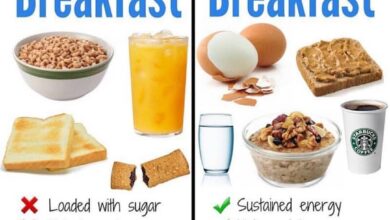
A high-protein breakfast can be a great way to start your day, especially if you’re following a low-carb diet. Protein helps keep you feeling full and satisfied, which can help you avoid cravings and overeating later in the day. It also helps stabilize blood sugar levels, preventing energy crashes and promoting sustained energy throughout the morning.
Starting your day with a breakfast that clocks in at 20 grams of net carbs or less can be a great way to manage your blood sugar levels and keep your energy steady throughout the morning. It’s also important to remember that getting enough sleep is crucial for overall health, and studies link poor sleep with cardiovascular disease.
So, if you’re looking for a delicious and healthy breakfast that won’t spike your blood sugar and will help you get a good night’s sleep, consider trying a low-carb option.
High-Protein Breakfast Options Under 20g Net Carbs
Here are some high-protein breakfast options that fit within the 20g net carb limit:
- Eggs:Eggs are a versatile and affordable source of protein, with about 6 grams of protein per large egg. You can scramble, fry, poach, or bake them. You can also add them to omelets or frittatas.
- Greek Yogurt:Greek yogurt is a great source of protein and calcium, with about 20 grams of protein per cup. You can enjoy it plain or with toppings like berries, nuts, or seeds.
- Cottage Cheese:Cottage cheese is another excellent source of protein, with about 28 grams of protein per cup. It’s a low-carb option that can be enjoyed on its own or added to smoothies or dips.
- Protein Shakes:Protein shakes are a convenient and quick way to get a high dose of protein. Look for shakes that are low in carbs and sugar. You can make your own protein shakes using protein powder, milk, and other ingredients.
- Salmon:Salmon is a fatty fish that’s packed with protein, omega-3 fatty acids, and other nutrients. You can enjoy it for breakfast in a variety of ways, such as smoked salmon with cream cheese or baked salmon with asparagus.
- Chicken Sausage:Chicken sausage is a lower-fat and lower-carb alternative to pork sausage. Look for varieties that are low in carbs and sugar. You can enjoy it with eggs or vegetables.
Protein Content Comparison, Breakfasts with up to 20 grams of net carbs
| Food | Protein (grams per serving) | Net Carbs (grams per serving) |
|---|---|---|
| 2 large eggs | 12 | 1 |
| 1 cup Greek yogurt | 20 | 5 |
| 1 cup cottage cheese | 28 | 4 |
| 1 scoop protein powder | 20-30 | 1-2 |
| 3 oz salmon | 20 | 0 |
| 2 chicken sausage links | 15 | 2 |
Importance of Protein in Breakfast
Protein is an essential nutrient that plays a crucial role in various bodily functions, including muscle building, tissue repair, and hormone production. A high-protein breakfast can provide numerous benefits:
- Increased Satiety:Protein is more satiating than carbohydrates or fats, meaning it keeps you feeling fuller for longer. This can help you avoid overeating later in the day and manage your weight.
- Stabilized Blood Sugar:Protein helps slow down the absorption of glucose into the bloodstream, leading to more stable blood sugar levels. This can prevent energy crashes and promote sustained energy throughout the morning.
- Improved Muscle Growth and Repair:Protein is essential for muscle growth and repair. Consuming protein at breakfast can help kickstart muscle protein synthesis, promoting muscle recovery and growth, particularly for those who engage in regular exercise.
- Enhanced Cognitive Function:Studies suggest that a high-protein breakfast can improve cognitive function, including memory, focus, and alertness. This can be beneficial for students, professionals, and anyone looking to enhance their mental performance.
Healthy Fats in Breakfast

Healthy fats play a crucial role in a low-carb breakfast, contributing to satiety, energy levels, and overall health. While restricting carbohydrates, it’s important to include adequate healthy fats to support your body’s functions and prevent nutritional deficiencies.
Incorporating Healthy Fats into Breakfast
Healthy fats can be incorporated into your low-carb breakfast in various ways, adding flavor and texture while providing essential nutrients. Here are some examples of healthy fats you can include:
- Avocado:Avocados are a good source of monounsaturated fats, fiber, and vitamins. You can slice them on your eggs, add them to smoothies, or make guacamole for dipping.
- Olive Oil:Olive oil is rich in monounsaturated fats and antioxidants. Use it to cook your eggs, sauté vegetables, or drizzle it over your breakfast.
- Nuts and Seeds:Nuts and seeds like almonds, walnuts, chia seeds, and flaxseeds are packed with healthy fats, protein, and fiber. Sprinkle them on your yogurt, cereal, or add them to your smoothies.
- Coconut Oil:Coconut oil is a good source of saturated fats, which can provide energy and support hormone production. Use it to cook your eggs or add it to your coffee.
How Healthy Fats Contribute to Satiety and Energy Levels
Healthy fats are digested slowly, promoting a feeling of fullness and satiety. This can help you feel satisfied for longer, reducing cravings and preventing overeating. Additionally, healthy fats are an excellent source of energy, providing a steady stream of fuel throughout the day.
“Consuming healthy fats at breakfast can help you feel fuller for longer, reducing cravings and promoting stable energy levels throughout the day.”
Closing Notes

Embracing a low-carb breakfast routine can lead to a healthier, more energized you. By understanding net carbs, exploring delicious options, and incorporating practical tips, you can enjoy satisfying and fulfilling mornings while achieving your dietary goals. So, dive into the world of low-carb breakfasts and discover a new way to start your day!
Starting your day with a breakfast that keeps you full and satisfied, but also fits within your carb goals, can be a challenge. I’ve found that a simple omelet with spinach and feta cheese often does the trick, coming in at around 15 grams of net carbs.
And for those days when you need something more substantial, I highly recommend checking out hearty burgers with up to 38 grams of protein – they’re a great way to get your protein fix without sacrificing flavor. After all, a balanced diet is about finding what works for you, and sometimes that means a little flexibility in your carb intake, especially when you’re fueling up for the day.
Finding breakfast options that fit within a 20-gram net carb limit can be tricky, but don’t worry, there are delicious and satisfying choices out there! One of my favorites is a refreshing 3 citrus salad with yogurt seedy nut crumble , which is packed with flavor and nutrients.
The tangy citrus, creamy yogurt, and crunchy crumble make for a satisfying and balanced meal that keeps me full and energized until lunch. It’s a great way to start the day and stay on track with my carb goals.