The Dos and Donts for Healthy Smoothies
The dos and donts for healthy smoothies – The dos and don’ts for healthy smoothies are a topic that everyone should be aware of, especially if you’re trying to incorporate more fruits and vegetables into your diet. Smoothies are a great way to get a quick and easy dose of nutrients, but there are some things you need to keep in mind to ensure that you’re getting the most out of your smoothie experience.
This guide will cover everything from choosing the right ingredients to avoiding common mistakes that can sabotage your health goals.
By understanding the dos and don’ts of smoothie-making, you can create delicious and nutritious drinks that will support your overall well-being. Whether you’re looking to boost your energy levels, lose weight, or simply enjoy a refreshing and flavorful treat, a well-made smoothie can be a fantastic addition to your daily routine.
So let’s dive in and explore the world of healthy smoothies!
The Foundation of a Healthy Smoothie
Smoothies are a delicious and convenient way to get your daily dose of fruits, vegetables, and other nutrients. They are easy to make, portable, and can be customized to your taste preferences. Whether you are looking for a quick breakfast, a refreshing snack, or a post-workout recovery drink, smoothies can be a healthy and satisfying choice.
The Nutritional Benefits of Smoothies
Smoothies offer a variety of nutritional benefits. They are an excellent source of vitamins, minerals, antioxidants, and fiber. By blending fruits, vegetables, and other ingredients, you can create a nutrient-rich beverage that can contribute to overall health and well-being.
The Importance of Using Fresh, Whole Ingredients
For the most nutritional value, it is essential to use fresh, whole ingredients in your smoothies. Fresh fruits and vegetables are packed with vitamins, minerals, and antioxidants that can be lost during processing. Whole ingredients also provide fiber, which is important for digestion and overall health.
Selecting the Right Fruits, Vegetables, and Liquids
- Fruits:Choose a variety of fruits, such as berries, bananas, mangoes, and citrus fruits, to add sweetness, flavor, and vitamins.
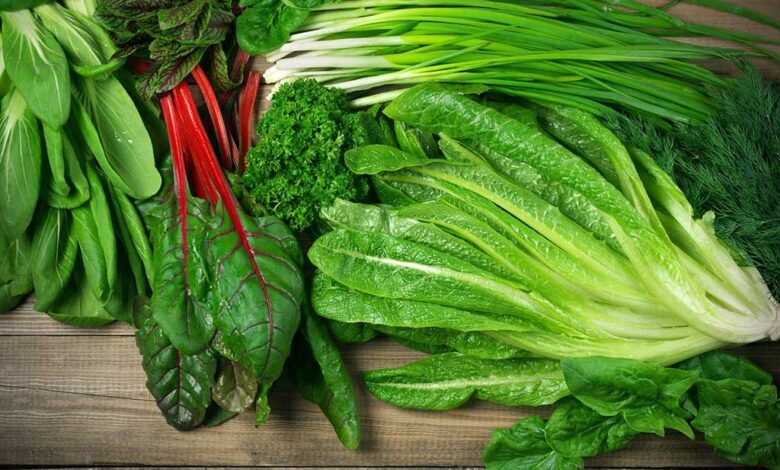
- Vegetables:Incorporate leafy greens, like spinach, kale, and romaine lettuce, for added nutrients and fiber. You can also add other vegetables, such as carrots, beets, and cucumbers.
- Liquids:Water is the most common liquid base for smoothies, but you can also use milk, nut milk, or yogurt for added protein and creaminess.
Examples of Smoothie Bases
- Yogurt:Greek yogurt is a good source of protein and calcium, and it can add a creamy texture to your smoothies.
- Milk:Cow’s milk, almond milk, soy milk, and oat milk are all popular choices for smoothie bases. They provide protein, calcium, and other nutrients.
- Nut Milk:Almond milk, cashew milk, and coconut milk are good options for those who are lactose intolerant or vegan. They are also lower in calories than cow’s milk.
Dos for Delicious and Healthy Smoothies
Creating a healthy and delicious smoothie is an art form that requires careful consideration of ingredients and blending techniques. It’s about achieving a perfect balance of flavors, textures, and nutrients to satisfy your taste buds and nourish your body. Let’s explore some tips and tricks to help you craft the perfect smoothie.
Designing a Nutrient-Rich Smoothie Recipe
A well-designed smoothie recipe should be a symphony of nutrients, providing your body with a wide range of vitamins, minerals, and antioxidants. Start by selecting a base of fruits and vegetables that offer a spectrum of flavors and nutritional benefits.
Consider incorporating leafy greens like spinach or kale for their abundance of vitamins and minerals. Berries are excellent sources of antioxidants and fiber. Add in some banana for potassium and a creamy texture.
- Prioritize Whole Foods:Base your smoothie on whole fruits and vegetables, ensuring you’re getting the most natural nutrients. Avoid excessive use of processed ingredients, like artificial sweeteners or flavorings.
- Variety is Key:Aim for a diverse mix of ingredients to create a balanced nutritional profile. Include fruits, vegetables, seeds, and nuts to provide a range of vitamins, minerals, and fiber.
- Consider Seasonal Produce:Embrace seasonal fruits and vegetables, as they are often at their peak flavor and nutrient content. This adds a touch of freshness and ensures you’re getting the most out of your ingredients.
Blending Techniques for Desired Texture
The texture of your smoothie can significantly impact its enjoyment. Achieving the perfect consistency requires careful blending techniques.
- Start with Liquids:Begin by adding liquids like water, milk, or yogurt to the blender. This helps to create a smooth base for the other ingredients.
- Add Frozen Ingredients Gradually:Frozen fruits and vegetables add thickness and creaminess. Add them gradually to the blender, allowing them to blend thoroughly before adding more.
- Blend in Stages:For smoother results, blend ingredients in stages. Start with the softer ingredients and gradually add the harder ones, ensuring everything is finely blended.
- Experiment with Blending Times:Adjust the blending time depending on the desired consistency. Longer blending times will result in a smoother texture, while shorter blending times will leave some texture.
Adjusting Sweetness with Natural Sweeteners
While natural sugars in fruits can provide sweetness, you might need to adjust the sweetness level to your preference. Honey and maple syrup are excellent natural sweeteners that add depth of flavor to your smoothie.
- Start Small:Add natural sweeteners gradually, starting with a small amount and tasting as you go. You can always add more, but it’s harder to remove excess sweetness.
- Experiment with Different Sweeteners:Explore different natural sweeteners like honey, maple syrup, agave nectar, or dates to find your favorite flavor profile.
- Consider the Fruit’s Sweetness:Adjust the amount of sweetener based on the natural sweetness of the fruits you use. For example, berries are naturally sweet, so you might need less sweetener compared to leafy greens.
Healthy Add-Ins for Extra Boost, The dos and donts for healthy smoothies
Adding healthy add-ins to your smoothie can enhance its nutritional value and create a more satisfying experience.
- Protein Powder:Protein powder provides a boost of protein, which can help with satiety and muscle recovery. Choose a plant-based or whey protein powder based on your dietary preferences.
- Chia Seeds:Chia seeds are packed with fiber, omega-3 fatty acids, and antioxidants. They add a subtle texture and a nutritional punch to your smoothie.
- Flaxseed:Flaxseed is another excellent source of fiber, omega-3 fatty acids, and lignans. It’s a versatile ingredient that can be easily incorporated into your smoothies.
- Nut Butters:Nut butters, like almond butter or peanut butter, add a creamy texture, protein, and healthy fats. They also provide a boost of flavor and satiety.
- Spices:Spices like cinnamon, ginger, or turmeric can add a touch of flavor and provide additional health benefits. Cinnamon can help regulate blood sugar levels, while ginger can aid digestion and turmeric has anti-inflammatory properties.
Don’ts for Avoiding Unhealthy Smoothie Habits
Smoothies can be a convenient and nutritious way to start your day or refuel after a workout. However, like any food or drink, they can easily become unhealthy if you’re not careful. By avoiding common smoothie mistakes, you can ensure your smoothies are a healthy and enjoyable part of your diet.
The Dangers of Excessive Sugar and Artificial Sweeteners
It’s crucial to be mindful of the sugar content in your smoothies. Many commercially prepared smoothies, even those marketed as healthy, can be loaded with added sugars. Excessive sugar intake can lead to weight gain, increased risk of chronic diseases like type 2 diabetes, and contribute to tooth decay.
Artificial sweeteners, while often marketed as a healthier alternative, can also have negative consequences. Some studies suggest they may disrupt gut bacteria, contribute to cravings for sweet foods, and potentially increase the risk of metabolic disorders.
It’s important to remember that natural sugars found in fruits are generally healthier than added sugars. However, even natural sugars should be consumed in moderation.
The Importance of Portion Control and Mindful Consumption
While smoothies can be a great way to pack in nutrients, it’s important to practice portion control. A large smoothie can easily exceed your daily calorie needs, especially if it’s loaded with high-calorie ingredients like nuts, seeds, or avocado.
Mindful consumption involves paying attention to your body’s signals of fullness and stopping when you feel satisfied. This helps you avoid overeating and ensures you’re getting the most out of your smoothie without overdoing it.
Unhealthy Ingredients to Avoid
- Processed Fruit Juices:While fruit juices may seem healthy, they often lack fiber and are concentrated sources of sugar. Opt for whole fruits instead, as they provide more nutrients and fiber, which helps you feel fuller for longer.
- Artificial Flavors and Sweeteners:These ingredients offer no nutritional value and can contribute to health problems. Choose natural sweeteners like honey or maple syrup in moderation, or better yet, rely on the natural sweetness of fruits.
- Excessive Amounts of Dairy:While dairy can provide calcium and protein, too much can be problematic for some individuals. If you’re lactose intolerant, choose dairy alternatives like almond milk or soy milk.
- Added Fats:While healthy fats are essential, too much can contribute to calorie overload. Limit your intake of high-fat ingredients like butter, cream, and heavy cream.
Smoothie Variations for Different Goals
Smoothies are incredibly versatile, making them perfect for adapting to different dietary needs and fitness goals. You can tailor your smoothie to support weight loss, muscle building, or energy boosting by adjusting the ingredients and proportions.
Okay, so you’re all about those healthy smoothies, right? I’m with you, but sometimes, you just need a hearty, flavorful treat. That’s where a bbq meatball sub comes in! But back to those smoothies, remember to prioritize fresh fruits and veggies, and try to keep the sugar content low.
A little indulgence is okay, but balance is key!
Smoothie Recipes for Different Goals
The following table Artikels smoothie recipes designed for different goals, highlighting key ingredients and their benefits:
| Goal | Recipe | Key Ingredients | Benefits |
|---|---|---|---|
| Weight Loss | Green Smoothie with Berries | Spinach, Kale, Berries, Greek Yogurt, Water | High in fiber, protein, and antioxidants, promoting satiety and aiding in weight management. |
| Muscle Building | Protein Power Smoothie | Whey Protein, Banana, Peanut Butter, Almond Milk | Provides a high dose of protein, essential for muscle growth and repair. |
| Energy Boosting | Superfood Smoothie | Acai Berries, Spinach, Banana, Chia Seeds, Almond Milk | Packed with antioxidants, healthy fats, and fiber, providing sustained energy levels. |
Pre-Workout Smoothie Recipe
A pre-workout smoothie should provide a quick burst of energy and carbohydrates for optimal performance.
Pre-Workout Power Smoothie
1 cup frozen banana
1/2 cup almond milk
1 scoop whey protein
1 tablespoon peanut butter
1/2 teaspoon cinnamon
This smoothie offers a balance of carbohydrates, protein, and healthy fats, promoting sustained energy levels during your workout.
When making healthy smoothies, remember to load up on fruits and veggies, but be mindful of added sugars. If you’re craving something savory, try a delicious and healthy alternative like steak tacos with chimichurri sauce. Back to smoothies, always opt for unsweetened plant-based milk and avoid excessive amounts of protein powder.
A balanced smoothie should be a refreshing and nutritious treat!
Smoothie Recipes for Specific Dietary Needs
Smoothies can be easily adapted to meet various dietary needs.
Vegan Smoothie
Vegan Green Smoothie
1 cup spinach
1/2 cup frozen mango
1/2 cup almond milk
1 tablespoon chia seeds
When crafting healthy smoothies, it’s crucial to prioritize whole foods and limit added sugars. But sometimes, you need a protein boost! For those days, check out 7 quick recipes using hard boiled eggs for some delicious and easy ideas.
Once you’ve got your protein fix, you can easily incorporate hard-boiled eggs into your smoothie for a satisfying and nutrient-rich drink.
1/2 teaspoon vanilla extract
This recipe is completely plant-based and packed with nutrients, providing a delicious and satisfying vegan option.
Gluten-Free Smoothie
Gluten-Free Berry Blast
1 cup frozen blueberries
1/2 cup almond milk
1/4 cup Greek yogurt
1 tablespoon chia seeds
1/4 teaspoon cinnamon
This recipe is naturally gluten-free, offering a refreshing and nutritious smoothie option for those with gluten sensitivities.
Smoothie Storage and Preparation: The Dos And Donts For Healthy Smoothies
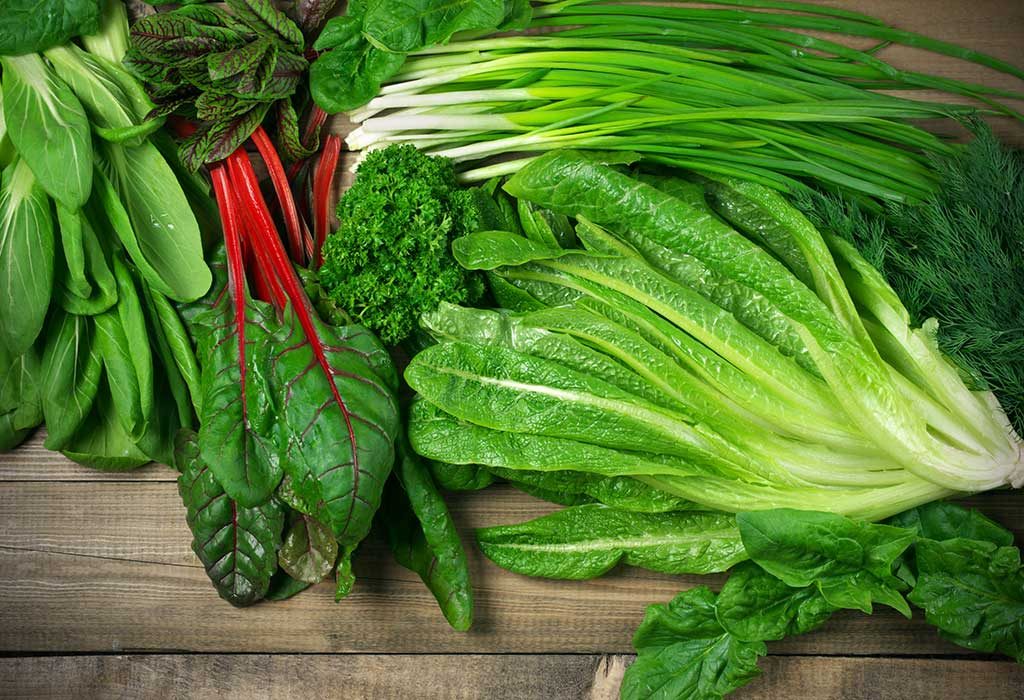
Making smoothies in advance can be a convenient way to ensure you have a healthy and delicious breakfast or snack ready to go. However, it’s important to store them properly to maintain their freshness and nutritional value.
Storing Smoothies for Optimal Freshness
Storing smoothies correctly is essential to preserve their flavor, texture, and nutritional content. Here are some tips:
- Use airtight containers:This prevents oxidation and helps maintain the smoothie’s consistency.
- Refrigerate promptly:Once blended, refrigerate your smoothie within 30 minutes to minimize bacterial growth.
- Store for a limited time:For optimal freshness, consume your smoothie within 1-2 days. After this, the flavor and texture may deteriorate, and some nutrients may be lost.
Making Smoothies in Advance: Benefits and Drawbacks
Making smoothies ahead of time can save you time and effort, but it’s crucial to consider both the advantages and disadvantages:
Benefits
- Time-saving:Preparing your smoothie in advance can streamline your morning routine or provide a healthy snack on the go.
- Meal planning:Pre-made smoothies allow for better meal planning and ensure you have a nutritious option readily available.
- Portion control:Blending a smoothie in advance can help you manage your portion sizes and avoid overeating.
Drawbacks
- Nutritional loss:Some nutrients, particularly vitamins and antioxidants, can degrade over time, especially when exposed to air and light.
- Texture changes:The texture of your smoothie may change over time, becoming thicker or more watery depending on the ingredients.
- Flavor alterations:Certain ingredients, such as leafy greens, may become more bitter or less flavorful when stored for extended periods.
Freezing Smoothies for Later Consumption
Freezing smoothies is a great way to preserve them for longer periods. However, some considerations are essential for optimal results:
- Choose the right ingredients:Some ingredients, like bananas, freeze well and contribute to a creamy texture. Others, like leafy greens, may become watery when frozen. Avoid using ingredients that tend to separate or become grainy when frozen.
- Use freezer-safe containers:Opt for airtight containers with enough space for expansion during freezing.
- Leave room for expansion:Fill the containers only about 80% full to allow for expansion as the smoothie freezes.
- Thaw properly:To prevent ice crystals and maintain texture, thaw frozen smoothies in the refrigerator overnight or at room temperature for a few hours. You can also blend the thawed smoothie briefly to restore its consistency.
Closing Summary
With a little planning and knowledge, creating healthy and delicious smoothies can be a breeze. By following the dos and don’ts Artikeld in this guide, you can enjoy the many benefits of smoothies while avoiding common pitfalls. Remember, the key is to focus on fresh, whole ingredients, and to be mindful of your portion sizes.
So go ahead, experiment with different flavors and combinations, and discover the joy of a truly healthy and satisfying smoothie experience!