
The Healthiest Ways To Order At Jamba Juice
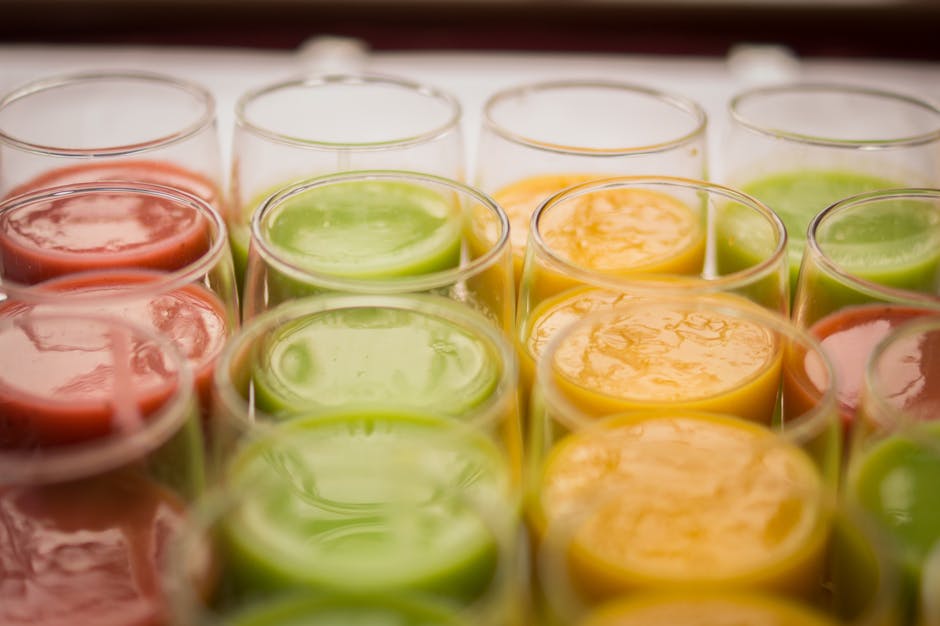
Jamba Juice Healthiest Order Guide: Maximizing Nutrition and Minimizing Sugar
Navigating the Jamba Juice menu with a health-conscious mindset requires a strategic approach, prioritizing whole fruits, vegetables, and mindful additions while actively avoiding hidden sugars and excessive caloric density. This guide aims to equip consumers with the knowledge to make informed choices, transforming a potentially sugary indulgence into a genuinely nourishing beverage. Understanding the core components of Jamba Juice’s offerings – their fruit bases, add-ins, and sweeteners – is the first step towards optimizing your order for maximum nutritional benefit and minimal detrimental impact.
The Foundation: Fruit and Vegetable Bases
Jamba Juice’s strength lies in its foundation of blended fruits. However, even within these seemingly healthy options, variations in sugar content and nutrient profiles exist. When aiming for the healthiest order, prioritize blends that emphasize berries, particularly blueberries and raspberries, due to their lower glycemic index and high antioxidant content. The "Strawberries Wild" and "Berry Blended" options, while popular, can still be high in added sugars if not carefully managed. Opting for unsweetened almond milk or water as your liquid base instead of fruit juices or sherbet significantly reduces the overall sugar load. Consider the "Purely Pistachio" smoothie as a base; while it contains nuts and seeds, it typically relies on a less sugary fruit blend and offers beneficial fats and protein. Another excellent foundation is the "Greens & Ginger" or any smoothie where a significant portion of the base is comprised of spinach, kale, or other leafy greens. These provide essential vitamins, minerals, and fiber without contributing to sugar spikes. When customizing, explicitly request that the base be made with water or unsweetened plant-based milk. Avoid any base that lists "sorbet" or "frozen yogurt" as a primary ingredient, as these are often loaded with added sugars and artificial ingredients.
Strategic Add-ins: Boosting Nutrition Without the Calorie Bomb
Jamba Juice offers a plethora of add-ins, each with the potential to either enhance or detract from the healthfulness of your smoothie. For a truly nutritious boost, focus on whole food ingredients that offer protein, healthy fats, and fiber. Chia seeds, flax seeds, and hemp seeds are excellent choices, providing omega-3 fatty acids, fiber, and a small amount of protein. These are generally low in calories and offer substantial health benefits. Protein powders, when chosen wisely, can be a valuable addition. Opt for unflavored or naturally sweetened whey protein isolate or plant-based protein powders (pea, brown rice, or a blend) that contain minimal added sugars and artificial ingredients. Read the labels carefully; many protein powders are laden with sweeteners and fillers. Greek yogurt, particularly plain, non-fat Greek yogurt, is another excellent source of protein and probiotics, contributing to satiety and gut health. When ordering, specify "plain" Greek yogurt to avoid sweetened varieties.
The "superfood" add-ins like spirulina and wheatgrass are potent sources of vitamins, minerals, and antioxidants. A small amount can significantly boost the nutritional density of your smoothie without adding substantial calories or sugar. Similarly, ginger and turmeric are fantastic anti-inflammatory ingredients that can be incorporated for their health benefits.
However, caution is advised with certain seemingly healthy add-ins. Many pre-made "boosts" or "shots" are concentrated sources of sugar. For example, some acai or goji berry blends can be surprisingly high in sugar. If you want the benefits of these superfruits, it’s often better to have them in their whole or minimally processed form within the smoothie itself, rather than as a concentrated shot. Avoid any add-ins that are liquid sweeteners, syrups, or flavored yogurts that are not explicitly labeled as unsweetened.
Sweetener Strategies: The Silent Culprit
Sugar is the most significant health concern at Jamba Juice, and it often lurks in unexpected places. The key to a healthy Jamba Juice order is to minimize or eliminate added sweeteners. Many of Jamba’s signature smoothies are designed for palatability, which often translates to high sugar content. The most straightforward way to control sugar is to explicitly request "no added sweetener" or "no honey," "no agave," and "no sugar." Ripe bananas, while a natural sweetener, can still contribute a significant amount of sugar. If you are monitoring your sugar intake, consider requesting half a banana or opting for other fruits that provide sweetness without such a high sugar load.
Many customers mistakenly believe that honey or agave nectar are healthier alternatives to refined sugar. While they may have a slightly lower glycemic index, they are still concentrated sources of fructose and glucose. Their caloric and sugar impact is largely the same. Therefore, when aiming for the healthiest order, these should be avoided. If you absolutely need a touch of sweetness, ask for a very small amount of date paste, which offers fiber along with sweetness, or rely solely on the natural sweetness of the fruits themselves.
Be aware that some fruit juices used as bases are also heavily sweetened. Always inquire about the ingredients of the juice bases. If possible, substitute with unsweetened almond milk, coconut milk (unsweetened), or simply water. This one substitution can drastically reduce the sugar content of your smoothie.
Portion Control: Size Matters
Even the healthiest smoothie can become a caloric indulgence if consumed in excessive quantities. Jamba Juice offers various sizes, and opting for a "small" or "regular" size is crucial for managing calorie and sugar intake. A "large" or "epic" size can easily contain double the calories and sugar of a smaller version, making it a less ideal choice for daily consumption or for those managing their weight or blood sugar. Consider the nutritional information provided by Jamba Juice (available online or in-store) to make informed decisions about portion sizes that align with your dietary goals. If you find that even a small smoothie is too much, consider ordering it "kid’s size" if available, or plan to share your larger smoothie with a friend.
Decoding Specific Menu Items and Customization Best Practices
To further refine your Jamba Juice experience, let’s delve into specific menu categories and offer actionable customization advice:
-
Classic Smoothies: While many classics are delicious, they are often high in sugar. For example, the "Strawberry Whirl" is typically made with strawberries, banana, frozen yogurt, and apple juice. To healthify this, request it with water or unsweetened almond milk, hold the frozen yogurt (or substitute with plain Greek yogurt), and ask for no added sweetener. If you still desire a strawberry-forward flavor, you could add an extra half-serving of fresh strawberries.
-
Green Smoothies: These are generally a better starting point. However, always check the ingredients. The "Kale Yeah!" smoothie, for example, often includes kale, spinach, apple juice, banana, and ginger. To make it healthier, substitute apple juice with water or unsweetened almond milk. If the banana contributes too much sugar for your preference, ask for only half a banana or none at all, relying on the sweetness of other fruits or a small amount of date paste if needed. Adding a scoop of plain Greek yogurt or chia seeds will enhance its protein and fiber content.
-
Smoothie Bowls: Smoothie bowls are often even more caloric and sugar-dense than their liquid counterparts due to toppings. If you opt for a smoothie bowl, choose a base made with water or unsweetened plant milk. Be extremely judicious with toppings. Opt for fresh fruit, a sprinkle of chia seeds, or a small amount of unsweetened granola. Avoid sugary drizzles, sweetened coconut, or excessive amounts of dried fruit.
-
Juices: While seemingly healthier, many of Jamba Juice’s fresh-pressed juices can be very high in natural sugars due to the concentration of fruit. If you choose a juice, prioritize those with a higher vegetable-to-fruit ratio, such as those incorporating cucumber, celery, or spinach. However, for overall health, smoothies blended with whole fruits and vegetables (including the pulp) are generally preferable for their fiber content.
-
Customization is Key: The power to create a healthy Jamba Juice lies in your ability to customize. Don’t be afraid to ask for modifications. Here’s a checklist for ordering:
- Liquid Base: Water or Unsweetened Plant Milk (Almond, Coconut)
- Fruit: Prioritize berries, and limit high-sugar fruits like mango and pineapple if sugar is a concern. Consider requesting half the usual amount of banana.
- Vegetables: Spinach, kale, cucumber, celery, ginger, turmeric are excellent additions.
- Protein/Fat: Plain Greek yogurt, chia seeds, flax seeds, hemp seeds, unsweetened protein powder (pea, brown rice, whey isolate with minimal ingredients).
- Sweetener: NO added honey, agave, or sugar. Rely on natural fruit sweetness. If absolutely necessary, a tiny amount of date paste.
- Exclusions: Ask to exclude sorbet, frozen yogurt (unless plain Greek yogurt is a substitute), and any pre-made sugary boosts.
The Jamba Juice menu, while offering delicious options, can be a minefield for those seeking to maintain a healthy diet. By understanding the nutritional impact of different ingredients and employing strategic customization, consumers can transform their Jamba Juice experience from a sugar-laden treat to a genuinely nourishing and beneficial beverage. Prioritizing whole foods, minimizing added sugars, and being mindful of portion sizes are the cornerstones of ordering healthily at Jamba Juice.
