
Shrimp Asparagus Zoodle Pasta
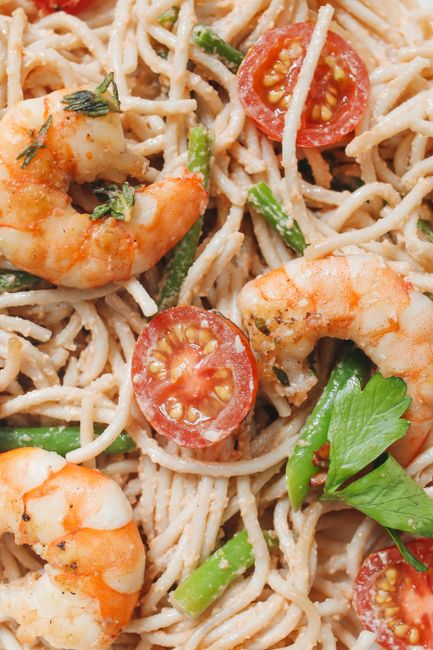
Shrimp Asparagus Zoodle Pasta: A Light, Flavorful, and SEO-Optimized Recipe for a Healthy Meal
Shrimp asparagus zoodle pasta emerges as a standout dish for those seeking a nutrient-dense, low-carb, and incredibly flavorful meal. This recipe capitalizes on the inherent goodness of fresh ingredients, offering a vibrant and satisfying alternative to traditional pasta dishes. The core components – succulent shrimp, crisp asparagus, and tender zucchini noodles (zoodles) – create a symphony of textures and tastes that are both refreshing and comforting. Beyond its appealing culinary profile, this dish is a powerhouse of nutrition. Shrimp, a lean protein source, provides essential amino acids and minerals like selenium and iodine, crucial for thyroid function and antioxidant defense. Asparagus, a springtime favorite, is rich in vitamins A, C, and K, as well as folate and fiber, contributing to eye health, immune support, and digestive regularity. Zucchini, when transformed into zoodles, offers a low-calorie, low-carbohydrate base that is significantly lighter than durum wheat pasta, making it an excellent choice for individuals managing carbohydrate intake or pursuing ketogenic or paleo diets. The beauty of this dish lies in its versatility; it can be adapted to suit various dietary preferences and flavor profiles, making it a go-to for weeknight dinners and impressive entertaining alike. This article will delve into the intricacies of preparing this delightful meal, covering ingredient selection, preparation techniques, optimal cooking methods, and strategies for maximizing its SEO potential through targeted keywords and comprehensive content.
The foundation of a truly exceptional shrimp asparagus zoodle pasta lies in the quality of its ingredients. For the shrimp, opt for fresh, wild-caught varieties whenever possible. Their superior flavor and texture are unparalleled. Frozen shrimp can be a viable alternative, provided they are thawed properly to retain moisture and avoid a watery outcome. Look for medium to large-sized shrimp, peeled and deveined for convenience, though this step is easily accomplished at home. The asparagus should be firm and vibrant green, with tightly closed tips. Thicker stalks offer a more robust flavor and a satisfying crunch, while thinner spears cook more quickly and provide a delicate sweetness. When selecting zucchini for your zoodles, choose medium to large specimens with smooth, unblemished skin. Overly large or yellowing zucchini can sometimes be watery and less flavorful. A good spiralizer is an indispensable tool for transforming zucchini into uniform, spaghetti-like strands. The type of spiralizer – manual or electric – will influence the ease and speed of preparation, but the end result is equally delightful. For the sauce, consider a base that complements the lightness of the other ingredients. A garlic-infused olive oil sauce is a classic for a reason, allowing the natural flavors of the shrimp and vegetables to shine. However, variations involving lemon zest, white wine, or even a light pesto can elevate the dish further. Fresh herbs, such as parsley, basil, or chives, are essential for adding bursts of freshness and visual appeal. The type of olive oil used also matters; a good quality extra virgin olive oil will contribute a nuanced flavor profile.
The preparation process for shrimp asparagus zoodle pasta is designed for efficiency and maximum flavor extraction. Begin by preparing your zoodles. Wash the zucchini thoroughly and trim off the ends. Using your spiralizer, create long, spaghetti-like strands. It’s crucial to avoid over-spiralizing or creating excessively short pieces, as this can lead to a mushy texture. Once the zoodles are formed, gently lay them on a clean kitchen towel or paper towels and allow them to drain for about 10-15 minutes. This crucial step removes excess moisture, preventing the final dish from becoming watery. While the zoodles are draining, prepare the shrimp. If using unpeeled shrimp, ensure they are thoroughly peeled and deveined. Pat the shrimp dry with paper towels to ensure a good sear. Season the shrimp generously with salt and freshly ground black pepper. For the asparagus, wash and trim the woody ends. You can then either cut the asparagus spears into bite-sized pieces (about 1-2 inches long) or, for a more elegant presentation, leave them whole if they are thin and tender. If the asparagus stalks are thicker, consider blanching them briefly in boiling water for 1-2 minutes before adding them to the pan, which will ensure they cook through evenly and retain their vibrant green color. Mince fresh garlic cloves, as garlic is the aromatic backbone of this dish. Finely chop fresh herbs like parsley, basil, or chives for garnishing.
The cooking phase is where the magic happens, transforming these individual ingredients into a cohesive and delicious meal. Begin by heating a tablespoon or two of olive oil in a large skillet or sauté pan over medium-high heat. Once the oil is shimmering, add the seasoned shrimp in a single layer. Avoid overcrowding the pan, as this will steam the shrimp rather than searing them, resulting in a less desirable texture. Cook the shrimp for 1-2 minutes per side, or until they turn pink and opaque. Remove the shrimp from the skillet and set aside. In the same skillet, add another tablespoon of olive oil if needed. Add the minced garlic and sauté for about 30-60 seconds until fragrant, being careful not to burn it. If you are using asparagus pieces, add them to the skillet now and sauté for 3-5 minutes, or until they are tender-crisp and bright green. If using whole asparagus spears, add them and cook for a similar duration, turning occasionally. Once the asparagus is nearly tender, it’s time to introduce the zoodles. Add the drained zoodles to the skillet and toss them with the garlic and asparagus. Cook for only 1-2 minutes, just long enough to warm them through. Overcooking the zoodles will result in a mushy, unappealing texture. The goal is to retain a slight bite, similar to al dente pasta. Return the cooked shrimp to the skillet and toss everything together gently. Season with salt and freshly ground black pepper to taste. A squeeze of fresh lemon juice at this stage adds a bright, zesty note that cuts through the richness and enhances all the flavors. Garnish generously with chopped fresh herbs before serving.
To optimize the SEO potential of content surrounding "shrimp asparagus zoodle pasta," a strategic approach to keyword integration and topic coverage is essential. The primary keyword, "shrimp asparagus zoodle pasta," should be naturally woven into the title, headings, and throughout the body of the article. Secondary keywords that users might search for include "zucchini noodle shrimp recipe," "healthy shrimp pasta," "low carb shrimp asparagus," "easy weeknight dinner," "gluten-free shrimp pasta," "keto shrimp recipe," "paleo shrimp asparagus," and "spiralizer recipes." These keywords should be incorporated organically, without resorting to keyword stuffing, which can negatively impact search engine rankings. The article should aim to answer common user queries related to this dish, such as "how to make zoodles," "best way to cook shrimp," "substitutions for pasta," and "nutritional benefits of zucchini noodles." Creating comprehensive content that addresses these questions will enhance the article’s authority and relevance in the eyes of search engines. Utilizing descriptive language and focusing on the sensory appeal of the dish – "succulent shrimp," "crisp asparagus," "tender zoodles," "garlic-infused oil," "vibrant green" – will not only engage readers but also improve keyword association. Employing alt text for any accompanying images, describing their content using relevant keywords, is another crucial SEO best practice.
Exploring variations and substitutions further broadens the appeal and SEO reach of the shrimp asparagus zoodle pasta. For those with shellfish allergies or preferences, chicken or firm tofu can be excellent protein substitutes. Sliced chicken breast, sautéed until golden brown, or pan-fried tofu cubes can absorb the flavors of the sauce beautifully. For a vegetarian or vegan option, omit the shrimp entirely and focus on a generous portion of sautéed vegetables like mushrooms, bell peppers, and cherry tomatoes, perhaps with the addition of chickpeas for protein. The sauce can be adapted to suit various dietary needs. A dairy-free option can be achieved by using a cashew cream sauce or a simple broth-based sauce with extra garlic and herbs. For those following a ketogenic diet, ensure the ingredients are compliant. Coconut aminos can be used as a soy sauce substitute, and the overall carbohydrate content will naturally be low due to the absence of traditional pasta. Nutritional yeast can add a cheesy flavor to vegan versions. The addition of other vegetables can also enhance the dish. Cherry tomatoes, halved and sautéed until they burst, add a sweet acidity. Sliced bell peppers, snow peas, or broccoli florets can introduce further texture and nutritional complexity. A sprinkle of toasted pine nuts or slivered almonds can provide a delightful crunch and healthy fats. For an extra layer of flavor, consider adding a splash of dry white wine to deglaze the pan after sautéing the garlic and asparagus, allowing it to reduce before adding the zoodles. A pinch of red pepper flakes can introduce a subtle warmth.
The health benefits of shrimp asparagus zoodle pasta are a significant draw for health-conscious consumers and a valuable angle for SEO optimization. This dish is inherently low in calories and carbohydrates, making it an ideal choice for weight management and individuals following low-carb or ketogenic diets. The lean protein from the shrimp promotes satiety, helping to curb appetite and support muscle growth. The fiber content from the asparagus and zucchini aids in digestion, promotes gut health, and can help regulate blood sugar levels. Vitamins and minerals abound in this recipe. Vitamin C, abundant in asparagus, is a powerful antioxidant that supports immune function and skin health. Vitamin A, also found in asparagus, is crucial for vision and cell growth. Selenium, present in shrimp, plays a vital role in thyroid hormone metabolism and acts as an antioxidant. Folate, a B vitamin found in asparagus, is essential for DNA synthesis and cell repair. By highlighting these nutritional advantages, the article can attract users searching for "healthy pasta recipes," "low calorie meals," or "nutrient-dense dinners." Incorporating relevant keywords such as "high protein," "fiber rich," "antioxidant rich," and "vitamin packed" will further enhance the search visibility.
Understanding the culinary and nutritional advantages of shrimp asparagus zoodle pasta demonstrates its broad appeal. This dish caters to a diverse range of dietary needs and preferences, from gluten-free and low-carb to general healthy eating. The simplicity of its preparation makes it an accessible option for novice cooks, while the elegant presentation can impress even the most discerning diners. The ability to customize and adapt the recipe ensures that it remains a dynamic and evolving dish, capable of satisfying varied palates. By focusing on clear, actionable instructions, high-quality ingredient recommendations, and strategic keyword integration, this article aims to serve as a comprehensive and authoritative resource for anyone seeking to prepare and enjoy this delicious and healthy meal. The emphasis on freshness, flavor, and nutritional value positions shrimp asparagus zoodle pasta as a prime example of modern, health-conscious cuisine that is both satisfying and beneficial. The continuous evolution of culinary trends and the growing demand for nutrient-rich, low-impact meals ensure that dishes like this will remain popular and relevant for years to come.
