
How To Start Working Out To Lose Weight
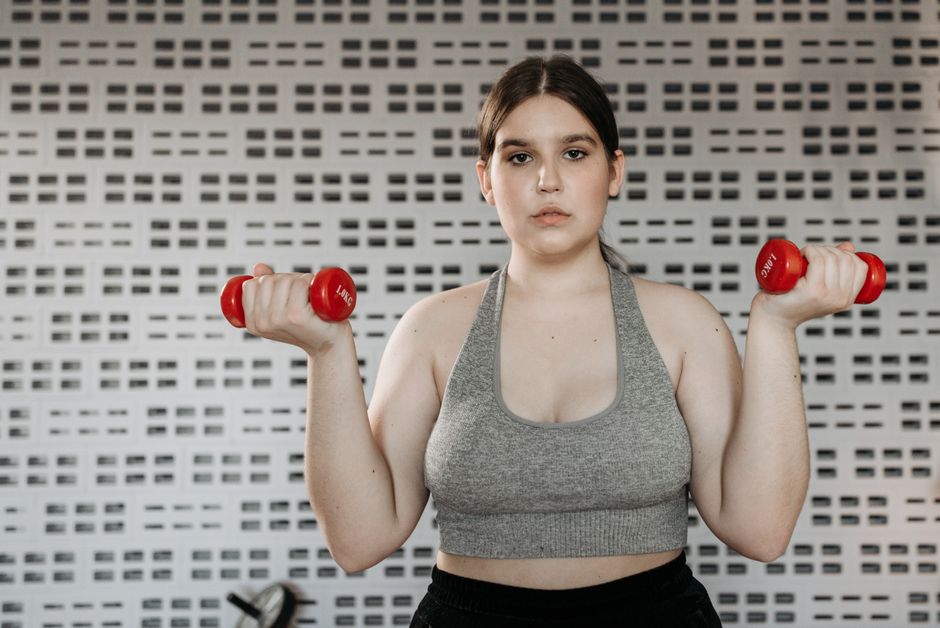
The Ultimate Guide to Starting a Workout Routine for Weight Loss
Embarking on a journey to lose weight through exercise requires a strategic and sustainable approach. The fundamental principle is creating a calorie deficit, meaning you burn more calories than you consume. Exercise significantly contributes to this deficit by increasing your total daily energy expenditure. Before commencing any new exercise program, consult with a healthcare professional to ensure it aligns with your individual health status and any pre-existing conditions. This article will detail how to initiate a workout routine designed for effective weight loss, focusing on practical steps, exercise types, frequency, intensity, and progressive overload.
The cornerstone of a successful weight loss workout plan is consistency. Sporadic bursts of activity will yield minimal long-term results. Aim for a minimum of 150 minutes of moderate-intensity aerobic activity or 75 minutes of vigorous-intensity aerobic activity per week, as recommended by public health guidelines. This can be broken down into manageable sessions, such as 30 minutes five times a week. Incorporating strength training is equally vital. Two to three sessions per week are recommended, targeting all major muscle groups. Strength training builds lean muscle mass, which is metabolically active, meaning it burns more calories at rest than fat tissue. This creates a synergistic effect, where both cardio and strength training contribute to a greater overall calorie burn and improved body composition.
Prior to initiating your workout routine, a thorough assessment of your current fitness level is crucial. This helps in selecting appropriate exercises and preventing overexertion or injury. Consider your existing physical limitations, any past injuries, and your overall endurance. For beginners, starting with lower-impact activities is advisable. Walking, cycling, swimming, and elliptical training are excellent options that place less stress on joints while still providing a significant cardiovascular workout. As your fitness improves, you can gradually increase the intensity and duration of these activities or transition to more demanding forms of cardio like running or high-intensity interval training (HIIT).
The principle of progressive overload is paramount for continuous improvement and sustained weight loss. This means gradually increasing the demands placed on your body over time. For cardiovascular exercise, this can involve increasing the duration of your workouts, the intensity (e.g., faster pace, steeper incline), or the frequency. For strength training, progressive overload can be achieved by increasing the weight lifted, the number of repetitions or sets, reducing rest periods between sets, or choosing more challenging exercise variations. Without progressive overload, your body will adapt to the current stimulus, and your weight loss progress will plateau.
Incorporating a variety of exercises into your routine not only prevents boredom but also targets different muscle groups and energy systems, leading to more comprehensive results. A balanced program will include both aerobic and anaerobic components. Aerobic exercises, such as running, swimming, or brisk walking, are excellent for burning calories during the workout and improving cardiovascular health. Anaerobic exercises, primarily strength training, build muscle mass, boost metabolism, and contribute to a higher resting calorie burn. Consider incorporating compound exercises in your strength training. These movements, like squats, deadlifts, lunges, push-ups, and rows, engage multiple muscle groups simultaneously, making them highly efficient for calorie expenditure and muscle building.
For individuals new to strength training, focusing on proper form is non-negotiable. Incorrect technique can lead to injuries and hinder progress. Start with bodyweight exercises to master the movements before adding external resistance. For example, begin with bodyweight squats, progressing to goblet squats with a dumbbell, then barbell squats as strength increases. Similarly, start with incline push-ups or knee push-ups before attempting standard push-ups. Seeking guidance from a certified personal trainer for a few sessions can be invaluable in learning correct form and developing a personalized training plan.
When designing your weekly workout schedule, aim for a balance between challenging your body and allowing for adequate recovery. Overtraining can lead to burnout, injury, and hormonal imbalances that can hinder weight loss. A typical beginner’s schedule might involve three days of moderate-intensity cardio and two days of full-body strength training, with rest days interspersed. As you become fitter, you can increase the frequency, intensity, and duration of your workouts, or consider splitting your strength training into upper and lower body days. Listen to your body; rest and recovery are as crucial as the workouts themselves.
Nutrition plays an equally significant role in weight loss as exercise. While exercise burns calories, your dietary intake determines the overall calorie balance. A calorie deficit achieved solely through exercise without dietary adjustments is often difficult to sustain and less effective. Focus on consuming whole, unprocessed foods, lean proteins, complex carbohydrates, and healthy fats. Hydration is also critical; adequate water intake supports metabolic processes, aids in exercise performance, and can help with satiety.
The intensity of your workouts directly impacts the number of calories burned. Moderate-intensity exercise elevates your heart rate and breathing, allowing you to talk but not sing. Vigorous-intensity exercise makes it difficult to speak more than a few words. Utilizing heart rate monitors or perceived exertion scales can help you gauge and maintain the appropriate intensity. For weight loss, aiming for a combination of moderate and vigorous intensity sessions can be highly effective. High-Intensity Interval Training (HIIT), characterized by short bursts of intense exercise followed by brief recovery periods, is particularly efficient for calorie burning in a shorter timeframe. However, HIIT is more demanding and should be approached cautiously by beginners, gradually increasing frequency as fitness improves.
Tracking your progress is an essential motivational tool and helps in making informed adjustments to your plan. This can involve monitoring weight, body measurements, workout performance (e.g., weights lifted, distances covered, times achieved), and how your clothes fit. Don’t get discouraged by daily weight fluctuations, which are normal and can be influenced by water retention and other factors. Focus on long-term trends and the positive changes you are experiencing in your fitness and overall well-being. Regularly reviewing your progress allows you to identify what is working well and where adjustments might be needed to overcome plateaus and continue moving towards your weight loss goals.
Incorporating active recovery into your routine is also beneficial. This involves light physical activity on rest days, such as gentle walking, stretching, or yoga. Active recovery helps improve blood flow, reduce muscle soreness, and promote healing without placing excessive stress on the body. This can aid in feeling more prepared and energized for your next scheduled workout, contributing to overall consistency and adherence to your program.
For individuals who find it challenging to initiate or maintain an exercise routine independently, seeking social support can be highly effective. This could involve exercising with a friend, joining a fitness class, or participating in group challenges. The accountability and camaraderie offered by a workout buddy or group can provide a strong incentive to stay committed, especially during moments of decreased motivation.
Ultimately, starting a workout routine for weight loss is a process of gradual adaptation and consistent effort. Prioritize creating a sustainable plan that fits your lifestyle and preferences. Focus on building foundational fitness through a combination of aerobic and strength training, gradually increasing intensity and volume, and listening to your body. Combine this with a balanced nutritional approach, and you will be well on your way to achieving your weight loss objectives and establishing a healthier, more active lifestyle. Remember that long-term success is built on a foundation of consistency, patience, and a commitment to overall well-being.
