
Tag Overnight Oats Page 2
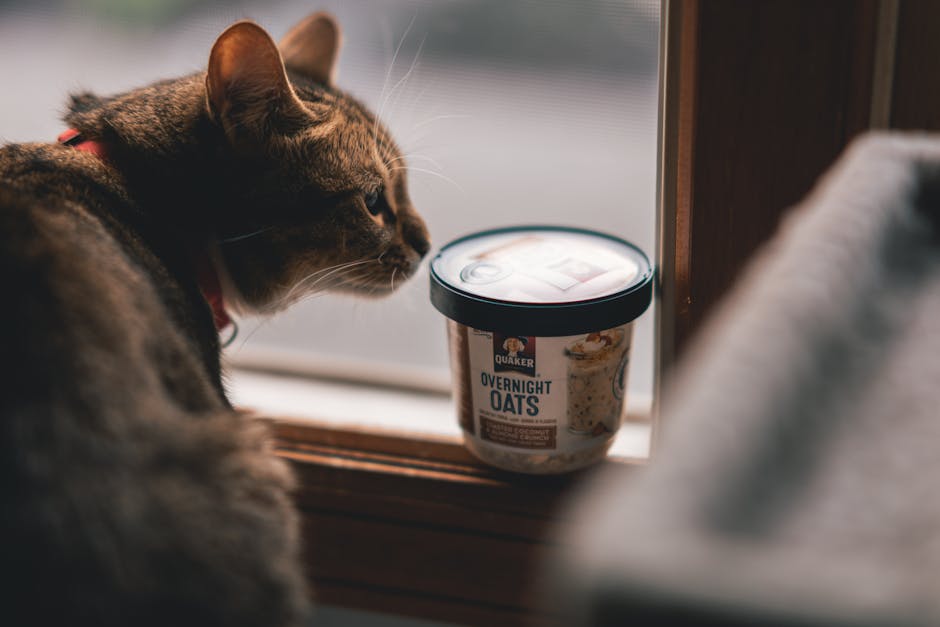
Tag Overnight Oats: Delicious, Convenient, and Customizable Breakfast Solutions
Overnight oats have surged in popularity as a quick, healthy, and versatile breakfast option, and for good reason. This no-cook method transforms humble rolled oats into a creamy, flavorful, and satisfying meal ready to be enjoyed straight from the refrigerator. The "tag" in overnight oats refers to the ability to customize and enhance this base recipe with an endless array of ingredients and flavor combinations. Whether you’re a seasoned meal prepper, a busy professional, or simply someone seeking a more nutritious and time-efficient breakfast, understanding the power of tagging your overnight oats can revolutionize your mornings. This comprehensive guide delves into the nuances of creating, customizing, and optimizing your overnight oat experience, focusing on the diverse "tags" that elevate this simple dish into a culinary delight.
The fundamental principle of overnight oats lies in the hydration of oats by a liquid, typically milk (dairy or non-dairy), yogurt, or even water, allowing them to soften and develop a pudding-like texture overnight. The standard ratio is generally 1:1 oats to liquid, though this can be adjusted for desired consistency. However, the true magic of overnight oats emerges from the "tags" – the additions that infuse flavor, texture, and nutritional value. These tags can be broadly categorized into several key areas: liquid bases, sweeteners, flavor boosters, textural elements, and nutritious additions. Mastering these categories allows for unparalleled customization, catering to every palate and dietary need.
Liquid bases form the foundation of your overnight oats. While milk is the most common choice, the variety available offers significant opportunities for flavor and dietary adaptation. Dairy milk, from whole to skim, provides a familiar creamy base. However, non-dairy alternatives have become incredibly popular and offer unique flavor profiles. Almond milk imparts a subtle nutty sweetness, coconut milk delivers a rich, tropical creaminess, oat milk offers a neutral and subtly sweet flavor that mimics dairy well, and soy milk provides a more robust protein content and a slightly beany undertone. Beyond milk, Greek yogurt can be incorporated to boost protein and create an even thicker, more decadent texture, often diluted with a splash of milk to reach the desired consistency. Water can be used as a base for a lighter, less calorie-dense option, though it typically requires more flavor additions to be palatable. Experimenting with different liquid bases is a crucial first "tag" in crafting your perfect overnight oats. For example, a base of full-fat coconut milk will yield a vastly different flavor and richness compared to a base of unsweetened almond milk. The choice of liquid also impacts the nutritional profile, with higher protein options like soy milk or the addition of Greek yogurt offering greater satiety.
Sweeteners are another vital "tag" that allows for precise control over the taste of your overnight oats. While some prefer to let the natural sweetness of fruits and other additions shine, others enjoy a more pronounced sweet note. Natural sweeteners are often favored for their perceived health benefits and complex flavor profiles. Maple syrup, with its distinct caramel notes, pairs beautifully with warming spices. Honey offers a floral sweetness and a slightly thicker consistency. Agave nectar provides a neutral sweetness and a thinner texture, ideal for not altering the overall flavor profile too dramatically. Dates, when blended into the liquid or finely chopped, add a natural sweetness and a chewy texture, alongside beneficial fiber. For those seeking low-calorie options, stevia or erythritol can be employed, though their artificial sweetness can be an acquired taste for some. It’s important to note that the amount of sweetener can be adjusted based on the sweetness of other ingredients like ripe bananas or dried fruits. Over-sweetening can mask the subtle flavors of other tags, so a balanced approach is often recommended.
Flavor boosters are where the true artistry of tagging overnight oats comes into play. These are the ingredients that transform a basic oat mixture into a gourmet breakfast experience. Spices are a cornerstone of flavor. Cinnamon, with its warming and comforting aroma, is a perennial favorite, often paired with nutmeg, cardamom, or ginger for a complex spice blend. Vanilla extract adds a subtle sweetness and depth. Cocoa powder or melted dark chocolate can create a decadent chocolate oat experience. Citrus zest, such as lemon or orange, can add a bright, zesty counterpoint to richer flavors. Extracts like almond or peppermint can offer a distinct and sophisticated flavor dimension. Even a pinch of salt can elevate the overall flavor profile by balancing sweetness and enhancing other tastes. Beyond spices and extracts, fruit purees, such as mashed banana or berry puree, act as both a sweetener and a flavor booster. Coffee or espresso powder can create a mocha-flavored oat, perfect for coffee lovers.
Textural elements are essential for creating an engaging and satisfying eating experience with overnight oats. Without them, the dish can become monotonous. Seeds are a prime example of a textural "tag." Chia seeds are incredibly popular due to their ability to absorb liquid and create a gel-like consistency, contributing to thickness and adding a subtle crunch. Flax seeds, when ground, also absorb liquid and provide a slightly nutty flavor and added fiber. Hemp seeds offer a subtle nuttiness and a satisfying chew. Nuts, whether whole, chopped, or in butter form, provide a crucial crunch and richness. Almonds, walnuts, pecans, and pistachios are all excellent choices. Nut butters, such as peanut butter, almond butter, or cashew butter, can be swirled in before serving or mixed directly into the oats for a creamy, nutty flavor and enhanced richness. Granola, added just before serving, provides a delightful contrast of crunch to the soft oats. Shredded coconut, toasted or untoasted, adds a tropical flavor and a chewy texture. Even small additions like popping quinoa can offer a unique textural surprise.
Nutritious additions are the "tags" that elevate overnight oats from a tasty breakfast to a powerhouse of health benefits. Protein is a key component for satiety and muscle repair. Protein powder, whether whey, plant-based, or collagen, can be mixed into the liquid base to significantly boost protein content. Greek yogurt, as mentioned earlier, is another excellent source of protein. Seeds like chia, flax, and hemp are also rich in protein and healthy fats. Fruits are a natural source of vitamins, minerals, and fiber. Berries, such as blueberries, raspberries, and strawberries, are packed with antioxidants and add natural sweetness. Bananas offer potassium and a creamy texture. Apples, pears, and stone fruits can also be incorporated, either fresh or cooked down. Vegetables, surprisingly, can also be tagged onto overnight oats. Grated zucchini or carrots, when finely grated, become virtually undetectable in the final product but add valuable fiber and nutrients. Spinach, when blended into the liquid base, can also be incorporated for a subtle nutrient boost without significantly altering the flavor, especially when combined with strong fruit flavors. Healthy fats are crucial for brain health and nutrient absorption. The seeds and nuts mentioned earlier are excellent sources of healthy fats, as are avocado and coconut oil.
Meal prepping with overnight oats is a primary driver of their popularity, and the "tag" system is perfectly suited for this. By preparing multiple jars of overnight oats with different tags on a Sunday, you can have a week’s worth of diverse and healthy breakfasts ready to go. This significantly reduces morning stress and the temptation to opt for less healthy, convenience foods. For example, one day could feature chocolate peanut butter banana overnight oats, the next a berry vanilla chia seed creation, and the next a tropical coconut mango delight. The key to successful meal prepping is ensuring that certain textural elements, like granola or fresh fruit that can become mushy, are added just before serving to maintain their desired texture.
SEO considerations are crucial for any content aimed at reaching a wider audience. For an article about overnight oats, keywords such as "overnight oats recipe," "healthy breakfast," "easy breakfast," "meal prep," "no-cook breakfast," "dairy-free oats," "vegan oats," and specific flavor combinations like "chocolate overnight oats" or "berry overnight oats" are highly relevant. Incorporating these keywords naturally throughout the text, especially in headings, subheadings, and the introduction, will improve search engine visibility. Furthermore, using descriptive language and providing actionable advice will enhance user engagement, leading to longer time on page and a better user experience, both of which are positive signals for SEO. The ability to create detailed, diverse, and appealing overnight oat recipes through effective "tagging" provides ample opportunity to naturally integrate these keywords.
Beyond simple flavor and texture, advanced "tagging" strategies can focus on specific dietary needs and health goals. For individuals managing blood sugar levels, incorporating ingredients with a lower glycemic index, such as steel-cut oats (though requiring a slightly longer soaking time or pre-cooking), and prioritizing fiber-rich additions like chia seeds and berries is essential. For those seeking increased protein, higher protein liquid bases and the addition of protein powder become paramount. Vegan overnight oats can be achieved by utilizing plant-based milks, plant-based yogurts, and avoiding honey as a sweetener. Gluten-free overnight oats require the use of certified gluten-free oats, as traditional oats can be cross-contaminated during processing.
The versatility of overnight oats also extends to their presentation. While a simple jar is perfectly functional, a little extra "tagging" in terms of aesthetics can elevate the experience. Layering different colored fruits, sprinkling a few extra seeds on top, or adding a sprig of mint can make the breakfast visually appealing, encouraging a more mindful and enjoyable consumption. This is particularly relevant for those sharing their creations on social media platforms, which can further drive interest and engagement with the concept of tagged overnight oats.
In conclusion, the "tag" system for overnight oats is not merely a trend; it’s a fundamental aspect of their adaptability and appeal. By understanding and strategically employing the various categories of liquid bases, sweeteners, flavor boosters, textural elements, and nutritious additions, individuals can craft personalized breakfast solutions that are both delicious and health-promoting. This comprehensive approach to customizing overnight oats ensures that they remain a relevant, convenient, and exciting option for diverse tastes and dietary requirements, solidifying their place as a staple in modern healthy eating. The ongoing evolution of "tagging" possibilities, from new ingredient discoveries to creative flavor pairings, guarantees that overnight oats will continue to offer endless opportunities for culinary exploration and morning satisfaction.
