
10 Healthy Hacks Eating Better Ballpark
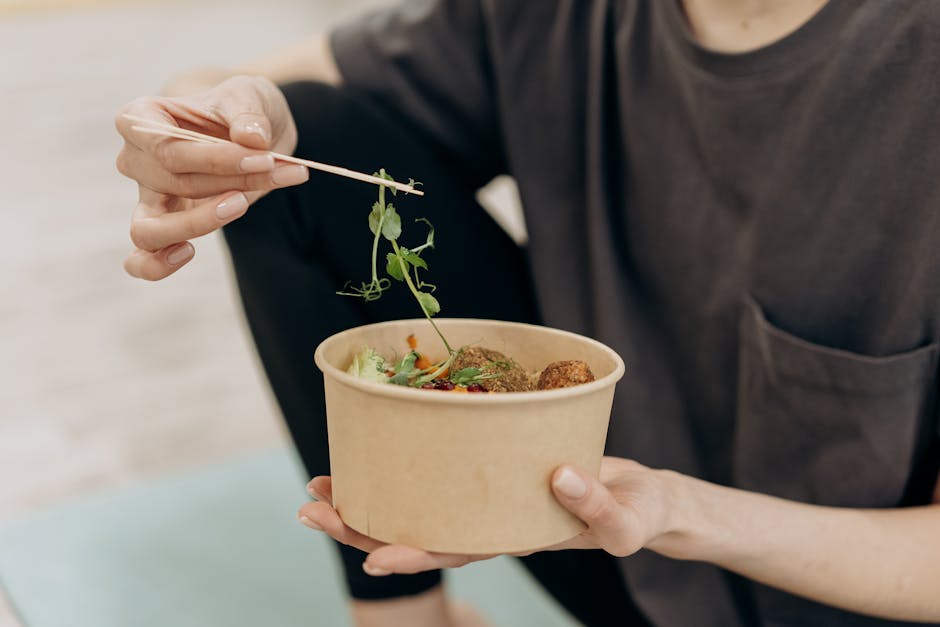
10 Healthy Hacks for Eating Better at the Ballpark
Navigating ballpark food can feel like a minefield for the health-conscious. The aroma of fried onions and sizzling sausages, while tempting, often leads to choices that derail nutritional goals. However, with strategic planning and a few smart hacks, enjoying the game doesn’t have to mean sacrificing your well-being. This article outlines ten practical and SEO-friendly strategies to make healthier eating choices at baseball stadiums, empowering fans to indulge in the experience without the guilt. We’ll delve into specific food swaps, pre-game preparation, and mindful consumption techniques that will redefine your ballpark culinary adventures.
1. Prioritize Protein-Packed Options to Combat Cravings
The cornerstone of any healthy eating strategy, especially in a calorie-dense environment like a ballpark, is adequate protein intake. Protein is satiating, meaning it helps you feel fuller for longer, significantly reducing the urge to graze on less nutritious, high-carbohydrate, and fatty snacks. Before you even arrive at the stadium, consider what protein-rich options are available and strategically choose them. Look for grilled chicken sandwiches (hold the mayo and extra cheese), lean turkey dogs (often a healthier alternative to beef), or even a simple hard-boiled egg if your stadium offers such a rarity. Many stadiums now offer elevated food options, so explore those for grilled fish tacos or lean beef skewers. If your stadium has a dedicated salad bar or offers salads with grilled protein, these are excellent choices. The key is to actively seek out protein sources rather than defaulting to the ubiquitous fried foods. When ordering, be mindful of preparation methods. Grilled or baked is always preferable to fried. If a protein-rich item is breaded, inquire about the possibility of it being served without the coating or opt for a less processed alternative. The protein will not only satisfy your hunger but also help stabilize blood sugar levels, preventing the energy crashes often associated with sugary or refined carb-heavy ballpark fare. This conscious protein focus is the first line of defense against unhealthy impulse buys.
2. Embrace Whole Grains: The Power of Complex Carbohydrates
While fried dough and refined buns abound, seeking out whole-grain options can dramatically improve the nutritional profile of your ballpark meal. Whole grains are rich in fiber, which aids digestion, promotes satiety, and helps regulate blood sugar. This is crucial at a ballpark where sedentary time is interspersed with bursts of activity, and fluctuating energy levels can lead to poor food choices. When ordering a sandwich or burger, ask if whole-wheat buns are available. Many establishments are increasingly offering this healthier alternative. If a whole-wheat bun isn’t an option, consider removing the top bun altogether, significantly reducing your refined carbohydrate intake. Some stadiums may offer wraps made with whole-wheat tortillas; these can be a good choice if they are filled with lean protein and plenty of vegetables. Another avenue to explore is opting for sides that feature whole grains, such as a quinoa salad or a side of brown rice, if available. Even seemingly simple choices, like choosing a pretzel made with whole wheat flour (if such a specialty item exists), can make a difference. The fiber in whole grains acts as a bulking agent, contributing to a feeling of fullness and preventing overeating. This conscious selection of complex carbohydrates over their refined counterparts is a fundamental hack for sustained energy and better overall digestion throughout the game.
3. Hydrate Smartly: Water is Your Best Friend (and Budget-Friendly)
The excitement of a game, coupled with the often warm weather, can lead to rapid dehydration, which can be mistaken for hunger. Reaching for sugary sodas or calorie-laden sports drinks when thirsty is a common pitfall at the ballpark. The simplest and most effective hydration hack is to consistently drink water. Most stadiums offer free water refills at designated stations or will provide a cup of water upon request, often without charge. Carry a reusable water bottle and fill it up before entering the stadium or throughout the game. This not only saves money but also significantly reduces your intake of empty calories and artificial sweeteners found in many commercial beverages. If plain water feels too bland, consider bringing a portable water bottle infuser or asking for lemon or lime wedges to add a hint of flavor. Avoid sugary sodas, sweetened iced teas, and specialty "fan" drinks that are often packed with sugar and calories. Even seemingly innocent sports drinks can be loaded with sugar. Prioritizing water throughout the game will keep you feeling hydrated, prevent thirst-induced hunger pangs, and contribute to your overall well-being. This simple yet powerful hack is often overlooked but is arguably the most impactful for healthy ballpark eating.
4. Veggie-Forward Choices: Load Up on Produce When Possible
While the classic ballpark menu leans heavily on meat and fried items, there’s often a growing emphasis on fresh produce. Actively seek out these options to boost your intake of vitamins, minerals, and fiber. Many stadiums now offer more elaborate salads with a variety of fresh greens, vegetables, and lean protein options. Choose these over creamy dressings; opt for vinaigrettes or ask for dressing on the side so you can control the portion. If salads aren’t your preference, look for sandwiches or wraps that are loaded with vegetables. Ask for extra lettuce, tomatoes, onions, and peppers. If a burger or hot dog is your choice, consider adding a side salad or opting for a coleslaw that is vinegar-based rather than mayonnaise-based. Some stadiums are even introducing fresh fruit cups or vegetable platters as healthier snack alternatives. Don’t underestimate the power of a simple side of sliced pickles or sauerkraut (in moderation) for added flavor and nutrients. The goal is to incorporate as much plant-based goodness as possible into your meal. The fiber and nutrients from vegetables will not only contribute to satiety but also provide essential micronutrients that are often lacking in typical ballpark fare. This conscious decision to prioritize produce is a key strategy for a balanced ballpark meal.
5. Portion Control is Paramount: Mindful Consumption at the Concession Stand
Ballpark portions are notoriously large, designed to be shared or to satisfy an intense craving. Practicing portion control is a critical hack to prevent overconsumption of calories and unhealthy ingredients. Even healthier options, when eaten in excessive quantities, can negate their benefits. Before you order, assess the size of the food item. If a meal is clearly meant for two, consider sharing it with a friend or family member. Alternatively, plan to eat only half of the item and save the rest for later, if feasible. Many stadiums offer smaller snack-sized versions of popular items; these can be a good option to satisfy a craving without overdoing it. When ordering, consciously think about what a reasonable portion size would be for a single meal. Avoid the temptation to "get your money’s worth" by consuming everything in sight. Focus on savoring each bite and listening to your body’s hunger cues. Eating slowly and mindfully, rather than rushing through your meal while distracted by the game, will help you recognize when you’ve had enough. This deliberate approach to portioning is vital for maintaining a healthy calorie intake and preventing the feeling of being overly full and sluggish.
6. Smart Swaps: Trade Up for Healthier Ingredients
The concept of smart swaps is about making small, impactful changes to your food choices without sacrificing enjoyment. This is a cornerstone of healthy eating at the ballpark. Instead of a regular beef hot dog, opt for a turkey dog or a vegetarian hot dog if available. If you’re craving fries, see if baked sweet potato fries or a side of roasted vegetables are offered as an alternative. When ordering a burger, request it without cheese or with a lighter cheese option, and consider removing one of the buns. If a fried chicken sandwich is your go-to, look for a grilled chicken option instead. Many stadiums now offer wraps with whole-wheat tortillas, which can be a healthier base than a white bread bun, provided they are filled with lean protein and abundant vegetables. Even small modifications can make a big difference. Ask for condiments like ketchup and mustard on the side, so you can control the amount used, as many are high in sugar and sodium. Opting for a vinegar-based coleslaw over a creamy, mayonnaise-laden version is another excellent swap. These seemingly minor adjustments, when implemented consistently, significantly reduce your intake of unhealthy fats, added sugars, and sodium.
7. Pre-Game Fueling: Don’t Arrive Starving
Arriving at the ballpark on an empty stomach is a recipe for disaster when it comes to making healthy food choices. You’re more likely to succumb to the most readily available, often unhealthy, options. The most effective pre-game hack is to eat a balanced and satisfying meal at home or pack a healthy snack to enjoy before entering the stadium. This will curb your intense hunger and give you more control over your choices once you’re at the concession stands. A meal rich in lean protein, complex carbohydrates, and healthy fats will keep you feeling full and energized for longer. Examples include a lean chicken breast with a side of quinoa and vegetables, a large salad with grilled salmon, or a whole-wheat sandwich with turkey and avocado. If you prefer to snack, pack a handful of almonds, a piece of fruit, or a container of Greek yogurt. This pre-game fueling strategy ensures that you’re not making decisions based on desperation and allows you to approach the ballpark food options with a more measured and mindful perspective. It’s about setting yourself up for success rather than battling intense hunger from the moment you arrive.
8. Strategic Snacking: Pack Your Own Nutritious Treats
While stadiums have a wide array of tempting snacks, many are laden with sugar, unhealthy fats, and sodium. A smart and often overlooked hack is to pack your own healthier snack options to bring into the game. This gives you complete control over what you’re consuming and can significantly reduce your reliance on concession stand fare. Opt for portable, non-perishable items that are easy to eat without making a mess. Examples include:
- Nuts and Seeds: Almonds, walnuts, pumpkin seeds, and sunflower seeds are excellent sources of healthy fats, protein, and fiber, providing sustained energy.
- Fruit: Apples, bananas, oranges, and grapes are natural energy boosters and provide essential vitamins and fiber.
- Vegetable Sticks: Carrot sticks, celery sticks, and bell pepper strips with a small container of hummus or a light, yogurt-based dip can be a refreshing and nutritious choice.
- Whole-Grain Crackers: Pair with a small amount of natural peanut butter or a light cheese stick.
- Rice Cakes: Top with a thin layer of natural nut butter or avocado.
- Protein Bars: Choose bars with minimal added sugar and a good balance of protein and fiber.
Always check the stadium’s specific policy on outside food and beverages before you go. However, most allow sealed water bottles and smaller snack items. This hack empowers you to make healthier choices readily available, bypassing the less nutritious temptations of the concession stands.
9. Be a Condiment Connoisseur: Control the Extras
Condiments, while often adding flavor, can also be hidden sources of sugar, sodium, and unhealthy fats. Being a "condiment connoisseur" means being mindful of what you’re adding to your food. Many popular condiments, such as ketchup, mayonnaise, BBQ sauce, and even some mustard varieties, are surprisingly high in sugar and sodium. A key healthy hack is to ask for condiments on the side whenever possible. This allows you to control the amount you use, rather than having a pre-determined, often excessive, amount applied. For example, instead of a dollop of ketchup on your hot dog, dip it lightly. Consider using mustard as a primary flavor enhancer, as it typically contains fewer calories and sugar than ketchup. If you’re opting for a salad, choose a vinaigrette over a creamy dressing, and ask for it on the side. If you’re ordering a sandwich, inquire about healthier spread options, like avocado or a light mustard, instead of mayonnaise. This conscious approach to condiments is a subtle yet effective way to reduce your intake of unnecessary calories and unhealthy additives, making your ballpark meal healthier without drastically changing the core food item.
10. Mindful Indulgence: Savor the Occasion, Not Just the Food
Finally, the ultimate healthy hack for ballpark eating is to practice mindful indulgence. This isn’t about complete restriction; it’s about savoring the experience and making conscious choices that align with your well-being. Recognize that a trip to the ballpark is an occasion, and a small, planned indulgence can be part of that experience. Instead of mindlessly snacking on everything in sight, decide in advance what you might want to enjoy, if anything. Perhaps it’s a single, high-quality hot dog or a small serving of your favorite treat. When you do choose to indulge, do so with intention. Savor each bite, appreciate the flavors, and stop when you’re comfortably satisfied, not overly stuffed. This approach allows you to enjoy the atmosphere and the traditional ballpark fare without derailing your overall healthy eating habits. It’s about finding a balance between enjoyment and well-being, recognizing that true enjoyment comes from feeling good, both physically and mentally, throughout and after the game. This mindful approach to indulgence transforms food from a potential source of regret into a harmonious part of the overall ballpark experience.
