
Tag Teriyaki Chicken Fried Rice
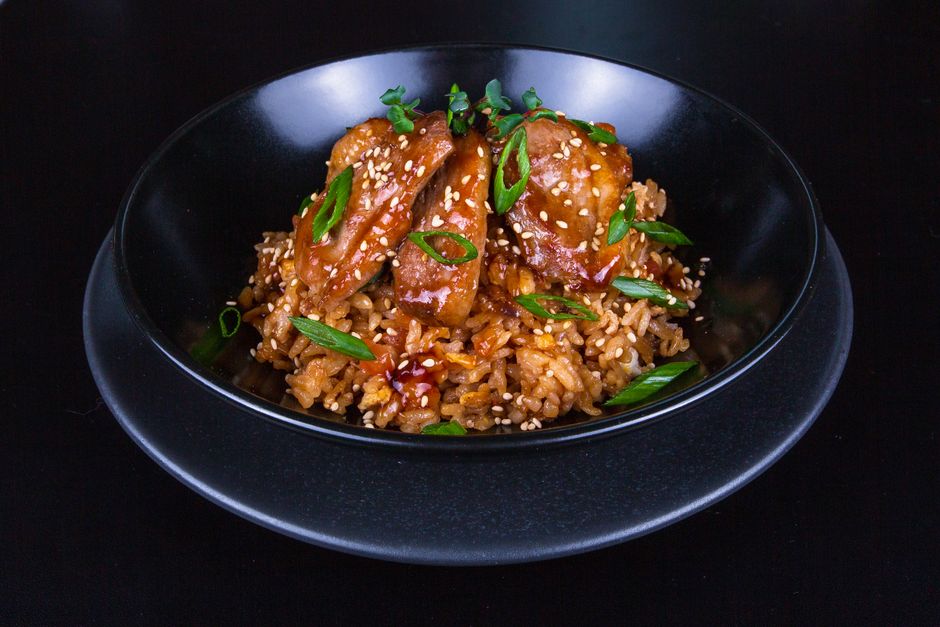
The Ultimate Teriyaki Chicken Fried Rice Recipe: A Culinary Masterpiece
Teriyaki chicken fried rice is a dish that encapsulates the perfect harmony of sweet, savory, and umami flavors, elevated by the satisfying chew of perfectly cooked rice and tender pieces of chicken. This comprehensive guide will delve into every aspect of creating this beloved dish, from selecting the ideal ingredients to mastering the techniques that transform simple components into a restaurant-quality meal. We will explore variations, troubleshooting tips, and the nutritional benefits, ensuring you have all the knowledge to create an unforgettable teriyaki chicken fried rice experience at home. The foundation of exceptional teriyaki chicken fried rice lies in the quality of its ingredients. For the chicken, thighs are generally preferred over breasts due to their higher fat content, which results in a more tender and flavorful outcome. Look for boneless, skinless thighs, and trim any excess fat before dicing them into uniform bite-sized pieces. This ensures even cooking and a pleasant texture in every mouthful. The star of the show, teriyaki sauce, can be homemade for the freshest and most customizable flavor, or a high-quality store-bought option can be used. A classic homemade teriyaki sauce typically comprises soy sauce, mirin (Japanese sweet rice wine), sake (Japanese rice wine), and sugar. The ratio is crucial; a balance between salty and sweet is paramount. For instance, a common starting point is a 1:1:1:1 ratio of soy sauce, mirin, sake, and sugar, but this can be adjusted to personal preference. Adding a touch of grated ginger and garlic to the sauce further enhances its aromatic complexity and adds a subtle kick. When it comes to the rice, day-old, refrigerated cooked rice is indispensable for achieving the perfect fried rice texture. Freshly cooked rice is too moist and will result in a mushy, clumpy dish. The cold, dry grains separate easily and develop a delightful crispness when stir-fried. Jasmine or medium-grain white rice are excellent choices, absorbing flavors beautifully without becoming overly sticky. For vegetables, a classic medley often includes finely diced carrots, peas, and onions. These provide color, texture, and a subtle sweetness that complements the teriyaki glaze. Other popular additions include corn, bell peppers, broccoli florets, and shiitake mushrooms, each contributing unique flavor profiles and nutritional value. The key is to chop all vegetables uniformly to ensure they cook evenly.
The cooking process for teriyaki chicken fried rice is a rapid and dynamic one, best executed using a wok or a large, heavy-bottomed skillet. High heat is essential for achieving the characteristic "wok hei" – a smoky, seared flavor that is a hallmark of well-made fried rice. Begin by marinating the diced chicken. In a bowl, combine the chicken pieces with a portion of the teriyaki sauce, a splash of sesame oil, and a pinch of cornstarch. The cornstarch acts as a tenderizer and helps the sauce adhere to the chicken during cooking, creating a glossy finish. Allow the chicken to marinate for at least 15-20 minutes, or up to a few hours in the refrigerator for deeper flavor penetration. While the chicken marinates, prepare your aromatics. Finely mince fresh garlic and ginger. If you’re opting for a homemade teriyaki sauce, prepare it now and set it aside. Heat your wok or skillet over high heat until it begins to smoke. Add a neutral cooking oil with a high smoke point, such as peanut, canola, or vegetable oil. Once the oil is shimmering, add the marinated chicken in a single layer. Avoid overcrowding the pan; cook the chicken in batches if necessary to ensure proper searing and prevent steaming. Stir-fry the chicken until it is golden brown and cooked through, then remove it from the wok and set it aside. Next, add a little more oil to the hot wok and sauté the minced garlic and ginger for about 30 seconds, until fragrant. Be careful not to burn them, as this will impart a bitter taste. Add the diced onions and stir-fry for a minute or two until they begin to soften. Then, introduce the harder vegetables like carrots and bell peppers, stir-frying for another couple of minutes until they are tender-crisp. Finally, add the peas and corn, cooking for an additional minute until they are bright green and heated through.
Now comes the critical stage: incorporating the rice. Push the vegetables to one side of the wok and add a little more oil to the empty space. Add the cold, day-old cooked rice to the hot oil, breaking up any clumps with your spatula. Stir-fry the rice for several minutes, allowing it to heat through and start to crisp up. The goal is to achieve distinct, separate grains. Once the rice is heated and slightly toasted, combine it with the vegetables. Create a well in the center of the rice and crack in one or two eggs. Scramble the eggs directly in the wok, then mix them into the rice and vegetable mixture. This adds richness and protein. At this point, return the cooked teriyaki chicken to the wok. Pour in the prepared teriyaki sauce, ensuring it coats all the ingredients evenly. Continue to stir-fry vigorously for another 2-3 minutes, allowing the sauce to thicken and glaze the chicken and rice. The heat will help to caramelize the sugars in the teriyaki sauce, creating a beautiful sheen and enhancing the flavor. Taste and adjust seasoning if necessary; you might want to add a touch more soy sauce for saltiness or a sprinkle of sugar for sweetness. A final drizzle of sesame oil just before serving adds a delightful nutty aroma. Garnish with toasted sesame seeds and thinly sliced scallions for a burst of freshness and visual appeal.
Variations on this classic dish are abundant, allowing for creative adaptation to suit diverse palates and dietary needs. For a spicier kick, incorporate gochujang (Korean chili paste) or red pepper flakes into the teriyaki sauce or stir-fry. Substituting the chicken with firm tofu or pan-seared shrimp creates delicious vegetarian and seafood alternatives. For a richer, more decadent flavor, consider adding a tablespoon of oyster sauce to the teriyaki sauce. This umami-rich condiment adds depth and complexity. Another popular addition is a swirl of sriracha or chili garlic sauce for those who enjoy extra heat. To enhance the vegetable component, experiment with a wider array of produce. Snow peas, bok choy, water chestnuts, and bamboo shoots can all add exciting textures and flavors. For a gluten-free version, ensure you are using gluten-free soy sauce or tamari. The teriyaki sauce can also be made gluten-free by using tamari instead of soy sauce and ensuring your mirin and sake are gluten-free. Nutritional yeast can be added for a cheesy, umami flavor in vegan variations. For a healthier twist, opt for brown rice or quinoa instead of white rice, though this will alter the traditional texture. Consider a lighter teriyaki sauce by reducing the sugar content and incorporating more ginger and garlic.
Troubleshooting common issues can elevate your fried rice from good to extraordinary. The most frequent problem encountered is sticky, clumpy rice. As mentioned earlier, this is almost always due to using freshly cooked rice. Always ensure your rice is at least a day old and refrigerated. If your rice is still slightly too wet, you can try spreading it on a baking sheet and letting it air dry for an hour before cooking. Another issue can be blandness. This usually stems from insufficient seasoning or an unbalanced teriyaki sauce. Don’t be afraid to taste and adjust the sauce throughout the cooking process. High heat is your friend for achieving that coveted wok hei. If your stovetop doesn’t get very hot, you might need to cook in smaller batches to prevent steaming and promote searing. Overcrowding the pan is a major culprit for steamed, not fried, ingredients. Ensure there’s enough space for air to circulate. Burnt garlic or ginger can ruin the flavor profile. Add them to the wok after you’ve added the cooking oil and stir-fry them quickly before they have a chance to scorch. If your teriyaki sauce is too thin, you can thicken it by adding a cornstarch slurry (1 teaspoon cornstarch mixed with 2 teaspoons cold water) and stir-frying until it reaches your desired consistency. Conversely, if it’s too thick, a splash of water or broth can thin it out.
The nutritional benefits of teriyaki chicken fried rice, when prepared with a focus on balanced ingredients, can be surprisingly substantial. Chicken is a lean protein source, essential for muscle repair and satiety. Teriyaki sauce, while containing sugar, can be controlled by making it at home, allowing for a reduction in added sugars. Soy sauce provides essential amino acids. The vegetables contribute a wealth of vitamins, minerals, and dietary fiber. Carrots are rich in beta-carotene, which the body converts to vitamin A, crucial for vision and immune function. Peas offer protein, fiber, and vitamins K and C. Onions contain antioxidants and contribute to heart health. Rice provides carbohydrates for energy. By incorporating a variety of colorful vegetables, you maximize the micronutrient density of the dish. For a healthier iteration, consider reducing the amount of oil used, opting for leaner cuts of chicken if preferred (though this may compromise tenderness), and focusing on a generous portion of vegetables. Whole grain rice or quinoa can increase fiber intake. The overall dish offers a satisfying and flavorful way to consume a balanced meal, providing protein, carbohydrates, and essential micronutrients.
In conclusion, teriyaki chicken fried rice is a versatile and deeply satisfying dish that can be mastered with attention to detail and a few key techniques. From selecting the finest ingredients and marinating the chicken to mastering the high-heat stir-fry and achieving the perfect rice texture, each step contributes to the final culinary triumph. The ability to customize and adapt the recipe allows for endless creativity, ensuring that this beloved dish can be enjoyed by everyone, regardless of dietary preferences. By understanding the principles of flavor balance, proper cooking methods, and ingredient selection, you can consistently recreate this restaurant-quality meal in your own kitchen, impressing yourself and your guests with every delicious bite. The pursuit of the ultimate teriyaki chicken fried rice is an ongoing journey of culinary exploration, filled with the reward of deeply flavorful, texturally diverse, and ultimately, incredibly gratifying results.
