
5 Ways To Resume Your Healthy Eating Schedule
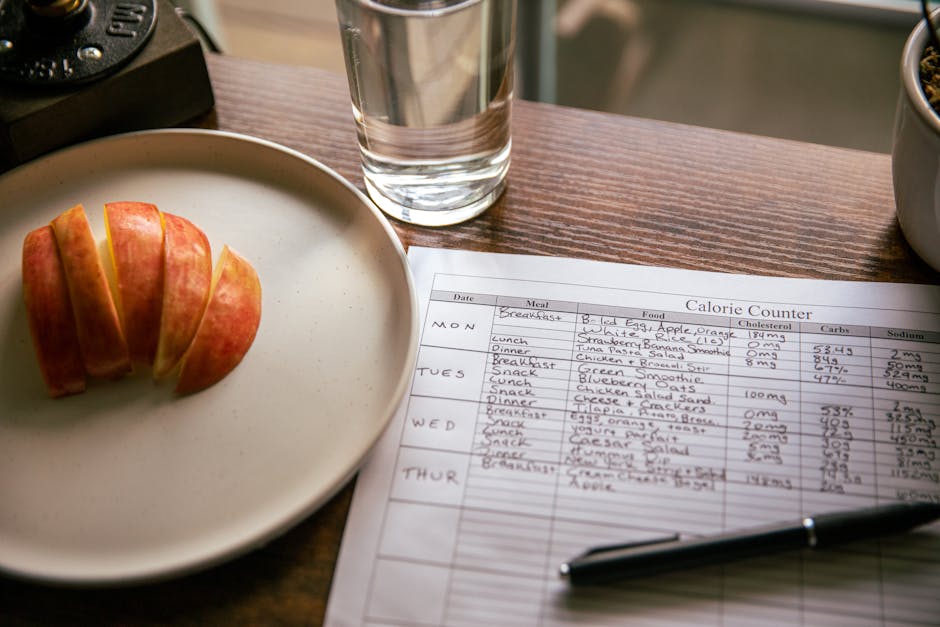
Reboot Your Routine: 5 Strategic Ways to Resume Healthy Eating
The allure of convenience, stress-induced cravings, or simply a temporary lapse in discipline can derail even the most dedicated healthy eating plans. The good news is that regaining momentum is achievable with a strategic and mindful approach. This article outlines five actionable strategies to help you seamlessly resume your healthy eating schedule, focusing on practical implementation and long-term sustainability.
Strategy 1: Conduct a Kitchen Inventory and Declutter
The first, and arguably most crucial, step in resuming a healthy eating schedule is to honestly assess your current food environment. A chaotic or predominantly unhealthy pantry and refrigerator will serve as constant temptations and roadblocks. Begin by dedicating time to a thorough kitchen inventory. Pull out everything from your pantry, refrigerator, and freezer. As you examine each item, ask yourself a series of questions: Is this a whole, unprocessed food? Does it align with my healthy eating goals? Is it expired or nearing expiration? Is it something I genuinely enjoy and will consume?
The decluttering process is two-fold: removal of detrimental items and organization for optimal access to healthy choices. Any highly processed foods, sugary snacks, excessive amounts of refined carbohydrates, or items that trigger unhealthy eating patterns should be removed. Consider donating unopened, non-perishable healthy items to a local food bank. For items that are spoiled or expired, dispose of them responsibly. The goal is to create physical space and mental clarity by eliminating visual cues and potential temptations.
Once the decluttering is complete, focus on organization. Group similar items together. Store healthy staples like whole grains, legumes, nuts, and seeds in easily accessible containers. Organize your refrigerator so that fruits, vegetables, lean proteins, and dairy or dairy alternatives are prominently displayed and within easy reach. Consider designated shelves for "grab-and-go" healthy snacks like pre-portioned fruit, cut vegetables with hummus, or hard-boiled eggs. This deliberate organization makes selecting healthy options the path of least resistance, significantly reducing the likelihood of opting for convenience over health. Furthermore, this initial inventory will inform your next grocery shopping trip, ensuring you purchase the ingredients needed to support your renewed healthy eating goals.
Strategy 2: Implement a "Whole Foods First" Grocery Shopping Approach
Resuming a healthy eating schedule is fundamentally about what you consume, and the foundation of healthy consumption lies in thoughtful grocery shopping. The "whole foods first" approach prioritizes purchasing ingredients in their most natural, unprocessed state. This means focusing on the perimeter of the grocery store, which typically houses fresh produce, lean meats, poultry, fish, and dairy or dairy alternatives.
When navigating the produce section, aim for a variety of colorful fruits and vegetables. These are packed with essential vitamins, minerals, fiber, and antioxidants, forming the cornerstone of a nutrient-dense diet. Don’t shy away from seasonal produce, as it’s often more flavorful and cost-effective. Aim to fill at least half of your cart with fresh or frozen fruits and vegetables.
In the protein aisle, prioritize lean sources such as chicken breast, turkey, fish (salmon, cod, tuna), lean beef cuts, eggs, and plant-based proteins like tofu, tempeh, lentils, and beans. These proteins are crucial for satiety, muscle repair, and overall bodily function. When choosing packaged proteins, read labels carefully to avoid added sugars, sodium, or unhealthy fats.
For carbohydrates, opt for whole grains like brown rice, quinoa, oats, whole wheat bread, and whole wheat pasta. These provide sustained energy and fiber, unlike their refined counterparts which can lead to blood sugar spikes and crashes. Similarly, choose healthy fats from sources like avocados, nuts, seeds, and olive oil.
The "whole foods first" strategy inherently minimizes the purchase of processed foods, sugary beverages, and refined snacks. By making these whole, unprocessed ingredients the primary focus of your grocery list, you are proactively setting yourself up for success. This approach reduces the need for willpower in the kitchen, as the readily available ingredients are inherently healthy. Planning your meals around these whole foods before you shop further reinforces this strategy, ensuring you purchase only what you need and reducing impulse buys of less healthy alternatives.
Strategy 3: Master Meal Prepping and Planning
The allure of convenience food or impulsive unhealthy choices often stems from a lack of preparedness. Meal prepping and planning are indispensable tools for a sustainable return to healthy eating, providing a structured framework that minimizes decision fatigue and reactive unhealthy choices.
Begin by dedicating a specific block of time each week, often a Sunday afternoon or evening, for meal preparation. This doesn’t necessarily mean cooking every single meal from scratch for the entire week, but rather preparing components that can be easily assembled. This could include cooking a large batch of whole grains (quinoa, brown rice), roasting a variety of vegetables, grilling or baking lean proteins (chicken breasts, salmon), hard-boiling eggs, or washing and chopping fruits and vegetables for snacks and salads.
Simultaneously, engage in meal planning for the upcoming week. This involves deciding on your breakfast, lunch, and dinner for each day. When planning, consider variety to prevent boredom and ensure a broad spectrum of nutrients. Integrate your prepped components into your planned meals. For example, a batch of roasted vegetables can be added to salads, grain bowls, or served as a side dish with grilled chicken. Pre-cooked quinoa can form the base of a quick and healthy lunch bowl.
The benefits of meal prepping and planning are multifaceted. Firstly, it significantly reduces the time spent on food preparation during busy weekdays, making healthy eating more accessible. Secondly, it eliminates the "what’s for dinner?" dilemma, a common trigger for unhealthy takeout orders or quick, less nutritious meals. Thirdly, portion control becomes more manageable when meals are pre-portioned, helping to avoid overeating. Investing in good quality food storage containers is essential for successful meal prep, allowing you to safely store and transport your prepared meals. Experiment with different meal prep methods, such as batch cooking, individual meal containers, or prepping individual components, to find what best suits your lifestyle and preferences.
Strategy 4: Cultivate Mindful Eating Habits and Address Emotional Triggers
Healthy eating is not solely about the food on your plate; it’s also about the relationship you have with food and the underlying reasons behind your eating choices. Resuming a healthy eating schedule requires a conscious shift towards mindful eating and an awareness of emotional triggers that can lead to unhealthy patterns.
Mindful eating involves paying full attention to the experience of eating. This means engaging all your senses: noticing the colors, textures, aromas, and flavors of your food. It involves eating slowly, savoring each bite, and putting down your utensils between bites. Avoid distractions such as screens (phones, television, computers) while eating, as these can lead to unconscious overconsumption. Before you begin eating, take a moment to acknowledge your hunger. Throughout your meal, check in with your body to gauge your fullness cues. Eating mindfully allows you to better recognize when you are truly hungry and when you are satisfied, preventing mindless overeating.
Equally important is identifying and addressing emotional triggers for unhealthy eating. Many people reach for comfort foods or overeat as a response to stress, boredom, sadness, or anxiety. Keep a food and mood journal for a week or two. Record what you eat, when you eat it, how you feel before and after eating, and what was happening in your environment. This journal can reveal patterns and highlight specific emotions or situations that lead to unhealthy food choices. Once identified, develop alternative coping mechanisms. Instead of turning to food for comfort, consider engaging in activities like a brisk walk, listening to music, practicing deep breathing exercises, calling a friend, or engaging in a hobby. Building a repertoire of healthy coping strategies will empower you to navigate emotional challenges without derailing your healthy eating efforts. This mindful approach shifts the focus from restriction to awareness and self-compassion, fostering a more sustainable and positive relationship with food.
Strategy 5: Prioritize Hydration and Strategic Snacking
Often overlooked in the pursuit of healthy eating, proper hydration and strategic snacking play pivotal roles in maintaining energy levels, managing hunger, and preventing impulsive unhealthy food choices.
Adequate hydration is essential for countless bodily functions, including metabolism, digestion, and nutrient transport. Dehydration can often be mistaken for hunger, leading to unnecessary calorie consumption. Make a conscious effort to drink plenty of water throughout the day. Carry a reusable water bottle as a constant reminder. Infusing water with fruits like lemon, cucumber, or berries can enhance its appeal. Herbal teas also contribute to your fluid intake and can offer various health benefits. Aim for at least 8 glasses of water daily, and increase your intake during physical activity or hot weather.
Strategic snacking is not about mindless grazing; it’s about planned, nutrient-dense snacks that bridge the gap between meals and prevent extreme hunger, which can lead to overeating at your next meal or reaching for less healthy options. Choose snacks that combine protein and fiber, as this combination promotes satiety and sustained energy. Examples of healthy snacks include a handful of almonds or walnuts, a piece of fruit with a tablespoon of nut butter, Greek yogurt with berries, a hard-boiled egg, or a small portion of vegetables with hummus. The key is to plan these snacks and have them readily available, just as you would with your main meals. Avoid relying on vending machines or convenience stores for snacks, as these often offer high-sugar, low-nutrient options. By prioritizing hydration and implementing a strategic snacking plan, you create a more balanced energy profile throughout the day, minimizing the likelihood of succumbing to unhealthy cravings. This proactive approach supports your body’s needs and reinforces your commitment to a healthy eating schedule.
