
Recipe Eggs Florentine With Roasted Tomatoes Mushroom Spinach Saute
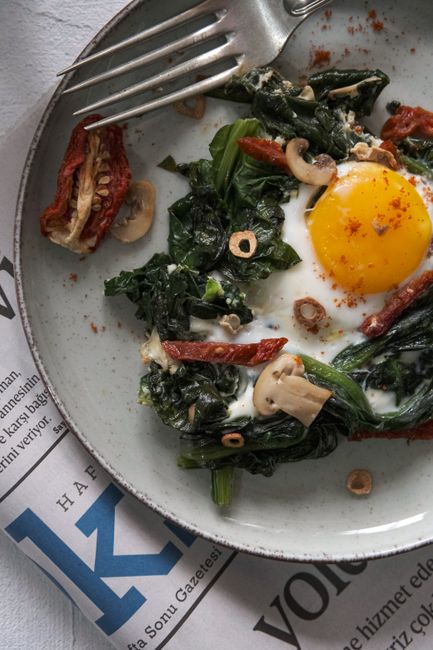
Eggs Florentine Elevated: Roasted Tomatoes, Mushroom, Spinach Sauté – A Gourmet Breakfast Reimagined
This comprehensive guide delves into a sophisticated rendition of Eggs Florentine, elevating the classic brunch staple with the rich umami of roasted tomatoes and a vibrant sauté of mushrooms and spinach. Beyond mere a recipe, this exploration unpacks the culinary science, ingredient nuances, and SEO strategies that make this dish a standout for home cooks and online content creators alike. The foundational element of Eggs Florentine – a perfectly poached egg atop a bed of wilted spinach and hollandaise sauce – is here amplified by a dynamic interplay of textures and flavors. The sweetness and intensified aroma of slow-roasted cherry tomatoes, their skins blistered and yielding, provide a concentrated burst of acidity and sweetness that cuts through the richness of the hollandaise. Complementing this, a quick sauté of earthy mushrooms and tender spinach introduces a delightful chew and herbaceousness, creating a multi-layered sensory experience. Understanding the role of each component, from the ideal ripeness of the tomatoes to the technique for achieving a cloud-like hollandaise, is crucial for success. This dish is not merely about combining ingredients; it’s about mastering specific culinary techniques to unlock the full potential of each element and create a harmonious, unforgettable meal. The SEO-friendly approach inherent in detailing these elements makes this article valuable for anyone seeking to rank for terms like "gourmet breakfast recipes," "elevated Eggs Florentine," "recipe with roasted tomatoes and spinach," or "healthy brunch ideas."
The cornerstone of an exceptional Eggs Florentine, regardless of its embellishments, lies in the perfect execution of its core components. The poached egg, the jewel of the dish, demands precision. Achieving a viscous, molten yolk encased in a tender, fully cooked white is paramount. Water, heated to a gentle simmer (around 180-190°F or 82-88°C), is the optimal environment. Adding a splash of white vinegar to the poaching water aids in coagulating the egg white, preventing wispy tendrils from dissipating. A common pitfall is overcrowding the pot, which can lead to uneven cooking and a less aesthetically pleasing result. For optimal poaching, it’s advisable to cook eggs in batches. Gently cracking each egg into a small ramekin or directly into the simmering water from a low height ensures a cleaner shape. The cooking time typically hovers around 3-4 minutes, depending on the desired consistency of the yolk. A slotted spoon is essential for carefully retrieving the poached eggs, allowing excess water to drain before plating. For SEO purposes, terms such as "how to poach eggs perfectly," "best poached egg recipe," and "foolproof poached egg technique" are critical to incorporate organically within this section.
The spinach sauté, often an afterthought, is given a starring role in this elevated rendition. Instead of simply wilting, the spinach is briefly sautéed with garlic and olive oil, imbuing it with a subtle aromatic depth and preventing it from becoming watery and mushy. Fresh baby spinach is ideal for its tender leaves and delicate flavor, though mature spinach can be used if the tougher stems are removed. A high heat and a short cooking time are key to preserving the spinach’s vibrant green color and nutrients. Sautéing until just wilted, still retaining a slight bite, provides a pleasing textural contrast to the creamy hollandaise and the soft egg yolk. The addition of finely minced garlic, sautéed until fragrant before the spinach is added, introduces a foundational layer of flavor. Olive oil, or even a touch of butter for added richness, provides the medium for this quick cooking process. This technique contributes significantly to the overall mouthfeel and visual appeal of the dish. Keywords relevant here include "sautéed spinach recipe," "garlic spinach side dish," and "quick and healthy spinach preparation."
The roasted tomatoes are a revelation, transforming a humble ingredient into a concentrated flavor bomb. Cherry or grape tomatoes are perfect for roasting due to their size and sweetness. A simple dressing of olive oil, salt, pepper, and perhaps a pinch of dried herbs like oregano or thyme is all that’s required. Spreading the tomatoes in a single layer on a baking sheet ensures even roasting and caramelization. Roasting at a moderate temperature, around 400°F (200°C), for 20-30 minutes, or until the skins are blistered and beginning to split, intensifies their natural sugars and creates a delightfully jammy texture. The roasting process also releases their juices, creating a small pool of intensely flavored liquid on the baking sheet, which can be spooned over the finished dish. This element adds a crucial sweet and acidic counterpoint to the richness of the other components. For SEO, it’s beneficial to include phrases like "how to roast tomatoes," "easy roasted cherry tomatoes," and "sweet roasted tomato recipe."
The mushroom sauté further deepens the savory profile. Cremini or shiitake mushrooms are excellent choices for their robust flavor and meaty texture. Slicing them uniformly ensures even cooking. Like the spinach, these are sautéed over medium-high heat with garlic and olive oil. The key here is to allow the mushrooms to brown properly before stirring too much; this develops their characteristic umami flavor. Once browned, a splash of white wine or vegetable broth can be added to deglaze the pan and create a light sauce. A final addition of fresh parsley or chives after cooking adds a burst of freshness. This component adds a significant textural dimension and a satisfying earthiness that complements the spinach and tomatoes. Keywords for this section include "sautéed mushrooms recipe," "garlic mushroom side," and "umami mushroom preparation."
The hollandaise sauce, the indispensable binder and flavor enhancer of Eggs Florentine, requires a delicate touch but yields unparalleled richness. The traditional method involves whisking egg yolks with lemon juice over a double boiler (a bowl set over simmering water), slowly drizzling in melted clarified butter until a thick, emulsified sauce forms. Clarified butter is preferred as it has a higher smoke point and a cleaner flavor. The key to a successful hollandaise is to avoid overheating, which will cause the eggs to scramble. The mixture should be whisked constantly until it reaches a ribbon stage, meaning it’s thick enough to coat the back of a spoon and leave a trail when you draw a finger through it. A pinch of cayenne pepper or a touch of Dijon mustard can be added for an extra layer of complexity. Modern blenders or immersion blenders can also be used to create a smoother, more stable hollandaise, but the double boiler method offers a classic, refined texture. For SEO, terms like "classic hollandaise sauce recipe," "easy hollandaise sauce from scratch," and "creamy hollandaise technique" are essential.
Putting It All Together: A Culinary Symphony
The assembly of this elevated Eggs Florentine is as much about presentation as it is about flavor layering. Begin with a base of the sautéed spinach and mushroom mixture, ensuring an even distribution on the plate. This provides a flavorful and visually appealing foundation. Next, carefully place the roasted tomatoes around the spinach and mushrooms, allowing their vibrant color to shine. The gently poached egg, its yolk still beautifully molten, is then placed atop the sautéed greens. The pièce de résistance is the generous drizzling of warm hollandaise sauce over the entire composition. The rich, creamy sauce should cascade over the egg and down the sides of the vegetables, binding all the elements together. A final garnish of freshly chopped chives, parsley, or a sprinkle of paprika adds a touch of color and freshness. This multi-component dish caters to a range of search queries, including "Eggs Florentine with roasted vegetables," "gourmet brunch recipes at home," and "healthy and decadent breakfast ideas."
Ingredient Sourcing and Quality: The Foundation of Flavor
The success of any recipe hinges on the quality of its ingredients. For this elevated Eggs Florentine, sourcing fresh, high-quality produce is paramount. Opt for vibrant, firm spinach leaves, free from wilting or bruising. Choose firm, ripe cherry or grape tomatoes that will caramelize beautifully when roasted. Select fresh, firm mushrooms that hold their shape and have a pleasant aroma. For the eggs, free-range or organic eggs often boast richer yolks and superior flavor. When it comes to the hollandaise, using good quality butter and fresh lemon juice will make a noticeable difference in the final taste. The culinary axiom "garbage in, garbage out" holds true; investing in superior ingredients will undoubtedly elevate the final dish and its appeal to discerning home cooks searching for "best ingredients for Eggs Florentine" or "how to choose fresh produce."
SEO Optimization Strategies for Maximum Reach
To ensure this comprehensive recipe reaches its intended audience, a robust SEO strategy is vital. The title itself, "Eggs Florentine Elevated: Roasted Tomatoes, Mushroom, Spinach Sauté – A Gourmet Breakfast Reimagined," is rich with relevant keywords. Throughout the article, strategic keyword placement is crucial. Incorporating long-tail keywords such as "recipe for Eggs Florentine with roasted tomatoes and mushrooms," "how to make a gourmet brunch at home," and "healthy breakfast ideas with poached eggs and spinach" within descriptive sentences and subheadings will attract a wider range of search queries. Utilizing headings and subheadings (H2, H3) breaks up the content, improving readability for both users and search engines. Images, with descriptive alt text incorporating keywords (e.g., "poached egg on spinach florentine with roasted tomatoes"), are essential for visual appeal and image search optimization. The inclusion of structured data markup (schema markup) for recipes can further enhance search engine visibility by providing explicit information about ingredients, cooking times, and nutritional information, making the content more easily understood by search engines. Finally, encouraging user engagement through comments and social media sharing can boost the article’s authority and visibility.
Variations and Customizations: Tailoring to Individual Palates
While this recipe presents a refined version of Eggs Florentine, it’s highly adaptable. For those seeking a heartier meal, a slice of toasted sourdough or a savory English muffin can serve as a base beneath the spinach. Adding a thin slice of prosciutto or crispy pancetta to the sautéed mushrooms offers a salty, savory counterpoint. For a vegetarian twist, consider replacing the mushrooms with grilled halloumi cheese or sautéed artichoke hearts. Spice lovers might enjoy a pinch of red pepper flakes in the spinach and mushroom sauté or a dash of hot sauce in the hollandaise. Nutritional considerations can also guide customization. For a lighter hollandaise, an avocado-based sauce can be substituted. Experimenting with different types of mushrooms, such as oyster or maitake, can introduce subtle variations in flavor and texture. Each customization allows for the creation of a unique dish and can be targeted with specific long-tail keywords like "vegan Eggs Florentine alternative" or "low-carb Eggs Florentine recipe."
The Science Behind the Perfect Emulsion: Mastering Hollandaise
Understanding the science behind hollandaise sauce is key to its successful creation. It is an emulsion, a stable mixture of two liquids that normally do not mix, in this case, fat (butter) and water-based liquid (egg yolk and lemon juice). The lecithin in the egg yolks acts as an emulsifier, binding the fat molecules to the water molecules. The whisking action incorporates air and helps to break down the fat into smaller droplets, allowing them to be dispersed evenly throughout the liquid. The gentle heat from the double boiler is crucial; it warms the egg yolks, making them more receptive to forming an emulsion, but not so hot that they coagulate and scramble. If the sauce appears too thick, a tiny splash of warm water or lemon juice can help thin it. If it breaks (separates), it can often be salvaged by whisking a fresh egg yolk in a clean bowl and slowly whisking the broken sauce into it. This scientific understanding is not only crucial for culinary success but also for creating informative content that answers common user questions and concerns related to hollandaise preparation, making it valuable for SEO queries like "why does my hollandaise sauce break" or "how to fix broken hollandaise."
Culinary Techniques for Success: Beyond the Recipe
Beyond the listed ingredients and steps, mastering specific culinary techniques will elevate your Eggs Florentine experience. For instance, the gentle simmer for poaching eggs is a delicate balance; too vigorous a boil will break the egg apart, while too low a temperature won’t cook the white properly. Learning to recognize the visual cues of a perfectly poached egg – a firm white with a glistening, wobbly yolk – comes with practice. Similarly, in the sautéing process, the browning of mushrooms is not just about color; it’s about developing the Maillard reaction, which creates complex, savory flavors. Overcrowding the pan prevents this browning, leading to steamed, rather than sautéed, mushrooms. Understanding these underlying principles allows for greater flexibility and success when deviating from a strict recipe, and for SEO purposes, incorporating phrases like "mastering poaching techniques" or "the art of mushroom browning" can attract experienced cooks.
Conclusion: A Harmonious Blend of Tradition and Innovation
This elevated Eggs Florentine, featuring roasted tomatoes and a robust mushroom and spinach sauté, represents a delicious fusion of classic comfort and modern culinary innovation. By focusing on precise execution of core techniques, prioritizing high-quality ingredients, and understanding the underlying culinary science, home cooks can consistently create a dish that is both visually stunning and incredibly flavorful. The meticulous attention to detail in each component, from the perfectly poached egg to the deeply savory roasted tomatoes and the emulsified hollandaise, results in a brunch experience that is far more than the sum of its parts. This comprehensive approach, amplified by strategic SEO implementation, positions this recipe not just as a standalone dish, but as a valuable resource for anyone seeking to explore the art of gourmet breakfast and brunch preparation. The keywords integrated throughout this article aim to capture the full spectrum of searches related to this dish, from beginner inquiries to those seeking advanced techniques and ingredient insights, ensuring maximum visibility and engagement.
