
Living The Good Life Tips For A Healthier You
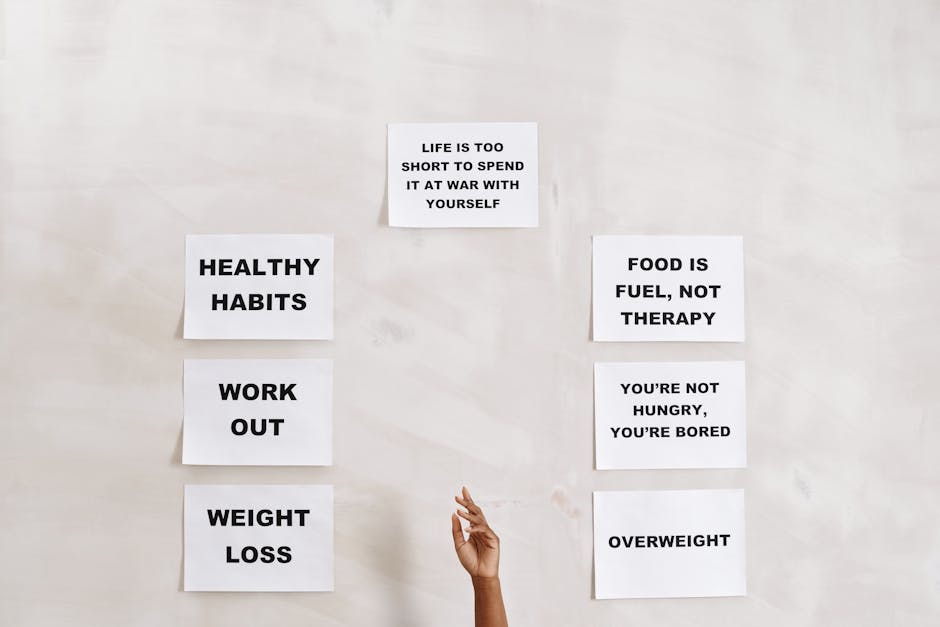
Living the Good Life: Tips for a Healthier You
The pursuit of a healthier life is a multifaceted endeavor, encompassing physical well-being, mental clarity, and emotional resilience. It’s not about drastic overhauls but rather the integration of sustainable habits that foster long-term vitality. This article provides a comprehensive guide to navigating the path towards a healthier, more fulfilling existence, focusing on actionable strategies for lasting positive change.
Nutrition: The Foundation of Well-being
Optimizing your diet is paramount for a healthier you. Prioritize whole, unprocessed foods. This means an abundance of fruits, vegetables, lean proteins, and healthy fats. Berries, leafy greens, and cruciferous vegetables are nutrient powerhouses, packed with vitamins, minerals, and antioxidants crucial for cellular repair and disease prevention. Incorporate sources of lean protein like chicken breast, fish, legumes, and tofu to support muscle growth and satiety. Healthy fats, found in avocados, nuts, seeds, and olive oil, are essential for hormone production, brain health, and nutrient absorption. Limit your intake of processed foods, refined sugars, and saturated fats. These contribute to inflammation, weight gain, and an increased risk of chronic diseases.
Hydration is equally vital. Water is fundamental to nearly every bodily function, from regulating body temperature to transporting nutrients and flushing toxins. Aim for at least eight glasses of water daily, and adjust intake based on activity level and climate. Herbal teas, unsweetened, can also contribute to your fluid intake.
Mindful eating is a powerful practice. Pay attention to your body’s hunger and fullness cues. Eat slowly, savoring each bite, and avoid distractions like screens during meals. This allows for better digestion and can prevent overeating. Understanding macronutrient balance – the right ratio of carbohydrates, proteins, and fats – supports sustained energy levels and optimal bodily function. Complex carbohydrates, like those found in whole grains and vegetables, provide sustained energy, while lean proteins are crucial for repair and satiety. Healthy fats are essential for hormone regulation and nutrient absorption.
Consider incorporating fermented foods like yogurt, kimchi, and sauerkraut into your diet. These provide beneficial probiotics that support gut health, a critical component of overall well-being and immune function. A healthy gut microbiome is linked to improved digestion, nutrient absorption, and even enhanced mood.
Movement: Energizing Your Body and Mind
Regular physical activity is indispensable for a healthier life. Aim for at least 150 minutes of moderate-intensity aerobic activity or 75 minutes of vigorous-intensity aerobic activity per week, along with muscle-strengthening activities at least two days a week. Aerobic exercise, such as brisk walking, running, swimming, or cycling, improves cardiovascular health, boosts mood, and aids in weight management. Muscle-strengthening exercises, including weightlifting, bodyweight exercises, or resistance band training, build lean muscle mass, which increases metabolism and improves bone density.
Flexibility and mobility exercises, such as yoga or stretching, enhance range of motion, reduce the risk of injury, and alleviate muscle tension. Incorporate these into your routine to maintain functional movement as you age. Find activities you genuinely enjoy to ensure long-term adherence. Experiment with different forms of exercise until you discover something that fits your lifestyle and preferences. Consistency is more important than intensity, especially when starting.
Break up prolonged periods of sitting. Regular movement breaks throughout the day can mitigate the negative health effects of sedentary behavior. Stand up, stretch, or take a short walk every 30-60 minutes. Listen to your body and allow for rest and recovery. Overtraining can lead to burnout and injury, hindering your progress. Prioritize adequate sleep and proper nutrition to support your body’s repair processes.
Sleep: The Cornerstone of Restoration
Quality sleep is not a luxury; it is a fundamental pillar of good health. Aim for 7-9 hours of uninterrupted sleep per night. Establish a consistent sleep schedule, going to bed and waking up around the same time each day, even on weekends. Create a relaxing bedtime routine to signal to your body that it’s time to wind down. This could include reading, taking a warm bath, or listening to calming music.
Optimize your sleep environment. Ensure your bedroom is dark, quiet, and cool. Invest in comfortable bedding and pillows. Avoid caffeine and alcohol close to bedtime, as they can disrupt sleep patterns. Limit exposure to blue light from electronic devices in the hours leading up to sleep, as it can interfere with melatonin production. If you struggle with falling asleep or staying asleep, consider consulting a healthcare professional to rule out underlying sleep disorders.
Stress Management: Cultivating Inner Peace
Chronic stress can have detrimental effects on both physical and mental health. Develop effective stress management techniques. Mindfulness meditation, deep breathing exercises, and progressive muscle relaxation can help calm the nervous system and reduce feelings of anxiety. Engage in activities that bring you joy and help you unwind, such as spending time in nature, listening to music, pursuing hobbies, or connecting with loved ones.
Set boundaries to protect your time and energy. Learn to say no to commitments that overextend you. Prioritize tasks and delegate when possible. Journaling can be a valuable tool for processing emotions and gaining perspective on stressors. Regular physical activity is also a powerful stress reliever, releasing endorphins that have mood-boosting effects. Seek support from friends, family, or a therapist when needed. Talking about your challenges can provide relief and offer new coping strategies.
Mental and Emotional Well-being: Nurturing Your Inner Landscape
A healthy mind is integral to a healthy body. Cultivate a positive mindset. Practice gratitude by regularly acknowledging the good things in your life. Challenge negative thought patterns and reframe them in a more constructive light. Engage in activities that stimulate your mind, such as reading, puzzles, or learning new skills. Lifelong learning keeps your brain sharp and engaged.
Nurture your social connections. Strong relationships provide a sense of belonging and support. Make time for meaningful interactions with friends and family. Express your emotions healthily. Allow yourself to feel and process your emotions without judgment. If you experience persistent feelings of sadness, anxiety, or hopelessness, seek professional help from a therapist or counselor. Mental health conditions are treatable, and seeking support is a sign of strength.
Practice self-compassion. Treat yourself with the same kindness and understanding you would offer a friend. Recognize that everyone makes mistakes and experiences setbacks. Celebrate your successes, no matter how small. Set realistic goals and celebrate your progress along the way. This fosters a sense of accomplishment and motivation.
Preventive Care: Proactive Health Strategies
Proactive health measures are crucial for long-term well-being. Schedule regular check-ups with your doctor and dentist. Early detection of potential health issues can significantly improve treatment outcomes. Stay up-to-date with recommended vaccinations. These protect against serious infectious diseases. Understand your family health history and discuss any concerns with your healthcare provider. This information can help identify potential predispositions to certain conditions.
Practice good hygiene, including regular handwashing, to prevent the spread of germs. Get adequate sun protection by wearing sunscreen and protective clothing when exposed to prolonged sunlight. This helps prevent skin cancer. Be aware of your body and any changes you notice. Don’t ignore persistent symptoms; consult a healthcare professional if you have concerns.
Mindful Consumption of Information: Navigating the Digital Landscape
In the digital age, it’s easy to be overwhelmed by information. Be discerning about the health information you consume. Rely on credible sources like healthcare professionals, reputable health organizations, and peer-reviewed scientific studies. Be wary of fad diets, miracle cures, and unsubstantiated health claims. Critically evaluate the information presented and cross-reference with other reliable sources.
Limit your exposure to news and social media that triggers anxiety or stress. Set boundaries for your digital consumption and engage in digital detoxes when needed. Prioritize real-world interactions and experiences over constant online engagement. This fosters genuine connection and reduces the risk of comparison and dissatisfaction.
Environmental Factors: The Impact of Your Surroundings
Your living and working environment significantly impacts your health. Ensure your home and workspace are clean and well-ventilated. Reduce exposure to pollutants by using natural cleaning products and air purifiers if necessary. Spend time in nature. Exposure to green spaces has been linked to reduced stress, improved mood, and enhanced cognitive function.
Consider the impact of your choices on the environment. Sustainable living practices, such as reducing waste, conserving energy, and supporting local and eco-friendly businesses, contribute to a healthier planet, which in turn benefits human health.
Conclusion: A Lifelong Journey of Self-Care
Living the good life for a healthier you is not a destination but an ongoing journey of conscious choices and sustainable habits. It involves a holistic approach that integrates nutrition, movement, sleep, stress management, mental and emotional well-being, preventive care, mindful information consumption, and awareness of environmental factors. By consistently prioritizing these aspects, you empower yourself to cultivate lasting vitality, resilience, and a profound sense of well-being. Embrace the process, celebrate progress, and remember that small, consistent changes lead to significant, transformative results. This commitment to self-care is the most valuable investment you can make in your present and future health.
