
Dietitians Favorite Ways To Eat Peanut Butter
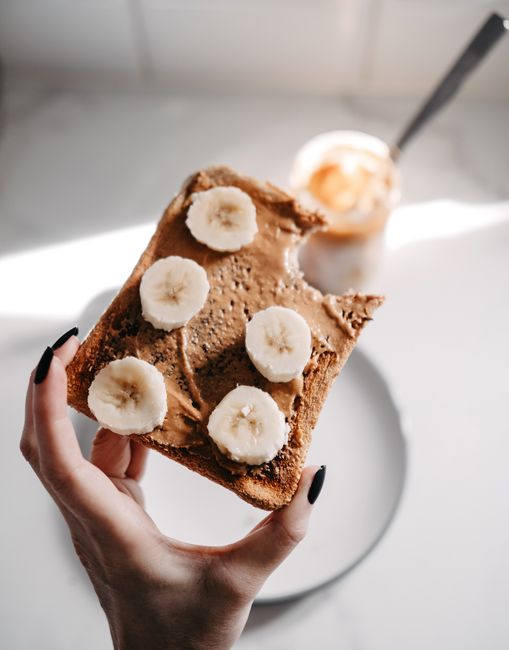
Dietitians’ Top Peanut Butter Pairings: Beyond the Bread
Peanut butter, a creamy, nutty powerhouse, transcends its traditional sandwich role, offering a versatile and nutrient-dense addition to a myriad of meals and snacks favored by dietitians. Its rich profile of monounsaturated and polyunsaturated fats, protein, and fiber makes it a satiating ingredient that supports sustained energy release and overall well-being. The key to maximizing peanut butter’s benefits lies in mindful integration, focusing on combinations that enhance nutrient absorption and flavor complexity while mitigating less desirable accompaniments like excessive added sugars. This article delves into the specific strategies and preferred pairings that registered dietitians champion, moving far beyond the ubiquitous PB&J.
One of the most frequently cited dietitian-approved applications for peanut butter is its inclusion in morning oatmeal or overnight oats. Instead of simply stirring in a dollop, dietitians often recommend blending a tablespoon or two into the cooked oats, allowing for a smoother, more integrated texture and flavor. This method ensures consistent distribution of the healthy fats and protein, which are crucial for breakfast satiety. The fats in peanut butter also help slow the digestion of the complex carbohydrates in oats, preventing rapid blood sugar spikes and promoting sustained energy throughout the morning. Beyond plain oatmeal, dietitians frequently suggest adding a swirl of peanut butter to Greek yogurt for a protein-packed breakfast or snack. The tanginess of the yogurt complements the richness of the peanut butter, creating a balanced flavor profile. To further elevate this combination, they often encourage incorporating berries, a source of antioxidants and fiber, or a sprinkle of chia seeds or flaxseeds for an additional omega-3 boost. This simple yet effective pairing provides a substantial dose of macronutrients and micronutrients, making it a cornerstone of a healthy morning routine.
Smoothies represent another prime opportunity for dietitians to incorporate peanut butter into their daily intake. The blending process allows for seamless integration, masking the often-perceived "stickiness" of peanut butter while distributing its nutrients evenly. The standard recommendation is to add one to two tablespoons of natural peanut butter (emphasizing brands with minimal added sugar and oil) to fruit-based smoothies. Pairing peanut butter with banana is a classic for a reason: the sweetness of the banana masks the nuttiness of the peanut butter, creating a delicious and satisfying flavor. However, dietitians often advise against relying solely on bananas for sweetness and suggest incorporating other fruits like berries (strawberries, blueberries, raspberries) for their lower sugar content and higher antioxidant levels. To further enhance the nutritional value, they advocate for adding a liquid base of unsweetened almond milk, soy milk, or water. For an extra protein punch, a scoop of unflavored or vanilla protein powder can be incorporated. Leafy greens, such as spinach or kale, are also commonly added to peanut butter smoothies. While the initial thought might seem unusual, the strong flavor of peanut butter effectively masks the taste of greens, allowing individuals to sneak in valuable vitamins and minerals without compromising palatability. This is a particularly effective strategy for those struggling to meet their daily vegetable intake. The combination of healthy fats from peanut butter, carbohydrates from fruit, and protein from powder or milk creates a well-rounded meal replacement or post-workout recovery drink that promotes satiety and muscle repair.
Vegetable dippers are a surprising but highly recommended application for peanut butter by dietitians, particularly as a snack option. This approach leverages the nutrient density of both peanut butter and raw vegetables. Instead of relying on traditional crackers or chips, dietitians champion using crunchy vegetables like carrot sticks, celery sticks, bell pepper strips, and cucumber slices as vehicles for peanut butter. This offers a significant fiber and vitamin advantage over refined grains. The natural sweetness of carrots and the refreshing crispness of celery and cucumber provide a pleasing contrast to the rich, savory peanut butter. To further enhance this snack, dietitians might suggest mixing a small amount of soy sauce or tamari, a squeeze of lime juice, and a pinch of chili flakes into the peanut butter for a savory, umami-rich dip with a hint of spice. This elevates the flavor profile and adds trace minerals. Alternatively, for a sweeter rendition, a small amount of cinnamon or a drizzle of honey can be incorporated, though dietitians are cautious with added sugars and recommend using honey sparingly. This simple pairing offers a satisfying crunch, sustained energy, and a significant boost of fiber and micronutrients, making it a far healthier alternative to many pre-packaged snack options.
Incorporating peanut butter into baked goods is another area where dietitians offer nuanced recommendations. While acknowledging the appeal of cookies and brownies, their focus shifts to healthier baking practices and ingredient substitutions. They often advocate for using peanut butter in recipes that don’t require excessive amounts of butter or sugar. For instance, peanut butter can replace some of the fat in muffins or quick breads, contributing moisture and flavor while reducing the need for added oils. When baking with peanut butter, dietitians emphasize using natural peanut butter with no added sugar or hydrogenated oils. They also encourage reducing the overall sugar content of the recipe, relying on the natural sweetness of ingredients like ripe bananas or unsweetened applesauce to provide moisture and flavor. For example, a peanut butter banana bread recipe where peanut butter replaces a portion of the butter and the sweetness comes primarily from mashed bananas is a prime example of a dietitian-approved baked good. The protein and fat from the peanut butter contribute to a more satiating and nutrient-dense baked item, making it a more justifiable indulgence. Furthermore, some dietitians suggest using peanut butter as a binder in energy balls or no-bake bars, combining it with oats, seeds, dried fruit, and a touch of natural sweetener like dates or a minimal amount of maple syrup. These are often favored for their portability and ability to provide sustained energy.
Savory applications of peanut butter are increasingly recognized by dietitians as a sophisticated and healthy way to utilize this ingredient. Satay sauces, a staple in Southeast Asian cuisine, are a prime example. Dietitians often prepare simplified versions of satay sauce at home, blending natural peanut butter with ingredients like soy sauce or tamari, rice vinegar, ginger, garlic, and a touch of chili for heat. This sauce can be used to marinate chicken or tofu, tossed with noodles, or served as a dipping sauce for grilled vegetables. The combination of protein from the peanut butter and vegetables creates a balanced and flavorful meal. Another savory application is in stir-fries. A tablespoon or two of peanut butter can be whisked into the stir-fry sauce, adding a creamy texture and depth of flavor. This pairs exceptionally well with ingredients like broccoli, snap peas, and mushrooms. The healthy fats in the peanut butter also help with the absorption of fat-soluble vitamins present in the vegetables. Dietitians also champion using peanut butter in salad dressings. A small amount of peanut butter can be blended with olive oil, vinegar (such as apple cider or balsamic), Dijon mustard, and a touch of honey or maple syrup to create a rich and flavorful dressing that adds protein and healthy fats to a green salad. This transforms a simple salad into a more substantial and satisfying meal. The versatility of peanut butter in savory dishes allows for creative exploration and offers a way to boost the nutritional profile of everyday meals without resorting to less healthy options.
The crucial distinction for dietitians lies in the type of peanut butter consumed. They universally advocate for natural peanut butter, defined as peanut butter whose primary ingredients are peanuts and possibly a small amount of salt. This means avoiding brands that contain added sugars (like corn syrup solids, cane sugar), hydrogenated oils (which create trans fats), and other unnecessary emulsifiers or preservatives. The rationale is straightforward: these additives detract from the inherent health benefits of peanuts and contribute to increased calorie intake without providing significant nutritional value. Natural peanut butter’s ingredient list should be short and recognizable. The oil separation that occurs in natural peanut butter is a natural phenomenon and a sign of its purity; it simply requires a quick stir before use. This emphasis on ingredient integrity ensures that the consumer is primarily benefiting from the wholesome nutrients of peanuts – protein, healthy fats, fiber, vitamins (like vitamin E and niacin), and minerals (like magnesium and potassium) – without the detrimental effects of processed additives. This conscious choice amplifies peanut butter’s role as a healthful component of a balanced diet.
Beyond the immediate pairings, dietitians often discuss strategic ways to consume peanut butter to maximize its benefits. For instance, consuming peanut butter in combination with foods rich in probiotics, like Greek yogurt, can create a synergistic effect. While research is ongoing, the fats and proteins in peanut butter can contribute to a more stable gut environment, potentially supporting the beneficial bacteria. Furthermore, dietitians frequently advise on portion control. While peanut butter is nutrient-dense, it is also calorie-dense due to its high fat content. A standard serving size is typically two tablespoons. They encourage mindful measurement rather than scooping directly from the jar to ensure a balanced intake within an individual’s overall caloric needs. This thoughtful approach to consumption ensures that peanut butter contributes positively to energy balance and satiety without leading to unintentional overconsumption. Finally, dietitians underscore the importance of varied dietary patterns. While peanut butter can be a regular feature, it should complement a diverse range of fruits, vegetables, lean proteins, and whole grains, rather than dominating the diet. This ensures a broad spectrum of nutrients and avoids reliance on any single food for all nutritional requirements.
