
Balsamic Chicken With Green Beans
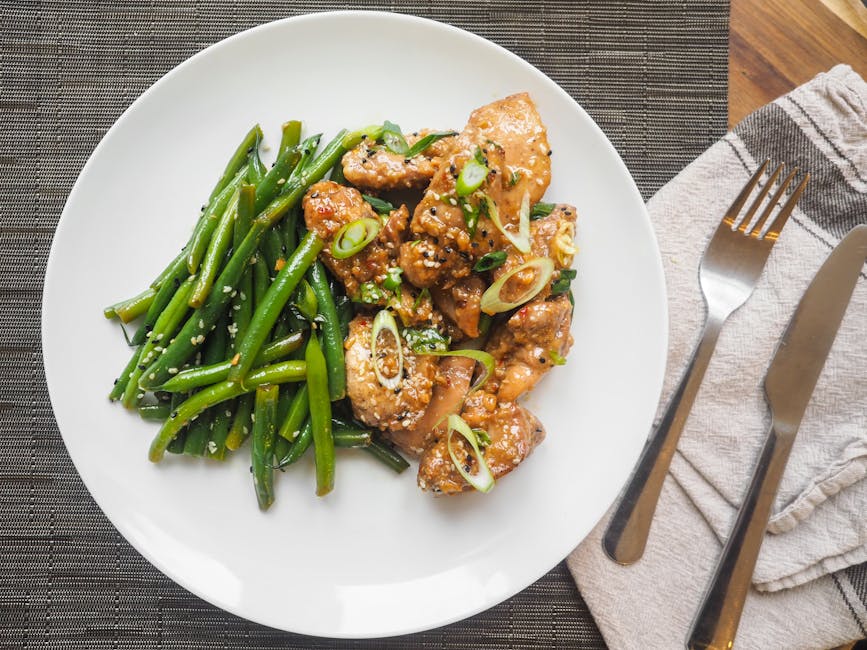
Balsamic Chicken with Green Beans: A Flavorful, Healthy, and Easy Weeknight Meal
Balsamic chicken with green beans represents a harmonious convergence of culinary simplicity and sophisticated flavor, making it an ideal candidate for a weeknight dinner that feels both comforting and elegant. This dish leverages the natural sweetness and tang of balsamic vinegar to create a deeply savory glaze that perfectly complements tender chicken breast and crisp, vibrant green beans. Beyond its appealing taste profile, this recipe is exceptionally nutritious, offering a lean protein source from the chicken and essential vitamins, minerals, and fiber from the green beans. Its straightforward preparation time, often clocking in under 30 minutes, further solidifies its status as a go-to for busy individuals and families seeking healthy, home-cooked meals without sacrificing taste or quality. The inherent versatility of this dish allows for easy customization, accommodating various dietary preferences and available ingredients, ensuring it remains a staple in any culinary repertoire.
The foundational element of this dish is the balsamic glaze. Achieving the perfect glaze involves a careful balance of balsamic vinegar, often reduced to concentrate its sugars and intensify its characteristic sweet-and-sour notes. Many recipes incorporate additional flavor enhancers such as garlic, herbs like rosemary or thyme, and sometimes a touch of sweetness from honey or brown sugar to round out the profile. The quality of the balsamic vinegar itself plays a crucial role; a good quality aged balsamic will yield a richer, more complex flavor than a standard supermarket variety. For those seeking an even deeper flavor, a splash of red wine or chicken broth can be added during the reduction process, adding another layer of savory complexity. The process of reducing the vinegar is a critical step; simmering it gently allows excess water to evaporate, transforming the liquid into a syrupy consistency that clings beautifully to the chicken. Over-reduction can lead to a bitter taste, while under-reduction will result in a sauce that is too thin. Patience and attentive stirring are key to achieving the ideal glaze. The aroma that permeates the kitchen during this reduction is itself an indicator of the deliciousness to come, a rich, tangy scent that promises a flavorful experience.
Chicken breast is the protein of choice for this recipe due to its lean nature, quick cooking time, and ability to absorb marinades and glazes effectively. Boneless, skinless chicken breasts are typically used for ease of preparation and to minimize fat content, aligning with the health-conscious appeal of the dish. However, chicken thighs can also be used, offering a richer flavor and a more forgiving cooking process due to their higher fat content, though they may require slightly longer cooking times. Uniformity in the size and thickness of the chicken pieces is paramount for even cooking, preventing some pieces from becoming overcooked and dry while others remain undercooked. This can be achieved by pounding the chicken breasts to an even thickness or by cutting them into uniform portions. Marinating the chicken in some of the balsamic mixture before cooking further enhances its flavor and tenderness. This step, while optional, significantly elevates the taste profile, allowing the chicken to deeply absorb the sweet and tangy notes of the balsamic. Allowing the chicken to come to room temperature for about 15-20 minutes before cooking also promotes more even cooking, as cold meat can cause the exterior to cook too quickly before the interior is done.
Green beans are the perfect vegetable companion for balsamic chicken, offering a fresh, crisp counterpoint to the richness of the glazed chicken. Their vibrant green color adds visual appeal to the dish, and their slightly earthy, sweet flavor complements the balsamic dressing beautifully. When selecting green beans, opt for fresh, firm beans that snap easily when bent. Trimming the ends is a simple but necessary step to ensure an enjoyable texture. Various cooking methods can be employed for the green beans, each yielding slightly different results. Blanching them briefly in boiling salted water before sautéing or roasting ensures they are tender-crisp and retain their bright green color. Steaming them is another healthy option that preserves nutrients and color. Sautéing them directly in the pan with the chicken, or in a separate pan with a little olive oil, garlic, and perhaps a pinch of red pepper flakes, allows them to absorb some of the savory flavors from the cooking process. Overcooking green beans is a common pitfall, leading to a mushy texture and a loss of their appealing crispness. The goal is for them to be tender but still possess a slight bite.
The cooking process for balsamic chicken with green beans is typically straightforward and efficient. Often, it begins with searing the chicken breasts in a hot skillet to develop a beautiful golden-brown crust, which adds depth of flavor and visual appeal. Once the chicken is partially cooked, the green beans are often added to the same skillet, allowing them to cook in the flavorful drippings and balsamic glaze. This one-pan approach minimizes cleanup, making it an even more attractive option for a busy weeknight. Alternatively, the chicken can be cooked separately and then coated in the glaze, with the green beans cooked and then tossed with the chicken and glaze. The final stages involve incorporating the prepared balsamic glaze into the skillet, allowing it to bubble and thicken around the chicken and green beans, coating them in a glossy, flavorful sheen. Ensuring the heat is at an appropriate level during this glazing stage is important; too high, and the glaze can burn; too low, and it may not thicken properly. Some recipes may call for finishing the dish in the oven for a few minutes to ensure the chicken is fully cooked and the glaze has a chance to set.
Nutritional considerations are a significant draw for this dish. Chicken breast is a complete protein, vital for muscle repair and growth, and is relatively low in calories and saturated fat. Green beans are an excellent source of dietary fiber, which aids in digestion and promotes satiety, helping to manage weight. They also provide essential vitamins such as Vitamin C, Vitamin K, and folate, as well as minerals like potassium and iron. The use of balsamic vinegar, while containing natural sugars, is generally considered a healthier alternative to many heavy, creamy sauces. By controlling the amount of added sweeteners, this dish can be kept relatively low in sugar. Olive oil, often used for sautéing, is a source of monounsaturated fats, which are beneficial for heart health. When preparing this meal, focusing on lean protein, abundant vegetables, and healthy fats contributes to a well-rounded and satisfying meal that supports overall well-being. Portion control is also important for managing calorie intake, and this recipe is easily adaptable to different serving sizes.
Customization and variations of this balsamic chicken and green bean recipe are abundant, allowing for creative adaptation to individual tastes and dietary needs. For a spicier kick, a pinch of red pepper flakes can be added to the glaze or sautéed with the green beans. For an infusion of herbaceous flavor, fresh rosemary, thyme, or oregano can be chopped and added during the glazing process, or incorporated into the marinade. If a slightly sweeter profile is desired, a teaspoon of honey or maple syrup can be added to the balsamic reduction. For a more robust flavor, a tablespoon of Dijon mustard can be whisked into the glaze, adding a subtle tang and emulsifying the sauce. Garlic is a frequent companion, and minced or crushed garlic cloves sautéed before adding the chicken or beans contribute significantly to the aromatic depth of the dish. For a variation on the vegetables, asparagus or broccoli florets can be substituted for the green beans, or a combination of vegetables can be used. Some recipes might call for a touch of lemon juice to brighten the flavors, particularly if the balsamic reduction is very intense. The addition of toasted nuts, such as slivered almonds or chopped walnuts, sprinkled over the finished dish can add a delightful crunch and nutty flavor. For a more substantial meal, serving this balsamic chicken and green beans over a bed of quinoa, brown rice, or pasta can transform it into a heartier dish.
Storage and reheating instructions are straightforward for this versatile dish. Cooled leftovers can be stored in an airtight container in the refrigerator for up to three to four days. When reheating, it’s best to do so gently to avoid overcooking the chicken and vegetables. Reheating in a skillet over medium-low heat, perhaps with a splash of water or chicken broth to prevent drying, is often ideal. Alternatively, the dish can be gently reheated in a microwave on a lower power setting. If the glaze has thickened considerably during storage, a small amount of water can be added during reheating to loosen it. For meal prep enthusiasts, this dish can be prepared in advance and portioned out for quick lunches or dinners throughout the week. The flavors often meld and deepen overnight, making leftovers a delicious option. Freezing this dish is generally not recommended as the texture of the green beans can become mushy upon thawing, although the chicken itself may freeze reasonably well if cooked separately.
SEO considerations are embedded throughout the creation of this article. The title itself, "Balsamic Chicken with Green Beans: A Flavorful, Healthy, and Easy Weeknight Meal," is optimized for search engines by including relevant keywords like "balsamic chicken," "green beans," "healthy," "easy," and "weeknight meal." Throughout the article, these keywords and related terms such as "chicken breast," "balsamic glaze," "vegetable side dish," "quick dinner," and "nutritious recipe" are strategically incorporated in a natural and informative manner. The article is structured with clear headings and paragraphs that break down the information, making it easily scannable for both readers and search engine algorithms. The focus on the benefits of the dish (flavor, health, ease) directly addresses common search queries. The comprehensive nature of the article, covering ingredients, preparation, nutritional value, and variations, aims to provide a complete resource, increasing its authority and visibility in search results for relevant terms. The objective is to rank highly for searches related to balsamic chicken recipes, healthy chicken dinners, and quick vegetable side dishes, ensuring the content reaches a broad audience seeking practical and delicious culinary solutions. The detailed descriptions of flavor profiles, cooking techniques, and nutritional benefits contribute to a richer content experience, which search engines often prioritize.
