
Tuna Avocado Egg Salad
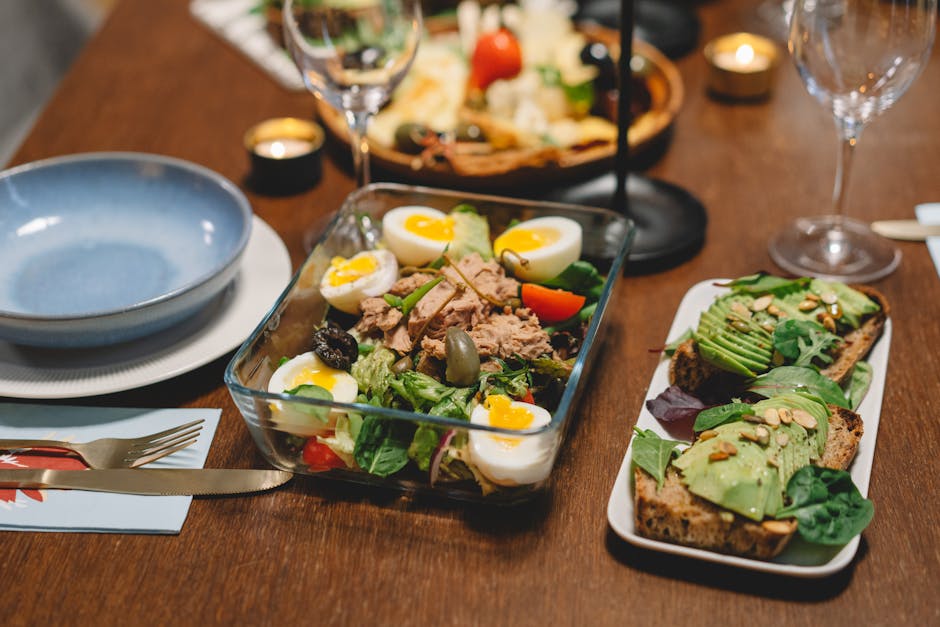
Tuna Avocado Egg Salad: A Nutrient-Dense, Versatile Powerhouse
Tuna avocado egg salad represents a culinary fusion that elevates a classic comfort food into a remarkably healthy and flavorful meal. This dish masterfully combines the protein-rich benefits of tuna and eggs with the creamy, monounsaturated fat goodness of avocado, creating a salad that is not only satisfying but also packed with essential nutrients. Far from a simple sandwich filling, this tuna avocado egg salad can be the star of a light lunch, a substantial appetizer, or a component of a more elaborate meal. Its inherent flexibility allows for countless variations, catering to diverse dietary needs and taste preferences. The synergy of its core ingredients – flaky tuna, tender hard-boiled eggs, and luscious avocado – produces a unique texture profile that is both smooth and delightfully chunky, offering a multi-sensory dining experience. Beyond its appealing taste and texture, the nutritional profile of this salad is truly impressive, making it a valuable addition to any health-conscious diet. Tuna, a lean source of complete protein, is also rich in omega-3 fatty acids, which are crucial for heart health and brain function. Eggs contribute high-quality protein, choline (essential for cognitive function), and vitamins like D and B12. Avocado, a nutritional powerhouse in its own right, provides a wealth of healthy fats, fiber, potassium, and a range of vitamins and minerals, including vitamin K, folate, and vitamin C. The combination of these ingredients results in a salad that promotes satiety, supports muscle repair, aids in nutrient absorption, and contributes to overall well-being. The preparation is remarkably straightforward, requiring minimal cooking and a short assembly time, making it an ideal option for busy individuals seeking nutritious meal solutions.
The nutritional superiority of tuna avocado egg salad over its traditional counterpart is a significant selling point for health-conscious consumers and those managing specific dietary goals. Traditional tuna salad often relies heavily on mayonnaise, which is typically high in saturated and unhealthy fats, as well as processed ingredients. By substituting a substantial portion of the mayonnaise with creamy avocado, this revised recipe dramatically improves the fat profile. Avocado’s monounsaturated fats are heart-healthy, helping to lower LDL ("bad") cholesterol and increase HDL ("good") cholesterol. This shift not only reduces calorie intake but also introduces beneficial phytonutrients not found in mayonnaise. Furthermore, the fiber content of avocado contributes to digestive health and promotes a feeling of fullness, which can be instrumental in weight management. The protein density from both tuna and eggs ensures sustained energy release, preventing the blood sugar spikes and subsequent crashes often associated with refined carbohydrate-heavy meals. The omega-3 fatty acids in tuna are potent anti-inflammatory agents, which can benefit conditions ranging from arthritis to cardiovascular disease. The inclusion of eggs adds choline, a nutrient often under-consumed, which plays a vital role in neurotransmitter synthesis and liver function. This confluence of beneficial nutrients positions tuna avocado egg salad as a functional food, actively contributing to various bodily processes and overall health maintenance. For individuals following specific dietary regimens, such as the ketogenic diet, paleo diet, or a general low-carbohydrate, high-fat (LCHF) approach, this salad fits seamlessly. Its low carbohydrate content and high fat and protein make it a satiating and energy-dense option. When opting for canned tuna, it’s advisable to choose varieties packed in water or olive oil to further enhance the nutritional benefits and avoid unnecessary added oils. The versatility of preparation methods, from simple mashing to more finely chopped textures, allows for customization based on individual preferences, further solidifying its appeal.
The foundational elements of a well-executed tuna avocado egg salad are, unsurprisingly, high-quality tuna, perfectly cooked eggs, and ripe, creamy avocado. The choice of tuna is paramount. Canned light tuna, packed in water, is generally considered the leanest option and a good source of protein with minimal fat. Chunk light tuna often has a milder flavor and less mercury content compared to albacore. For a richer taste and texture, oil-packed tuna can be used, particularly if opting for tuna packed in olive oil, which contributes healthy monounsaturated fats. Draining the tuna thoroughly is essential to prevent a watery salad and ensure proper emulsification with the other ingredients. Hard-boiled eggs are the second pillar. Achieving the perfect hard-boiled egg is a matter of technique: a 10-12 minute boil from cold water followed by an ice bath ensures a firm yolk and easily peelable shell. Overcooked eggs can develop a rubbery texture and a greenish ring around the yolk, detracting from the salad’s overall appeal. The avocado must be ripe, yielding gently to pressure but not mushy. Overripe avocados can impart an undesirable bitterness and a mushy, unappetizing texture. Underripe avocados will be hard and lack the desired creaminess. The ideal avocado will mash smoothly, creating a luscious binder for the tuna and egg. The ratio of these three core ingredients can be adjusted to personal preference, but a good starting point is often equal parts tuna and egg, with avocado added gradually until the desired creaminess is achieved. This foundational balance provides the canvas upon which flavor variations can be built.
Beyond the core ingredients, the supporting cast of seasonings and additions is what truly transforms tuna avocado egg salad from good to exceptional, offering a spectrum of flavor profiles and textural complexities. Finely diced red onion or shallots introduce a pungent bite and a subtle sweetness that cuts through the richness. Celery, finely chopped, provides a refreshing crunch and a clean, slightly peppery note. A touch of Dijon mustard is a classic for a reason, lending a tangy depth and a hint of spice that complements the other ingredients. Lemon juice or lime juice is indispensable for brightening the flavors and preventing the avocado from browning. The acidity acts as a palate cleanser, making each bite more vibrant. Fresh herbs are a game-changer. Dill, with its delicate, slightly anise-like flavor, is a traditional partner for fish and eggs. Parsley, finely chopped, offers a fresh, green brightness. Chives provide a mild oniony flavor. For those who enjoy a touch of heat, a pinch of cayenne pepper, a dash of hot sauce, or finely minced jalapeño can be incorporated. Salt and freshly ground black pepper are, of course, essential for enhancing and balancing all the flavors. The key to successful seasoning lies in tasting and adjusting as you go, ensuring that no single flavor overpowers the others. The interplay of creamy avocado, flaky tuna, tender egg, and the subtle crunch of vegetables, all bound together by well-balanced seasonings, creates a harmonious and deeply satisfying culinary creation.
The versatility of tuna avocado egg salad extends far beyond its consumption as a standalone dish or sandwich filling. Its inherent richness and satisfying texture make it an excellent option for numerous culinary applications, allowing for creative and nutritious meal planning. As a topping for salad greens, it transforms a simple side salad into a hearty and complete meal. A bed of mixed greens, spinach, or arugula, adorned with a generous scoop of tuna avocado egg salad, becomes a nutritious and filling lunch. Adding other salad components like cherry tomatoes, cucumber slices, or bell peppers further enhances its appeal and nutritional density. For a lighter appetizer or a sophisticated brunch item, it can be served atop crisp cucumber rounds, endive spears, or toasted whole-wheat crostini. This presentation is elegant yet effortlessly prepared, making it ideal for entertaining. Stuffed into bell peppers or hollowed-out tomatoes, it offers a visually appealing and portion-controlled meal. The natural creaminess of the avocado allows it to bind effectively, making it a suitable filling for wraps or lettuce cups, providing a healthier alternative to traditional mayonnaise-laden fillings. For those seeking a protein-boosted breakfast, a dollop on top of avocado toast or alongside scrambled eggs adds an extra layer of flavor and satiety. It can also be incorporated into pasta salads, albeit with a lighter hand to maintain its distinct identity, or served as a flavorful stuffing for baked potatoes. The ability to adapt to various serving styles underscores its practical value and broad culinary appeal, making it a staple for busy home cooks and health enthusiasts alike.
When considering dietary restrictions and preferences, tuna avocado egg salad proves remarkably adaptable, offering solutions for a wide range of needs without sacrificing flavor or satisfaction. For individuals managing gluten intolerance or celiac disease, the salad itself is naturally gluten-free. Serving it in lettuce cups, cucumber boats, or atop gluten-free crackers ensures the entire meal remains compliant. The keto and low-carb communities embrace this salad due to its high fat and protein content and minimal carbohydrates. It can be enjoyed on its own or paired with low-carb vegetables like celery sticks or bell pepper strips. For paleo followers, ensuring the tuna is canned in olive oil or water, and omitting any added sugars or processed ingredients in seasonings, makes it a compliant choice. Dairy-free individuals will find the avocado serves as an excellent creamy binder, negating the need for yogurt or sour cream often found in other egg salads. For those with egg allergies, while it fundamentally includes eggs, the tuna and avocado base can be adapted. A "tuna avocado salad" without the eggs, perhaps with added chopped pickles or capers for briney complexity and a firmer texture, could be a viable alternative. For individuals seeking to reduce sodium intake, opting for low-sodium canned tuna and controlling the amount of added salt is crucial. Utilizing fresh herbs and lemon or lime juice can provide ample flavor without relying on high-sodium condiments. The adaptability of this salad lies in its core components, which are naturally nutrient-dense and can be modified to fit almost any dietary framework, making it a truly inclusive and accessible meal option.
The environmental impact and sustainability of consuming tuna avocado egg salad are important considerations for conscious consumers. The sourcing of tuna is a critical factor. Opting for tuna species that are sustainably fished, such as pole-and-line caught skipjack or yellowfin, significantly reduces the environmental footprint compared to methods like purse seining, which can lead to bycatch of other marine species. Look for certifications like the Marine Stewardship Council (MSC) on canned tuna products. The environmental impact of avocados is also a topic of discussion, primarily related to water usage and land conversion in certain growing regions. However, when sourced responsibly and consumed in moderation, avocados remain a nutritionally dense and valuable food. The cultivation practices and transportation distances of both ingredients can influence their overall sustainability. Consumers can make more environmentally friendly choices by selecting locally sourced produce when possible and by being mindful of the origin of their canned tuna. The preparation of tuna avocado egg salad itself is relatively low-impact, requiring minimal energy for cooking and no significant waste generation when ingredients are utilized efficiently. By making informed choices about the sourcing of its key components, tuna avocado egg salad can be a delicious and relatively sustainable option within a balanced diet. Furthermore, the minimal processing involved in creating this salad, especially when using fresh ingredients, generally has a lower carbon footprint than highly processed convenience foods. The emphasis on whole, nutrient-dense ingredients naturally aligns with a more sustainable approach to food consumption.
To optimize search engine visibility for content related to "tuna avocado egg salad," incorporating relevant keywords naturally and comprehensively is essential. These keywords should reflect user search queries and the core aspects of the dish. Key terms include: "tuna avocado egg salad recipe," "healthy tuna salad," "avocado egg salad," "low carb tuna salad," "keto tuna salad," "paleo tuna salad," "dairy-free tuna salad," "best tuna salad," "easy tuna salad," "quick tuna salad," "omega-3 rich salad," "protein-packed salad," "avocado benefits," "tuna nutrition," and specific ingredient combinations like "dill tuna salad," "lemon tuna salad," or "celery tuna salad." Beyond these core terms, semantically related phrases that delve into preparation methods, serving suggestions, and nutritional benefits should be woven into the content. Examples include "how to make tuna avocado egg salad," "what to serve with tuna avocado egg salad," "nutritional value of tuna avocado egg salad," "tuna avocado egg salad for lunch," and "healthy sandwich filling." The article’s structure, with clear headings and subheadings, helps search engines understand the content’s organization and relevance. Utilizing internal and external links to reputable sources on nutrition, sustainability, and recipe variations can also enhance SEO. High-quality images and videos accompanying the text are crucial for user engagement and can also contribute to search rankings. The consistent use of these keywords throughout the article, particularly in headings, the introduction, and the conclusion, without resorting to keyword stuffing, will ensure that the content is discoverable by individuals actively seeking information about this nutritious and delicious dish. Focusing on providing comprehensive, valuable, and well-written information will naturally lead to higher rankings and greater organic traffic.
