
Ask The Rd Are Superfood Powders Healthy
Ask the RD: Are Superfood Powders Healthy?
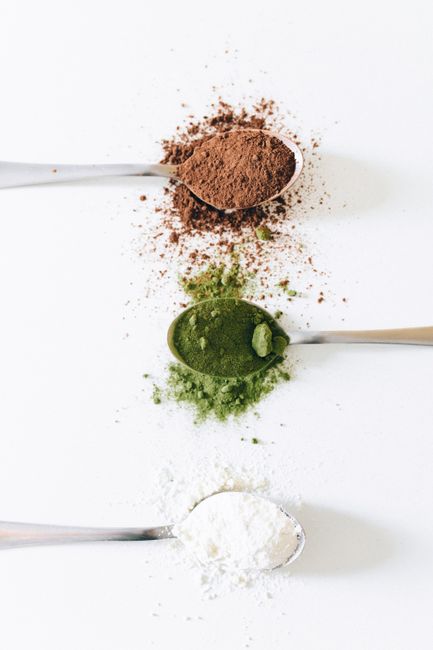
Superfood powders, a ubiquitous presence on health food store shelves and prominent in influencer marketing campaigns, promise a concentrated dose of nutrients, antioxidants, and a general boost to well-being. The term "superfood" itself is a marketing construct, lacking a strict scientific definition. It generally refers to foods believed to offer exceptional health benefits due to their high density of vitamins, minerals, antioxidants, and other beneficial compounds. When these foods are dehydrated and ground into a powder, the intention is to offer a convenient and potent way to incorporate their purported advantages into the daily diet. However, the question of whether these powders are inherently "healthy" requires a nuanced examination, considering their sourcing, processing, nutrient density, potential contaminants, and individual dietary needs.
The composition of superfood powders varies dramatically, reflecting the diverse array of ingredients used. Common bases include greens like spirulina, chlorella, kale, spinach, and wheatgrass, often blended with fruits such as berries, acai, and goji, and sometimes supplemented with seeds, herbs, and even medicinal mushrooms like reishi or lion’s mane. Each ingredient possesses a unique nutritional profile. For instance, spirulina is renowned for its protein content, iron, and vitamins, while acai berries are lauded for their high antioxidant capacity, primarily from anthocyanins. The health benefits attributed to these powders are generally extrapolations from the known nutritional and phytochemical profiles of their individual components. Antioxidants, for example, are crucial for combating oxidative stress, a process implicated in aging and chronic diseases. Vitamins and minerals are essential for a myriad of bodily functions, from immune support to energy metabolism.
However, the processing of these ingredients into a powder form can impact their nutritional value. Dehydration, a common method, can lead to some loss of heat-sensitive vitamins like Vitamin C. While manufacturers often aim to retain as much nutrient integrity as possible, the extent of this loss can vary depending on the specific drying techniques employed. Furthermore, the bioavailability of nutrients can be affected. Bioavailability refers to the proportion of a nutrient that is absorbed and utilized by the body. Certain compounds within the powder, or the processing itself, might enhance or hinder this absorption. For example, the presence of fiber in whole foods generally aids in nutrient absorption, and while many powders retain fiber, the degree can differ.
A critical aspect of superfood powder healthfulness lies in the quality of their sourcing and manufacturing. The "superfood" label can sometimes mask a lack of transparency regarding origin and cultivation practices. Pesticide and herbicide residues are a significant concern, especially with ingredients grown in environments with less stringent agricultural regulations. Heavy metal contamination, such as lead, cadmium, and arsenic, is another potential risk, particularly in ingredients like spirulina and chlorella, which can absorb these elements from their growing environment. Reputable brands often conduct third-party testing for contaminants and ensure organic certification to mitigate these risks. Consumers should scrutinize product labels for certifications like USDA Organic, Non-GMO Project Verified, and evidence of independent lab testing for heavy metals and other contaminants. The absence of such assurances raises red flags regarding the product’s safety and true healthfulness.
The concept of dose-response is also vital when evaluating superfood powders. While individual ingredients might be beneficial in their whole food forms, concentrating them into a powder can lead to excessive intake of certain nutrients or compounds. For example, while Vitamin A is essential, a very high intake of beta-carotene, a precursor to Vitamin A found in many green powders, can lead to carotenemia, a harmless but noticeable orange discoloration of the skin. Similarly, some adaptogenic herbs included in certain powders, while potentially beneficial in moderate doses for stress management, can have side effects or interact with medications when consumed in high concentrations. The recommended daily allowances (RDAs) and tolerable upper intake levels (ULs) for various nutrients are established based on whole food consumption and may not directly translate to highly concentrated powdered forms. Therefore, adhering to the manufacturer’s recommended serving size is paramount, and individuals with pre-existing health conditions or those taking medications should consult a healthcare professional before incorporating these products.
For individuals with a varied and balanced diet, superfood powders may offer marginal benefits, if any. A diet rich in fruits, vegetables, whole grains, lean proteins, and healthy fats typically provides all the necessary vitamins, minerals, and antioxidants for optimal health. The nutrients found in these whole foods are also often packaged with fiber, synergistic phytonutrients, and in forms that are readily absorbed by the body. In such cases, a superfood powder might simply be adding nutrients that are already being adequately met. The emphasis in nutritional science is increasingly on the synergistic effects of whole foods rather than isolated nutrients.
However, for specific populations or individuals with dietary restrictions, superfood powders can potentially play a role. For instance, someone struggling to consume adequate servings of leafy greens due to taste preferences or digestive issues might find a greens powder a more palatable way to increase their intake of certain micronutrients. Athletes or individuals with increased nutrient demands might also find a well-formulated powder to be a convenient supplement. Vegans or vegetarians who may struggle to obtain sufficient iron or vitamin B12 from their diet could potentially benefit from powders fortified with these nutrients, provided the source is bioavailable and of high quality. It is crucial to reiterate that these are potential benefits, and a personalized approach, ideally guided by a registered dietitian, is always recommended.
The marketing of superfood powders often overstates their efficacy, creating unrealistic expectations. Claims of dramatic weight loss, disease prevention, or "detoxification" are frequently unsubstantiated by robust scientific evidence. The human body possesses sophisticated detoxification mechanisms, primarily through the liver and kidneys, and no single food or supplement can "detoxify" it. While some ingredients in superfood powders may support these organs’ functions, the concept of actively "detoxifying" with a powder is misleading. Similarly, while antioxidants combat oxidative stress, this is a complex biological process, and attributing a cure for chronic diseases to a powder is an oversimplification. Consumers should approach such claims with skepticism and prioritize evidence-based approaches to health.
Furthermore, the cost-effectiveness of superfood powders is often questionable. The processing, packaging, and marketing associated with these products contribute to their often-high price point. Gram for gram, the cost of nutrients in a superfood powder can be significantly higher than obtaining them from whole foods. For example, a serving of spinach in its whole form will provide similar nutrients to the spinach component of a powder, along with fiber and other beneficial compounds, at a fraction of the cost. Investing in a diverse range of fresh produce is generally a more economical and nutritionally superior strategy for most individuals.
The potential for digestive upset is another consideration. Some individuals may experience bloating, gas, or other gastrointestinal discomfort from consuming concentrated forms of certain ingredients, particularly those high in fiber or certain types of carbohydrates. The palatability of these powders can also be an issue, with many having a strong, earthy, or sometimes unpleasant taste that requires masking with other ingredients, potentially negating some of the perceived health benefits if artificial sweeteners or excessive sugars are used.
In conclusion, the healthfulness of superfood powders is not an absolute. While they can offer a concentrated source of nutrients and beneficial compounds, their effectiveness and safety are contingent on several factors: the quality and sourcing of ingredients, the processing methods employed, the absence of contaminants, the appropriate dosage for individual needs, and the overall dietary context. For individuals with nutrient gaps or specific dietary challenges, a well-formulated, third-party tested superfood powder might offer some benefits. However, for the majority of individuals consuming a balanced diet, the purported advantages are likely to be minimal, and the cost-effectiveness is debatable. Prioritizing whole, unprocessed foods remains the cornerstone of a healthy diet, and any consideration of superfood powders should be approached with critical evaluation, informed by scientific evidence and ideally, professional guidance from a registered dietitian or healthcare provider. The focus should always be on achieving optimal nutrition through sustainable, whole-food-based dietary patterns rather than relying on the marketing allure of powdered solutions.
