Understanding Diastema: Causes, Health Implications, and Advanced Orthodontic Solutions for Teeth Spacing


Teeth spacing, medically known as diastema, represents a prevalent orthodontic concern characterized by visible gaps between two or more teeth. While often perceived as a purely aesthetic issue, these spaces can hold deeper implications for an individual’s oral health, bite functionality, and the long-term stability of dental alignment. Recognizing the multifactorial origins of diastema and discerning when professional intervention becomes necessary is crucial for making informed decisions regarding dental care and overall well-being.
Defining Diastema: A Comprehensive Overview
Diastema refers to any gap or space between teeth. Although most commonly associated with a prominent gap between the two upper front teeth (a maxillary midline diastema), these spaces can manifest anywhere in the dental arch, ranging from barely perceptible slivers to noticeable voids. This condition is not exclusive to a particular age group, affecting children, adolescents, and adults alike, with its presentation and potential causes often varying across different life stages. For some, these gaps may be a hereditary trait, posing no significant functional challenge beyond cosmetic preference. For others, they can be symptomatic of underlying developmental, behavioral, or pathological issues that necessitate orthodontic or comprehensive dental evaluation. An orthodontist possesses the specialized expertise to differentiate between minor spacing that requires no intervention and gaps indicative of a broader alignment or jaw development concern.
The Prevalence and Impact of Teeth Spacing
Diastema is a remarkably common condition globally. While precise statistics vary by population and diagnostic criteria, studies suggest that maxillary midline diastema alone affects an estimated 20% to 25% of individuals in the primary dentition, often resolving naturally with the eruption of permanent teeth. However, its persistence into adulthood is also significant, with prevalence rates in permanent dentition reported to be between 1.6% and 25.4%, influenced by factors such as genetics, ethnicity, and oral habits. The impact of these gaps extends beyond mere statistics, influencing psychological well-being, speech patterns, and susceptibility to various oral health complications.
Identifying the Signs: When Gaps Become Apparent
The manifestation of teeth spacing can be quite varied, impacting both the visual harmony of a smile and the day-to-day functionality of the oral cavity. Early recognition of these signs is pivotal in determining whether the spacing is primarily a cosmetic consideration or warrants a thorough orthodontic assessment. Common indicators of diastema include:
- Visible Gaps Between Teeth: The most obvious sign, ranging from a subtle space to a pronounced opening.
- Frequent Food Impaction: Food particles consistently getting lodged in the spaces, leading to discomfort and potential hygiene challenges.
- Changes in Bite Alignment: Noticing that teeth no longer fit together as they once did during biting or chewing, potentially indicating tooth migration or other occlusal issues.
- Speech Alterations: In some cases, larger gaps, particularly in the anterior region, can affect speech articulation, leading to lisps or whistling sounds as air escapes through the spaces.
- Gum Irritation: Chronic food impaction can lead to localized gum inflammation or bleeding.
Unpacking the Etiology: What Causes Gaps Between Teeth?
Teeth spacing can arise from a complex interplay of genetic, developmental, and acquired factors. Understanding these underlying causes is fundamental to devising an effective and lasting treatment strategy.
- Genetic Predisposition: Heredity plays a significant role. Individuals may inherit a jaw size that is disproportionately large for the size of their teeth, resulting in generalized spacing. Conversely, inheriting smaller teeth (microdontia) can also lead to gaps, even with a normal-sized jaw.
- High Labial Frenum: The labial frenum is a band of tissue that connects the upper lip to the gum tissue between the two front teeth. If this frenum is unusually large or extends too far down between the teeth, it can physically prevent the front teeth from coming together, creating a midline diastema.
- Missing Teeth (Hypodontia): Congenitally missing teeth, a condition where one or more permanent teeth fail to develop, can lead to gaps as existing teeth drift into the vacant spaces, or simply because there are fewer teeth to fill the arch.
- Undersized Teeth (Microdontia): As mentioned, teeth that are smaller than average, such as "peg laterals" (smaller, pointed lateral incisors), can create spaces alongside normal-sized teeth.
- Habitual Behaviors:
- Thumb Sucking or Pacifier Use: Prolonged and vigorous thumb sucking or pacifier use in childhood can exert pressure on the front teeth, pushing them forward and creating gaps.
- Tongue Thrust: A swallowing pattern where the tongue pushes against the front teeth instead of the roof of the mouth can gradually move teeth apart over time.
- Periodontal Disease: Advanced gum disease can lead to the destruction of the bone and ligaments supporting the teeth. As this support diminishes, teeth can become mobile and drift, creating new gaps or widening existing ones. This is particularly concerning in adults, where new or worsening gaps might signal underlying periodontal issues.
- Tooth Extraction: The removal of a tooth, whether due to decay, trauma, or orthodontic necessity, can leave a space that, if not managed, may cause adjacent teeth to shift.
- Uneven Tooth Wear or Attrition: Over time, teeth can wear down unevenly, which might subtly alter their contact points and lead to small gaps or changes in occlusion.
The Clinical Significance: Are Gaps Between Teeth Always a Problem?
Not all instances of diastema necessitate treatment. Some gaps are purely cosmetic and do not compromise oral health or function. However, the presence of larger, progressively widening, or symptom-producing gaps can lead to a spectrum of issues:
- Compromised Oral Hygiene: Gaps create additional surfaces and crevices where food particles can become trapped, making effective brushing and flossing more challenging. This increases the risk of plaque accumulation, leading to dental caries (cavities) and periodontal (gum) disease.
- Increased Risk of Periodontal Issues: Chronic food impaction and difficulty cleaning can exacerbate gum inflammation, potentially accelerating the progression of gingivitis to periodontitis, which involves irreversible bone loss around the teeth.
- Speech Impediments: As noted, significant anterior gaps can affect phonetics, leading to lisps or whistling sounds during speech, which can be a source of self-consciousness.
- Bite Irregularities (Malocclusion): Spaces can allow adjacent teeth to drift, leading to an uneven bite. This malocclusion can result in uneven wear on teeth, jaw pain (TMJ disorders), and difficulty chewing.
- Tooth Migration and Relapse: Untreated gaps may worsen over time, as teeth naturally tend to shift. This can complicate future treatment and may lead to a cascade of further alignment issues.
- Psychological and Social Impact: For many, the cosmetic aspect of gaps can significantly impact self-esteem and confidence, affecting social interactions and professional presentations. A study published in the Journal of Orthodontics and Dentofacial Orthopedics indicated that individuals with noticeable dental irregularities often report lower self-perceived attractiveness and satisfaction with their smile.
An orthodontic evaluation is the definitive step to ascertain whether treatment is warranted, considering both functional and aesthetic dimensions.
The Orthodontic Evaluation Process: A Thorough Assessment
During an initial orthodontic evaluation for teeth spacing, the orthodontist conducts a comprehensive assessment designed to understand the unique characteristics of the patient’s oral anatomy and determine the root cause of the diastema. This meticulous review includes:
- Clinical Examination: The orthodontist visually inspects the position and spacing of the teeth, evaluates the alignment of the bite (occlusion), and assesses the relationship between the upper and lower jaws. The health of the gums and supporting bone structures is also carefully checked.
- Medical and Dental History Review: Gathering information about past dental treatments, medical conditions, oral habits (e.g., thumb sucking, tongue thrust), and family history of dental issues provides crucial context.
- Diagnostic Records: To gain a deeper understanding of the underlying skeletal and dental structures, the orthodontist may utilize a suite of diagnostic tools:
- Digital Photographs: High-resolution images of the face and teeth document the initial presentation and serve as a baseline for tracking progress.
- Digital Scans or Impressions: These create precise 3D models of the teeth and jaws, allowing for detailed analysis of tooth morphology, arch form, and spacing.
- X-rays (Radiographs): Panoramic and cephalometric X-rays provide essential insights into jaw bone structure, the presence of unerupted or missing teeth, and root positioning, which are vital for identifying developmental anomalies or periodontal concerns.
This thorough diagnostic process is critical for identifying the precise cause of the spacing, enabling the orthodontist to formulate a highly individualized and effective treatment plan.
Advanced Treatment Modalities for Teeth Spacing
The selection of a treatment approach for diastema is highly individualized, contingent upon the identified cause of the spacing, the size and location of the gaps, the patient’s age, the overall health of the supporting tissues, and the presence of any concurrent alignment issues. Orthodontic science offers a range of sophisticated options.
1. Braces for Comprehensive Gap Closure
Traditional braces remain a cornerstone of orthodontic treatment for closing gaps, particularly when spacing coexists with other complex alignment problems such as crowding, significant bite discrepancies (malocclusion), or jaw development issues. Braces, comprising brackets bonded to the teeth and connected by archwires, gradually exert continuous, controlled forces to move teeth into their desired positions, effectively closing spaces over time. They are a versatile and highly effective option suitable for children, adolescents, and adults, offering predictable results for even severe forms of diastema. Modern braces often feature smaller, more aesthetic brackets, enhancing patient comfort and appearance during treatment.
2. Clear Aligners for Discreet Correction
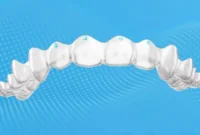
For individuals with mild to moderate spacing, clear aligners represent an increasingly popular and aesthetically pleasing alternative. Systems like Invisalign utilize a series of custom-made, transparent plastic trays that are worn sequentially. Each aligner tray is designed to progressively move teeth closer together, gently closing gaps and contributing to a more balanced and healthy smile. The removable nature of clear aligners offers advantages in terms of oral hygiene and dietary freedom, appealing to many adult patients seeking a less noticeable treatment option. Their efficacy has been validated in numerous clinical studies, demonstrating successful gap closure in appropriate cases.
3. The Crucial Role of Retainers Post-Treatment
Regardless of the chosen active treatment method (braces or aligners), the retention phase is paramount for long-term success. Retainers, either fixed (bonded behind the teeth) or removable (worn nightly), are essential for maintaining the newly achieved alignment and preventing the reopening of gaps. Dental arches are dynamic, and teeth possess a natural tendency to revert to their original positions (relapse). This is particularly true for spacing issues, especially those caused by a high frenum or genetically smaller teeth. Consistent and diligent retainer wear, as prescribed by the orthodontist, is the single most important factor in ensuring the stability and longevity of the treatment results.
4. Adjunctive and Interdisciplinary Treatments
In certain scenarios, orthodontic care may be integrated with other dental procedures to achieve optimal functional and aesthetic outcomes. This interdisciplinary approach can include:
- Frenectomy: If a prominent labial frenum is the cause of a midline diastema, a minor surgical procedure called a frenectomy can remove the excess tissue, allowing the teeth to move closer together or preventing relapse after orthodontic closure.
- Dental Bonding: For very small gaps or to improve tooth shape, composite resin (tooth-colored filling material) can be directly applied to the tooth surface to build it up and close the space aesthetically. This is a non-invasive and relatively quick procedure.
- Veneers or Crowns: Porcelain veneers (thin shells bonded to the front surface of teeth) or crowns (full coverage caps) can be used to close larger gaps, correct tooth size discrepancies, and enhance overall smile aesthetics, particularly when combined with preliminary orthodontic alignment.
- Dental Implants or Bridges: If gaps are due to missing teeth, dental implants (artificial tooth roots surgically placed into the jawbone) or dental bridges (prosthetic teeth supported by adjacent natural teeth) can restore the missing dentition and fill the spaces, often after orthodontic preparation of the surrounding teeth.
- Periodontal Treatment: If gum disease is contributing to tooth migration and spacing, addressing the underlying periodontal issues is a critical first step. This may involve deep cleaning (scaling and root planing), gum surgery, or bone grafting to stabilize the supporting structures before or during orthodontic treatment.
Orthodontics: The Primary Solution for Gap Closure
In the vast majority of cases, both traditional braces and clear aligners are highly effective in successfully closing gaps between teeth. The choice between these options is determined by a comprehensive evaluation of the cause and severity of the spacing, the presence of other bite issues, patient preferences regarding aesthetics and lifestyle, and the orthodontist’s clinical judgment. Larger gaps, the presence of congenitally missing teeth, or complex bite-related issues often necessitate a more customized and sometimes combined approach. A board-certified orthodontist is uniquely qualified to recommend the most effective and personalized solution following a thorough diagnostic assessment.
Age-Specific Considerations in Diastema Management
The approach to teeth spacing often varies significantly depending on the patient’s age and stage of dental development.
- Children: In the primary dentition (baby teeth), some spacing is often normal and even desirable, providing room for the larger permanent teeth to erupt. As permanent teeth emerge, particularly the central incisors, a temporary midline diastema (often called "ugly duckling stage") is common and usually self-corrects as the canines erupt and push the incisors together. However, persistent or unusually large gaps, or those associated with habits like thumb sucking or a prominent frenum, should be monitored. Early orthodontic guidance (interceptive orthodontics) can help determine if early intervention is needed or if watchful waiting is appropriate as the child’s smile continues to develop.
- Adolescents: Gaps that persist or become more pronounced during the adolescent years often indicate underlying alignment or bite concerns that may benefit significantly from orthodontic intervention. This is an opportune time for treatment as the jaws are still developing, allowing for efficient tooth movement.
- Adults: While spacing in adults is highly treatable, new or widening gaps warrant a careful evaluation to rule out underlying issues such as periodontal disease, pathological tooth migration, or changes in bite mechanics. Treatment for adults may sometimes be more complex due to fully developed bone structure and potential pre-existing dental work, but modern orthodontic techniques offer excellent outcomes. Dr. Marcus Thorne, a spokesperson for the American Association of Orthodontists, states, "Adult orthodontics has seen tremendous advancements. We can effectively close gaps for patients of all ages, often with discreet options like clear aligners, provided the underlying gum and bone health is stable."
When to Seek Professional Orthodontic Consultation
Proactive consultation with an orthodontist is advisable under several circumstances:
- Visible and Persistent Gaps: If noticeable gaps between teeth are present and do not seem to be resolving naturally.
- Functional Concerns: Experiencing frequent food impaction, discomfort when biting, or noticeable changes in speech patterns.
- Worsening Gaps: Gaps that appear to be increasing in size or number over time.
- Aesthetic Dissatisfaction: If the appearance of the gaps negatively impacts self-confidence or smile aesthetics.
- For Children: Any persistent spacing after the eruption of permanent front teeth, or if there are concerns about oral habits or developmental issues. The American Association of Orthodontists recommends a first orthodontic check-up by age seven, allowing for early detection of potential problems.
The Broader Implications of Oral Health
The successful management of diastema extends beyond individual dental health, touching upon broader public health and socio-economic considerations. Improved oral health, including the correction of spacing, reduces the incidence of caries and periodontal disease, thereby lowering healthcare costs in the long run. Furthermore, the psychological benefits of a confident smile are immeasurable, impacting personal relationships, career opportunities, and overall quality of life. Access to specialized orthodontic care, as facilitated by professional organizations like the American Association of Orthodontists, ensures that individuals can receive expert guidance and treatment tailored to their specific needs.
Scheduling an Orthodontic Evaluation for Teeth Spacing
Teeth spacing is a common orthodontic challenge that is, in most instances, highly treatable with a personalized and expert approach. A comprehensive orthodontic plan can effectively address both the aesthetic concerns and the underlying functional issues associated with diastema.
Individuals concerned about gaps in their own smile or their child’s developing dentition are strongly encouraged to seek a consultation with a qualified orthodontist. An AAO (American Association of Orthodontists) certified orthodontic practice is equipped to provide an accurate diagnosis of the cause of spacing, thoroughly explain all available treatment options, and guide patients toward the most appropriate and effective next steps for achieving a healthy, beautiful, and lasting smile. Finding an AAO orthodontist nearby and scheduling a consultation today is the first step toward understanding and resolving teeth spacing concerns.