Understanding the Underbite: A Comprehensive Guide to Causes, Health Impacts, and Modern Orthodontic Solutions


An underbite is a bite issue that affects an estimated 5–10% of people worldwide, a significant segment of the global population experiencing a specific form of malocclusion where the lower teeth or jaw sit in front of the upper teeth. While often perceived as a purely cosmetic concern, an untreated underbite can profoundly impact an individual’s oral health, comfort, and overall quality of life, necessitating a detailed understanding of its complexities and available corrective measures. This comprehensive article delves into what an underbite entails, explores its various etiologies, examines the critical juncture when treatment becomes imperative, and outlines the spectrum of modern orthodontic options available. A qualified orthodontist is the pivotal professional in this journey, equipped to evaluate the severity of the condition and meticulously recommend a tailored treatment plan for each unique patient.
What Constitutes an Underbite? A Clinical Definition
At its core, an underbite is a type of malocclusion, a clinical term encompassing any misalignment of the teeth and jaws. In an ideal, healthy bite, the upper front teeth should subtly overlap or sit slightly in front of the lower teeth when the mouth is closed, providing optimal function and aesthetic harmony. With an underbite, this natural relationship is inverted; the lower front teeth either overlap the upper front teeth or visibly sit ahead of them. This reversal can manifest in various degrees, ranging from a mild, almost imperceptible misalignment where only a few teeth are involved, to a severe condition where the lower jaw distinctly protrudes forward, dramatically altering facial aesthetics and functional capabilities.
The distinction in the cause of an underbite is paramount for effective treatment planning. Underbites can be broadly categorized into two primary types:
- Dental Underbite: This occurs when the issue primarily stems from the positioning of the teeth themselves. The upper teeth may be inclined backward, or the lower teeth may be inclined forward, creating the appearance of an underbite without a significant underlying jaw discrepancy. This type is generally less severe and often more amenable to orthodontic treatment focused on tooth movement.
- Skeletal Underbite: This more complex form arises from an imbalance in the growth or size of the jaws. Typically, it involves an underdeveloped upper jaw (maxilla), an overdeveloped lower jaw (mandible), or a combination of both. Skeletal underbites often present with a more pronounced facial appearance and tend to be more challenging to correct, especially in adults, frequently requiring a multi-disciplinary approach.
Understanding this distinction is crucial for orthodontists to devise the most appropriate and effective treatment strategy, highlighting why a thorough diagnostic process is indispensable.
The Global Prevalence and Historical Context of Malocclusion
The estimated 5-10% global prevalence of underbites, also known clinically as Class III malocclusion, underscores its significance as a widespread oral health concern. While these statistics provide a general snapshot, the incidence can vary across different ethnic groups and geographic regions, often influenced by genetic predispositions. For instance, studies suggest a higher prevalence in certain Asian populations compared to Caucasian populations, indicating a genetic component in craniofacial development.
Historically, the concept of teeth alignment has been recognized for centuries. Ancient civilizations, including the Egyptians and Greeks, showed rudimentary attempts at correcting dental irregularities, though the scientific understanding of malocclusion, particularly conditions like the underbite, evolved significantly with the advent of modern dentistry and orthodontics. Early 20th-century pioneers like Edward Angle laid the foundational classification systems for malocclusion, including Class III, which greatly advanced diagnostic capabilities and treatment approaches. This historical progression highlights a long-standing human endeavor to achieve not just aesthetically pleasing smiles, but also functionally sound bites, recognizing the profound impact of dental alignment on overall well-being.
Common Signs and Symptoms of an Underbite: Beyond the Visible
While some underbites are immediately apparent, others can be subtle, requiring a professional orthodontic examination for detection. The signs and symptoms extend far beyond the visible misalignment, impacting various aspects of oral health and daily life. Common indicators include:
- Visible Lower Jaw Protrusion: The most obvious sign, where the chin appears to jut forward.
- Difficulty Chewing and Biting: Misaligned teeth prevent proper mastication, leading to inefficient food processing, which can impact digestion and nutrient absorption. Patients may report challenges biting into apples or tearing tougher foods.
- Speech Difficulties: The improper positioning of the jaws and teeth can interfere with articulation, leading to lisps, slurring, or difficulty pronouncing certain sounds (e.g., ‘s’ and ‘f’ sounds).
- Excessive Wear on Teeth: The abnormal bite forces can cause premature wear and tear on tooth enamel, leading to chips, fractures, and increased sensitivity. This can particularly affect the incisors and canines, which bear the brunt of the improper contact.
- Jaw Pain and Discomfort (TMJ Disorders): Chronic misalignment can strain the temporomandibular joints (TMJs) and the surrounding muscles, leading to pain, clicking or popping sounds in the jaw, headaches, and even difficulty opening or closing the mouth fully.
- Mouth Breathing: In some cases, a skeletal underbite can contribute to mouth breathing, especially during sleep, which can lead to dry mouth, increased risk of cavities, and even impact facial growth patterns over time.
- Self-Consciousness and Reduced Confidence: The aesthetic impact of an underbite, particularly a severe one, can significantly affect an individual’s self-esteem, leading to social anxiety and withdrawal, especially among adolescents and young adults.
- Increased Risk of Gum Disease and Cavities: Misaligned teeth can create areas that are difficult to clean effectively, increasing the accumulation of plaque and food debris, thereby elevating the risk of gingivitis, periodontitis, and dental caries.
If any of these symptoms resonate, a prompt orthodontic evaluation is highly recommended. Early diagnosis can prevent the exacerbation of these issues and allow for more straightforward treatment.
Factors Influencing Dental and Jaw Development: Unraveling the Etiology
The development of the teeth and jaws is a complex process influenced by a confluence of genetic, environmental, and developmental factors. Understanding these contributors is essential for both prevention and treatment.
- Genetics and Heredity: This is arguably the most significant factor. Underbites often have a strong familial component, meaning they tend to run in families. If one or both parents have an underbite, their children have a higher likelihood of developing one. Specific genetic patterns can dictate the size and position of the upper and lower jaws, leading to skeletal discrepancies.
- Early Childhood Habits: Certain prolonged habits during critical developmental periods can negatively impact jaw growth. These include:
- Thumb Sucking or Pacifier Use: While natural for infants, prolonged thumb sucking or pacifier use beyond the age of 3-4 can exert abnormal pressure on the developing jaws and teeth, potentially contributing to malocclusion.
- Tongue Thrusting: An abnormal swallowing pattern where the tongue pushes against the front teeth instead of the roof of the mouth can influence tooth position and jaw development.
- Prolonged Bottle Feeding: Similar to pacifier use, extended bottle feeding beyond infancy can sometimes contribute to adverse oral habits and jaw development.
- Trauma to the Jaw: Injuries to the jaw during childhood, particularly fractures or damage to growth plates, can disrupt normal growth patterns, potentially leading to an underbite or other facial asymmetries.
- Missing or Abnormally Shaped Teeth: Congenitally missing teeth (hypodontia) or the presence of extra teeth (supernumerary teeth) can alter the balance of forces in the mouth, leading to shifts in tooth position and impacting overall bite alignment.
- Certain Medical Conditions or Syndromes: While less common, some medical conditions or genetic syndromes are associated with craniofacial anomalies that can include an underbite. Examples include Crouzon syndrome, Apert syndrome, and sometimes even Down syndrome, where specific facial growth patterns are observed.
These factors highlight the multifaceted nature of underbite development, underscoring the need for a comprehensive diagnostic approach by an orthodontic specialist.
The Diagnostic Process: A Holistic Orthodontic Evaluation
An orthodontist evaluates an underbite by considering the entire craniofacial complex: the teeth, the bite, the jaw position, and the overall facial structure. This holistic approach ensures an accurate diagnosis and a customized treatment plan. The diagnostic process typically includes several key steps:
- Comprehensive Clinical Examination: This initial step involves a thorough visual inspection of the patient’s face, mouth, and jaw movements. The orthodontist assesses facial symmetry, the relationship between the upper and lower lips, the profile view, and the intraoral tooth alignment. They observe how the teeth meet, checking for crossbites, spacing, crowding, and the specific nature of the underbite.
- Detailed Medical and Dental History: Gathering information about past medical conditions, surgeries, medications, family history of malocclusion, and previous dental treatments is crucial. This helps identify any underlying systemic issues or genetic predispositions.
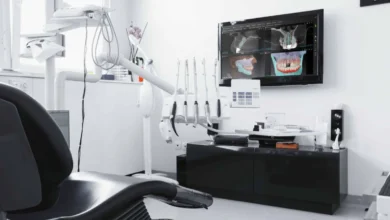
- Diagnostic Imaging: Advanced imaging techniques provide critical insights into the underlying bone structure and tooth positioning.
- Panoramic X-rays: These provide a broad view of the entire mouth, including all teeth (erupted and unerupted), jawbones, and temporomandibular joints. They help identify missing teeth, impacted teeth, or any anomalies in jaw structure.
- Cephalometric X-rays: A lateral cephalometric radiograph is a specialized X-ray taken from the side of the head, providing a precise two-dimensional image of the skull, jaws, and soft tissues. These are invaluable for analyzing the skeletal relationship between the upper and lower jaws, assessing jaw growth patterns, and determining the inclination of the front teeth relative to the jawbones. This analysis helps differentiate between dental and skeletal underbites.
- Cone Beam Computed Tomography (CBCT): For more complex cases, a 3D CBCT scan may be utilized. This advanced imaging provides highly detailed three-dimensional images of the bones, teeth, and soft tissues, offering unparalleled clarity for surgical planning and precise orthodontic movements.
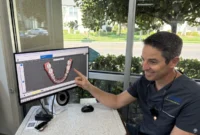
- Dental Impressions or Digital Scans: Traditional plaster models (impressions) or modern digital intraoral scans are used to create precise three-dimensional replicas of the patient’s teeth and bite. These models allow the orthodontist to study the occlusion from all angles, measure discrepancies, and plan tooth movements with accuracy.
- Photographic Documentation: A series of extraoral (facial) and intraoral (inside the mouth) photographs are taken. These photos serve as a baseline, aid in treatment planning, and provide a visual record of progress throughout treatment.
From this comprehensive array of data, the orthodontist determines whether the underbite is primarily dental, skeletal, or a combination of both. This critical classification directly informs which treatment options are most viable and likely to achieve successful, stable results.
Underbite Treatment Options: A Spectrum of Modern Approaches
The selection of underbite treatment is highly individualized, contingent upon the patient’s age, the remaining potential for jaw growth, and the severity and underlying cause of the underbite. Modern orthodontics offers a sophisticated array of approaches.
Early Intervention: Leveraging Growth in Children
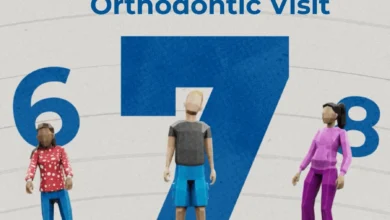
For children whose jaws are still developing, early orthodontic treatment, often referred to as Phase 1 or interceptive orthodontics, can be remarkably effective. The American Association of Orthodontists (AAO) recommends that children receive their first orthodontic evaluation by age 7. This early assessment is critical because it allows orthodontists to identify developing underbites and intervene while the facial bones are still pliable. Growth-guiding treatment can help address skeletal issues before they become more severe and fixed.
- Palatal Expanders in Combination with Reverse-Pull Headgear (Facemask): This is a cornerstone of early treatment for skeletal underbites involving an underdeveloped upper jaw. A palatal expander is a device cemented to the upper molars that gradually widens the upper jaw, creating more space and improving the bite. Simultaneously, reverse-pull headgear (also known as a facemask) is worn externally. It attaches to the palatal expander via elastics and applies gentle, forward-directed force to the upper jaw, encouraging its growth and bringing it into a more harmonious relationship with the lower jaw. This combined approach can effectively stimulate forward growth of the maxilla and restrict forward growth of the mandible, thereby correcting the skeletal discrepancy.
- Chin Caps: Less commonly used for underbites today, a chin cap is an external appliance that applies backward and upward pressure to the lower jaw, aiming to restrain its forward growth. It may be considered in very specific cases where excessive mandibular growth is the primary issue.
- Removable Appliances: For very mild dental underbites in children, or as part of a two-phase treatment, simple removable appliances might be used to achieve minor tooth movements.
Comprehensive Treatment for Adolescents and Adults
Once jaw growth is complete, the approach shifts, though excellent results are still achievable.
- Braces (Traditional, Ceramic, Lingual): Braces remain a highly reliable and versatile choice, particularly when the underbite is primarily related to tooth positioning or as a preparatory phase for jaw surgery. They consist of brackets bonded to the teeth and connected by an archwire. Through steady, controlled pressure, braces gradually shift teeth into better alignment. In many cases, braces are paired with orthodontic elastics (rubber bands) that patients wear between the upper and lower jaws to help guide jaw position and improve the bite relationship. Various types of braces are available, including traditional metal, ceramic (tooth-colored for aesthetics), and lingual braces (placed on the inside surface of the teeth for invisibility).
- Clear Aligners (e.g., Invisalign): Clear aligners have gained immense popularity for their aesthetic appeal and convenience. They can work well for mild to moderate dental underbites where the issue is largely confined to tooth movement rather than significant skeletal discrepancies. A series of custom-made, clear plastic trays are worn sequentially, each designed to move the teeth incrementally. For more complex cases, aligners can be used in conjunction with attachments (small, tooth-colored bumps on the teeth) and elastics to achieve more intricate tooth movements and some limited jaw guidance. Your orthodontist can assess whether aligners are a suitable fit for your specific case.
- Auxiliary Appliances: In conjunction with braces or aligners, other appliances may be used. Temporary Anchorage Devices (TADs) are small, temporary implants placed in the bone to provide additional anchorage, allowing for more precise and efficient tooth movement in specific directions, which can be particularly useful in managing underbites without surgery in some adult cases.
Jaw Surgery (Orthognathic Surgery): For Severe Skeletal Discrepancies
When an underbite involves a significant skeletal discrepancy – meaning the jaws themselves are substantially out of their ideal position, and growth modification is no longer an option (i.e., in adults) – orthodontic treatment alone may not be sufficient to achieve a stable, functional, and aesthetic outcome. In these cases, orthognathic surgery, commonly known as jaw surgery, may be recommended.
- Procedure Description: Jaw surgery is performed by an oral and maxillofacial surgeon, typically after the jaw has finished growing. The procedure involves surgically repositioning the upper jaw (maxilla), the lower jaw (mandible), or both, to correct the skeletal imbalance. For an underbite, this often means advancing the upper jaw, setting back the lower jaw, or a combination. The jaws are then secured in their new positions with small plates and screws.
- Combined Approach: Jaw surgery is almost always a part of a comprehensive treatment plan that includes orthodontics before and after the procedure. Pre-surgical orthodontics aligns the teeth within each jaw so they will fit together correctly after the jaws are surgically repositioned. Post-surgical orthodontics refines the bite and ensures long-term stability.
- Recovery and Outcomes: Recovery from jaw surgery typically involves a period of swelling and dietary restrictions. While it is a significant undertaking, orthognathic surgery can lead to dramatic improvements in chewing function, speech, breathing, and facial aesthetics, profoundly enhancing the patient’s quality of life.
Can an Underbite Be Fixed Without Surgery? A Detailed Analysis
The question of whether an underbite can be fixed without surgery is a common and critical one. For many individuals, the answer is a resounding yes. Mild underbites, particularly those primarily dental in nature, are often treated successfully without surgical intervention, especially when caught early in childhood or adolescence. Modern orthodontic techniques, including advanced brace mechanics, clear aligners with specialized attachments, and the strategic use of auxiliary appliances like TADs, have significantly expanded the scope of non-surgical correction even for some moderate adult cases.
Surgery is generally reserved for more severe skeletal cases in adults where the underlying jaw structure cannot be adequately corrected through tooth movement or growth modification alone. In these situations, attempting to correct a significant skeletal underbite with orthodontics alone might lead to unstable results, compromised function, or an unsatisfactory aesthetic outcome. The decision to pursue surgery is a complex one, involving careful consideration of the severity of the skeletal discrepancy, the patient’s age and overall health, treatment goals, and potential risks and benefits. The only reliable way to ascertain the most appropriate course of action for a specific situation is through a thorough and expert orthodontic evaluation, often involving collaboration with an oral and maxillofacial surgeon.
Underbite Treatment for Children vs. Adults: Distinctive Considerations
The age of the patient is a primary determinant in the array of available underbite treatment options and their potential efficacy.
Children:
Children tend to have a broader range of options because their jaws are still in a state of active growth and development. This ongoing growth is a significant advantage, allowing orthodontists to implement "growth modification" treatments. Appliances like palatal expanders and reverse-pull headgear can guide jaw development in ways that are not possible once the bones have matured and fused. An early evaluation, ideally by age 7 as recommended by the AAO, provides orthodontists with the best opportunity to intercept developing issues and intervene at the optimal time to influence growth positively. This proactive approach can often reduce the complexity, duration, and even the necessity of more invasive treatments, such as jaw surgery, later in life. Early treatment focuses on establishing a foundation for a healthy bite, sometimes in two phases (Phase I for growth modification, Phase II for final tooth alignment).
Adults:
Adults can absolutely receive underbite treatment and achieve excellent, life-changing results. While the primary difference is that jaw growth is complete, ruling out growth modification as an option, this does not preclude successful correction. More severe skeletal cases in adults may indeed necessitate a more involved treatment plan, often including orthognathic surgery in conjunction with orthodontics. However, for dental underbites or milder skeletal discrepancies, orthodontic treatment with braces or clear aligners can effectively reposition teeth and achieve a corrected bite. Adults often exhibit high compliance with treatment plans, contributing to successful outcomes. It is never too late to address an underbite; adults are successfully treated for underbites every single day, benefiting from improved oral health, function, and aesthetics.
Broader Implications and Long-Term Outlook of Underbite Correction
The implications of correcting an underbite extend far beyond individual aesthetics, encompassing significant public health, psychosocial, and economic dimensions. From a public health perspective, successful underbite correction reduces the incidence of chronic oral health problems such as excessive tooth wear, TMJ disorders, and increased susceptibility to periodontal disease. This translates to a healthier population with improved masticatory function and reduced dental pain.
Societally, addressing malocclusion, including underbites, contributes to improved quality of life. The psychological benefits of correcting a noticeable underbite, particularly in reducing self-consciousness and enhancing self-esteem, are profound. Individuals often report increased confidence in social and professional settings, leading to better overall well-being. This positive psychosocial impact underscores the holistic nature of orthodontic care.
Economically, while orthodontic treatment represents an initial investment, it can lead to long-term savings by preventing more severe and costly dental complications down the line. Avoiding complex restorative procedures for excessively worn teeth or extensive treatments for chronic TMJ pain can offset the cost of orthodontic intervention. Furthermore, the efficiency gains in speech and chewing function can have subtle but positive impacts on an individual’s daily productivity and overall health.
Technological advancements continue to revolutionize underbite treatment. Digital imaging, 3D printing for aligners and custom appliances, and sophisticated treatment planning software allow for greater precision, efficiency, and customized solutions. These innovations are making treatment more accessible, comfortable, and predictable than ever before.
The role of specialized orthodontic professionals, such as those certified by the American Association of Orthodontists (AAO), is paramount. Their extensive training, continuing education, and adherence to professional standards ensure that patients receive the highest quality of care based on the latest scientific evidence and clinical best practices. These specialists are equipped to diagnose complex cases, formulate comprehensive treatment plans, and execute them with expertise, ensuring optimal functional and aesthetic outcomes.
Visit an AAO Orthodontist to Address Underbite Concerns
Underbites are a common and well-understood form of malocclusion that, while varying in severity and cause, are highly treatable. However, the most appropriate and effective treatment approach is inherently unique to each individual. This personalized requirement underscores the critical importance of an evaluation from a qualified and experienced orthodontist.
If you harbor concerns about an underbite, whether it pertains to your own dental health or that of your child, it is strongly advised not to delay seeking professional guidance. Procrastination can often lead to more complex and protracted treatment needs in the future. Take the proactive step today: Find an AAO orthodontist near you and schedule your consultation without delay. An AAO orthodontic practice is staffed by professionals who have undergone rigorous specialized training. They are uniquely positioned to thoroughly evaluate the specific nature of your bite, meticulously walk you through all viable treatment options, and recommend the most sensible and effective next step tailored precisely to your unique situation, ensuring the best possible outcome for your oral health and overall well-being.
Related posts: