Teeth spacing, medically known as diastema, represents a prevalent orthodontic concern characterized by visible gaps between two or more teeth. While often perceived as a purely cosmetic issue, these gaps can have significant implications for an individual’s oral health, bite function, and long-term dental alignment. Understanding the various etiologies of diastema and recognizing when professional intervention is warranted empowers individuals to make informed decisions regarding their smile and overall well-being. This article delves into the nature of teeth spacing, its underlying causes, potential consequences, diagnostic procedures, and the diverse array of modern treatment options available.
What Is Teeth Spacing (Diastema)?
Diastema refers to any visible space or gap between teeth, ranging from a subtle separation to more pronounced voids. While the most commonly recognized form is a midline diastema, or a gap between the two upper front teeth, spaces can occur anywhere in the dental arch. These gaps can manifest in children, adolescents, and adults alike, presenting unique challenges and considerations at each developmental stage. For some, a diastema may be an inherited trait with no adverse effects beyond aesthetics, famously sported by public figures. However, for many others, it can signal underlying dental or skeletal imbalances that necessitate professional evaluation and treatment to prevent further complications. Orthodontists play a crucial role in distinguishing between benign spacing and issues that could impact bite integrity or oral health.
The Multifaceted Causes of Gaps Between Teeth
The development of teeth spacing is rarely attributable to a single factor, often arising from a complex interplay of genetic, developmental, and acquired influences. A thorough understanding of these causes is paramount for effective diagnosis and treatment planning.
- Genetics and Jaw-to-Tooth Size Discrepancy: One of the most common reasons for generalized spacing is a mismatch between the size of the jawbone and the size of the teeth. If the jaw is too large for the size of the teeth, or if the teeth are naturally small (microdontia), gaps will naturally form. This genetic predisposition often runs in families.
- Missing Teeth (Hypodontia): Congenitally missing teeth, a condition known as hypodontia, can lead to significant spacing. When a permanent tooth fails to develop, the adjacent teeth may drift into the empty space, or the space may remain, creating gaps elsewhere in the arch.
- Large Labial Frenum: The labial frenum is a band of tissue that connects the upper lip to the gum tissue between the two front teeth. If this frenum is unusually thick or extends too far down between the teeth, it can physically prevent the front teeth from coming together, resulting in a persistent midline diastema.
- Oral Habits: Certain childhood habits can exert forces that push teeth apart over time. These include:
- Thumb Sucking/Pacifier Use: Prolonged and vigorous thumb sucking or pacifier use, especially beyond early childhood, can push the front teeth forward and create spaces.
- Tongue Thrusting: This habit involves the tongue pressing against the front teeth during swallowing instead of resting against the roof of the mouth. The repetitive pressure can gradually push the teeth apart, creating gaps.
- Periodontal Disease (Gum Disease): Advanced gum disease, or periodontitis, is a significant cause of new or worsening spacing in adults. Inflammation and infection can lead to bone loss around the teeth, weakening their support. As bone recedes, teeth can become mobile and drift, creating gaps. This is often accompanied by other signs like bleeding gums, bad breath, and tooth sensitivity.
- Tooth Size Discrepancies: Even if all teeth are present, variations in individual tooth size can lead to spacing. For instance, lateral incisors (the teeth next to the two front teeth) can sometimes be unusually small or "peg-shaped," creating gaps on either side of them.
- Trauma or Injury: An impact to the mouth can sometimes cause teeth to shift or become displaced, leading to new gaps or widening existing ones.
- Tooth Extraction: The removal of a tooth without subsequent replacement can lead to adjacent teeth tilting or drifting into the empty space, creating an imbalance and potential gaps elsewhere.
Beyond Aesthetics: The Potential Health and Functional Ramifications
While the cosmetic aspect of teeth spacing is often the primary concern, larger or progressive gaps can lead to a range of functional and oral health problems that extend beyond a person’s appearance. Ignoring these issues can result in more complex and costly treatments in the future.
- Food Impaction and Oral Hygiene Challenges: Gaps between teeth create ideal pockets for food particles to become trapped. This impaction can be uncomfortable and significantly increases the risk of plaque accumulation, leading to cavities (dental caries) and localized gum inflammation (gingivitis). Over time, persistent gingivitis can progress to periodontitis.
- Speech Impediments: Depending on the location and size of the gaps, individuals may develop speech issues, such as a lisp, as air escapes through the spaces when certain sounds are produced. This can affect communication clarity and self-confidence.
- Bite Problems (Malocclusion): Spacing can disrupt the harmonious alignment of the upper and lower jaws, leading to various forms of malocclusion. An improper bite can result in uneven wear on certain teeth, excessive stress on the jaw joints (temporomandibular joints or TMJs), and even chronic jaw pain or headaches.
- Increased Risk of Trauma to Gums: When food consistently gets wedged into large gaps, it can traumatize the gum tissue, leading to localized inflammation, recession, or even notching of the bone between teeth over time.
- Psychological and Social Impact: Visible gaps, particularly in the front of the mouth, can significantly impact an individual’s self-esteem and confidence. This can lead to self-consciousness when smiling, speaking, or interacting socially, affecting quality of life. Research indicates a strong correlation between dental aesthetics and psychosocial well-being, with perceived imperfections often leading to anxiety and reduced social engagement.
- Periodontal Health Deterioration: As mentioned, if spacing is caused by or exacerbated by gum disease, the progression of the disease can lead to further tooth mobility and even tooth loss if left untreated.
An orthodontic evaluation is essential to ascertain whether the existing spacing is purely cosmetic or indicative of underlying issues that warrant intervention.
The Orthodontic Diagnostic Process: A Comprehensive Evaluation
When an individual presents with concerns about teeth spacing, an orthodontist undertakes a meticulous and comprehensive evaluation to pinpoint the exact cause and determine the most appropriate course of action. This diagnostic process is foundational to creating an effective and personalized treatment plan.
During the initial consultation, the orthodontist will perform a thorough clinical examination. This involves:
- Visual Inspection: A detailed visual assessment of the teeth, gums, and surrounding oral structures, noting the size, location, and pattern of gaps.
- Bite Analysis: Evaluating how the upper and lower teeth meet when biting down, assessing for any signs of malocclusion or uneven wear.
- Jaw Assessment: Examining the relationship between the upper and lower jaws, checking for skeletal discrepancies that might contribute to spacing.
- Oral Habits Review: Inquiring about any past or present oral habits, such as thumb sucking, tongue thrusting, or teeth grinding (bruxism).
- Frenum Evaluation: Assessing the labial frenum for hypertrophy (overgrowth) or abnormal attachment that could be preventing teeth closure.
- Periodontal Health Check: A general assessment of gum health, looking for signs of inflammation, recession, or bone loss.
To gain a deeper understanding of the underlying issues, the orthodontist utilizes advanced diagnostic tools:
- Digital Radiographs (X-rays): Panoramic and cephalometric X-rays provide crucial insights into bone structure, the presence of unerupted or missing teeth, and the health of the tooth roots and supporting bone. They can reveal issues like hypodontia or impacted teeth contributing to spacing.
- Intraoral and Extraoral Photographs: A series of photographs document the initial state of the teeth, bite, and facial profile. These serve as a baseline for monitoring progress throughout treatment.
- Digital Scans or Impressions: Advanced intraoral scanners create precise 3D digital models of the teeth and jaws. These models allow for detailed analysis of tooth relationships, arch form, and spacing measurements, and are invaluable for planning orthodontic movements. Traditional plaster impressions may also be used.
Identifying the root cause of the spacing is paramount. For instance, treating a diastema caused by a large frenum might involve a frenectomy (surgical removal of the frenum) in conjunction with orthodontic tooth movement, whereas spacing due to missing teeth might require a combination of orthodontics and restorative dentistry (e.g., implants or bridges). This holistic approach ensures that not only are the gaps closed, but the underlying factors contributing to them are also addressed, promoting long-term stability and oral health.
Tailored Treatment Approaches: Closing the Gaps Effectively
The approach to treating teeth spacing is highly individualized, contingent upon the underlying cause, the extent and location of the gaps, the patient’s age, and the presence of any concurrent alignment issues. Modern orthodontics offers a spectrum of effective solutions.
Orthodontic Appliances: Braces and Clear Aligners
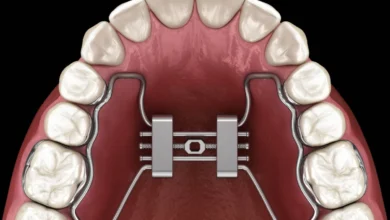
- Traditional Braces for Closing Gaps Between Teeth: Braces remain a highly effective and versatile treatment option for addressing teeth spacing. Comprising brackets bonded to the teeth and connected by archwires, braces exert continuous, gentle pressure to gradually move teeth into their desired positions, thereby closing gaps over time. They are particularly recommended for cases where spacing coexists with other complex issues such as significant crowding, severe bite discrepancies (malocclusion), or skeletal imbalances. Braces are suitable for patients across all age groups, from children and teens to adults, offering predictable results for even the most challenging cases. Advances in brace technology include smaller, less noticeable brackets and self-ligating systems that can reduce treatment time and discomfort.
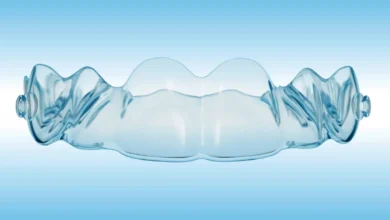
- Clear Aligners for Teeth Spacing: For individuals seeking a more discreet treatment option, clear aligners have emerged as a popular and effective solution for mild to moderate spacing. Custom-made, removable plastic trays are worn sequentially, each designed to move the teeth incrementally. Over time, these aligners guide teeth into proper alignment, effectively closing gaps and creating a more harmonious smile. The primary advantages of clear aligners include their near invisibility, removability for eating and oral hygiene, and often, a reduced number of in-office visits compared to traditional braces. Patient compliance in wearing the aligners for the prescribed 20-22 hours per day is critical for successful outcomes.
The Role of Retainers: Ensuring Long-Term Stability
Regardless of the orthodontic method chosen, the retention phase is a non-negotiable component of treatment. Retainers are custom-made appliances, either removable or fixed, designed to hold the teeth in their newly corrected positions after active treatment concludes. This is particularly crucial for spacing cases, as teeth have a natural tendency to drift back towards their original positions, especially if the underlying cause (like a large frenum or genetic predisposition) remains. Wearing retainers as directed is essential for preventing relapse and ensuring the longevity of the treatment results, preserving the aligned, gap-free smile for years to come.
Adjunctive Dental Interventions: Other Treatments for Gaps Between Teeth
In certain scenarios, orthodontic care may be integrated with other dental treatments to achieve optimal aesthetic and functional outcomes. This multidisciplinary approach addresses all aspects of the patient’s oral health.
- Dental Bonding: For very small gaps or to correct minor tooth shape irregularities that contribute to spacing, dental bonding offers a quick and minimally invasive solution. A tooth-colored composite resin material is applied to the tooth surface, sculpted to fill the gap, and then hardened with a special light. It’s an excellent option for cosmetic enhancements after orthodontic treatment or for minor gaps that don’t require full orthodontic intervention.
- Porcelain Veneers: Veneers are thin, custom-made shells of porcelain that are bonded to the front surface of teeth. They can effectively close small to moderate gaps, improve tooth shape, size, and color, and create a uniform, aesthetically pleasing smile. Veneers are a more durable and stain-resistant option than bonding but typically require a small amount of tooth enamel reduction.
- Crowns: In cases where a tooth is significantly damaged, misshapen, or too small to adequately fill a space, a dental crown (cap) can be placed over the entire tooth to restore its form, function, and aesthetics. Crowns are often used in conjunction with orthodontics to achieve ideal spacing and bite.
- Frenectomy: If a thick or low-attaching labial frenum is identified as the cause of a midline diastema, a minor surgical procedure called a frenectomy may be performed. This removes or repositions the frenum, allowing the front teeth to come closer together. It is often performed before or during orthodontic treatment to facilitate gap closure and prevent relapse.
- Dental Implants or Bridges: When spacing is due to congenitally missing teeth or teeth lost due to trauma or disease, dental implants or bridges may be necessary to fill the gaps and restore the complete dental arch. Orthodontics can be used to create the ideal space for these prosthetic replacements, ensuring a natural-looking and functional result.
Orthodontics frequently serves as a foundational component within a broader treatment plan aimed at enhancing both dental function and aesthetic appeal.
Can Braces or Aligners Fix Gaps in Teeth?
Unequivocally, yes. In the vast majority of cases, both braces and clear aligners are highly successful in closing gaps between teeth and achieving a more aligned smile. The choice between these two primary orthodontic methods hinges on several factors, including the complexity of the spacing, the patient’s lifestyle preferences, and the presence of any co-existing orthodontic issues.
For minor gaps, particularly those not associated with severe bite problems, both options can be very effective. However, larger gaps, gaps resulting from congenitally missing teeth, or those intricately linked to significant bite discrepancies or jaw development issues may necessitate a more comprehensive and customized approach, often favoring the precise control offered by traditional braces, or a combination of orthodontic and restorative treatments. A qualified orthodontist will conduct a thorough evaluation to recommend the most efficacious solution tailored to the individual’s specific needs and desired outcomes.
Teeth Spacing in Children vs. Adults: Developmental Considerations
The presentation and implications of teeth spacing can differ significantly across various age groups, reflecting distinct developmental stages and underlying etiologies.
- Children: In young children, some degree of spacing between primary (baby) teeth is often considered normal and even desirable, as it provides adequate room for the larger permanent teeth to erupt. A common phenomenon known as the "ugly duckling stage" occurs around ages 7-11, where temporary gaps and rotations appear as permanent incisors erupt, often accompanied by a temporary midline diastema. This spacing typically self-corrects as the canines (eye teeth) erupt and guide the front teeth together. However, persistent or unusually large gaps, especially in the absence of erupting permanent teeth, or gaps associated with habits like thumb sucking or a prominent frenum, should be monitored. Early orthodontic guidance, often around age 7, can help determine if intervention is needed or if observation is sufficient.
- Adolescents: As children transition into their teenage years, all permanent teeth (excluding wisdom teeth) typically erupt. Gaps that persist or become more pronounced during adolescence may indicate underlying alignment or bite concerns that are unlikely to self-correct. Issues such as generalized spacing due to jaw-tooth size discrepancy, a persistent large frenum, or missing permanent teeth become more evident. At this stage, orthodontic treatment with braces or aligners is highly effective, as the jaws are still developing, allowing for efficient tooth movement. Addressing spacing during the teenage years can significantly improve aesthetics, function, and psychosocial well-being.
- Adults: In adults, teeth spacing can be a lifelong condition or a new development. While treatable at any age, new or widening gaps in adults warrant a thorough evaluation to rule out underlying issues. A common cause for new spacing in adults is the progression of periodontal disease, which can lead to bone loss and tooth migration. Changes in bite, habits like tongue thrusting, or even the loss of a tooth can also contribute to adult-onset spacing. Adult orthodontic treatment often requires careful consideration of existing dental work, potential restorative needs, and overall oral health. The benefits, however, are substantial, including improved aesthetics, enhanced oral hygiene, better bite function, and increased self-confidence.
When Should You See an Orthodontist for Teeth Spacing?
Proactive evaluation by an orthodontic specialist is advisable in several scenarios concerning teeth spacing. It is a prudent step to schedule an orthodontic consultation if you or your child exhibit any of the following signs:
- Visible and Persistent Gaps: If you notice noticeable gaps between teeth that do not appear to be self-correcting, especially after the eruption of permanent teeth.
- Frequent Food Impaction: If food frequently gets trapped in the gaps, leading to discomfort, bad breath, or increased difficulty with oral hygiene.
- Discomfort When Biting: Any sensation of uneven pressure, pain, or difficulty when biting or chewing could indicate a bite problem related to spacing.
- Changes in Speech: The development of a lisp or other speech impediments that seem related to the gaps.
- Increasing Gap Size: Gaps that appear to be widening over time are a strong indicator that professional intervention may be necessary.
- Psychological Impact: If the visible spacing is causing self-consciousness, embarrassment, or affecting your or your child’s confidence and social interactions.
For children, early orthodontic guidance, typically recommended around age 7 by leading orthodontic organizations such as the American Association of Orthodontists (AAO), is invaluable. While some childhood spacing is normal, an orthodontist can identify potential future problems early, monitor dental development, and intervene if necessary, potentially simplifying or shortening future treatment. This early assessment can differentiate between benign developmental gaps and those that require immediate attention or phased treatment.
Expert Consensus and Professional Recommendations
Leading orthodontic bodies worldwide consistently emphasize the importance of specialized care for diagnosing and treating malocclusions, including teeth spacing. The American Association of Orthodontists (AAO), representing 19,000 orthodontist members in the United States, Canada, and abroad, advocates for the highest standards of patient care. Their recommendations underscore that only a qualified orthodontist possesses the extensive training and expertise required to accurately diagnose the complex interplay of factors contributing to spacing, develop a personalized treatment plan, and execute it safely and effectively. They stress that orthodontic treatment is an investment in long-term oral health and overall well-being, not merely a cosmetic endeavor. Early and precise diagnosis, followed by a tailored treatment strategy, is consistently highlighted as the most effective pathway to achieving and maintaining a healthy, functional, and aesthetically pleasing smile.
Schedule an Orthodontic Evaluation for Teeth Spacing
Teeth spacing is a common orthodontic challenge that is, in most instances, highly treatable with the appropriate professional intervention. A personalized orthodontic plan offers the dual benefit of addressing both cosmetic concerns and underlying functional or health-related issues. The journey toward a healthier, more confident smile begins with a comprehensive evaluation.
If you harbor concerns about gaps in your own dentition or your child’s developing smile, seeking the expertise of an orthodontist is the crucial next step. An orthodontic practice affiliated with the American Association of Orthodontists provides access to highly trained specialists who are equipped to accurately identify the root cause of spacing, meticulously explain all available treatment options, and guide you or your loved one toward the optimal path forward. Taking this proactive step can prevent future complications and unlock the myriad benefits of a beautifully aligned and functionally sound smile. To commence this journey, individuals are encouraged to utilize resources such as the AAO’s online locator to find a certified orthodontist near them and schedule a consultation today.
Related posts: