Navigating Life After Braces: A Comprehensive Guide to Post-Orthodontic Care, Retainers, and Maintaining Your New Smile


The day a patient finally has their orthodontic braces removed marks a monumental milestone. After months—and frequently years—of regular tightening appointments, dietary restrictions, and meticulous cleaning routines, the reward is a transformed, straightened smile. However, dental professionals and clinical researchers emphasize that the removal of brackets and wires does not signify the absolute end of the orthodontic journey. Instead, it transitions the patient from active treatment into a critical phase of long-term retention and stabilization. Understanding what occurs during the removal appointment, managing temporary physical sensitivities, adhering strictly to retainer protocols, and recognizing when to consult an orthodontist are all vital components of preserving a newly aligned smile for a lifetime.
The Clinical Procedure of Braces Removal
The process of de-debonding, or removing braces, is a standard clinical procedure executed with specialized orthodontic instrumentation. When an orthodontist determines that treatment goals regarding bite alignment and tooth positioning have been met, they initiate the removal phase. Using specialized pliers or debonding instruments, the clinician applies gentle, controlled pressure to the base of each bracket, causing the adhesive bond to fracture cleanly away from the enamel surface. Patients frequently report hearing a succession of sharp clicks or feeling brief sensations of pressure as the brackets, stainless steel archwires, and elastic or metal bands are detached.
Following the removal of the hardware, the teeth invariably retain residual orthodontic bonding resin. Orthodontists use specialized dental burs, polishers, and scaling instruments to meticulously scour away this leftover adhesive. The objective is to restore the natural, smooth texture of the dental enamel without compromising its structural integrity.
Once the teeth are entirely bare and polished, the clinical team typically conducts a comprehensive final evaluation. This phase often includes diagnostic imaging, such as panoramic X-rays, cephalometric radiographs, digital intraoral scans, or physical dental impressions. These records serve a dual purpose: they document the successful conclusion of active treatment and provide a baseline reference for future monitoring. Finally, the orthodontist fits the patient with a custom retention device, outlining precise instructions on wear-schedule compliance to prevent orthodontic relapse.
Physical Sensations: Pain, Pressure, and Adaptation
A common anxiety among individuals approaching the end of their orthodontic treatment is whether the removal process will cause pain. Clinical consensus indicates that the procedure itself is rarely painful. The sensation is predominantly characterized by mild pressure, sudden pulling, or localized vibration as brackets detach and adhesive is polished away. These sensations are transient, typically lasting only a fraction of a second per tooth.
However, the immediate aftermath of removal brings a period of physical adaptation. Patients frequently note that their teeth and surrounding gingival tissues feel unusually sensitive or tender. This tenderness stems from the mild trauma of the debonding process combined with the cumulative effects of pressure applied during the final stages of tooth movement. Furthermore, the tactile experience of the mouth changes dramatically. Without the physical barrier of brackets, wires, and bands, the tongue and lips encounter entirely smooth enamel surfaces for the first time in years. This sudden lack of hardware can make the teeth feel deceptively loose or slippery, prompting temporary awkwardness during speech and mastication.
Clinical data suggests that minor thermal sensitivity—discomfort when consuming hot, cold, or sugary foods—is common during the first 48 to 72 hours post-removal. Orthodontists frequently recommend over-the-counter analgesics or specialized potassium nitrate toothpastes designed for sensitive dentin to mitigate this short-term discomfort.
Dietary Transitions and Oral Hygiene Evolution
With the removal of braces, the restrictive dietary protocols that barred patients from consuming hard, crunchy, or sticky foods—such as whole apples, raw carrots, popcorn, caramel, and chewing gum—are officially lifted. While patients are generally eager to reintroduce these foods into their diets, dental health experts advise a cautious, measured approach. Because dental ligaments and supporting alveolar bone are temporarily sensitive, immediately consuming exceptionally hard or chewy items can exacerbate soreness. Dentists recommend easing back into unrestricted eating over the course of a week. Additionally, if the patient has been prescribed a removable retainer, standard clinical protocol dictates that the appliance must be removed prior to consuming any food or beverage other than plain water.
Simultaneously, the oral hygiene regimen undergoes a significant evolution. While maintaining clean teeth with braces required specialized tools like interdental brushes, floss threaders, and water irrigators, the removal of hardware simplifies daily hygiene. Standard brushing and flossing become vastly more efficient, reducing the risk of plaque accumulation along the gumline. However, oral health professionals warn that complacency can lead to post-orthodontic decalcification or localized gingivitis if brushing habits wane.
The Biological Imperative of Retainers
The single most critical factor in determining the long-term success of orthodontic treatment is retainer compliance. Biological reality dictates that teeth possess a natural "memory" and a lifelong tendency to migrate back toward their original, misaligned positions—a phenomenon known in the dental community as orthodontic relapse.
When braces actively move teeth, the surrounding periodontal ligament fibers and alveolar bone must remodel to accommodate the new dental architecture. Immediately following removal, this supporting bone matrix remains relatively malleable. Without a stabilizing retainer to hold the teeth firmly in their corrected positions, rapid shifting can occur within days or weeks.
Orthodontists generally prescribe one of three primary categories of retainers, depending on the specific clinical case:
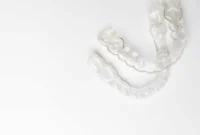
- Removable Clear Plastic Retainers (Essix/Vivera): Vacuum-formed over a digital model of the newly aligned teeth, these transparent trays are virtually invisible, making them aesthetically popular among adolescents and adults.
- Traditional Hawley Retainers: Composed of a durable acrylic baseplate that contours to the roof of the mouth or the lingual side of the lower teeth, combined with a stainless steel labial bow that wraps around the front of the teeth. These allow the biting surfaces to settle naturally together.
- Fixed (Lingual) Retainers: A customized, braided stainless steel wire permanently bonded to the backside (lingual surface) of the front teeth—most commonly the lower incisors. This provides continuous, 24/7 retention without requiring patient compliance, though it requires specialized flossing techniques.
Long-Term Retention Schedules and Natural Shifting
The timeline for wearing a retainer is rarely indefinite in terms of full-time wear, but retention itself is essentially a lifelong commitment. In the immediate post-removal phase—typically spanning the first three to six months—orthodontists generally instruct patients to wear removable retainers for 20 to 22 hours per day, removing them only for meals, oral hygiene routines, and contact sports.
As the periodontal ligaments and alveolar bone fully stabilize around the roots of the teeth, orthodontists gradually transition patients to nighttime-only wear. Clinical guidelines often suggest that lifelong nighttime retention (e.g., sleeping with the retainer in place several nights a week) is necessary to counteract the natural, age-related shifting of the dentition. As humans age, the jaw naturally undergoes subtle forward and downward growth, and the forces of mastication gradually wear down tooth cusps, causing the lower front teeth to crowd naturally. Consistent, long-term retainer use remains the only reliable defense against this age-related orthodontic relapse.
Proactive Monitoring and When to Consult an Orthodontist
Even with diligent adherence to retainer wear schedules, patients must remain vigilant about the health and structural integrity of their dental alignment. Regular dental checkups every six months remain essential for monitoring overall oral health. Furthermore, many modern orthodontic practices schedule structured follow-up appointments at three months, six months, and one year post-removal to evaluate the stability of the bite and inspect the condition of the retainers.
Patients are strongly advised to contact their orthodontist immediately if they encounter specific warning signs:
- Retainer Alterations: If a removable retainer cracks, warps from exposure to heat, or becomes lost, attempting to fabricate a makeshift fix or going without it can result in rapid tooth movement.
- Fit Discrepancies: If a retainer suddenly feels excessively tight, painful, or refuses to seat fully over the teeth, it indicates that dental shifting has already begun. Forcibly snapping a distorted retainer into place can damage the roots of the teeth.
- Structural Failure of Fixed Retainers: If the bonding adhesive on a permanent lingual retainer debonds from even a single tooth, the unbonded section can allow rapid rotation or displacement of that specific tooth while the others remain anchored.
- Unexplained Pain or Mobility: While minor tenderness immediately following removal is normal, persistent localized pain, deep gum inflammation, or excessive tooth mobility warrants professional evaluation.
Ultimately, transitioning out of braces marks the beginning of a new chapter in personal dental health. While the removal of brackets represents the conclusion of active mechanical adjustments, preserving a straight, healthy smile requires ongoing partnership with an orthodontic professional, unwavering dedication to a prescribed retainer schedule, and consistent daily hygiene. By understanding the biological realities of post-orthodontic care, patients can ensure that their financial and physical investment in a beautiful smile yields lifelong dividends.