Navigating the Complex Risks of Medication-Related Osteonecrosis of the Jaw: Prevention, Diagnosis, and Clinical Management

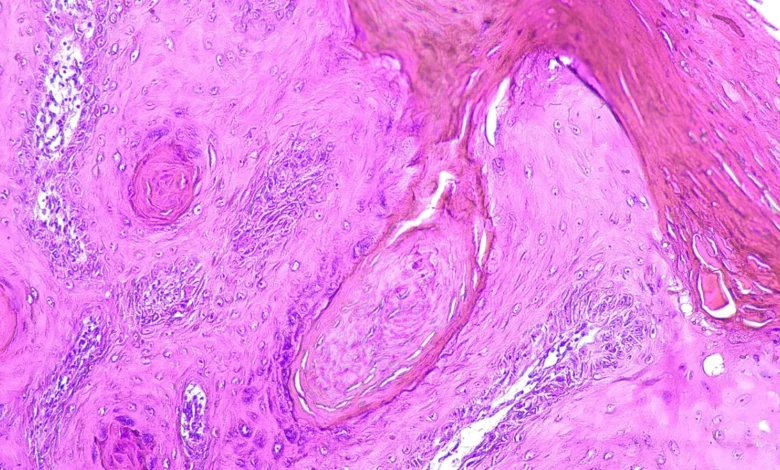
Medication-related osteonecrosis of the jaw (MRONJ) remains one of the most challenging and devastating complications encountered in modern dental and medical practice. Characterized by the progressive destruction and death of bone tissue in the mandible or maxilla, this condition frequently arises in patients undergoing treatments involving antiresorptive or antiangiogenic medications. Because the resulting oral complications can lead to severe disfigurement, chronic pain, and a significant decline in quality of life, dental and medical specialists emphasize that risk assessment, proactive prevention, and early diagnosis are absolutely essential.
Understanding the Clinical Threat of MRONJ
The physiological integrity of the jawbone depends on a delicate balance between bone formation and bone resorption, a process continuously regulated by specialized cells. Medications such as bisphosphonates and denosumab are widely prescribed to inhibit osteoclast activity, effectively slowing bone turnover. These therapies are invaluable in managing conditions like osteoporosis, multiple myeloma, and bone metastases originating from solid tumors. However, this same mechanism of action inhibits the normal remodeling and healing processes of the jawbone. When the bone is subjected to trauma, infection, or routine surgical interventions, it fails to repair itself adequately, ultimately leading to necrosis.
Antiangiogenic agents, which are often used in targeted cancer therapies to restrict the blood supply to tumors, further compound this vulnerability. By inhibiting angiogenesis—the formation of new blood vessels—these drugs restrict the necessary microvascular supply required for bone healing and cellular maintenance in the oral cavity. The intersection of suppressed bone turnover and impaired vascular supply creates an environment where localized tissue death can rapidly escalate.
The Primacy of Tooth Extraction as a Risk Factor
Clinical data consistently demonstrate that dental procedures play a pivotal role in the onset of MRONJ, with tooth extraction standing out as the single most significant risk factor. When a tooth is removed, it leaves a surgical wound that exposes the underlying alveolar bone to the oral microbiome, which is rich in bacteria. In a healthy individual, this socket fills with a blood clot, transforms into granulation tissue, and eventually undergoes complete osseous healing.
For patients receiving high-potency antiresorptive or antiangiogenic therapies, however, this healing cascade is profoundly disrupted. The epithelial tissues fail to cover the exposed socket, and the denuded bone remains vulnerable to bacterial contamination and osteomyelitis. Consequently, oral health professionals strongly advocate for comprehensive dental evaluations and necessary extractions or periodontal treatments before patients initiate high-risk medication therapy. Addressing potential sources of infection or future extractions proactively can drastically reduce the subsequent incidence of MRONJ.
Route of Administration and Dosage Dynamics
Epidemiological studies and clinical observations reveal that the risk of developing MRONJ is not distributed evenly across all patient demographics; rather, it is heavily influenced by the route of administration, cumulative dosage, and duration of therapy. Patients receiving intravenous (IV) antiresorptive medications—frequently administered at high doses for oncologic indications—exhibit a substantially higher prevalence and severity of MRONJ compared to individuals taking oral formulations for benign conditions such as osteoporosis.
For instance, oncology patients receiving monthly intravenous zoledronic acid or denosumab face an estimated MRONJ incidence ranging from 1% to 10% following invasive dental procedures. Conversely, patients taking oral bisphosphonates like alendronate for osteoporosis typically experience a much lower incidence, estimated between 0.01% and 0.1%. Nevertheless, as the duration of oral therapy extends beyond four years, the cumulative risk begins to approach levels comparable to short-term intravenous regimens, necessitating careful longitudinal monitoring by both prescribing physicians and dental practitioners.
Clinical Staging and Diagnostic Criteria
To guide effective treatment and establish a standardized approach to patient care, the American Association of Oral and Maxillofacial Surgeons (AAOMS) has classified MRONJ into distinct clinical stages based on symptom severity and objective findings:
- At-Risk Category: Patients treated with oral or intravenous antiresorptive or antiangiogenic agents who exhibit no apparent clinical evidence of necrotic bone.
- Stage 0: Patients presenting with no clinical evidence of necrotic bone, but exhibiting nonspecific symptoms, clinical findings, or radiographic abnormalities, such as regional bone loss not attributable to other odontogenic causes.
- Stage 1: Patients with exposed and necrotic bone or a fistula that probes to bone, who are entirely asymptomatic and show no clinical signs of infection or inflammation.
- Stage 2: Patients with exposed and necrotic bone or a fistula that probes to bone, accompanied by clinical signs of infection or inflammation, such as purulent discharge, localized erythema, and pain.
- Stage 3: Patients presenting with exposed and necrotic bone or a fistula that probes to bone, complicated by at least one of the following: pathologic fracture, extra-oral fistula, oral-antral/oral-nasal communication, or osteolysis extending to the inferior border of the mandible or sinus floor.
Distinguishing between Stage 1 and Stage 2 is particularly crucial for clinical management. While Stage 1 is marked primarily by the physical presence of necrotic bone or a probing fistula without active systemic or local signs of infection, the transition to Stage 2 is officially defined by the emergence of infection or inflammation. This distinction dictates whether conservative antimicrobial rinsing and analgesics are sufficient, or if surgical debridement and targeted antibiotic therapy are required.
Interdisciplinary Perspectives and Professional Reactions
The medical and dental communities increasingly recognize that managing MRONJ successfully requires an integrated, multidisciplinary approach. Oncologists, endocrinologists, rheumatologists, and general dentists or oral surgeons must establish open channels of communication before any antiresorptive or antiangiogenic regimen begins.
Dental associations worldwide have released clinical guidelines urging physicians to refer patients for a comprehensive dental examination prior to starting these therapies. Professional reactions from dental clinicians highlight a persistent challenge: many patients are placed on high-risk medications without realizing the potential dental implications, presenting to dental clinics only after severe pain or bone exposure has occurred. Conversely, medical specialists emphasize that withholding life-prolonging or fracture-preventing medications out of an abundance of dental caution can be detrimental, underscoring the necessity of collaborative risk-benefit assessments.
Broader Implications and Future Horizons
The economic and psychological burden of MRONJ is substantial. Treatment protocols for advanced stages often require prolonged courses of antibiotics, rigorous local wound care, multiple surgical interventions, and, in severe cases, segmental resection of the jaw followed by reconstructive surgery. These interventions profoundly affect a patient’s ability to chew, speak, and maintain social interactions, compounding the physical distress of underlying conditions like cancer or advanced osteoporosis.
Looking forward, researchers are investigating novel biomarkers that could predict an individual patient’s susceptibility to MRONJ prior to treatment initiation. Additionally, regenerative medicine approaches—such as the application of platelet-rich plasma (PRP), platelet-rich fibrin (PRF), and recombinant human bone morphogenetic proteins—are being evaluated for their potential to stimulate vascularization and bone healing in compromised surgical sites.
Ultimately, mitigating the threat of medication-related osteonecrosis of the jaw hinges upon early recognition, stringent pre-treatment dental clearance, and heightened awareness across all healthcare disciplines. By bridging the traditional gap between medical and dental care, healthcare providers can safeguard oral health without compromising systemic therapeutic goals.
Related posts: