How one orthodontist overcame his skepticism to successfully treat severe deep bites and other complex malocclusions using SureSmile Aligners.

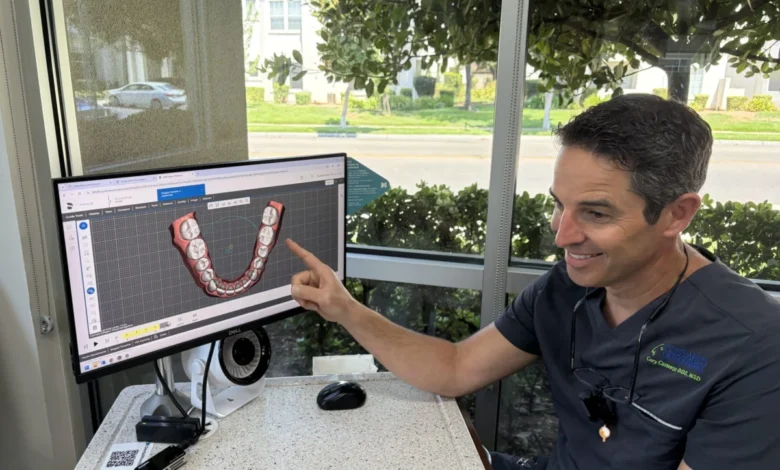
By Cory Costanzo, DDS, MSD
The evolution of orthodontic technology has shifted the clinical landscape from mechanical, wire-based interventions toward sophisticated, software-driven digital ecosystems. For many practitioners, this transition has been marked by a period of skepticism regarding the predictability of clear aligners when addressing complex malocclusions. Dr. Cory Costanzo, a Fresno, California-based orthodontist with over two decades of clinical experience, recently detailed his own transition from a traditional, bracket-focused practice to a digitally integrated model utilizing the SureSmile platform. His experience highlights the intersection of clinical biomechanics and digital planning, offering a roadmap for practitioners navigating the limitations of conventional aligner protocols.
The Evolution of a Clinical Philosophy
Dr. Costanzo’s career began during his undergraduate years, where he developed an interest in the physiological mechanisms of tooth movement. Upon establishing his practice in Fresno, his patient demographic was heavily skewed toward pediatric cases, with approximately 80% of his patient load requiring traditional fixed appliances. When he first began incorporating clear aligner therapy into his practice in 2006, the scope was limited to minor aesthetic adjustments.
The early adoption period was fraught with complications. Practitioners of that era often faced significant challenges with tracking, particularly in cases involving severe crowding or vertical discrepancies. The reliance on vendor-driven educational programs—which often prioritized marketing and practice growth metrics over clinical biomechanics—created a divide between industry offerings and the needs of the orthodontist. For Dr. Costanzo, this resulted in a selective approach where patients presenting with moderate to severe deep bites, open bites, or complex crossbites were invariably routed toward traditional braces to ensure predictability.
The Digital Shift: Integrating the Platform
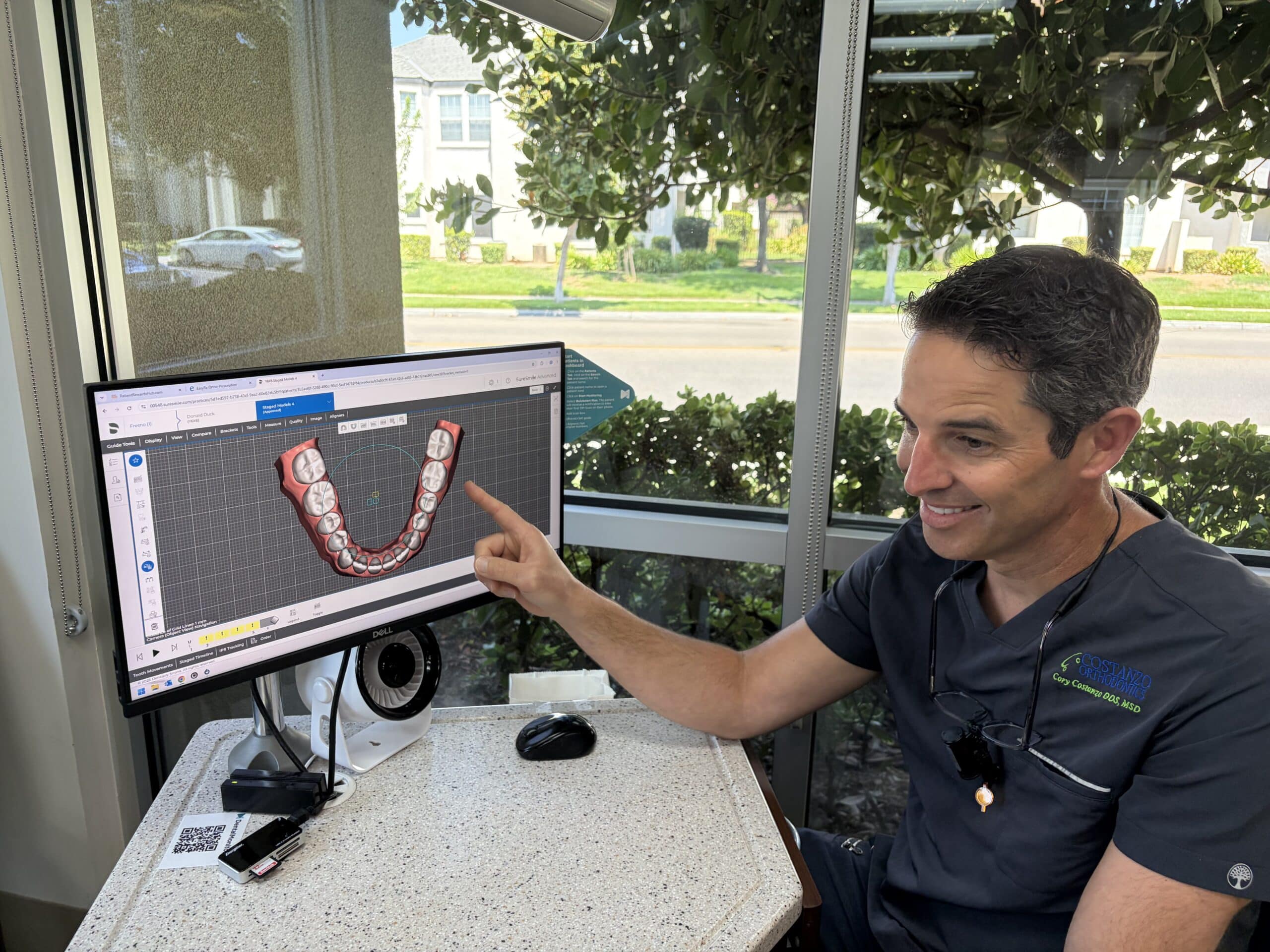
The turning point in Dr. Costanzo’s practice occurred in 2015. While he had been introduced to the SureSmile platform during his residency in 2004, the platform’s expansion into a comprehensive digital ecosystem necessitated a reevaluation of his workflow. Unlike earlier systems, which functioned as standalone aligner products, the SureSmile platform was designed as an integrated suite capable of supporting indirect bonding, customized archwires, and aligner therapy within a single interface.
This integration allowed for a more robust approach to treatment planning. The software’s core development, rooted in orthodontic principles rather than consumer-facing aesthetics, provided the necessary granular control over tooth movement. Furthermore, the shift in support structure—from sales-centric models to clinical partnerships—allowed Dr. Costanzo to refine his treatment planning capabilities.
Clinical Validation: The Practitioner as Patient
To test the efficacy of the system, Dr. Costanzo initiated a self-treatment protocol. By utilizing the platform to address his own dental concerns—specifically a rotated lower central incisor and narrow arches with wide buccal corridors—he was able to experience the workflow, fit, and comfort of the aligners firsthand. This transition from clinician to patient provided empirical evidence of the platform’s capacity to handle structural expansion. Following this successful self-experimentation, he participated in the 2018 beta testing phase for the next generation of SureSmile Aligners. By 2019, his practice had largely pivoted, with traditional braces becoming a secondary option rather than the default standard of care for complex cases.
Case Analysis: Addressing the 10mm Deep Bite
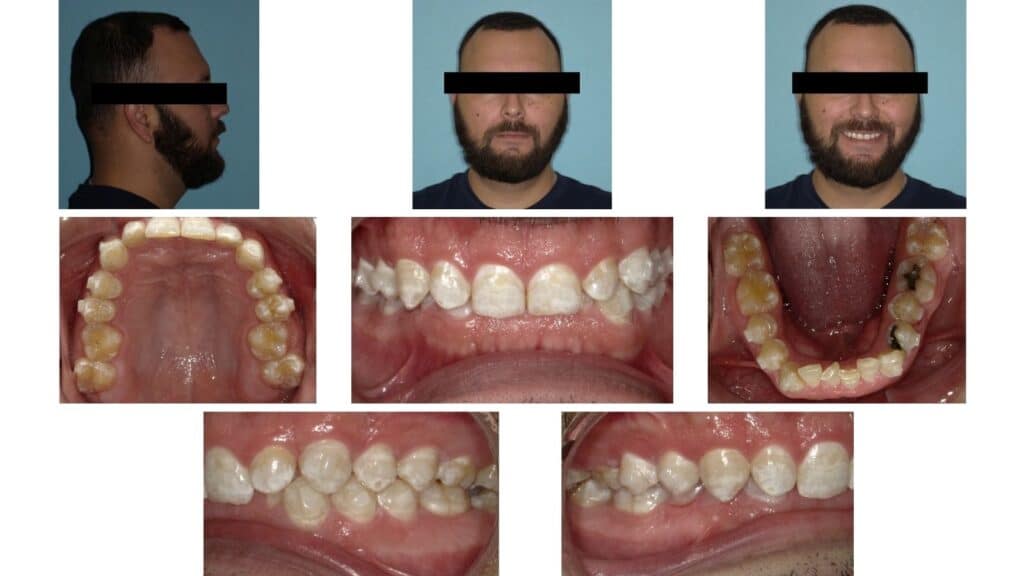
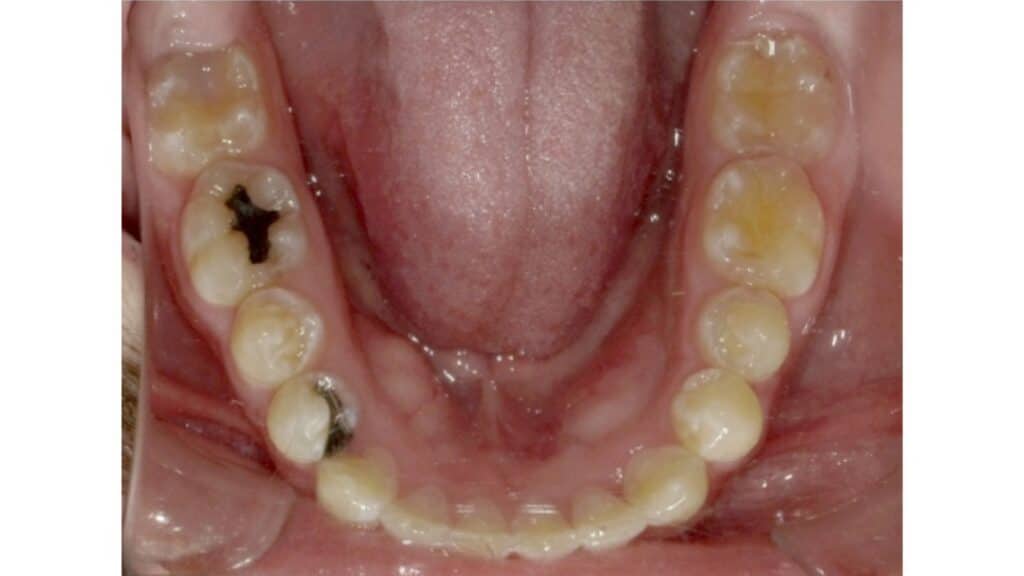
The true litmus test for the platform’s efficacy involved a 35-year-old male patient presenting with a traumatic 10mm deep bite, lower anterior crowding, and a buccal crossbite of the right first and second bicuspids. In standard orthodontic literature, such a presentation typically requires a combination of fixed appliances, bite turbos, and potentially inter-arch elastics.
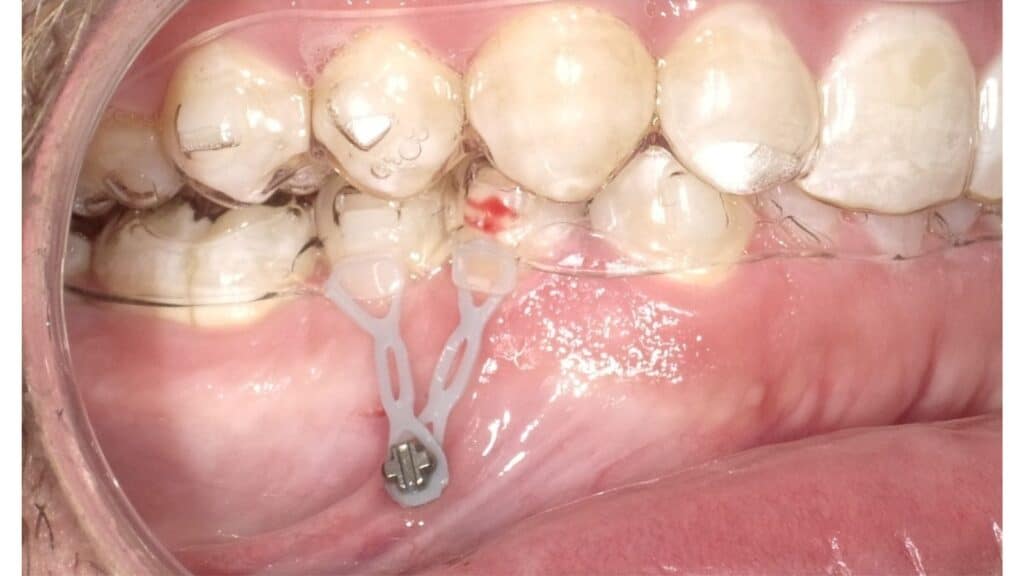
The biomechanical challenge in this case was the lack of adequate anchorage on the right side of the arch to facilitate the necessary intrusion of the six anterior teeth and the two bicuspids. Initial intervention involved the placement of a temporary anchorage device (TAD) to provide the requisite force for the right-side bicuspids. However, due to localized gingival irritation, the TAD was removed after 14 days.
In a departure from conventional protocols, Dr. Costanzo elected to continue treatment using only the aligners while the site healed. The patient remained in the aligner program for the subsequent 8 weeks without the supplemental TAD. The tracking remained consistent with the digital plan, suggesting that the aligners themselves were capable of distributing forces across the arch effectively.
The Role of the Straight Trimline
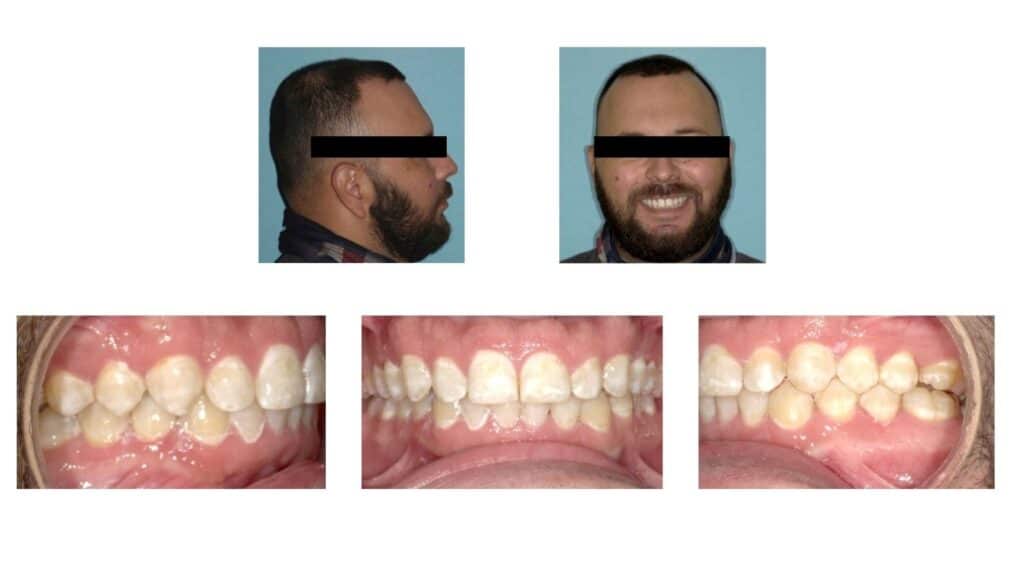
A significant factor in the success of this case was the utilization of a straight trimline, which extends up to 2mm apical to the gingival margin. The added rigidity of this design allows for a more effective distribution of force. In the aforementioned case, the treatment concluded after 25 months and 47 aligner stages, achieving the clinical objectives without the use of fixed appliances or elastics. The ability to achieve such results in a case previously deemed unsuitable for aligners marks a paradigm shift in the application of clear aligner technology.
Broader Implications for Orthodontics
The implications of these developments are significant for the orthodontic community. Data from recent clinical surveys suggest that the adoption of integrated digital platforms is correlated with a reduction in refinement cycles and an increase in patient compliance. Furthermore, the ability to export STL files for in-house fabrication allows for greater flexibility and the ability to rehearse procedures digitally before implementation.
The shift toward these technologies also addresses the long-standing critique regarding the "black box" nature of some aligner planning services. By maintaining control over the staging and force application, the orthodontist remains the primary decision-maker in the treatment plan. This level of autonomy is critical for managing the high-variability cases that define the modern orthodontic practice.
Industry and Clinical Outlook
As the industry moves toward further digitization, the standard for success is no longer just "straightening teeth" but doing so with a degree of biomechanical control that matches or exceeds traditional wire-and-bracket systems. Dr. Costanzo’s experience demonstrates that while the technology has matured, the role of the clinician remains paramount. The integration of digital platforms like SureSmile enables a more nuanced approach, where the orthodontist acts as both a designer and a manager of biological force systems.
The trend toward "aligner-first" workflows is expected to continue as more clinical data emerges from long-term case studies. For practitioners who have historically felt constrained by the limitations of aligners, the move toward platforms that prioritize biomechanics and clinician control offers a viable pathway to expanding the scope of their clear aligner programs.
In conclusion, the successful treatment of severe malocclusions using aligners is no longer a matter of anecdotal evidence but a reality of current orthodontic practice. The combination of improved material science, specifically the rigidity provided by straight trimlines, and the ability to perform precise digital staging, has bridged the gap between conventional mechanics and modern digital convenience. As practitioners continue to integrate these systems, the standard of care for complex malocclusions will likely continue to evolve, placing digital planning at the forefront of clinical success.
Related posts: