IAPD September 2026 E-News Highlights Global Advancements in Paediatric Dentistry and Orthodontic Integration

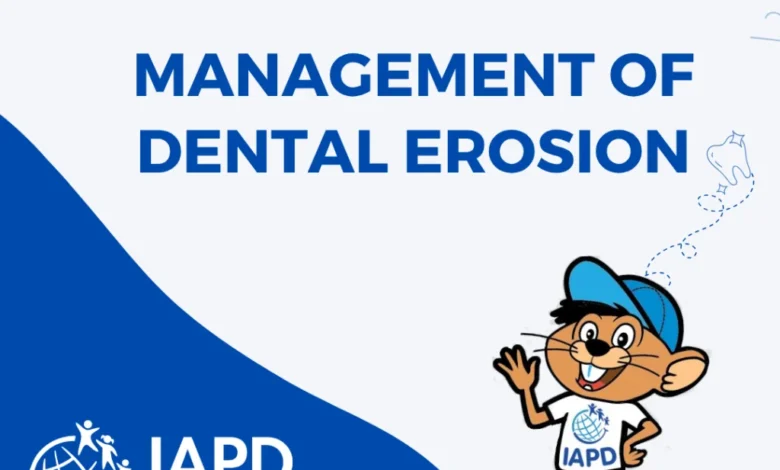
The international dental community is currently turning its attention toward Barcelona as preparations intensify for the 4th IAPD Global Summit, scheduled for 13–15 November 2026. This year’s summit, themed "Early Orthodontics Anchored in Evidence: An Integration Between Paediatric Dentistry & Orthodontics," marks a significant shift in clinical practice, aiming to bridge the gap between two traditionally siloed fields. As the profession grapples with the complexities of craniofacial growth and the rising prevalence of malocclusions in pediatric populations, the summit is positioned as a pivotal gathering for experts to standardize protocols and share emerging technologies.

The Scientific Imperative: Bridging Disciplines
The urgency for this integration stems from a clinical environment where early intervention is increasingly recognized as a key factor in long-term oral health outcomes. The 2026 program is designed to move beyond traditional boundaries, focusing on the biological foundations of craniofacial development. Key sessions will address the management of sagittal, transverse, and vertical malocclusions, which remain among the most frequent challenges for clinicians treating young patients.
By bringing together paediatric dentists and orthodontists, the International Association of Paediatric Dentistry (IAPD) aims to foster a collaborative environment where evidence-based practice guides the use of myofunctional therapy, space management, and the application of interceptive orthodontics. The inclusion of topics such as frenectomies and emerging digital technologies in dentistry suggests a forward-looking agenda, aimed at equipping practitioners with tools that are both effective and minimally invasive.

Barcelona 2026: The Strategic Hub for Knowledge Exchange
The selection of the Barceló Sants Hotel as the host venue for the summit is intentional, providing a centralized location for international delegates. The event is not merely a conference but an attempt to solidify a global consensus on the standards of care for growing children. For attendees traveling from abroad, the IAPD has streamlined administrative processes, offering official invitation letters to support visa applications—a critical service given the global nature of the organization’s membership.
Beyond the scientific sessions, the summit is structured to encourage networking that transcends the lecture hall. Organizers emphasize that the informal discussions occurring during dinner or breaks are just as vital to the profession as the formal presentations. This "connected care" model is a recurring theme in IAPD’s strategic initiatives for the latter half of 2026.
Expanding Reach: The Digital Component and Global Advocacy
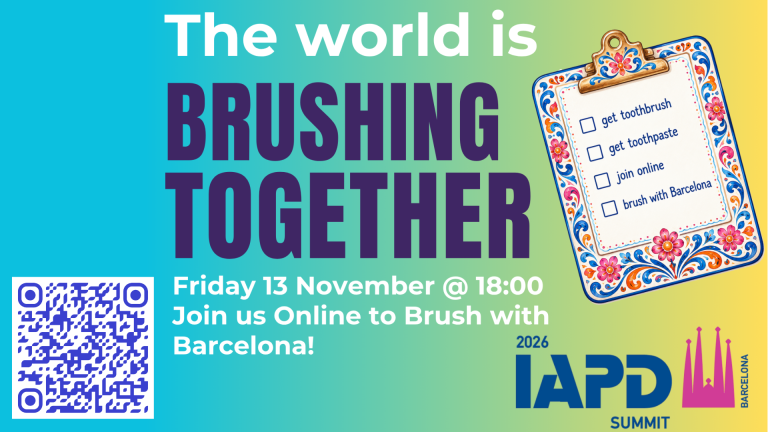
Recognizing that not all practitioners can travel to Spain, the IAPD has introduced the "Brush in Barcelona" initiative, allowing for virtual participation. This hybrid approach ensures that the insights shared at the summit reach a wider audience, maintaining the organization’s commitment to accessible education.
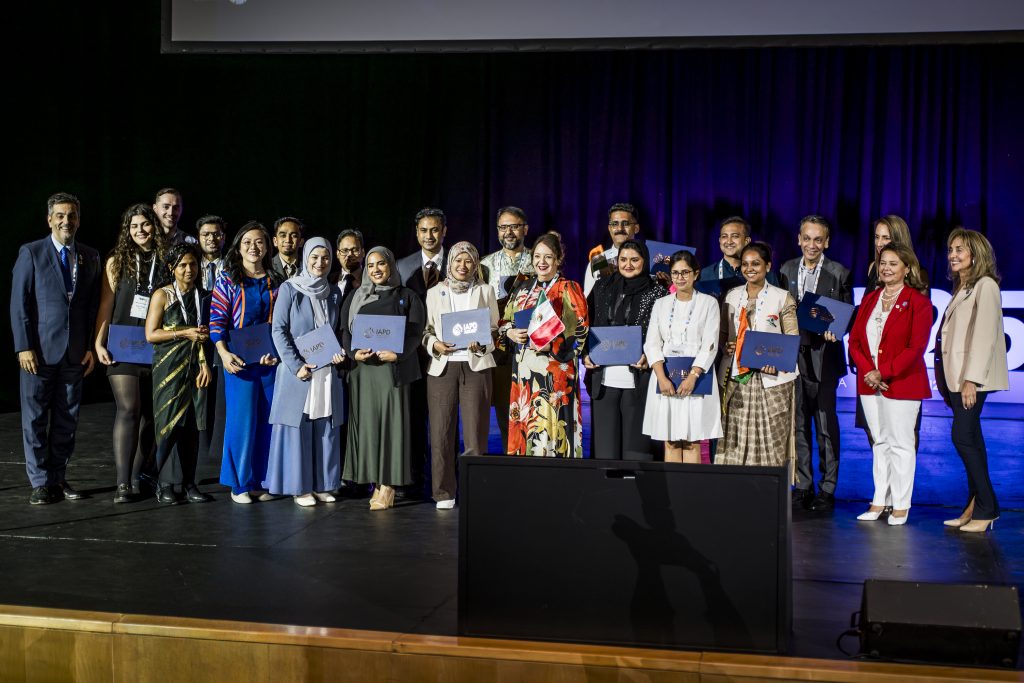
This commitment to education was recently demonstrated at the FDI World Dental Congress 2026 in Prague. On 4 September, the IAPD hosted a dedicated symposium that brought paediatric dentistry to the forefront of one of the largest dental gatherings in the world. Moderated by Prof. Dr. Figen Seymen, the IAPD Immediate Past President, the session provided a platform for experts like Dr. Arina Vinereanu and Dr. Jana Vašáková to present on critical topics including minimal intervention, pain management, and the utility of prefabricated crowns. The Prague symposium served as a successful pilot for the broader educational objectives to be fully realized in Barcelona this November.
Multidisciplinary Health: Integrating Oral and Systemic Care
The advocacy for pediatric dental health is also extending into other medical spheres. Prof. Dr. Figen Seymen’s recent appearance at the 6th Eastern Pediatric Congress in Diyarbakır, Türkiye, underscored the necessity of viewing oral health as a component of overall child wellness. Her presentation on "Preventive Oral and Dental Health in Children: A Multidisciplinary Approach" at a joint session with family medicine practitioners highlights a growing trend: the integration of dentistry into the wider child-health conversation.
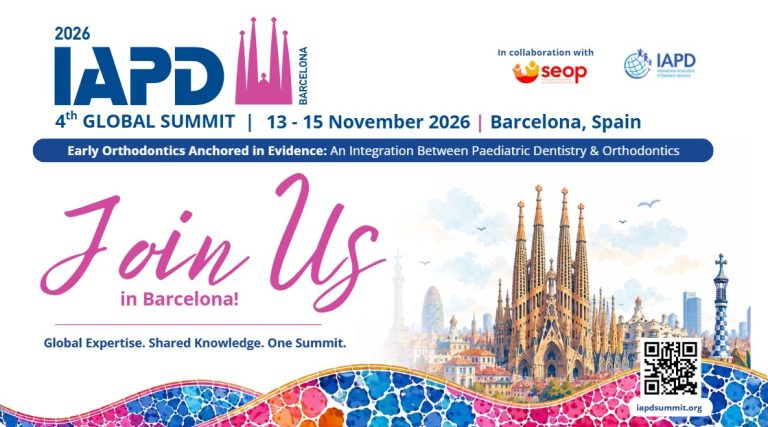
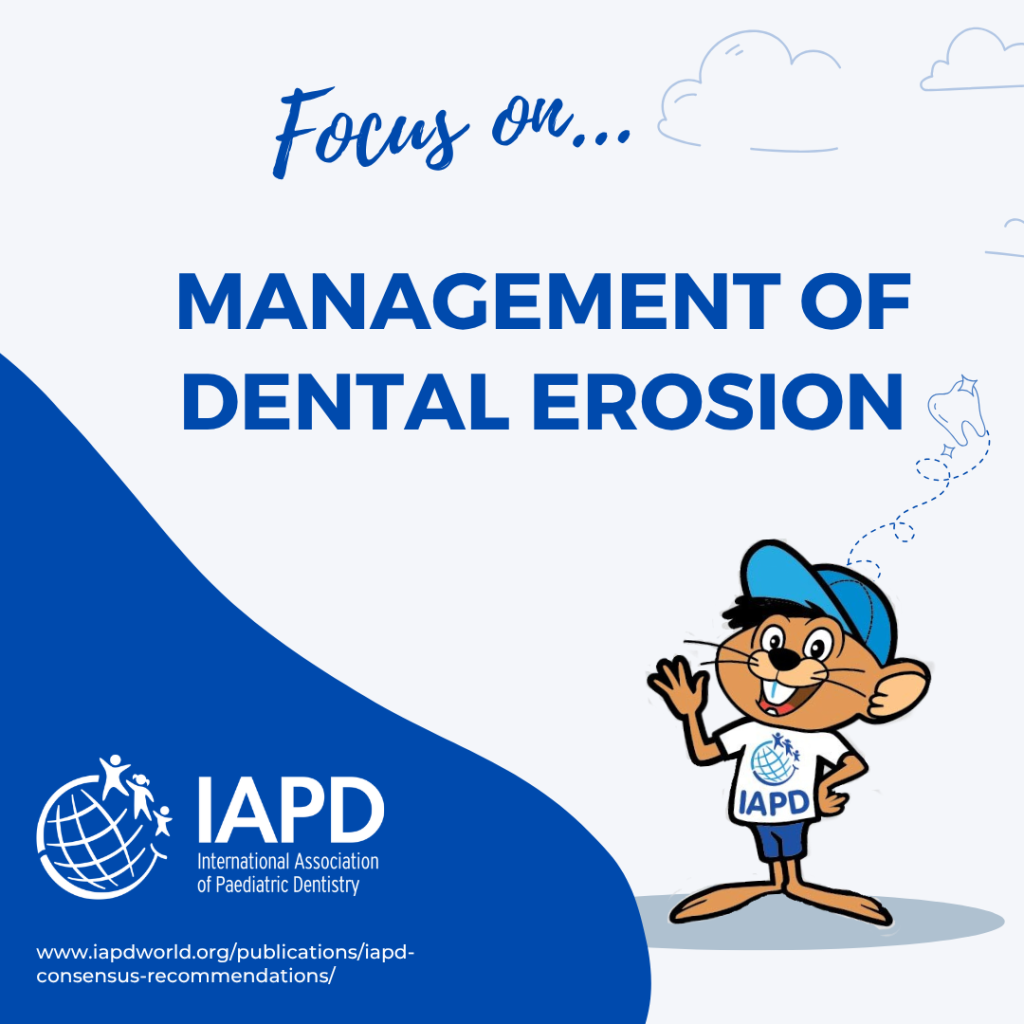
Data from the field suggests that there is a significant need for this cross-disciplinary dialogue. For instance, the ongoing focus on dental erosion—a condition characterized by the irreversible loss of tooth structure through non-bacterial acids—demonstrates why collaboration with pediatricians and dietitians is essential. The IAPD’s current consensus recommendations emphasize that because primary teeth possess thinner, less mineralized enamel than permanent teeth, early identification of extrinsic acids from diet or intrinsic acids from conditions like gastro-oesophageal reflux disease (GERD) is paramount to prevention.
Professional Development: The 2027 Fellowship Cycle
While the summit takes center stage, the IAPD is concurrently managing its long-term professional development pipelines. Applications for the 2027 IAPD Fellowship Examination are now open, with a deadline of 26 March 2027. This credential, which confers the title of FIAPD (Fellow of the International Association of Paediatric Dentistry), serves as a benchmark for dentists who wish to demonstrate a commitment to continuous learning and clinical excellence.
The online nature of the exam, scheduled for 20 April 2027, reflects the organization’s push toward digital integration in certification, mirroring the hybrid structure of its educational conferences. Successful candidates join an elite group of professionals whose influence is expected to shape the standards of the association for years to come.
Community Engagement: The Fluoriders Dance Challenge
In a lighter, yet equally important effort to engage the public, the IAPD continues to run the "Fluoriders Dance Challenge." By leveraging social media, the organization is attempting to reach younger demographics and their families with a simple, evidence-based message: brushing for two minutes is the cornerstone of a healthy smile.
The challenge, which requires participants to dance to the "Happy Teeth Song," is a strategic attempt to gamify oral hygiene education. With entries closing on 29 October 2026, the campaign is expected to generate significant digital visibility for the IAPD ahead of the November summit. It serves as a reminder that while the IAPD’s work is deeply rooted in complex clinical science, its ultimate goal remains the public-facing promotion of health.
Future Outlook and Implications
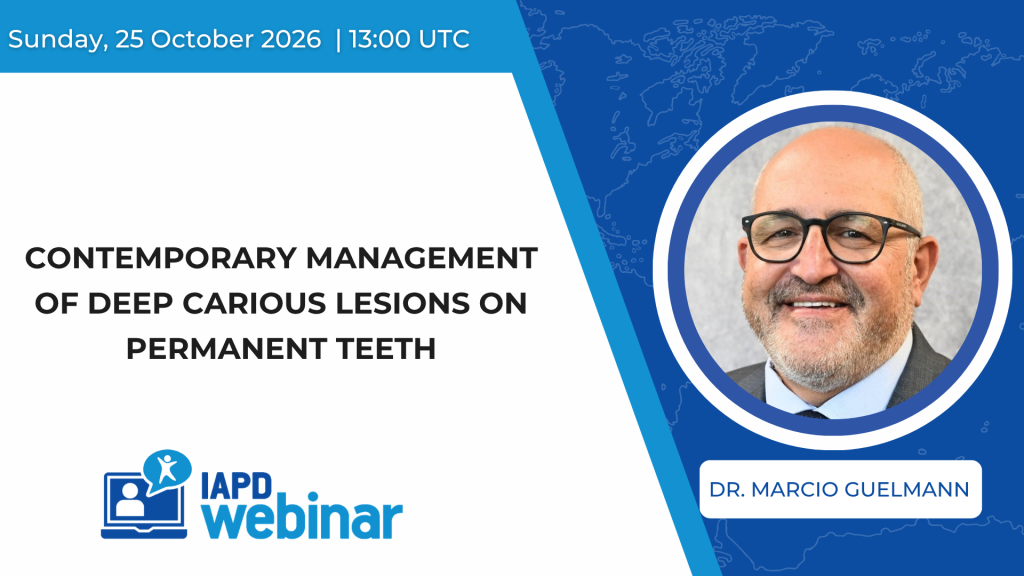
The initiatives of the IAPD in late 2026 signal a robust period of growth for the organization. By successfully embedding itself in major events like the FDI World Dental Congress and expanding its educational footprint through webinars and fellowships, the IAPD is effectively scaling its impact.
The implications for the field are twofold. First, the move toward integrating paediatric dentistry with orthodontics suggests a future where practitioners are expected to be more "generalist-specialists," possessing a broader understanding of developmental biology. Second, the increasing emphasis on multidisciplinary care—as seen in the collaboration with pediatricians—indicates that dental professionals are moving toward a more holistic role in the healthcare system.
As the industry prepares for the 4th IAPD Global Summit, the focus remains clear: the intersection of evidence-based practice and global collaboration is the only way to achieve the universal goal of better, more accessible care for growing children. With registration still open for both in-person and virtual attendees, the upcoming weeks will likely define the research and clinical priorities for the next two years of paediatric dental practice. For members and non-members alike, the message from the IAPD is consistent: the evolution of the field depends on the willingness of professionals to share knowledge, embrace new technology, and step outside of traditional clinical boundaries.