What to Expect When Getting Braces Off: A Comprehensive Guide to Post-Orthodontic Care and Long-Term Smile Maintenance


The day braces are finally removed marks a significant milestone for orthodontic patients. After months, or often years, of adjustments, dietary restrictions, and meticulous cleaning routines, the hardware that shaped a changing smile is carefully taken away. However, dental professionals and orthodontic associations emphasize that the removal of brackets and wires does not signify the absolute end of the treatment journey. Instead, it transitions the patient into a critical new phase: retention and stabilization. Understanding what happens during the removal process, managing temporary physical sensitivities, adapting to dietary changes, and committing to lifelong retainer wear are essential steps for protecting a newly aligned smile.
The Mechanics of Braces Removal
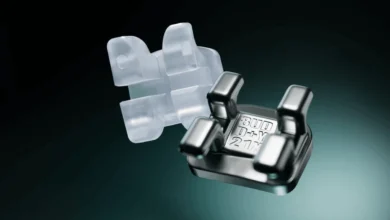
The procedure to remove fixed orthodontic appliances is typically straightforward, though it requires specialized instruments and clinical precision. When a patient arrives for their debonding appointment, the orthodontist uses professional-grade pliers and debonding instruments to gently squeeze each bracket, breaking the bond between the adhesive and the enamel. Patients frequently report hearing and feeling minor clicking or popping sounds as the brackets detach from the tooth surface. This sensation, while unusual, is generally painless.
Once all brackets, archwires, and elastic or metal bands have been taken off, the focus shifts to clearing away the remaining orthodontic bonding resin. Orthodontists use a specialized dental bur or polishing instrument to buff the enamel smooth. This step ensures that no residual cement remains, which could otherwise trap plaque, cause staining, or irritate the lips and cheeks.
Following the cleanup phase, the clinical team typically conducts a comprehensive evaluation of the patient’s bite and tooth alignment to confirm that the treatment objectives outlined at the beginning of the process have been successfully met. Diagnostic records, including digital scans, physical impressions, photographs, or panoramic X-rays, are frequently captured at this stage to document the final outcome and serve as a baseline for future comparison. Finally, the orthodontist discusses the immediate transition to a retention plan, explaining the specific type of retainer assigned and outlining the prescribed wear schedule.
Understanding Sensations and Pain During Debonding
A common concern among patients preparing to have their braces removed is whether the procedure will hurt. Clinical feedback indicates that the vast majority of patients experience no acute pain during debonding. The sensation is typically described as a brief, firm pressure or a pulling feeling as each bracket is separated from the tooth.
Similarly, the polishing phase introduces mild vibrations and pressure against the teeth. While these mechanical sensations can feel strange, the entire removal process usually takes less than an hour and is considerably more comfortable than the initial placement of braces or routine tightening appointments.
Once the appliances are gone, however, patients often notice immediate textural differences. Without brackets and wires obstructing the tongue and lips, the tooth surfaces may feel unusually slick, thin, or sharp. Teeth that were previously crowded or rotated may feel strange when biting down as the bite settles into its new, corrected position. Furthermore, mild sensitivity in the teeth and surrounding gingiva (gums) is common. This tenderness typically stems from the pressure applied during debonding or from pre-existing sensitivity that was masked or aggravated by daily orthodontic forces. Orthodontists generally advise that such discomfort is transient, resolving independently within a few days. Over-the-counter pain relievers and specialized sensitivity toothpastes are frequently recommended to manage this brief adjustment period.
The Phenomenon of Post-Orthodontic Tooth Mobility
One of the less-discussed aspects of having braces removed is the temporary mobility of the teeth. It is entirely normal for patients to notice that their teeth feel slightly loose immediately after the appliances are taken off.
Orthodontic movement relies on a controlled biological process involving bone remodeling. As braces apply continuous pressure, the bone surrounding the tooth roots resorbs on one side and deposits on the other, allowing the teeth to shift through the jawbone. When the active forces of the braces are removed, the bone and periodontal ligaments holding the teeth in place have not yet fully calcified or solidified in their new locations. Consequently, a minor degree of looseness is expected.
This mobility is temporary and serves as an indicator that the biological tissues are adapting to their new environment. As the patient begins wearing their prescribed retainers, the surrounding bone reinforces itself, and the teeth gradually stabilize. However, if a tooth feels excessively loose, causes sharp pain, or exhibits abnormal movement, patients are strongly advised to contact their orthodontist promptly for a clinical evaluation.
Dietary Freedom and Easing Back into Normal Eating
One of the most celebrated aspects of getting braces off is the immediate restoration of dietary freedom. Throughout active treatment, patients must strictly avoid hard, sticky, crunchy, and chewy foods—such as caramel, popcorn, whole apples, nuts, and hard crusty bread—to prevent bent wires or dislodged brackets.
Upon removal, patients are legally and practically permitted to enjoy these foods once again. Nonetheless, dental professionals recommend a cautious approach during the first week post-removal. Because teeth and gums may remain tender or sensitive following the debonding procedure, immediately consuming extremely hard or crunchy items can cause unnecessary discomfort. Easing back into a normal diet over several days allows the periodontal tissues to adjust comfortably. For individuals prescribed removable retainers, standard protocol dictates removing the device prior to consuming any food or beverages other than plain water to prevent damage, staining, or warping.
The Critical Role of Retainers in Preventing Orthodontic Relapse
The completion of active orthodontic treatment transitions the patient into the retention phase, where the retainer becomes the single most important tool for preserving the financial and physical investment of braces. Without a retainer, teeth have a natural tendency to drift back toward their original, pre-treatment positions—a phenomenon known in the dental community as orthodontic relapse.
Orthodontic relapse occurs due to several factors. In the immediate months following debonding, the elastic gingival fibers surrounding the teeth remain stretched and actively attempt to pull the teeth back. Furthermore, natural aging, continuous facial growth, and everyday physiological forces exerted by chewing and swallowing place continuous stress on tooth alignment throughout a person’s life.
To combat this, orthodontists prescribe specific retention strategies tailored to each patient’s clinical profile. Retainers generally fall into two primary categories: removable and fixed. Removable retainers include traditional wire-and-acrylic devices (such as Hawley retainers) and clear, vacuum-formed plastic trays (such as Essix or Vivera retainers). Fixed retainers consist of a thin, custom-fitted wire bonded directly to the lingual (tongue-side) surface of the front teeth, typically spanning from canine to canine. Fixed retainers offer the advantage of 24/7 compliance without relying on patient memory, though they require meticulous oral hygiene to prevent plaque accumulation and calculus buildup.
Adhering to Long-Term Wear Schedules
The duration and frequency of retainer wear are vital components of successful post-orthodontic care. In the immediate aftermath of braces removal—typically the first four to six months—orthodontists generally recommend a near-continuous wear schedule. Patients are instructed to wear their removable retainers twenty-four hours a day, removing them only for meals, brushing, and flossing.
As the bone and surrounding tissues stabilize over time, the orthodontist may adjust the wear protocol, transitioning the patient to nighttime-only wear. For many individuals, long-term or lifelong nightly retention is necessary to maintain absolute alignment. Dental research indicates minor shifting can occur decades after treatment if retention protocols are abandoned entirely. Patients who notice that their retainer feels exceptionally tight or fails to seat properly are cautioned against forcing the device into place, as this can damage the teeth or warp the appliance; instead, professional consultation is required.
Oral Hygiene and Maintenance in the Post-Braces Era
Maintaining optimal oral hygiene becomes even more straightforward yet critical once braces are removed. Without brackets, archwires, and elastic ligatures trapping food particles and plaque, brushing and flossing are significantly easier and more effective.
Patients are encouraged to maintain a rigorous daily routine consisting of brushing at least twice daily with a fluoride toothpaste and flossing daily to remove interdental plaque. For those with fixed retainers, special floss threaders or interdental brushes are often necessary to clean beneath the bonded wire effectively.
In addition to personal dental hygiene, the upkeep of the retainer itself is paramount. Removable retainers must be cleaned daily using non-abrasive cleansers, lukewarm water, and soft brushes to prevent bacterial biofilms and calcium deposits from forming. Storing removable retainers in a rigid protective case rather than wrapping them in napkins—where they are frequently thrown away accidentally—is a standard preventative measure emphasized by orthodontic clinics.
Follow-Up Care and When to Contact the Orthodontist
The orthodontic care continuum does not end abruptly at the debonding appointment. Most orthodontic practices schedule a series of structured follow-up visits over the subsequent year to monitor the stability of the bite, evaluate tissue health, and inspect the condition and fit of the retainers. These check-ups allow clinicians to catch minor shifts or appliance wear early before they compromise the overall result.
Patients should contact their orthodontist outside of scheduled appointments if specific issues arise. Red flags requiring professional attention include:
- A removable retainer that cracks, warps, or breaks.
- A fixed retainer wire that detaches partially or completely from any tooth.
- Sudden, unexplained pain, swelling, or persistent tenderness in the teeth or gums.
- Noticeable shifting of one or more teeth despite consistent retainer wear.
- A retainer that suddenly feels excessively painful or impossible to seat correctly.
Prompt communication ensures that minor mechanical or biological complications are resolved swiftly, safeguarding the structural and aesthetic integrity of the smile for years to come. Ultimately, transitioning out of braces requires patience, discipline, and ongoing collaboration with an experienced orthodontic professional to ensure that a newly straightened smile remains healthy, stable, and radiant throughout life.