IAPD May 2026 E-News Highlights Global Summits and Strategic Shifts in Paediatric Dentistry


The International Association of Paediatric Dentistry (IAPD) has officially entered a busy season of scientific advancement and organizational transition as it prepares for the 4th Global IAPD Summit in Barcelona. Scheduled for 13–15 November 2026, the event is poised to be a landmark gathering for the global paediatric dental community, with a specialized focus on the intersection of orthodontics and early-childhood oral care.
The 4th Global IAPD Summit: A Scientific Nexus in Barcelona
The 4th Global IAPD Summit, titled Early Orthodontics Anchored in Evidence: An Integration Between Paediatric Dentistry & Orthodontics, represents a strategic pivot toward interdisciplinary clinical practice. By bridging the traditional gap between paediatric dentistry and orthodontic intervention, the IAPD aims to establish a unified evidence-based framework for treating developing dentitions.

Barcelona has been selected as the host city for this summit, serving as a strategic hub for international delegates. The scientific programme, now open for abstract submissions, has been meticulously curated to include plenary sessions, clinical consensus forums, and interactive case studies. Given the rising demand for early orthodontic intervention—often driven by increased aesthetic awareness among parents and improved diagnostic capabilities—the summit is expected to draw a significant international audience of researchers, clinicians, and academic faculty. The organizers emphasize that the event is designed for high-level knowledge exchange, moving beyond didactic lectures into collaborative consensus-building.
In Memoriam: Honoring the Legacy of Prof. Hugo Furze
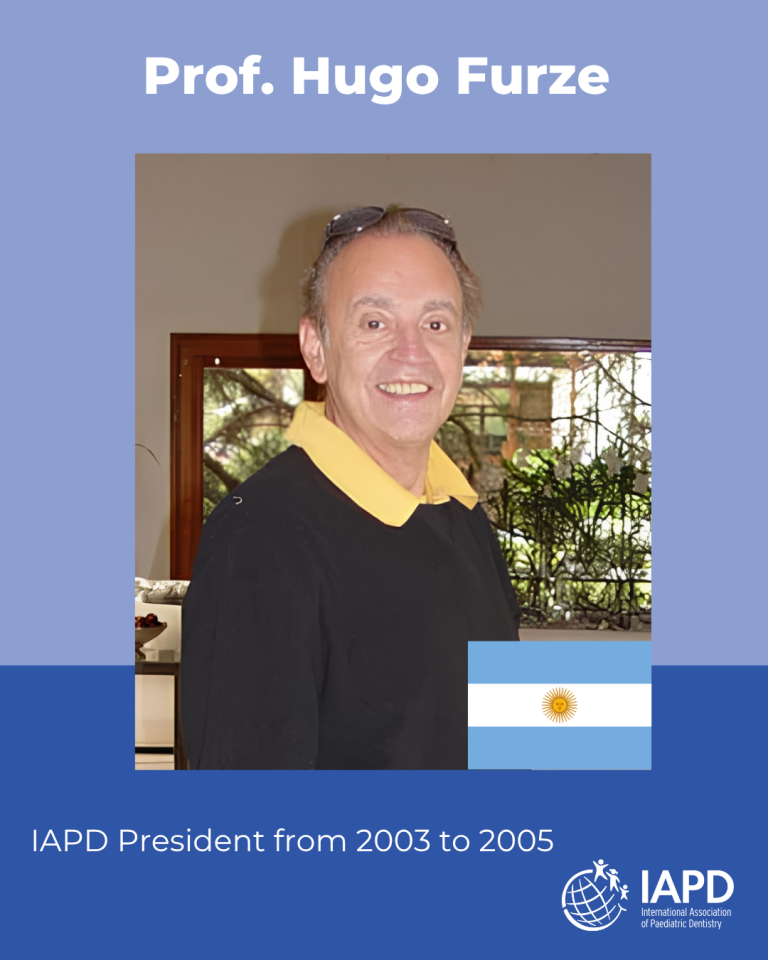
The global paediatric dentistry community is currently in mourning following the passing of Professor Hugo Furze of Argentina, who served as IAPD President from 2003 to 2005. Professor Furze was a central figure in the expansion of the IAPD during the early 2000s, a period marked by significant growth in the association’s international membership and academic influence.
Colleagues remember Professor Furze not only for his technical contributions to the field but for his role as a bridge-builder between Latin American dental associations and the global body. During his tenure, he prioritized the development of paediatric oral health infrastructure in underserved regions, setting a standard for leadership that continues to influence the association’s current mission. His death marks the loss of a pivotal generation of leadership that helped solidify the IAPD as a credible, worldwide authority on child oral health.

The Digital Transformation of the International Journal of Paediatric Dentistry
In a move that mirrors the broader transition of medical publishing toward sustainability, the International Journal of Paediatric Dentistry (IJPD) has officially transitioned to an online-only format. This decision marks a significant departure from traditional print-based distribution, which has been a staple of academic membership for decades.
The shift is driven by a dual commitment to environmental responsibility and increased accessibility. By eliminating the carbon footprint associated with paper production, printing, and international shipping, the IAPD is aligning its operations with global sustainability goals. From a practical standpoint, the transition allows for faster dissemination of research. Members can now access peer-reviewed articles through the IAPD Membership Portal, which offers improved search functionality and integration with digital databases. This transition also enables the journal to incorporate dynamic media, such as video abstracts and supplemental interactive datasets, which were previously impossible to provide in a print-only environment.
Global Collaboration at AAPD 2026: A Case Study in Diplomacy
The recent AAPD 2026 Annual Session in Las Vegas served as a high-profile stage for the IAPD to reinforce its global network. A high-level delegation, including President Dr. Soni Stephen, President-Elect Dr. Virinder Goyal, Secretary General Dr. Anna Maria Vierrou, and Past President Dr. Jorge Castillo, utilized the venue to host an interactive clinical decision-making session.

The lecture, titled "Decision Making in the Developing Dentition: Global Perspectives on Early Intervention," served as a critical platform for presenting varying cultural and clinical approaches to paediatric care. By employing live polling and real-time audience engagement, the presenters were able to gauge how different regions prioritize treatment, ranging from conservative observation to proactive surgical or orthodontic intervention. This collaborative approach at the AAPD session serves as a template for future IAPD events, where the goal is to synthesize global diversity into a cohesive, evidence-based standard of care.
Advancing Standards: The Bengt Magnusson Memorial Prize
The IAPD has underscored its commitment to research excellence through the continued sponsorship of the Bengt Magnusson Memorial Prize in Child Dental Health, supported by Kids-e-Dental. The prize, named after the late Professor Bengt Magnusson, is awarded to the author of the most significant essay on child oral health submitted during the congress cycle.
The sponsorship by Kids-e-Dental represents a growing trend of industry-academia partnerships in the dental sector. As the industry shifts toward preventative and minimally invasive technologies, sponsors like Kids-e-Dental are increasingly focused on supporting the intellectual foundation of the profession. This prize is not merely an academic honor; it acts as a catalyst for identifying emerging talent in the field and encouraging research into complex conditions that affect long-term oral health outcomes for children.
Educational Outreach: Webinars and Consensus Recommendations
The IAPD has released its upcoming webinar schedule, with sessions covering "Integrative Approach in Caries Prevention" (Dr. Tetiana Peshko) and "Radiology in the Paediatric Patient" (Dr. Juan Fernando Yepes). These digital offerings have become a core pillar of the IAPD’s value proposition, particularly for members who face travel restrictions or budget constraints.
Furthermore, the association is currently highlighting its "Consensus Recommendation on Dental Anomalies." This document provides a comprehensive framework for addressing conditions such as amelogenesis imperfecta, dentinogenesis imperfecta, and hypodontia. By standardizing the diagnostic and management pathways for these conditions, the IAPD aims to reduce the variability in treatment outcomes globally. The recommendations emphasize a multidisciplinary approach, urging practitioners to coordinate care between general paediatric dentists, orthodontists, and restorative specialists to optimize a child’s long-term functional and aesthetic quality of life.
Implications and Future Outlook
The current landscape of the IAPD reflects an organization in transition, balancing the preservation of its historical legacy with a rapid adoption of digital-first operations and interdisciplinary clinical standards. The 4th Global IAPD Summit in Barcelona will be the ultimate test of this new direction.
From an analytical perspective, the shift toward "evidence-anchored" orthodontics suggests that the IAPD is responding to a broader professional shift toward precision medicine. As clinicians gain access to better diagnostic tools—such as 3D imaging and genetic screening—the expectation for standardized, evidence-based treatment plans for developing dentitions has never been higher. By leveraging the combined expertise of paediatric dentistry and orthodontics, the association is positioning itself to lead the global conversation on how these technologies should be integrated into daily practice.
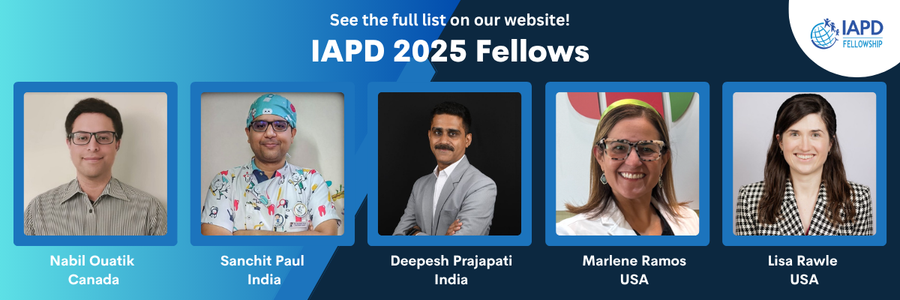
For the membership, the message is clear: the IAPD is evolving into a more agile, digitally connected, and scientifically rigorous organization. With applications for the 2027 Fellowship Examination now open, the association is also focusing on cultivating the next generation of practitioners, ensuring that the standards established in Barcelona and beyond are carried forward by a new cohort of dedicated professionals. As November 2026 approaches, the global paediatric dentistry community remains focused on the convergence of these efforts, with the ultimate objective of improving oral health outcomes for children on a global scale.