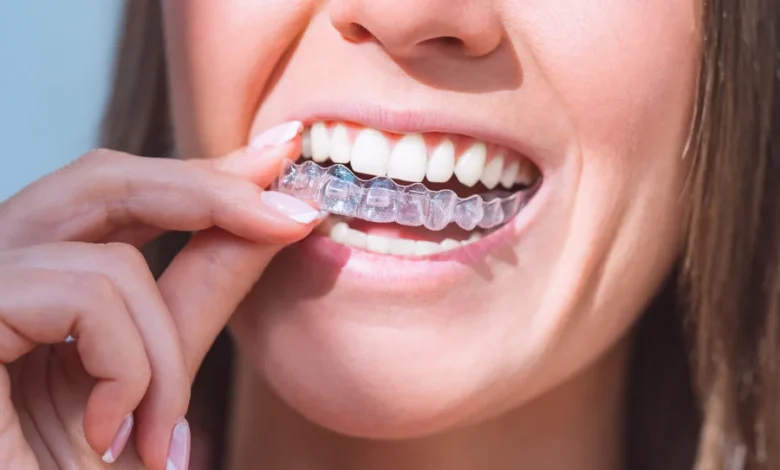
The human dental arch is a dynamic, lifelong biological system that is perpetually subject to internal and external forces, meaning teeth naturally tend to shift back toward their original, pre-treatment positions even after years of orthodontic stabilization. According to recent clinical data published by the American Association of Orthodontists (AAO), an overwhelming majority of patients who abandon consistent retainer wear will experience noticeable dental shifting within just a few weeks or months. This physiological reality places retainers at the center of long-term dental health maintenance following braces or clear aligner therapy. However, when a patient discovers that an old or infrequently worn retainer no longer fits correctly, navigating the next steps requires extreme caution. Experts warn that forcing a misaligned appliance onto the teeth can lead to severe dental trauma, structural failure of the device, and irreversible damage to the surrounding bone and soft tissue architecture.
To understand the broader implications of retainer maladjustment, one must first examine the fundamental timeline of post-orthodontic retention. Immediately following the removal of braces or clear aligners, the periodontal ligaments and surrounding bone tissue are in a highly malleable state. During this critical active retention phase—typically lasting the first several months to a year—orthodontists generally mandate full-time wear, removing the appliance only for eating and oral hygiene. As the bone remodels and stabilizes around the newly aligned tooth roots, the wear schedule is systematically tapered down, frequently transitioning to nighttime-only wear. Despite this progressive reduction, the underlying biologic memory of the teeth remains. Studies in dental biomechanics indicate that minor, gradual shifting is a natural lifelong phenomenon driven by masticatory forces, facial aging, and the continuous mesial drift of the dentition. Consequently, retainers are designed not as permanent corrective devices to actively move teeth back into alignment from scratch, but rather as passive stabilization tools meant to freeze teeth in their prescribed post-treatment coordinates.
When a retainer deviates from its intended fit, patients are frequently confronted with a diagnostic dilemma: is the tightness a normal manifestation of minor settling, or is it an indicator of structural failure? Orthodontic specialists draw a sharp distinction between a retainer that feels "snugly secure" and one that fundamentally "does not fit." A mildly snug retainer—often experienced after skipping a single night or two of wear—will still seat completely over the dental arch, resting fully against the incisal edges and gingival margins without requiring abnormal digital pressure or forceful biting. Conversely, a retainer that has lost its proper fit will typically stop short of its full seating depth, create visible gaps between the plastic and the biting surfaces of the teeth, pop out of position due to elastic resistance, or generate sharp, localized pain upon insertion.
The underlying etiologies of retainer misfit generally fall into two distinct categories: anatomical shifts within the patient’s mouth or structural alterations within the appliance itself. Anatomical shifts occur when the teeth have migrated beyond the retention capacity of the device, usually precipitated by lapses in compliance. Structural alterations, on the other hand, stem from physical damage, material fatigue, or environmental degradation of the retainer. Clear thermoplastic materials, which are widely utilized in modern vacuum-formed retainers, are exceptionally sensitive to thermal stress. Exposure to high temperatures—such as being left in a direct-sunlight automobile, washed in hot water, or placed near a heating vent—can cause the medical-grade plastic to warp, twist, or shrink. Furthermore, routine mechanical stressors, including bruxism (teeth grinding), aggressive insertion, and normal wear and tear from daily cleaning, can introduce micro-cracks, fractured wires, or distorted acrylic bases.
Despite the physical temptation to resolve a tight fit through sheer willpower, dental professionals universally condemn the practice of forcing an old or misaligned retainer onto the teeth. When an appliance is jammed into place over migrated teeth, the resulting mechanical stress is distributed unevenly across the periodontal ligament. Rather than gently guiding the dentition back into alignment, excessive force creates hyper-pressure zones that can interrupt blood flow to the tooth roots, induce localized root resorption (the shortening of the tooth root), and cause intense ischemic pain. Moreover, the appliance itself rarely survives such abuse; rigid acrylic can shatter, thin thermoplastic can tear, and embedded metal clasps can bend out of alignment, rendering the device entirely useless and potentially hazardous to the oral mucosa.
Official guidance from the AAO emphasizes that any retainer causing acute pain, showing visible structural compromise, or failing to seat passively must be evaluated by a trained orthodontic professional. When a patient schedules a retainer check due to fit issues, the clinical protocol typically begins with a comprehensive diagnostic evaluation of the patient’s current occlusion (bite), periodontal health, and the physical integrity of the existing appliance. The orthodontist will assess whether the dental migration is minor enough to be managed through renewed, monitored wear of the current device, or if the magnitude of the shift necessitates intervention.
Depending on these clinical findings, the range of professional solutions is diverse. If the retainer is structurally sound and the dental shift is negligible, the orthodontist may reinstate a strict wear schedule while monitoring the patient closely. However, if the appliance is warped or if the teeth have moved significantly, an adjustment may be attempted, or more frequently, a new digital scan or physical impression will be taken to fabricate a replacement retainer that matches the patient’s updated dental coordinates. In scenarios where the dental migration is pronounced and compromises the functional integrity of the bite, a limited course of active secondary treatment—such as a short series of clear aligners or localized fixed appliances—may be recommended before transitioning back to a passive retention protocol. Crucially, healthcare providers stress that attending an initial evaluation does not automatically commit a patient to extensive new orthodontic treatment; rather, it serves as a vital diagnostic checkpoint to prevent long-term dental complications.
Beyond clinical interventions, the broader economic and oral health implications of retainer neglect underscore the importance of preventative maintenance. The financial investment required for initial orthodontic treatment is substantial, and the failure to maintain retention protocols frequently results in relapse, requiring patients to undergo secondary corrective procedures later in life. Public health analyses suggest that millions of adults who underwent orthodontic care in their youth eventually experience varying degrees of dental relapse due to lost, damaged, or discarded retainers. To mitigate these risks, modern orthodontics places increasing emphasis on patient education regarding proper retainer hygiene, safe storage in rigid protective cases, and immediate professional consultation at the first sign of structural wear or altered fit. Ultimately, safeguarding a straight, healthy smile is an ongoing collaborative partnership between the patient’s daily habits and the expert oversight of an orthodontic specialist.