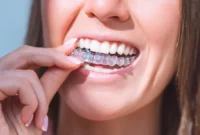
From refinement rates to Class II correction to smartphone-based setups, two orthodontists compare life before and after adopting Angel Aligner.

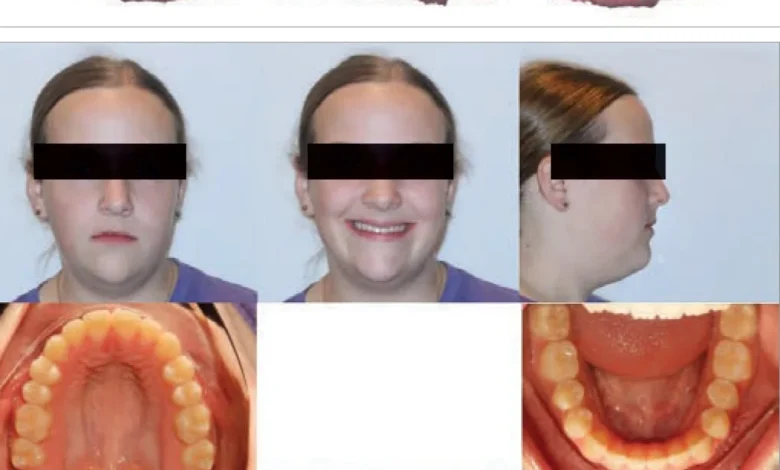
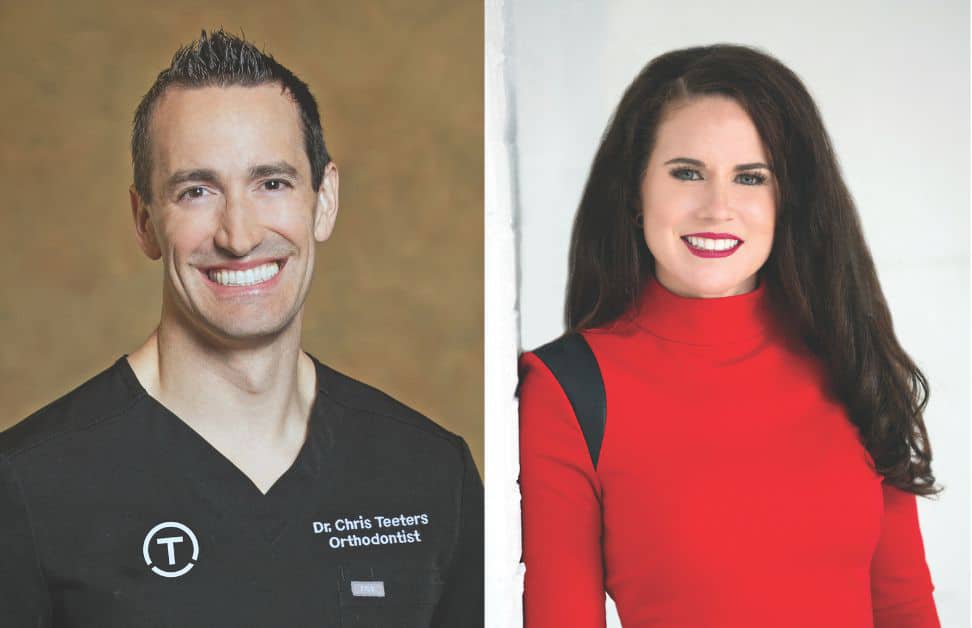
Transitioning to a new clear aligner system is a foundational shift that reverberates across every facet of an orthodontic practice. It mandates a comprehensive re-evaluation of treatment protocols, staff workflows, and patient communication strategies. For practitioners like Christopher Teeters, DMD, MS, of Teeters Orthodontics in Peoria, Ariz., and Allison Bergdoll, DDS, MS, of Dupont Orthodontics in Fort Wayne, Ind., the decision to integrate Angel Aligner was not made lightly. After navigating the limitations of several legacy aligner providers, both orthodontists sought a more precise, technologically agile solution. Three years and hundreds of clinical cases later, their experiences provide a granular look at how modern aligner platforms are shifting the landscape of orthodontic care.
The Catalyst for Transition: Evaluating Clinical Standards
The clear aligner market has become increasingly saturated, leading to a "system fatigue" among many orthodontists. When faced with the prospect of onboarding a sixth provider, Dr. Teeters was initially skeptical. His hesitation was only overcome by the consistent, positive sentiment shared within the Orthodontic Pearls Facebook forum—a professional community of nearly 10,000 clinicians. The absence of negative feedback regarding Angel Aligner prompted a trial that quickly evolved into a full-scale clinical integration.
For Dr. Bergdoll, the decision was driven by the rapid maturation of software capabilities. Following a product demonstration, she found the intuitive nature of the digital planning tools to be a significant departure from her previous experiences. The ability to leverage AI-driven STL (Standard Tessellation Language) tracing, even for patients not yet fully enrolled in the Angel ecosystem, offered a level of flexibility that proved difficult to ignore. This shift represents a broader trend in the industry: practitioners are moving away from monolithic, rigid systems toward platforms that emphasize software-as-a-service (SaaS) efficiency and user-centric design.
Operational Efficiency: The Mobile-First Paradigm
A defining feature of the modern digital orthodontist is the ability to manage treatment plans remotely. Dr. Teeters highlights the iOrtho mobile application as a pivotal component of his daily workflow. Unlike other industry platforms that rely on cumbersome web-browser interfaces, the native mobile app allows for precise, in-hand adjustments.
"I can knock out a setup in the time it takes to wait at the DMV or finish a morning workout," Dr. Teeters noted. This mobility is not merely a convenience; it represents a fundamental change in the rhythm of clinical management. By eliminating the friction associated with desktop-only planning, practitioners can respond to case submissions in real-time, reducing the "turnaround lag" that often delays patient progression.
Dr. Bergdoll echoes this sentiment, focusing on the interface design. The ability to toggle between tooth movement and attachment placement without navigating away from the main workspace reduces the number of clicks required to finalize a treatment plan. In a high-volume practice, these micro-efficiencies aggregate into significant time savings, allowing doctors to focus on clinical complexity rather than software navigation.

Redefining Clinical Predictability and Refinements
The most substantial metrics for any aligner system are its refinement rates and the predictability of complex movements. Historically, "posterior open bite" has been a pervasive complication for clinicians utilizing aligners. Both Teeters and Bergdoll report a marked decrease in this phenomenon since adopting the Angel Aligner system.
Dr. Bergdoll cites a near-total elimination of posterior open bites, noting that her refinement rates have dropped significantly. "We’ve had maybe one or two instances of posterior open bites in hundreds of cases," she stated. This stability is attributed to more precise biomechanical programming and the ability to customize attachment placement, allowing for more robust control over root torque and rotation.
Dr. Teeters reports similar success, noting that he is now frequently completing cases without the need for any refinements—a milestone he rarely achieved with previous systems. "I used to average three to four refinements per case," he explained. "Now, we are looking at one to two, with a substantial portion requiring zero. Even for complex cases that previously would have required five or more refinement stages, the total count has been drastically reduced."
Innovation in Class II Correction: The A6 Functional Appliance
Perhaps the most significant clinical shift described by these practitioners is the adoption of the A6 functional appliance for Class II correction. Traditional Class II treatments, such as the Twin Block, Herbst, or MARA, are often associated with patient discomfort, bulky aesthetics, and the need for two-phase treatment plans.
The A6 appliance enables clinicians to address Class II malocclusions within a single, continuous phase of treatment. By integrating the functional correction directly into the aligner sequence, practitioners can begin tooth alignment from the first day of treatment. This eliminates the "dead time" previously required for bulky, non-aesthetic appliances to perform their work.
Dr. Bergdoll reported a 100% success rate with the A6 to date, a dramatic improvement over the "50-50" success rate she observed with previous, less predictable systems. By avoiding the need for weekend emergency appointments—common when metal pistons or screws break—the A6 has also reduced the administrative burden of emergency scheduling.
The Role of Patient Communication and Treatment Conversion
The integration of advanced technology has tangible effects in the treatment consultation (TC) room. When patients are presented with a treatment plan that eliminates the need for bonded buttons or intrusive metal hardware, the conversion rate increases.
Dr. Teeters emphasizes that the "aesthetic sell" is a powerful tool. By demonstrating how elastics can be managed via buttons integrated directly into the plastic—rather than bonded to the enamel—clinicians can address one of the most common patient objections: the appearance and maintenance of traditional attachments.
"I show them the evolution of orthodontics," Teeters says. "I show them headgear, then Twin Blocks, then the modern alternatives. When I ask them which they would prefer in their mouth, they invariably choose the A6." This patient-centric approach has fostered a robust referral network, as patients who previously sought second opinions to avoid bulky appliances now actively request the clear, streamlined alternatives offered by the practice.
Industry Implications and Future Outlook
The experiences of Dr. Teeters and Dr. Bergdoll underscore a shift in the orthodontic industry toward "responsive manufacturing." Unlike legacy providers that may take years to iterate on feedback, the Angel Aligner model functions more like the technology sector—implementing software and product updates on a rolling, frequent basis.
The implications for the broader market are clear: orthodontists are increasingly prioritizing systems that offer:
- Seamless mobile integration: Reducing the administrative barrier to high-quality treatment planning.
- Predictable biomechanics: Reducing the reliance on multiple refinement phases, which lowers long-term overhead costs.
- Patient-friendly functional appliances: Improving patient compliance and comfort, which in turn boosts practice reputation and referral volume.
As more clinicians move toward these modern, agile platforms, the traditional, slow-moving manufacturer model faces significant pressure to innovate. For patients, the result is a more efficient, predictable, and aesthetically pleasing path to a healthy smile. For the orthodontist, the transition is not just about changing a brand of plastic—it is about reclaiming the time and clinical control necessary to focus on the art and science of the profession.