Understanding Your First Orthodontic Appointment: A Comprehensive Guide to Initiating Your Smile Journey


Visiting an orthodontist for the first time marks a significant step towards achieving not only a visually appealing smile but also optimal oral health and dental function. This initial consultation, often perceived with a degree of apprehension due to unfamiliarity, is meticulously designed to be an informative and collaborative experience, laying the essential groundwork for a personalized treatment pathway. Far from being a mere check-up, it serves as a crucial opportunity for individuals—whether adolescents or adults—to gain a profound understanding of their unique orthodontic needs, explore potential solutions, and engage in a dialogue with a specialist about their concerns and aesthetic aspirations. The journey to a healthier, more confident smile commences with this foundational appointment, which is meticulously structured to demystify the process and establish a comfortable rapport between patient and practitioner.
The pursuit of orthodontic treatment extends far beyond cosmetic enhancements; it fundamentally addresses issues critical for effective chewing, clear speech, and the long-term integrity of the oral system. Malocclusions, or misalignments of the teeth and jaws, are remarkably prevalent globally. According to data from the World Health Organization (WHO) and various national dental surveys, a significant portion of the population exhibits some form of malocclusion requiring orthodontic intervention. These conditions, if left unaddressed, can contribute to a host of problems, including abnormal wear of tooth enamel, difficulty in maintaining proper oral hygiene leading to increased risk of cavities and periodontal disease, speech impediments, and even temporomandibular joint (TMJ) disorders. The comprehensive process initiated during the first visit is therefore not just about straightening teeth; it’s about safeguarding overall well-being.
The Evolution of Orthodontic Care and Its Growing Accessibility
Orthodontics, a specialized branch of dentistry focused on diagnosing, preventing, and correcting malocclusions, has a rich history dating back to ancient civilizations. Early attempts at tooth alignment were rudimentary, but the field began to formalize in the 18th and 19th centuries with pioneers like Pierre Fauchard and Edward Angle developing systematic approaches and appliances. The 20th and 21st centuries have witnessed exponential advancements, transitioning from bulky, often uncomfortable devices to today’s highly sophisticated and discreet options like clear aligners and self-ligating braces. These technological leaps, coupled with increased public awareness of oral health, have significantly expanded the accessibility and appeal of orthodontic treatment for diverse age groups.
The American Association of Orthodontists (AAO) recommends that children have their first orthodontic evaluation by age seven. This guideline stems from the understanding that while permanent teeth are still emerging, an orthodontist can identify subtle problems with jaw growth and erupting teeth that may be easier to correct at an early stage. This concept, known as interceptive orthodontics or Phase I treatment, can prevent more severe issues from developing, potentially simplifying or shortening future treatment. For adults, the motivations for seeking orthodontics often differ, ranging from addressing long-standing aesthetic concerns to correcting bite problems that have emerged or worsened over time, or preparing for restorative dental work. The rise of aesthetic options has made adult orthodontics increasingly popular, with many embracing treatment later in life.
Preparing for Your Initial Consultation: Laying the Groundwork for Success
To ensure the most productive and streamlined initial consultation, proactive preparation is highly recommended. Gathering essential information and documents beforehand allows the orthodontic team to gain a comprehensive understanding of your health profile and specific needs, thereby facilitating a more accurate assessment and tailored treatment plan.
Key items to prepare and bring, either electronically or in physical form, include:
- Referral Letter: If you were referred by your general dentist, a referral letter detailing their observations or concerns can be highly beneficial.
- Dental Insurance Information: Your insurance card and details of your orthodontic coverage are crucial for a thorough financial consultation.
- Medical History: A comprehensive list of current medications, known allergies, past surgeries, and any chronic medical conditions (e.g., diabetes, heart conditions, autoimmune disorders). This information is vital for patient safety and treatment planning.
- Dental History: Details of previous dental treatments, including extractions, root canals, crowns, or implants, as well as any history of gum disease or TMJ issues.
- List of Questions and Concerns: Preparing a list of questions about the treatment process, duration, costs, specific appliance types, or any anxieties you may have will ensure all your queries are addressed during the discussion phase.
- Previous X-rays or Records: If you have recent dental X-rays (within the last six months to a year) or other relevant diagnostic records from your general dentist, bringing them along can sometimes reduce the need for new imaging.
This preparatory phase is not just about the clinic gathering information; it is equally an opportunity for you to begin forming an understanding of the practice, its philosophy, and the team that will guide you through your orthodontic journey. Establishing a comfortable rapport is paramount for a positive experience.
Your First Orthodontic Appointment: A Structured Journey
The initial visit to an orthodontist is systematically organized to ensure a thorough evaluation and a clear path forward. While specific protocols may vary slightly between practices, the core components remain consistent, designed to gather critical data and foster an open dialogue.
1. Introduction and Administrative Essentials
Upon arrival, patients are typically greeted by the administrative staff, who play a crucial role in initiating the visit. This often involves completing or reviewing necessary paperwork, which serves as the foundation for your patient record. This documentation encompasses personal details, comprehensive medical and dental history, and consent forms. The meticulous collection of this information is not merely procedural; it is essential for the orthodontist to understand any systemic health conditions that could impact treatment, identify potential drug interactions, or address specific health concerns that may influence the choice of appliances or treatment duration. Adherence to privacy regulations, such as HIPAA, ensures the confidentiality of your personal health information throughout this process.
2. The Clinical Assessment: A Deep Dive into Oral Health
Following the administrative phase, you will meet your orthodontist for the initial clinical examination. This comprehensive assessment goes beyond a simple visual inspection, employing a range of advanced diagnostic tools to meticulously evaluate the current state of your oral health, jaw structure, and bite alignment.
The examination typically includes:
- Visual and Manual Examination: The orthodontist will visually inspect your teeth, gums, and oral tissues, checking for signs of decay, gum disease, and overall oral hygiene. They will also manually assess your jaw joints (TMJ) for any signs of discomfort or dysfunction, evaluate facial symmetry, and observe how your upper and lower teeth meet.
- Diagnostic Imaging:
- Panoramic X-rays: This single X-ray image provides a broad overview of the entire mouth, including all teeth (erupted and unerupted), jawbones, sinuses, and the temporomandibular joints. It helps identify impacted teeth, missing teeth, bone pathology, and the overall skeletal structure.
- Cephalometric X-rays: A lateral (side view) X-ray of the head, this image is critical for evaluating the relationship between the teeth, jaws, and the rest of the facial skeleton. It helps the orthodontist analyze growth patterns, diagnose skeletal discrepancies, and plan treatment involving jaw repositioning.
- 3D Cone Beam Computed Tomography (CBCT): For more complex cases, such as impacted canines, assessing airway obstruction, or evaluating jaw abnormalities, a CBCT scan provides a detailed three-dimensional view of the oral and maxillofacial structures. While not routinely used for every patient, it offers invaluable diagnostic information when indicated.
- Intraoral and Extraoral Photography: A series of photographs are taken both inside and outside the mouth. These images serve as a crucial visual record of your initial condition, documenting tooth alignment, facial profile, and smile aesthetics. They are invaluable for tracking progress throughout treatment and for patient education.
- Digital Scans or Impressions: Traditional gooey dental impressions have largely been replaced by digital intraoral scanners. These scanners create a highly accurate, three-dimensional digital model of your teeth and bite in a matter of minutes, significantly enhancing patient comfort and precision. These digital models are essential for treatment planning, appliance fabrication, and visualizing potential outcomes.
Each diagnostic tool provides a unique piece of the puzzle, contributing to a holistic understanding of your orthodontic condition and enabling the orthodontist to formulate an evidence-based treatment strategy.
3. The Consultation: Dialogue and Discovery
Following the thorough examination and diagnostic procedures, the orthodontist will engage in a detailed discussion with you regarding their findings. This conversation is designed to be clear, comprehensive, and easy to understand, translating complex orthodontic terminology into layman’s terms. The orthodontist will explain any identified issues such as crowding, spacing, overbite, underbite, crossbite, or open bite, and articulate their potential implications for your oral health and function.
This is a critical juncture for collaborative decision-making. The orthodontist will outline potential treatment options, including the various types of orthodontic appliances available. This might include:
- Traditional Braces: Metal or ceramic brackets bonded to the teeth, connected by archwires.
- Self-Ligating Braces: Similar to traditional braces but use a specialized clip mechanism to hold the archwire, potentially reducing friction and appointment times.
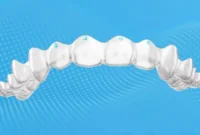
- Clear Aligners: A series of custom-made, removable clear plastic trays that gradually shift teeth into position (e.g., Invisalign).
- Lingual Braces: Brackets placed on the inside surface of the teeth, making them virtually invisible.
- Other Appliances: Depending on the case, adjunctive appliances like palatal expanders, headgear, or temporary anchorage devices (TADs) might be discussed.
Crucially, this discussion provides an invaluable opportunity for you to ask any questions, express concerns, or voice specific preferences regarding aesthetics, comfort, or lifestyle impact. Whether your questions pertain to the treatment duration, anticipated discomfort, dietary restrictions, oral hygiene routines, or the expected outcomes, your orthodontist is there to provide clear, comprehensive answers, empowering you to make informed decisions about your care.
4. Crafting Your Personalized Treatment Blueprint
Based on the initial examination, diagnostic data, and the in-depth discussion, the orthodontist will then propose a customized treatment plan. This plan is meticulously tailored to your individual needs and goals, detailing the recommended course of action. It will specify the primary orthodontic appliances to be used, the estimated duration of active treatment, and what outcomes you can realistically anticipate. The plan will also address any potential risks or limitations associated with the proposed treatment, ensuring full transparency.
In some instances, the treatment plan may involve interdisciplinary care, requiring coordination with other dental specialists such as oral surgeons for extractions or jaw surgery, or periodontists for gum health management. The orthodontist will outline these potential adjunctive procedures and explain their role within the overall treatment strategy. The blueprint for your smile journey is thus a holistic and carefully considered strategy.
5. Navigating the Financial Landscape
A transparent discussion regarding the financial aspects of orthodontic treatment is an integral part of the initial consultation. The orthodontic team will present a detailed breakdown of the total treatment cost, clarify available payment options, and help you understand your dental insurance coverage. Many practices offer flexible payment plans, including in-house financing options or partnerships with third-party financing companies like CareCredit, to make treatment more affordable. Information on any potential discounts, such as family discounts or payment-in-full incentives, will also be provided. This comprehensive financial consultation ensures that you have all the necessary information to make well-informed decisions about proceeding with and funding your treatment, removing any financial ambiguities. While the investment might seem significant, it is important to view it as a long-term investment in health and confidence that can prevent more costly dental problems in the future.
6. Embarking on Treatment: Scheduling the Next Steps
Once you have reviewed and approved the customized treatment plan and finalized the financial arrangements, the administrative team will assist you in scheduling your upcoming appointments. This typically includes the crucial appointment to initiate treatment, where your chosen orthodontic appliances – whether braces are bonded or your first series of clear aligners are delivered – will be applied or provided. In some cases, an additional visit for further specialized assessments or preparatory procedures may be scheduled. This scheduling marks the official commencement of your active orthodontic journey, moving from planning to action.
7. Follow-Up and Continuous Care
Orthodontic treatment is a dynamic process that requires ongoing monitoring and adjustments. Following the initial treatment application, a series of follow-up appointments will be scheduled. These visits are integral to the treatment process, allowing the orthodontist to assess your progress, make necessary adjustments to your appliances (e.g., changing wires, adjusting aligners), and ensure that your teeth are moving precisely as planned. The frequency of these appointments will vary depending on the complexity of your case and the type of appliance being used, but they are crucial for achieving the desired results and maintaining treatment on track.
Broader Impact and Implications of Orthodontic Treatment
The decision to undergo orthodontic treatment carries significant implications that extend far beyond aesthetics, impacting various facets of a patient’s life.
- Health Benefits: Properly aligned teeth are easier to clean, significantly reducing the risk of cavities and periodontal (gum) disease. A correct bite improves chewing efficiency, which aids digestion and nutrient absorption. It can also alleviate excessive wear on certain teeth and reduce the strain on the temporomandibular joints, potentially mitigating headaches and jaw pain.
- Psychological Benefits: Perhaps one of the most profound impacts is the boost in self-confidence and self-esteem that comes with a beautiful, healthy smile. Many individuals who were previously self-conscious about their teeth report improved social interactions, greater willingness to smile, and an overall enhanced quality of life post-treatment.
- Economic Implications: While representing an initial investment, orthodontic treatment can be seen as a preventative measure. By correcting malocclusions, it can prevent more costly dental problems down the line, such as extensive restorative work due to abnormal wear, or complex treatments for advanced gum disease. The long-term savings in avoided dental care can outweigh the initial expense.
- The Retention Phase: It is crucial to emphasize that orthodontic treatment does not end when the braces come off or the last aligner is used. The retention phase, involving the lifelong use of retainers, is paramount to maintaining the newly achieved alignment. Without retainers, teeth have a natural tendency to shift back to their original positions, underscoring the importance of patient compliance for enduring results.
Taking the First Step Toward Your Perfect Smile with an AAO Orthodontist
Your first orthodontic appointment is indeed the cornerstone of an exciting and transformative journey toward achieving your healthiest, most radiant smile. This comprehensive initial visit, meticulously designed to assess your needs, educate you on options, and formulate a personalized treatment plan, sets the stage for successful and lasting orthodontic results. From the initial paperwork and thorough examination to the in-depth discussion of treatment options and transparent financial planning, every step is carefully orchestrated to ensure you are fully informed, comfortable, and confident in the process.
However, the foundation of this successful journey truly begins with selecting the right specialist. The American Association of Orthodontists (AAO) serves as a beacon of excellence in the field, admitting only highly educated, licensed, and certified orthodontists into its membership. This rigorous selection process ensures that all AAO members adhere to the highest standards of care, possess specialized training beyond general dentistry, and remain abreast of the latest advancements in orthodontic science and technology. Choosing an AAO-certified orthodontist provides assurance of receiving expert, ethical, and state-of-the-art treatment.
Embark on your orthodontic journey today by utilizing the AAO’s comprehensive locator tool to find a qualified and trusted AAO orthodontist near you and schedule your pivotal first appointment. This crucial step is an investment in your oral health, confidence, and overall well-being, paving the way for a lifetime of healthy, beautiful smiles.