The Evolution of Aligner Material Science
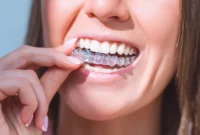
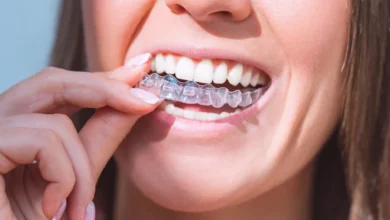
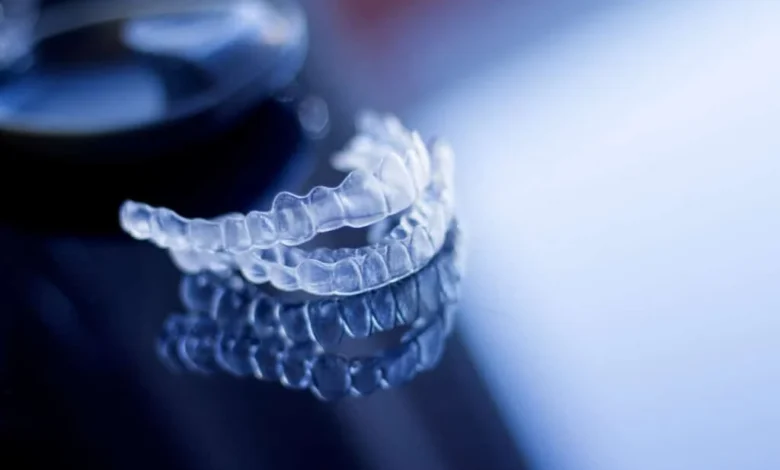
For over two decades, the orthodontic industry has shifted rapidly from traditional metallic braces to clear, removable aligners. While early iterations relied on standard thermoplastic materials like polyethylene terephthalate glycol (PETG), these substances often faced limitations in clinical practice. PETG-based aligners, while aesthetically pleasing and easy to manufacture via thermoforming, frequently exhibit "force decay"—a phenomenon where the initial pressure applied to a tooth drops significantly within the first few days of wear. This decay often forces clinicians to shorten the interval between aligner changes or, in more complex cases, leads to suboptimal tooth movement.
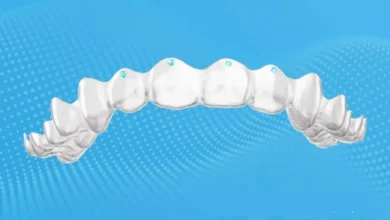
Angelalign’s introduction of SuperElastic (MC-SE) represents a strategic departure from these conventional polymers. The transition from multi-layered PETG to a composite structure incorporating medical-grade polyamide—a material family that includes high-performance synthetic fibers like nylon and Kevlar—marks a pivotal moment for the company. This integration allows for a material that is not only more durable but also capable of mimicking the physical properties of nickel-titanium (NiTi) archwires, the gold standard in traditional fixed appliance orthodontics.
A Seven-Year Journey of Innovation
The development timeline for MC-SE reflects a rigorous commitment to material science. Starting approximately seven years ago, Angelalign’s research and development division initiated a project to identify a synthetic structure that could withstand the unique biomechanical stressors of the human oral environment. The process involved extensive laboratory testing, including simulated masticatory stress tests, thermal stability analysis, and long-term elasticity benchmarking.
Throughout this period, the company focused on optimizing the manufacturing process to ensure that the polyamide layer could be seamlessly integrated with existing thermoforming protocols. This was not merely an exercise in material substitution but an effort to create a "smart" material. The goal was to provide an elastic working range that remains stable despite the fluctuations in oral temperature and moisture, which often compromise the structural integrity of less advanced polymers.
Comparative Performance and Technical Benchmarking
To validate the performance of MC-SE, the company conducted comprehensive three-point flexural testing, a standard metric in materials engineering used to determine the flexural modulus and elasticity of a specimen. In these controlled trials, test samples were subjected to an 8% strain—a significant level of deformation intended to simulate the stresses of complex tooth alignment.
The results provided a clear differentiator between traditional materials and the new MC-SE. While standard PETG samples and previous-generation proprietary aligners exhibited permanent deformation—remaining visibly bent once the load was removed—the MC-SE aligners returned to their original, pre-deformed shape. This "shape memory" property is critical for clinical success; it ensures that the aligner continues to exert a steady, predictable force on the teeth long after the initial insertion, thereby potentially reducing the need for mid-course corrections and enhancing the overall predictability of treatment outcomes.
Strategic Vision from Leadership
The introduction of MC-SE is framed by Angelalign’s executive team as a response to the growing demand for higher-performance orthodontic solutions. Fox Hu, CEO of Angelalign, emphasized that the company’s internal culture rejects the status quo. "Angel is committed to innovation and never settling for ‘good enough,’" Hu stated in a press release. He noted that the new material is designed specifically to allow orthodontists to differentiate their practices by offering treatments that are not only effective but also highly optimized for complex cases that were previously considered better suited for traditional wire-and-bracket systems.
Supporting this view, Richard Hirschland, the company’s chief commercial officer and senior vice president, highlighted the collaborative nature of the development process. According to Hirschland, the engineering team spent significant time analyzing clinical data and feedback from orthodontists who were treating particularly challenging cases. "Aligner material is the foundation of every treatment," Hirschland noted, positioning MC-SE as a key pillar in the company’s broader ecosystem, which already includes proprietary tools like angelButton and specialized mandibular advancement features.
Implications for Orthodontic Practice
The clinical implications of a material that provides continuous, low-level force are substantial. In orthodontics, the "biologically safe" force range is a delicate balance; excessive force can lead to root resorption or patient discomfort, while insufficient force results in no tooth movement. By leveraging the mechanical properties of NiTi-inspired materials, MC-SE allows for a more consistent delivery of force that remains within the optimal range for bone remodeling.
For the practicing clinician, this translates to several tangible benefits:
- Reduced Chair Time: More predictable movement means fewer emergency visits for refinements or adjustments.
- Treatment of Complexity: Orthodontists may be able to treat a wider range of malocclusions with clear aligners, including those involving significant rotation or torque.
- Improved Patient Compliance: Because the material maintains its efficacy over a longer period, it supports the patient’s wear schedule without the rapid decline in effectiveness that often leads to "tracking" issues—where the teeth fail to move into the aligner’s intended position.
Future Development and Market Outlook
Angelalign has indicated that MC-SE is not a standalone product but rather the beginning of a new "material platform." The company plans to leverage this polyamide-integrated technology to develop future variations, each tuned for specific force effects. This modular approach to material science suggests that the industry may soon see specialized aligners—some optimized for initial leveling and alignment, others for final finishing and root torque.
The market availability of MC-SE is currently subject to regional regulatory registrations. As the company moves toward a global rollout, the pending trademark application for the material underscores its importance as a flagship intellectual property asset. For the broader orthodontic industry, the entry of a high-resilience material into the clear aligner space sets a higher bar for competitors. As clinicians continue to push the boundaries of what is possible with removable appliances, the demand for materials that can withstand the rigors of biomechanical tooth movement will only increase.
Conclusion: A Shift in the Orthodontic Landscape
The release of SuperElastic (MC-SE) by Angelalign Technology Inc underscores the transition of orthodontics from a craft-based discipline to one increasingly driven by advanced materials engineering. By successfully bridging the gap between the elasticity of NiTi archwires and the aesthetic versatility of clear aligners, Angelalign has provided a technical solution to a fundamental clinical problem. As the company prepares for global distribution, the impact of this material will be measured by its success in improving treatment predictability and expanding the scope of cases that can be effectively treated with clear aligner technology. This development marks a significant step forward in the quest for the "perfect" aligner—one that is both invisible to the observer and highly effective in the hands of the clinician.