International Association of Paediatric Dentistry Announces Global Initiatives and 2026 Barcelona Summit

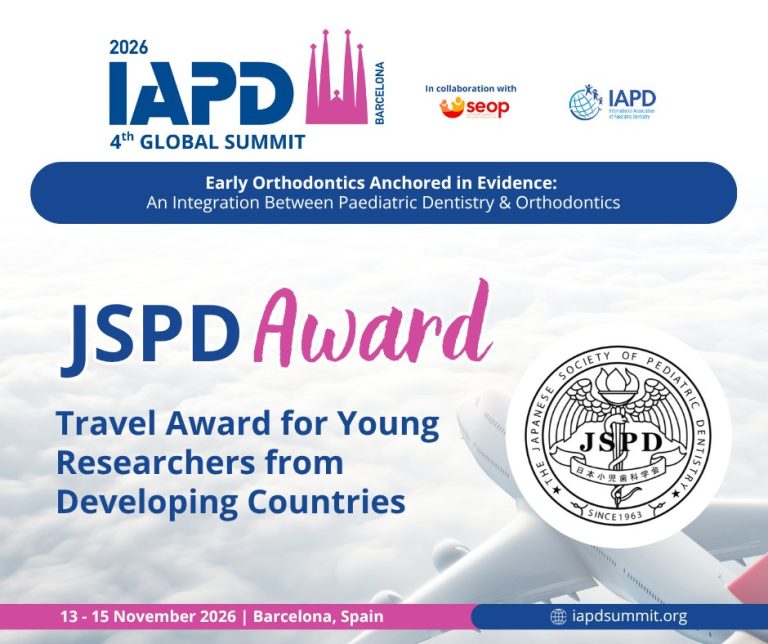
The International Association of Paediatric Dentistry (IAPD) has unveiled a comprehensive series of strategic initiatives aimed at elevating the standard of global children’s oral healthcare. At the forefront of this agenda is the upcoming 4th Global IAPD Summit, scheduled for November 13–15, 2026, in Barcelona, Spain. This event represents a departure from traditional academic congresses, positioning itself as a consensus-driven collaborative forum designed to directly influence clinical protocols.
The Barcelona Summit: A New Paradigm for Clinical Consensus
Set against the backdrop of Barcelona’s historic and architectural landscape, the summit will focus on the theme "Early Orthodontics Anchored in Evidence: An Integration Between Paediatric Dentistry & Orthodontics." The event is specifically structured to bridge the gap between paediatric dentistry and orthodontic intervention.

Unlike conventional symposiums that prioritize passive lecture formats, the IAPD summit utilizes an interactive model. Experts and clinicians are tasked with engaging in intensive, multi-day discourse to synthesize evidence-based findings into a formal, consensus-driven publication. This document is intended to serve as a foundational guide for practitioners worldwide, addressing the complexities of early-stage orthodontic care in children. The focus on evidence-based dentistry is a response to the growing need for standardized practices in a field often subject to rapid technological and philosophical shifts.
Fostering Global Talent: The JSPD Travel Award
In an effort to cultivate the next generation of researchers, the IAPD has partnered with the Japanese Society of Pediatric Dentistry (JSPD) to offer a travel award specifically for early-career investigators and postgraduate students from developing nations.
The significance of this initiative lies in the democratization of scientific dissemination. By lowering the financial barriers to entry, the IAPD ensures that voices from regions with emerging dental healthcare infrastructures are represented on the international stage. This grant recognizes excellence in research, with a focus on projects that demonstrate the potential to improve oral health outcomes for children in underserved communities. Applications are currently being reviewed, with successful candidates gaining direct access to mentorship and peer networking during the Barcelona event.
Digital Transformation: The New Consensus Recommendations Hub
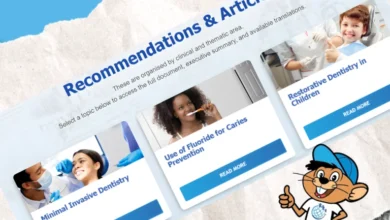
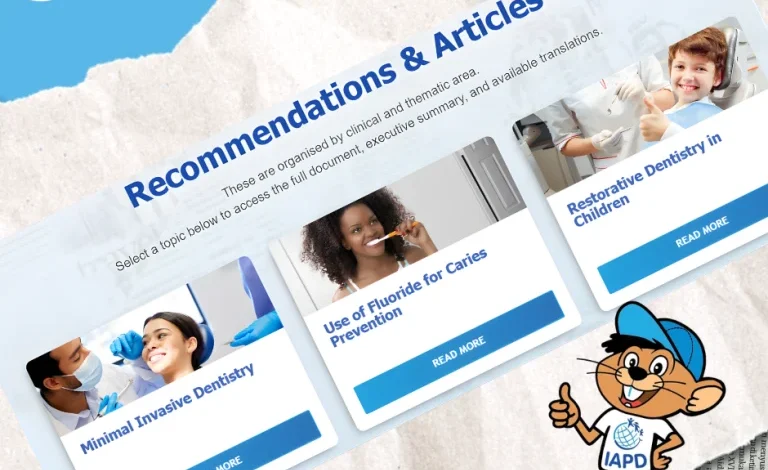
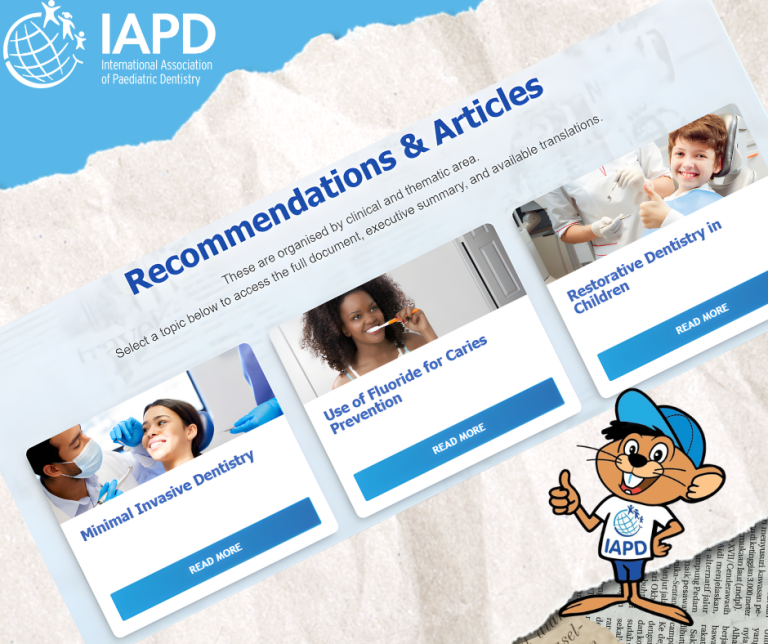
The IAPD has also modernized its digital infrastructure, launching an updated Consensus Recommendations Hub. This portal serves as a central repository for the organization’s clinical guidelines. The redesign emphasizes user experience, providing clinicians with streamlined access to data regarding fluoride application, early childhood caries prevention, and diagnostic protocols.
The necessity for such a hub is underscored by the global increase in early childhood caries (ECC), which remains one of the most common chronic diseases among children worldwide. According to recent public health data, ECC affects nearly 60% to 90% of school-aged children in some populations. The IAPD’s initiative to make these recommendations easily accessible and searchable is a critical step in standardizing care and reducing the prevalence of preventable dental disease.
Enhancing Clinical Communication: The Fluoriders Corner
Clinical efficacy is not solely dependent on technical skill; the IAPD acknowledges that the relationship between the dentist and the parent is a primary driver of successful treatment outcomes. To address this, the organization has introduced the "For Professionals" page within its "Fluoriders Corner."
This resource provides a communication framework based on eight practical principles. These principles are designed to guide practitioners through sensitive conversations—specifically those involving parental hesitancy regarding fluoride usage. By providing evidence-based talking points, the IAPD aims to move beyond anecdotal advice and toward a structured, psychology-informed approach to patient communication. This initiative mirrors broader trends in medical education that emphasize "shared decision-making" as a means to improve patient adherence to preventive regimens.
Professional Development: The Teach the Teachers Workshop
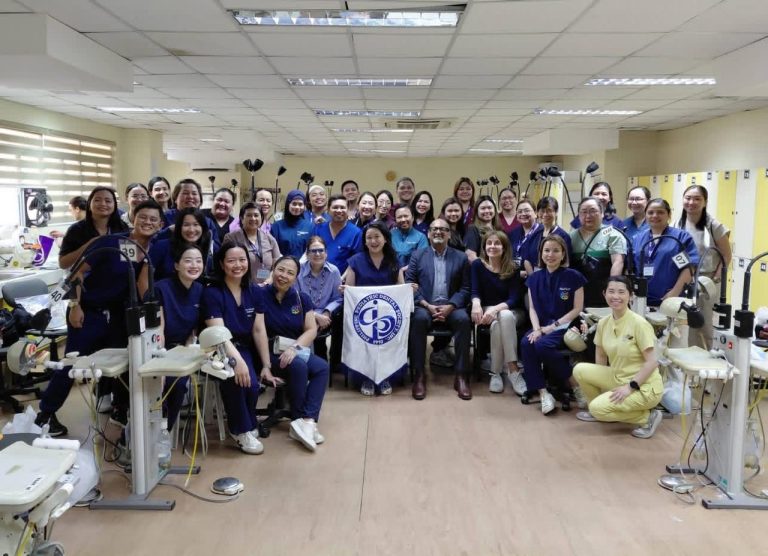
The IAPD’s commitment to education was recently demonstrated through the "Teach the Teachers" Educational Workshop (TTEW) held in Manila, Philippines, from April 25–26, 2026. Conducted in collaboration with the Philippine Pediatric Dental Society, Inc. (PPDSI), the event marked a strategic return to in-person pedagogy following a multi-year hiatus.
The workshop curriculum featured a hybrid of academic lectures and hands-on training sessions led by IAPD leadership, including Secretary General Dr. Anna Maria Vierrou, President Dr. Soni Stephen, and Board Member Dr. Marina Papachroni. The involvement of corporate partners like Ultradent Products, Inc. and SDI Limited provided the necessary resources for advanced clinical simulation.
A notable aspect of the Manila event was the integration of the "Happy Teeth Song," a creative campaign element designed to make dental health messaging engaging for pediatric patients. The enthusiastic reception by local practitioners underscores the effectiveness of blending rigorous scientific training with culturally relevant, positive reinforcement techniques.
Continued Growth: Fellowships and Research Recognition
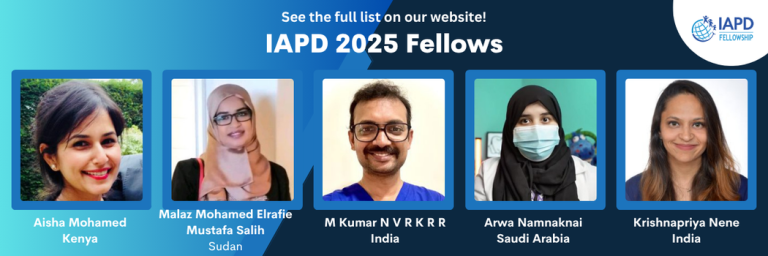
The IAPD also reports a successful 2025 fellowship cycle, with a new cohort of dental professionals achieving board-certified status. The fellowship program serves as the gold standard for recognizing advanced competency in the field. Applications for the 2027 examination cycle are now open, reflecting a steady growth in the number of practitioners seeking international accreditation.
Furthermore, the IAPD’s research and case report awards, sponsored by the dental material firm DMG, highlight the organization’s focus on restorative innovation. With 20% of its workforce dedicated to research and development, DMG’s support of the IAPD highlights the symbiotic relationship between clinical research and commercial innovation in materials science—such as microinvasive caries treatments that prioritize the preservation of healthy tooth structure.
Upcoming Webinar Series
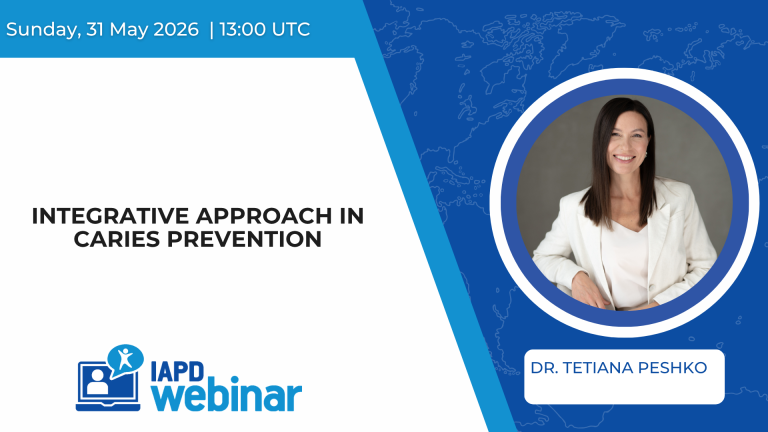
In the coming weeks, the IAPD will continue its digital education series, hosting webinars on critical clinical topics. On May 31, Dr. Tetiana Peshko will address the "Integrative Approach in Caries Prevention," followed by Dr. Juan Fernando Yepes on June 14, who will lead a session on "Radiology in the Paediatric Patient."
These sessions are restricted to Zoom participation to facilitate real-time engagement and certification, further distinguishing the IAPD’s membership benefits from open-access social media content. The organization’s Video Lecture Centre serves as a growing library for members who are unable to attend these sessions live.
Analysis: Implications for Global Oral Health
The cumulative effect of these initiatives—from the Barcelona Summit’s focus on orthodontic consensus to the digital-first approach of the Recommendations Hub—indicates a significant shift in the IAPD’s operational strategy. By prioritizing evidence-based standardizations, the organization is attempting to mitigate the disparity in care quality that exists between high-resource and low-resource dental settings.
The integration of communicative psychology in the "Fluoriders Corner" suggests that the IAPD recognizes the "human factor" as being as vital to dentistry as clinical technique. As public health agencies globally grapple with the post-pandemic backlog of dental care for children, these structured resources provide a necessary roadmap for clinicians.
For the IAPD, the focus for the remainder of 2026 and into 2027 remains clear: equipping the global paediatric dental workforce with the tools for evidence-based decision-making, while fostering a community that values collaborative knowledge. As these initiatives take hold, the impact will likely be seen in both clinical outcomes and the professional development of thousands of dentists worldwide. National-member societies are encouraged to leverage these platforms to showcase local events, further unifying the global efforts of the paediatric dentistry community.