New Dental Clinic on Long Island Poospatuck Reservation Brings Vital Healthcare Home for Unkechaug Nation

Access to quality healthcare has long stood as a formidable barrier for Indigenous communities across the United States, frequently dictated by geographic isolation, socio-economic disparities, and a systemic scarcity of nearby providers. For the members of the Unkechaug Indian Nation residing on the Poospatuck Reservation in Mastic, New York, this reality meant that basic dental hygiene and preventative care were luxuries out of reach. For years, obtaining a simple dental checkup required a grueling logistical endeavor: a thirty-minute drive or a two-hour public bus journey to the Stony Brook School of Dentistry. Because a significant portion of the reservation’s roughly 700 residents rely exclusively on public transportation, the sheer time commitment and associated travel costs created an insurmountable wall. Consequently, generations of community members routinely went years without seeing a dentist.
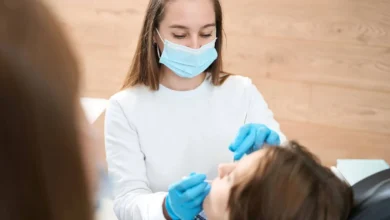
That narrative shifted dramatically on August 29, when a state-of-the-art dental clinic officially opened its doors directly on the 55-acre reservation. Funded by a pivotal $550,000 grant from the New York State Department of Health, the new facility represents a monumental stride toward health equity. Staffed by local on-site dentist Vivek Viswanath, DDS—a proud graduate of the Stony Brook School of Dentistry—the clinic eliminates the geographic and financial hurdles that have historically compromised the oral health of the Poospatuck community.
The Chronology of a Community Milestone
The establishment of the Poospatuck Reservation dental clinic was not an overnight development; rather, it was the culmination of sustained advocacy, careful governmental allocation, and a persistent community need.
In the years leading up to the clinic’s opening, healthcare advocates and tribal leadership repeatedly flagged the profound health disparities affecting the reservation. Routine dental care was practically non-existent on-site, forcing residents to weigh the necessity of dental treatment against the loss of a workday or school day due to travel time. Discussions between state health officials and local leaders intensified as health metrics highlighted the widening gap in rural and reservation healthcare access across Long Island’s South Shore.
The turning point arrived with the authorization and disbursement of the $550,000 grant from the New York State Department of Health. This capital injection was specifically earmarked to bridge the healthcare infrastructure deficit on the reservation. Construction and logistical preparations commenced, focusing on establishing a fully equipped, modern dental practice capable of delivering comprehensive preventative and restorative treatments.
By mid-2026, the facility was finalized, paving the way for the appointment of Dr. Vivek Viswanath. The clinic’s grand opening on August 29 marked the first time in recent history that Unkechaug residents had direct, community-based access to professional dental services without leaving the boundaries of their ancestral land. Following this milestone, tribal and regional health planners have already begun drafting preliminary frameworks to expand the reservation’s healthcare scope, with active plans underway to introduce a complementary medical clinic in the near future.
The Wider Crisis: Indigenous Dental Disparities in the United States
To understand the profound significance of the Poospatuck clinic, one must examine the broader, troubling landscape of Indigenous oral health nationwide. Public health data consistently reveals that Native American and Indigenous populations experience oral disease burdens that far exceed national averages.
According to epidemiological studies from federal health agencies, Indigenous children and adults suffer from dental caries—tooth decay—at rates three to five times higher than the general United States population. Furthermore, untreated dental decay is frequently twice as prevalent among Indigenous groups. These disparities are compounded by a severe lack of preventative dental infrastructure in rural or reservation settings. While urban and suburban populations often take fluoridated water systems, routine semi-annual cleanings, and localized dental offices for granted, many reservation lands exist in dental deserts.
Over the past several decades, these stark metrics have remained largely unchanged, pointing to a chronic systemic failure to adequately fund and resource tribal health initiatives. Dental caries, if left unaddressed, do not merely cause localized pain and tooth loss; they are directly linked to systemic health complications, including cardiovascular disease, poorly controlled diabetes, and severe systemic infections. By bringing a dedicated dental facility directly to the 700 residents of the Poospatuck Reservation, the new clinic serves as a direct intervention against these compounded health risks, offering a localized model that public health experts hope can be replicated across other underserved tribal communities.
Official Perspectives and Stakeholder Reactions
While the initiative is primarily celebrated as a local victory for the Unkechaug Indian Nation, the collaborative effort between state agencies and dental professionals highlights a growing recognition of sovereign healthcare needs.
Public health officials involved in the New York State Department of Health grant allocation emphasized that targeted investments are the most effective way to address localized health disparities. By directly financing infrastructure within the 55-acre reservation, the state has acknowledged its responsibility to support the health and welfare of Indigenous nations within its borders.
Dr. Vivek Viswanath, stepping into the role of on-site dentist, faces a patient base that has historically been underserved. Speaking on the responsibilities of community-based dental care, professionals in similar positions often stress that building trust is just as important as providing clinical treatment. For residents who have spent decades avoiding dental care due to access barriers, having a familiar, consistent practitioner right on the reservation fosters an environment of comfort and regular utilization.
Community members and elders of the Unkechaug Indian Nation have expressed profound relief regarding the clinic’s launch. For parents who previously had to coordinate complex bus schedules just to get a child’s cavity filled, the clinic offers a return of time, dignity, and bodily health. The reduction in travel burden means that preventative appointments can finally become a routine part of life rather than a logistical nightmare.
Implications for the Future of Poospatuck and Beyond
The opening of the dental clinic on the Poospatuck Reservation carries implications that extend well beyond the immediate convenience of a shorter commute. It establishes a crucial precedent for decentralized healthcare delivery on tribal lands throughout New York State and the broader Northeast.
Historically, centralized medical and dental models have failed rural and reservation populations by assuming that patients possess the transportation resources to travel to urban or institutional hubs. The success of the Poospatuck clinic reinforces the validity of a decentralized model—bringing the provider to the population, rather than expecting the population to traverse structural barriers to reach the provider.
Moreover, the announcement of forthcoming plans to establish a medical clinic on the reservation signals a holistic approach to tribal wellness. Oral health is inextricably linked to overall physical health; addressing dental caries and periodontal disease lays the groundwork for improved management of chronic conditions such as diabetes, which disproportionately affect Native American populations.
As Dr. Viswanath begins treating patients daily and the community adapts to having on-site oral healthcare, researchers and public health analysts will likely monitor the Poospatuck clinic as a case study in health equity. If the facility succeeds in driving down local caries rates and increasing preventative visit frequencies, it could serve as a blueprint for securing additional state and federal funding for other small, geographically isolated Indigenous communities.
For the Unkechaug Indian Nation, the clinic is more than just a medical office; it is a reclamation of health sovereignty and a tangible investment in the well-being of future generations. As healthcare finally comes home to the Poospatuck Reservation, the community stands poised to enter a healthier, more resilient era.
Related posts: