
Cast Iron Broccoli And Ricotta Pizza
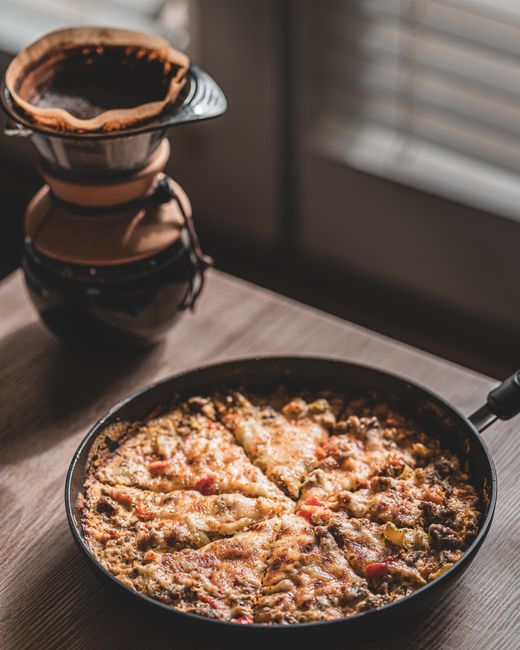
Cast Iron Broccoli and Ricotta Pizza: A Culinary Masterpiece
The cast iron skillet is a versatile tool in any kitchen, renowned for its exceptional heat retention and even distribution. This makes it the ideal vessel for crafting a truly remarkable pizza, one that boasts a perfectly crisp crust and a delightfully creamy interior. Our focus today is a specific, yet utterly delicious, iteration: the Cast Iron Broccoli and Ricotta Pizza. This dish transcends the ordinary, offering a sophisticated flavor profile that is both comforting and surprisingly elegant. Forget soggy bottoms and unevenly cooked toppings; the cast iron skillet elevates the humble pizza to new heights, transforming it into a culinary centerpiece.
The magic of cast iron lies in its ability to create an unparalleled crust. When preheated correctly, the skillet sears the pizza dough from below, resulting in a golden-brown, crispy exterior that crackles with every bite. This superior heat conduction prevents the dough from becoming dense or gummy, a common pitfall with traditional baking methods. For our broccoli and ricotta pizza, this means a foundation that can beautifully support the weight and moisture of the creamy ricotta and tender broccoli. The initial searing process locks in moisture, creating a tender interior while the exterior achieves that coveted crunch. This duality of texture is crucial to the success of any great pizza, and the cast iron skillet is the undisputed champion in achieving it. Furthermore, the seasoned surface of a well-loved cast iron pan imparts a subtle, desirable char and unique flavor notes that are impossible to replicate with other cookware. This inherent character of the cast iron contributes a depth of flavor that complements the fresh ingredients, making each bite a complex and satisfying experience. The even heating also ensures that toppings cook uniformly, eliminating the frustration of burnt edges and undercooked centers.
Broccoli, often relegated to a side dish, shines as a star ingredient in this pizza. When roasted or blanched and then added to the pizza, its earthy sweetness is amplified. The florets develop a slight char, adding a pleasant textural contrast to the soft ricotta. The key to optimal broccoli for this pizza lies in its preparation. Overcooked broccoli becomes mushy and loses its vibrant flavor. For this recipe, lightly blanched or quickly sautéed florets are ideal. Blanching, a rapid dip in boiling water followed by an ice bath, preserves the broccoli’s bright green color and firm texture. Sautéing in a hot pan with a touch of olive oil and garlic can also enhance its flavor and create those desirable crispy edges. When incorporated into the pizza, either before or during the final stages of baking, the broccoli mingles with the creamy ricotta and savory sauce, creating pockets of flavor and color that are visually appealing and gastronomically delightful. The slight bitterness of well-cooked broccoli also provides a welcome counterpoint to the richness of the cheese, creating a balanced flavor profile that is both satisfying and refreshing.
Ricotta cheese is the creamy, dreamy heart of this pizza. Its mild, slightly sweet flavor and smooth texture provide a luxurious base that beautifully marries with the earthy broccoli. For this recipe, whole-milk ricotta is recommended. Its higher fat content contributes to a richer, creamier texture that won’t dry out during the baking process. The ricotta can be spread directly onto the pizza dough, or it can be whipped with a touch of cream, lemon zest, or a pinch of nutmeg for an added layer of complexity. Seasoning the ricotta is crucial; a generous pinch of salt and freshly ground black pepper will awaken its subtle flavors. Some chefs also recommend adding a beaten egg to the ricotta mixture. This acts as a binder, ensuring the ricotta holds its shape during baking and contributes to an even creamier, almost custardy texture. The interplay between the airy, fluffy ricotta and the crisp pizza crust is a textural masterpiece. It’s a comforting element that makes this pizza feel both rustic and refined, appealing to a wide range of palates.
Beyond the core ingredients, the foundational elements of the pizza dough and sauce are critical for a successful cast iron pizza. A good pizza dough, whether homemade or store-bought, should have a good rise and a slightly chewy texture. For cast iron, a dough that can withstand high heat without becoming too brittle is important. Recipes that incorporate a portion of bread flour or a longer fermentation period tend to yield the best results. The dough should be stretched to a thickness that allows for a crisp exterior and a tender interior, typically no more than ¼ inch thick. Over-handling the dough can lead to toughness, so a gentle approach is key.
The sauce, while not always the dominant flavor in a ricotta-centric pizza, plays a supporting role. A simple, uncooked tomato sauce is often preferred as it doesn’t compete with the delicate flavors of the ricotta and broccoli. A crushed San Marzano tomato base, seasoned with salt, pepper, and a hint of garlic, is an excellent choice. Alternatively, a pesto base or even a garlic-infused olive oil can serve as a delicious foundation, offering a different flavor dimension. The choice of sauce will significantly impact the overall profile of the pizza. For a lighter, brighter pizza, consider a garlic and olive oil base, allowing the broccoli and ricotta to truly sing. For a more traditional approach, a light tomato sauce provides a familiar yet complementary backdrop.
The construction and baking process for cast iron pizza are where the true magic happens. Begin by preheating your cast iron skillet in a hot oven (around 475-500°F or 245-260°C) for at least 30 minutes. This ensures the skillet is screaming hot, ready to sear the dough. While the skillet heats, prepare your pizza dough. Stretch it to fit the dimensions of your skillet, leaving a slight overhang. Carefully remove the hot skillet from the oven (using heavy-duty oven mitts!). Lightly brush the inside of the hot skillet with olive oil or cooking spray. Carefully place the stretched pizza dough into the hot skillet. This immediate contact with the hot cast iron will initiate the crisping process.
Next, spread your chosen sauce thinly over the dough, leaving a ½-inch border for the crust. Then, dollop spoonfuls of seasoned ricotta cheese evenly across the sauce. Scatter the prepared broccoli florets over the ricotta. You can also add other complementary toppings at this stage, such as thinly sliced red onion, roasted garlic cloves, or a sprinkle of chili flakes for a touch of heat. Drizzle a little more olive oil over the toppings.
Carefully transfer the skillet back into the hot oven. The pizza will typically bake for 10-15 minutes, or until the crust is golden brown and puffed, and the cheese is bubbly and slightly browned in spots. The cast iron’s intense heat will ensure a perfectly cooked, crispy bottom crust. Once baked, carefully remove the skillet from the oven. Let the pizza rest in the skillet for a minute or two before sliding it onto a cutting board. This allows the crust to continue to crisp and prevents the pizza from sticking. Garnish with fresh basil leaves or a sprinkle of Parmesan cheese before slicing and serving.
The versatility of this Cast Iron Broccoli and Ricotta Pizza recipe is a significant SEO advantage. It appeals to a broad audience searching for specific ingredients (broccoli pizza, ricotta pizza), cooking methods (cast iron pizza), or general pizza recipes. The inclusion of keywords like "easy cast iron pizza," "homemade pizza recipe," "crispy crust pizza," and "vegetarian pizza" further enhances its discoverability. The depth of information provided, covering everything from ingredient preparation to baking techniques, ensures that search engines will recognize this article as a comprehensive and authoritative resource. The focus on the unique benefits of cast iron cooking also taps into a growing trend of home cooks seeking to master specific culinary techniques.
For those seeking to optimize this recipe for specific dietary needs or flavor profiles, numerous variations exist. Adding a layer of mozzarella cheese beneath the ricotta can provide that classic cheesy pull, while a scattering of toasted pine nuts can introduce a delightful crunch and nutty flavor. For a more robust flavor, consider incorporating crumbled Italian sausage or pancetta. A drizzle of balsamic glaze after baking adds a sweet and tangy counterpoint to the richness of the pizza. For a vegan adaptation, cashew ricotta and nutritional yeast can be used in place of dairy, and a plant-based cheese alternative can be added. The fundamental principles of cast iron cooking remain the same, allowing for endless creative exploration.
The nutritional benefits of this pizza, while not the primary focus, are worth noting. Broccoli is a powerhouse of vitamins, minerals, and antioxidants, including vitamins C and K, and fiber. Ricotta cheese provides calcium and protein. When made with whole-wheat flour for the dough and prepared with healthy fats like olive oil, this pizza can be a surprisingly wholesome meal. The focus on fresh, whole ingredients makes it a healthier alternative to many commercially prepared pizzas.
In conclusion, the Cast Iron Broccoli and Ricotta Pizza is more than just a recipe; it’s a culinary experience. The intelligent use of the cast iron skillet elevates every element, from the perfectly crisp crust to the tender broccoli and creamy ricotta. This article, by delving into the nuances of each component and the essential baking techniques, provides a comprehensive guide for home cooks looking to master this delightful dish. The SEO-friendly approach, incorporating relevant keywords and providing in-depth information, ensures that this recipe will reach a wide audience eager to explore the exceptional possibilities of cast iron pizza. The inherent appeal of fresh ingredients, combined with a time-tested cooking method, guarantees that this Cast Iron Broccoli and Ricotta Pizza will become a beloved staple in kitchens worldwide. The visual appeal, with its golden crust, vibrant green broccoli, and creamy white ricotta, makes it a dish that is as beautiful to behold as it is delicious to eat, further contributing to its shareability and online popularity.
