
Category Low Carb Recipes 4
Unlock a World of Flavor: Low Carb Recipes Category 4 – Elevating Your Ketogenic and Low-Carbohydrate Journey
Category 4 Low Carb Recipes represents a sophisticated and advanced approach to carbohydrate restriction, focusing on nutrient-dense ingredients, complex flavor profiles, and satisfying meals that support sustained ketosis and well-being. This category moves beyond basic ingredient swaps and delves into culinary techniques and ingredient combinations that offer a gourmet experience while adhering to strict macronutrient guidelines. It’s designed for individuals who have a firm understanding of their low-carb or ketogenic diet and are seeking to expand their culinary repertoire with dishes that are both health-conscious and exceptionally delicious. These recipes often feature higher-fat content, moderate protein, and minimal net carbohydrates, prioritizing ingredients rich in healthy fats, essential vitamins, and minerals. Expect to encounter recipes that utilize a wider array of keto-friendly flours and sweeteners, incorporate fermented foods for gut health, and embrace culinary strategies to mimic the texture and flavor of traditional high-carbohydrate dishes without the associated sugar and starch. This category is perfect for those looking to overcome recipe fatigue, impress guests with their culinary skills, or simply enjoy the full spectrum of flavors and textures available within a low-carb lifestyle.
The Cornerstone of Category 4: Ingredient Mastery and Strategic Substitution
At the heart of Category 4 Low Carb Recipes lies a deep understanding and skillful application of ingredient substitution and selection. This isn’t about simply replacing sugar with stevia; it’s about a nuanced appreciation for how different low-carb ingredients interact to create desirable textures, flavors, and nutritional profiles. Keto-friendly flours like almond flour, coconut flour, and psyllium husk are no longer novelties but fundamental building blocks. Category 4 recipes explore advanced uses of these flours, such as creating light and airy baked goods with almond flour and egg whites, or achieving a dense, cake-like texture with coconut flour. Psyllium husk, a soluble fiber, is leveraged for its remarkable ability to bind and create chewiness, crucial for mimicking bread and pasta textures.
Fats are not merely caloric sources; they are flavor enhancers and textural modifiers. Category 4 recipes embrace a diverse range of healthy fats, including avocados, olive oil, coconut oil, ghee, and fatty cuts of meat and fish. The quality of these fats is paramount, with an emphasis on unrefined and cold-pressed options. Techniques like rendering animal fats for savory dishes or incorporating high-quality butter into desserts contribute significantly to the richness and satisfaction of these meals.
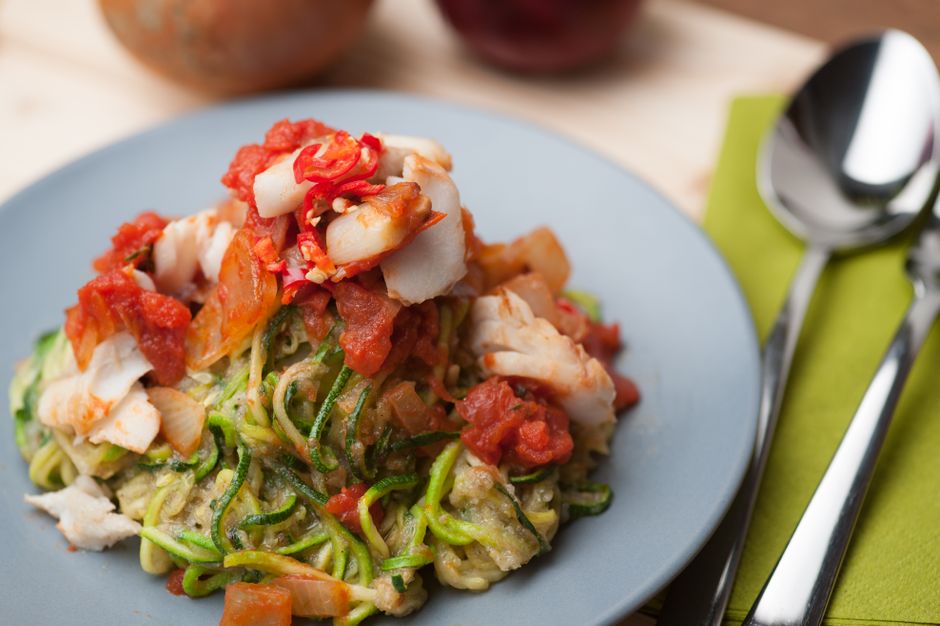
The strategic use of low-carb vegetables is also a hallmark of this category. Beyond the foundational greens, expect to see recipes that utilize vegetables like cauliflower, broccoli, zucchini, bell peppers, and mushrooms in inventive ways. Cauliflower becomes a versatile base for "rice," "mash," and even pizza crusts. Zucchini is transformed into "noodles" or incorporated into baked goods for moisture. Mushrooms, with their umami-rich flavor, are frequently used as meat substitutes or to add depth to sauces and stews.
Sweeteners in Category 4 are chosen with precision. Erythritol, xylitol (with caution for pet owners), monk fruit, and allulose are common, but the focus is on how they interact with other ingredients to achieve balanced sweetness without a bitter aftertaste. Recipes might explore combinations of sweeteners to mimic the caramelization and browning properties of sugar.
Culinary Techniques for Elevated Low-Carb Cooking
Category 4 Low Carb Recipes elevate the act of cooking through the intelligent application of various culinary techniques. These techniques are often borrowed from classic gastronomy and adapted for a low-carb context, enabling the creation of dishes that are restaurant-quality in their presentation and flavor.
Fermentation and Probiotics: A significant trend within Category 4 is the integration of fermented foods. Sauerkraut, kimchi, kefir, and yogurt (unsweetened and full-fat) are not only flavor boosters but also potent sources of probiotics, which are essential for gut health. These fermented ingredients add tanginess, depth, and complexity to dishes, from savory stews to salad dressings. Recipes might call for incorporating homemade sauerkraut into pork dishes or using kimchi as a spicy condiment.
Advanced Baking and Pastry: Moving beyond simple keto cookies, Category 4 delves into more intricate baking. This includes mastering techniques for creating flaky pie crusts using almond flour and butter, developing light and airy sponges for cakes, and crafting sugar-free patisserie. Recipes might involve creating choux pastry for cream puffs or delicate madeleines, utilizing psyllium husk for chewiness in low-carb breads, and employing the creaming method for cakes to incorporate air effectively. Understanding the role of eggs, fats, and leavening agents is crucial here.
Umami Bombing and Flavor Layering: Category 4 recipes are masters of building deep, satisfying flavors. This involves strategic use of ingredients rich in umami, the fifth taste, which contributes to savory satisfaction. Ingredients like mushrooms, aged cheeses (Parmesan, Gruyere), anchovies, nutritional yeast, and fermented soy products (like tamari or coconut aminos, used judiciously) are employed to create layers of flavor. Techniques like deglazing pans with bone broth or wine (in moderation for carb content) add significant depth. Roasting vegetables until caramelized, slow-cooking meats until tender and flavorful, and creating rich pan sauces are common in this category.
Molecular Gastronomy Influences (Simplified): While not full-blown molecular gastronomy, some Category 4 recipes incorporate principles that enhance texture and mouthfeel. This might involve using ingredients like xanthan gum or guar gum sparingly to thicken sauces or create a smoother texture in smoothies. The careful emulsion of fats and liquids to create stable dressings or mayonnaise is another example of applying scientific principles to achieve desired culinary outcomes.
Sous Vide and Precision Cooking: For those with specific kitchen equipment, sous vide cooking offers unparalleled precision in tenderizing meats and infusing them with flavor. Category 4 might include recipes for sous vide steak finished with a sear, or sous vide chicken breasts for perfectly moist and flavorful poultry.
Grilling and Smoking: These traditional cooking methods are embraced for their ability to impart smoky flavors and create delicious char. Category 4 recipes will showcase techniques for grilling fattier cuts of meat, marinating proteins to enhance flavor, and even incorporating smoking techniques for richer, more complex dishes.
Key Recipe Categories within Category 4
Category 4 Low Carb Recipes can be further segmented into several key areas, each offering unique culinary possibilities:
Gourmet Keto Meals: This encompasses sophisticated main courses that often feature premium ingredients and complex preparation. Think pan-seared scallops with a lemon-butter sauce, slow-braised lamb shanks with root vegetables (low-carb varieties), or duck confit. These recipes are designed for special occasions or for those who want to elevate their everyday dining. The emphasis is on balancing flavors, textures, and presentation.
Artisan Keto Breads and Baked Goods: This is where the mastery of keto flours and leavening agents truly shines. Recipes will go beyond basic loaves to include focaccia, bagels, croissants (a significant challenge and triumph), and delicate pastries. Achieving the right crumb, crust, and chewiness is the hallmark of these recipes. The use of sourdough starters adapted for low-carb flours also falls within this sub-category, offering unique tangy flavors and improved digestibility.
International Keto Cuisine: This area focuses on adapting global flavors and dishes to a low-carb framework. Expect to find authentic-tasting curries, stir-fries, Mexican-inspired dishes, and Mediterranean fare that have been meticulously re-engineered to eliminate high-carb ingredients. This involves clever substitutions for rice, noodles, tortillas, and sugary sauces, while retaining the core flavor profiles and aromatic spices of the original cuisines. For example, a Thai green curry might use cauliflower rice and coconut milk, while a Mexican mole could be thickened with avocado and infused with chilies.
Desserts and Confections: Category 4 desserts are a testament to the fact that a low-carb lifestyle doesn’t mean sacrificing indulgence. This includes intricate sugar-free cakes, tarts, mousses, artisanal chocolates, and even low-carb ice creams and sorbets. The challenge here is to replicate the creamy textures, rich flavors, and satisfying sweetness of traditional desserts using sugar substitutes, natural flavorings, and high-fat ingredients like heavy cream and butter. Recipes might explore the use of agar-agar for gelatinous textures or incorporate exotic fruits in moderation for natural sweetness and unique flavor profiles.
Advanced Sauces, Dressings, and Condiments: Mastering these foundational elements is crucial for elevating any meal. Category 4 recipes will provide instructions for creating homemade mayonnaise, aioli, hollandaise, béarnaise, rich demi-glaces, and flavorful vinaigrettes using a variety of healthy fats and low-carb flavorings. These homemade creations offer superior taste and control over ingredients compared to store-bought options.
Health Benefits and Beyond: Nutritional Considerations of Category 4
The nutritional benefits inherent in Category 4 Low Carb Recipes are profound and extend beyond simple weight management. By meticulously selecting ingredients and focusing on nutrient density, these recipes contribute to overall health and well-being in several key ways.
Sustained Energy and Mental Clarity: The emphasis on healthy fats as the primary energy source promotes a steady release of glucose into the bloodstream, preventing the energy crashes often associated with high-carbohydrate diets. This sustained energy can lead to improved focus, concentration, and mental clarity throughout the day, which is particularly beneficial for cognitive function.
Improved Blood Sugar Control: For individuals managing conditions like type 2 diabetes or insulin resistance, Category 4 recipes are invaluable. The minimal impact on blood glucose levels helps to stabilize blood sugar, reduce the need for medication, and mitigate the long-term complications associated with hyperglycemia.
Reduced Inflammation: Many ingredients featured in Category 4 are naturally anti-inflammatory. Healthy fats like omega-3 fatty acids found in fatty fish and avocados, along with the antioxidants present in colorful vegetables and certain spices, help to combat chronic inflammation in the body, which is a root cause of many diseases.
Enhanced Gut Health: The inclusion of fermented foods in Category 4 recipes significantly boosts the population of beneficial gut bacteria. A healthy gut microbiome is linked to improved digestion, a stronger immune system, and even positive impacts on mood and mental health.
Increased Satiety and Appetite Control: The combination of high fat and moderate protein content in these recipes promotes a strong feeling of fullness, which can help to curb cravings and reduce overall calorie intake. This makes sticking to a low-carb diet more sustainable and less prone to overeating.
Nutrient Density: Category 4 recipes prioritize whole, unprocessed foods that are rich in vitamins, minerals, and fiber. This ensures that individuals are not only restricting carbohydrates but also actively nourishing their bodies with essential micronutrients that support various bodily functions, from immune response to cellular repair.
Potential for Weight Management: While not solely focused on weight loss, the ketogenic and low-carb principles underpinning Category 4 can be highly effective for sustainable weight management. By encouraging the body to burn fat for fuel and promoting satiety, these recipes can support a healthy body composition.
SEO Optimization Strategies for "Category 4 Low Carb Recipes"
To ensure that content related to "Category 4 Low Carb Recipes" reaches its intended audience, a strategic SEO approach is vital. This involves a multi-faceted strategy encompassing keyword research, on-page optimization, technical SEO, and link building.
Keyword Research: The primary keyword "Category 4 Low Carb Recipes" is essential. However, a comprehensive strategy requires identifying long-tail keywords and related terms. This includes:
- Specific dish types: "Gourmet keto dinner recipes," "artisan low carb bread recipes," "international keto cuisine," "sugar-free keto desserts," "advanced low carb sauces."
- Ingredient-focused keywords: "Almond flour pastry recipes," "psyllium husk bread recipe," "fermented keto recipes," "umami rich low carb meals."
- Benefit-oriented keywords: "Keto recipes for sustained energy," "low carb meals for gut health," "low carb recipes for mental clarity."
- Problem/solution keywords: "Keto recipe fatigue solutions," "advanced keto cooking techniques."
- User intent keywords: "Best category 4 keto recipes," "easy category 4 low carb ideas."
On-Page Optimization:
- Title Tags and Meta Descriptions: Incorporate the primary keyword and variations prominently. For example: "Category 4 Low Carb Recipes: Gourmet Keto Meals & Artisan Breads" and "Unlock decadent flavor with Category 4 Low Carb Recipes. Discover advanced keto meals, artisan bakes, international dishes, and sugar-free desserts."
- Header Tags (H1, H2, H3): Structure content logically using header tags. The H1 should be the primary keyword. H2s can represent the sub-categories (Gourmet Meals, Artisan Breads, etc.), and H3s can detail specific recipes or techniques.
- Content Body: Naturally weave primary and secondary keywords throughout the text. Aim for descriptive and informative language that addresses user queries. Ensure the content is original, valuable, and comprehensive.
- Image Optimization: Use descriptive alt text for all images, including keywords where appropriate (e.g., "Gourmet pan-seared scallops with lemon-butter sauce – Category 4 Low Carb Recipe").
- Internal Linking: Link to other relevant articles within your website (e.g., link from a recipe to an explanation of keto flours).
- URL Structure: Create clean, descriptive URLs that include keywords (e.g.,
yourwebsite.com/category-4-low-carb-recipes/gourmet-keto-dinner).
Technical SEO:
- Mobile Responsiveness: Ensure the website is fully optimized for mobile devices.
- Page Speed: Optimize images and code for fast loading times.
- Schema Markup: Implement schema markup for recipes, allowing search engines to understand the content better and display rich snippets. This includes ingredients, cooking time, nutritional information, and ratings.
- XML Sitemap: Submit an XML sitemap to search engines to help them crawl and index your content effectively.
Link Building:
- High-Quality Backlinks: Earn backlinks from reputable food blogs, health and wellness websites, and keto communities.
- Guest Blogging: Contribute guest posts to relevant websites, including links back to your Category 4 recipes.
- Social Media Promotion: Share your Category 4 recipes on social media platforms to increase visibility and drive traffic, which can indirectly influence SEO.
- Engage with Communities: Participate in online forums and social media groups related to low-carb and keto diets, sharing valuable insights and subtly referencing your recipes when appropriate.
By implementing these SEO strategies, content focused on "Category 4 Low Carb Recipes" can achieve higher search engine rankings, attract more organic traffic, and establish itself as a authoritative resource in the advanced low-carb culinary space. The goal is to meet users’ specific needs for sophisticated, healthy, and delicious low-carb options, while simultaneously optimizing for search engine discoverability.
