
The Unofficial Official Guide To Activity Trackers
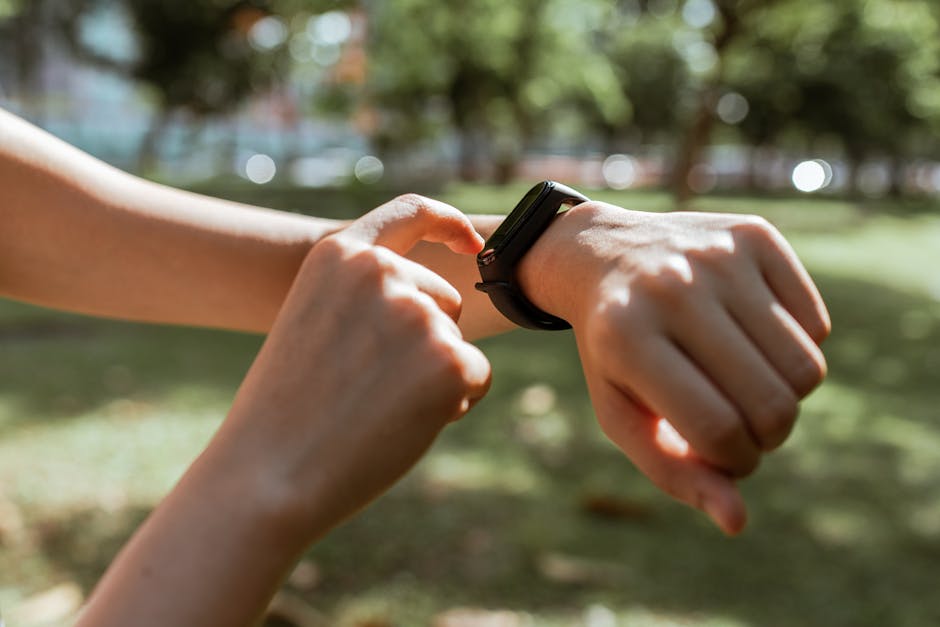
The Unofficial Official Guide to Activity Trackers: Mastering Your Movement and Wellness
Activity trackers, often branded as fitness trackers, have transcended their niche origins to become ubiquitous personal technology. This comprehensive guide aims to demystify the world of these wearable devices, providing an in-depth look at their functionalities, benefits, and the factors to consider when choosing the right one. Far beyond simple step counters, modern activity trackers are sophisticated wellness companions, capable of monitoring a multitude of physiological metrics. Understanding these metrics and how they translate into actionable insights is key to maximizing their potential for improved health and fitness.
At their core, activity trackers are designed to quantify movement. The most basic and universally understood metric is the step count. This is typically measured using accelerometers, internal sensors that detect and record the jarring motion of walking or running. While seemingly straightforward, the accuracy of step counting can be influenced by factors such as gait, arm movement, and the type of activity. More advanced trackers incorporate gyroscopes, which add a layer of motion sensing that can differentiate between various types of movement and provide more nuanced data. Beyond steps, many trackers monitor distance covered, calories burned, and active minutes. Calorie estimations are complex, relying on algorithms that factor in basal metabolic rate (BMR), activity level, and physiological data. While not exact science, these estimations offer a valuable benchmark for monitoring energy expenditure.
The evolution of activity trackers has seen a significant expansion in their health monitoring capabilities. Heart rate monitoring is now a standard feature, offering insights into cardiovascular health and exercise intensity. Most trackers utilize photoplethysmography (PPG) sensors, which use light to detect blood flow changes in the wrist. This allows for continuous heart rate tracking, resting heart rate measurement, and heart rate zone analysis during workouts. Understanding your heart rate zones—fat burn, cardio, peak—is crucial for optimizing training for specific goals, whether it’s weight loss or improved cardiovascular endurance. Furthermore, some advanced trackers offer blood oxygen saturation (SpO2) monitoring, which can indicate how well your body is absorbing oxygen. This feature is particularly relevant for athletes, individuals with respiratory conditions, and those interested in sleep quality.
Sleep tracking is another cornerstone of modern activity tracker functionality. These devices analyze sleep patterns by tracking movement and heart rate during sleep. They typically differentiate between light sleep, deep sleep, and REM (Rapid Eye Movement) sleep stages. Poor sleep quality is linked to a myriad of health issues, including impaired cognitive function, weakened immune systems, and increased risk of chronic diseases. By providing data on sleep duration, efficiency, and disruptions, activity trackers empower users to identify potential sleep problems and make lifestyle adjustments to improve their rest. Some trackers even offer "sleep scores" or personalized recommendations based on sleep data, further enhancing their utility.
For individuals engaged in specific sports or activities, dedicated sports modes are a critical feature. These modes tailor data collection and analysis to the demands of particular exercises, such as running, cycling, swimming, or weightlifting. Running modes, for instance, often provide pace, cadence, and stride length data, while cycling modes may track speed, elevation gain, and power output (when paired with compatible sensors). Swimmers benefit from automatic stroke detection and lap counting. The accuracy and breadth of these sports modes vary significantly between brands and models, so it’s essential to consider your primary activities when making a purchase.
Beyond raw data, the true value of an activity tracker lies in its ability to provide actionable insights through accompanying mobile applications. These apps serve as a central hub for data visualization, trend analysis, and goal setting. They typically present data in easy-to-understand charts and graphs, allowing users to track progress over time. Many apps offer personalized coaching, workout suggestions, and challenges to keep users motivated. Social features, such as leaderboards and the ability to connect with friends, can foster a sense of community and healthy competition, further encouraging adherence to fitness goals. Integration with other health and fitness apps, such as MyFitnessPal for nutrition tracking or Strava for cycling and running, expands the ecosystem and offers a more holistic view of wellness.
When selecting an activity tracker, several key factors should be considered. Firstly, the form factor: wrist-worn trackers are the most common, but clip-on devices and smart rings are also available. Wrist-worn trackers offer the most comprehensive sensor array, including heart rate and SpO2. Secondly, battery life is a crucial practical consideration. Some trackers require daily charging, while others can last for weeks on a single charge. This is particularly important for sleep tracking, as you don’t want to be constantly worried about the device dying overnight. Thirdly, water resistance is essential if you plan to use the tracker for swimming or in wet conditions. Look for a water resistance rating of at least 5 ATM.
The accuracy of the sensors is paramount. While no consumer-grade device is perfectly accurate, reputable brands invest heavily in sensor technology and algorithm development. Reading reviews from independent sources and comparing data from multiple devices can provide a good indication of accuracy. Compatibility with your smartphone’s operating system (iOS or Android) is also a non-negotiable requirement. Connectivity options, primarily Bluetooth, should be robust and reliable.
The user interface and app experience are also vital for long-term engagement. A cluttered or unintuitive app can quickly lead to disuse. Look for an app that is well-designed, easy to navigate, and offers the features you need. Customization options, such as watch faces and data display preferences, can also enhance the user experience. Finally, consider your budget. Activity trackers range from budget-friendly options with basic step tracking to high-end smartwatches with advanced health monitoring and GPS capabilities. Determine your priorities and set a realistic budget accordingly.
The ethical implications and data privacy surrounding activity trackers are increasingly important. These devices collect a wealth of personal health data, and understanding how this data is stored, used, and protected is crucial. Most reputable companies have privacy policies that outline their data handling practices. Users should familiarize themselves with these policies and ensure they are comfortable with the terms before sharing their data. The anonymization and aggregation of data for research purposes are common, but users should be aware of this practice.
Looking ahead, the future of activity trackers is likely to involve even more sophisticated health monitoring, including the potential for non-invasive blood glucose monitoring, continuous ECG (electrocardiogram) readings, and stress level detection through advanced physiological analysis. Integration with telehealth platforms and personalized medicine initiatives is also on the horizon. The line between activity trackers and medical devices will continue to blur, offering users unprecedented insights into their well-being. For the consumer, this means an ever-expanding array of tools to understand and proactively manage their health. The unofficial official guide is thus a living document, constantly updated by technological advancements and evolving user needs, empowering individuals to take a more informed and proactive approach to their personal wellness journey.
