
Category Plant Based Cooking
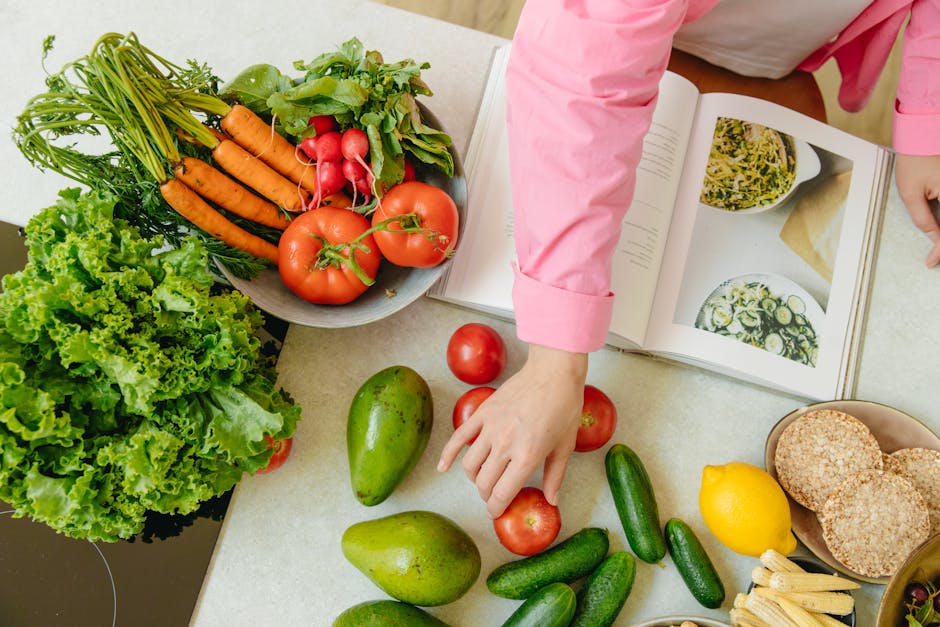
The Plant-Based Culinary Revolution: Mastering Flavor, Nutrition, and Sustainability Through Vegetables, Fruits, Grains, Legumes, and Nuts
Plant-based cooking is not a fleeting trend but a fundamental shift in how we approach food, emphasizing ingredients derived solely from plants. This culinary paradigm encompasses a vast spectrum of ingredients: vibrant vegetables, sweet and tart fruits, hearty grains, protein-rich legumes, and nutrient-dense nuts and seeds. The core principle is to minimize or entirely exclude animal products – meat, poultry, fish, dairy, and eggs – while maximizing the nutritional and sensory benefits of plant foods. This approach extends beyond mere dietary restriction; it’s a celebration of the earth’s bounty, a commitment to personal well-being, and a conscious choice for a more sustainable future. At its heart, plant-based cooking is about intelligent ingredient selection and skillful preparation to unlock a world of diverse flavors, textures, and health advantages. It challenges traditional notions of what constitutes a complete or satisfying meal, proving that meals rich in satisfaction and nourishment can be entirely free of animal derivatives.
The nutritional powerhouse of plant-based cooking lies in its inherent density of essential vitamins, minerals, fiber, and antioxidants. A well-planned plant-based diet is naturally low in saturated fat and cholesterol, both of which are significant contributors to cardiovascular disease and other chronic health issues. Conversely, it is abundant in complex carbohydrates, which provide sustained energy, and plant-based proteins, essential for muscle repair and growth. Fiber, a crucial component often lacking in Western diets, plays a vital role in digestive health, blood sugar regulation, and satiety, helping to manage weight effectively. Furthermore, the kaleidoscope of colors found in fruits and vegetables signifies a rich array of phytochemicals and antioxidants, compounds that protect cells from damage, reduce inflammation, and lower the risk of various cancers. For instance, lycopene in tomatoes, anthocyanins in berries, and carotenoids in carrots all contribute to overall health and disease prevention. The emphasis on whole, unprocessed plant foods ensures a broad spectrum of micronutrients, often in synergistic combinations that enhance bioavailability. This holistic nutritional profile underpins the growing body of scientific evidence linking plant-based eating patterns to improved cardiovascular health, lower rates of type 2 diabetes, reduced risk of certain cancers, and enhanced longevity.
Flavor is paramount in any successful culinary endeavor, and plant-based cooking excels in its ability to develop profound and multifaceted tastes. The misconception that plant-based meals are bland or uninspired is a fallacy dispelled by understanding the inherent flavors within plant ingredients and the techniques used to enhance them. Umami, often associated with savory meat broths, can be intensely developed through ingredients like mushrooms, tomatoes, nutritional yeast, and fermented soy products like miso. The natural sweetness of root vegetables such as sweet potatoes and carrots, caramelized through roasting, provides a grounding counterpoint to brighter, acidic flavors from citrus or vinegars. Herbs and spices are not mere adornments but foundational elements, capable of transforming simple ingredients into complex flavor profiles. Think of the warming spices in a lentil curry, the aromatic blend in a Moroccan tagine, or the fresh zest of cilantro and lime in a Mexican salsa. Techniques like roasting, grilling, and charring intensify natural sugars and create delightful smoky notes. Fermentation, as seen in sauerkraut or kimchi, introduces tangy, complex flavors and beneficial probiotics. Sourcing seasonal produce further amplifies flavor, as ingredients at their peak offer superior taste and texture. Mastering plant-based cooking is an exploration of this rich sensory landscape, where each ingredient, prepared with intention, contributes to a harmonious and deeply satisfying culinary experience.
Sustainability is an increasingly critical factor in food choices, and plant-based cooking offers a significantly lighter environmental footprint. Animal agriculture is a major contributor to greenhouse gas emissions, deforestation, water pollution, and land degradation. Shifting towards a diet centered on plants dramatically reduces these impacts. Growing vegetables, grains, and legumes generally requires far less land, water, and energy compared to raising livestock. Furthermore, plant-based diets contribute to biodiversity preservation by reducing the demand for large tracts of land for grazing and feed production. Reducing meat consumption can also help mitigate the risks associated with zoonotic diseases, as many emerge from intensive animal farming practices. Embracing plant-based cooking is therefore an act of environmental stewardship, aligning personal dietary choices with the urgent need to protect our planet. It’s about making conscious decisions that support ecological balance and resource conservation for future generations, recognizing that our food system is inextricably linked to the health of the Earth.
The foundational ingredients of plant-based cooking are diverse and readily available, forming the building blocks of countless delicious meals. Vegetables are the vibrant backbone, offering an incredible range of textures, flavors, and nutrients. Leafy greens like spinach, kale, and chard provide iron, calcium, and vitamins. Cruciferous vegetables such as broccoli, cauliflower, and Brussels sprouts are packed with potent antioxidants and fiber. Root vegetables like potatoes, sweet potatoes, carrots, and beets offer complex carbohydrates and natural sweetness, becoming wonderfully tender and flavorful when roasted. Alliums like onions, garlic, and leeks are essential for building savory bases and adding pungent depth. Fruits, beyond their natural sweetness, contribute essential vitamins, antioxidants, and fiber. Berries are antioxidant powerhouses, while citrus fruits provide vitamin C and bright acidity. Avocados, though botanically a fruit, offer healthy monounsaturated fats and a creamy texture. Grains are a vital source of energy and complex carbohydrates, forming the base of many hearty dishes. Whole grains like quinoa, brown rice, oats, barley, and farro are superior choices due to their higher fiber and nutrient content. Ancient grains such as amaranth and millet offer unique textures and nutritional profiles. Legumes are the unsung heroes of plant-based protein, providing essential amino acids, fiber, and a variety of minerals. Lentils, beans (black, kidney, pinto, chickpeas), peas, and soybeans (including tofu and tempeh) are incredibly versatile and economical. They are crucial for satiety and contribute significantly to the protein requirements of a plant-based diet. Nuts and seeds are calorie-dense powerhouses of healthy fats, protein, fiber, vitamins, and minerals. Almonds, walnuts, cashews, pecans, chia seeds, flaxseeds, sunflower seeds, and pumpkin seeds can be incorporated into meals as snacks, toppings, or ground into butters and milks, adding richness, crunch, and essential nutrients.
Mastering plant-based cooking involves understanding key techniques that unlock the full potential of plant ingredients. Roasting is a transformative method that caramelizes natural sugars, intensifies flavors, and creates tender textures. Vegetables like broccoli, Brussels sprouts, sweet potatoes, and cauliflower benefit immensely from high-heat roasting, often with a drizzle of olive oil and a sprinkle of salt and pepper. Sautéing and Stir-frying are quick methods for cooking vegetables and developing flavors. Using a hot pan and a small amount of oil allows vegetables to cook rapidly while retaining their vibrant color and a slight crispness. Aromatics like garlic and ginger are often sautéed first to build a flavor base. Steaming is a gentle cooking method that preserves nutrients and keeps vegetables tender and bright green. It’s an excellent choice for delicate greens and can be a base for building more complex dishes. Boiling and Simmering, particularly for grains and legumes, are essential for preparing staples. Properly cooking dried beans and lentils not only makes them digestible but also unlocks their creamy texture. Grilling imparts a smoky flavor and char marks, adding another dimension to vegetables like corn, bell peppers, and zucchini. Braising involves slow cooking ingredients in liquid, resulting in incredibly tender textures and deeply infused flavors, often used for heartier vegetables and legumes. Fermentation, as mentioned, introduces complex tangy flavors and beneficial probiotics, exemplified by making your own sauerkraut or kimchi. Emulsification, creating smooth and creamy sauces and dressings, is often achieved through blending ingredients like cashews, silken tofu, or avocado with liquids and flavorings.
Building a satisfying and nutritionally complete plant-based meal requires conscious planning and creative combination of ingredients. The concept of a balanced plate often includes a source of complex carbohydrates, a plant-based protein, and an abundance of vegetables. For instance, a bowl meal could feature quinoa as the base (complex carbohydrate), black beans as the protein, topped with roasted sweet potatoes, sautéed spinach, and a drizzle of tahini dressing. Another example might be a lentil shepherd’s pie, where lentils provide the protein and fiber, topped with mashed cauliflower or sweet potato. The strategic use of healthy fats, such as from avocado, nuts, seeds, or olive oil, is crucial for satiety and nutrient absorption. Flavor layering is key to preventing palate fatigue and creating exciting dishes. This involves using a combination of sweet, salty, sour, bitter, and umami elements. A squeeze of lemon juice can brighten a rich dish, while a pinch of chili flakes can add a warming heat. Understanding how to balance these tastes elevates simple ingredients. For example, a creamy cashew-based sauce can be balanced with a splash of vinegar or a dollop of salsa. The variety of textures is also important for enjoyment; combining crunchy elements (like toasted nuts or seeds) with soft (like cooked grains) and tender (like steamed vegetables) creates a more engaging eating experience.
The pantry staples for successful plant-based cooking are relatively simple and versatile, allowing for a wide range of culinary creations. Dried legumes like lentils, chickpeas, and various beans are cost-effective protein sources. Whole grains such as quinoa, brown rice, oats, and barley provide sustained energy. Nuts and seeds, both whole and in the form of butters (e.g., almond butter, tahini), add healthy fats and protein. Nutritional yeast is a game-changer for imparting a cheesy, umami flavor to dishes, especially in sauces, gravies, and sprinkled on popcorn. Herbs and spices are essential for flavor building; common ones include garlic powder, onion powder, cumin, coriander, paprika, turmeric, cinnamon, and dried Italian herbs. Vinegars (apple cider, balsamic, red wine) and citrus juices (lemon, lime) provide acidity for balancing flavors. Oils, particularly extra virgin olive oil and coconut oil, are used for cooking and as finishing drizzles. Canned tomatoes (diced, crushed, paste) form the base of many sauces and stews. Plant-based milks (almond, soy, oat, cashew) are versatile for cooking, baking, and beverages. Sweeteners like maple syrup, agave nectar, or dates can be used in moderation. Soy sauce or tamari provides essential salty, umami notes. Finally, a good quality vegetable broth is invaluable for cooking grains, making soups, and braising.
The evolution of plant-based cooking has been marked by an increasing sophistication in culinary techniques and a broader understanding of flavor profiles. Early plant-based diets often relied on simple preparations, but contemporary plant-based cuisine draws inspiration from global culinary traditions, incorporating techniques and ingredients that elevate plant foods to new heights. The use of fermentation, for example, has moved beyond traditional pickling to encompass a wider array of cultured foods that add complexity and depth. The development of innovative plant-based dairy alternatives, from creamy nut cheeses to rich oat milk yogurts, has made it easier to replicate the textures and flavors of animal products without their use. The rise of celebrity chefs and food bloggers dedicated to plant-based cuisine has also played a significant role in popularizing and demystifying this approach, showcasing its versatility and deliciousness to a wider audience. Furthermore, the growing accessibility of diverse produce, including heirloom vegetables and exotic fruits, at local markets and specialty stores, provides home cooks with an ever-expanding palette of ingredients to explore. This ongoing innovation and accessibility are driving plant-based cooking into the mainstream, making it a more appealing and practical choice for a wider segment of the population.
Transitioning to a plant-based diet, whether fully or partially, offers significant health benefits and aligns with ethical and environmental considerations. The emphasis on whole, unprocessed foods inherently leads to increased intake of fiber, vitamins, minerals, and antioxidants, while naturally reducing intake of saturated fat and cholesterol. This dietary shift has been linked to improved weight management, lower blood pressure, reduced risk of heart disease, type 2 diabetes, and certain types of cancer. The satiety provided by fiber and plant-based proteins helps in feeling fuller for longer, which can be instrumental in weight control. Beyond individual health, the environmental impact of reducing or eliminating animal product consumption is substantial. By embracing plant-based cooking, individuals contribute to a more sustainable food system, conserving water, reducing greenhouse gas emissions, and minimizing land use. This conscious choice empowers individuals to make a tangible positive impact on the planet through their daily food decisions. The journey into plant-based cooking is an ongoing exploration, a celebration of nature’s bounty, and a pathway to a healthier, more sustainable, and flavorful future.
