
Category Plant Based Cooking
Mastering Plant-Based Cooking: A Comprehensive Guide for Health, Sustainability, and Flavor
Plant-based cooking is a culinary approach centered around ingredients derived from plants, encompassing fruits, vegetables, grains, legumes, nuts, and seeds. It’s a lifestyle choice that prioritizes health, environmental sustainability, and often, ethical considerations regarding animal welfare. The benefits are far-reaching, impacting personal well-being through improved nutrient intake and reduced risk of chronic diseases, and contributing to a healthier planet by lowering greenhouse gas emissions and resource consumption associated with animal agriculture. This comprehensive guide delves into the core principles, essential ingredients, foundational techniques, and creative strategies for thriving in the world of plant-based cuisine, making it accessible and rewarding for both novice and experienced cooks.
The foundation of successful plant-based cooking lies in understanding and utilizing the vast array of plant-based protein sources. For too long, protein has been narrowly associated with animal products, but the plant kingdom offers an abundance of complete and incomplete proteins that can easily meet and exceed daily requirements. Legumes, including beans (black, kidney, pinto, chickpeas, cannellini), lentils (red, green, brown), peas, and soy products (tofu, tempeh, edamame), are powerhouses of protein and fiber. They are incredibly versatile, forming the base of hearty stews, chilis, burgers, salads, and dips like hummus. Tofu and tempeh, derived from soybeans, are particularly adaptable, absorbing flavors readily and offering different textures, from silken to firm, suitable for stir-fries, scrambles, baking, and grilling.
Beyond legumes, nuts and seeds contribute significantly to protein intake, alongside healthy fats and essential minerals. Almonds, walnuts, cashews, pistachios, sunflower seeds, pumpkin seeds, chia seeds, and flax seeds can be incorporated into meals as snacks, toppings for salads and oatmeal, or blended into sauces and smoothies. Nutritional yeast, a deactivated yeast with a cheesy, nutty flavor, is another crucial ingredient for plant-based cooks, offering a good source of B vitamins, including B12, and adding umami depth to dishes. Whole grains, such as quinoa, brown rice, oats, barley, and farro, also provide a decent amount of protein and are vital for sustained energy and fiber intake. Combining different plant-based protein sources throughout the day ensures a complete amino acid profile, crucial for muscle repair and overall bodily function.
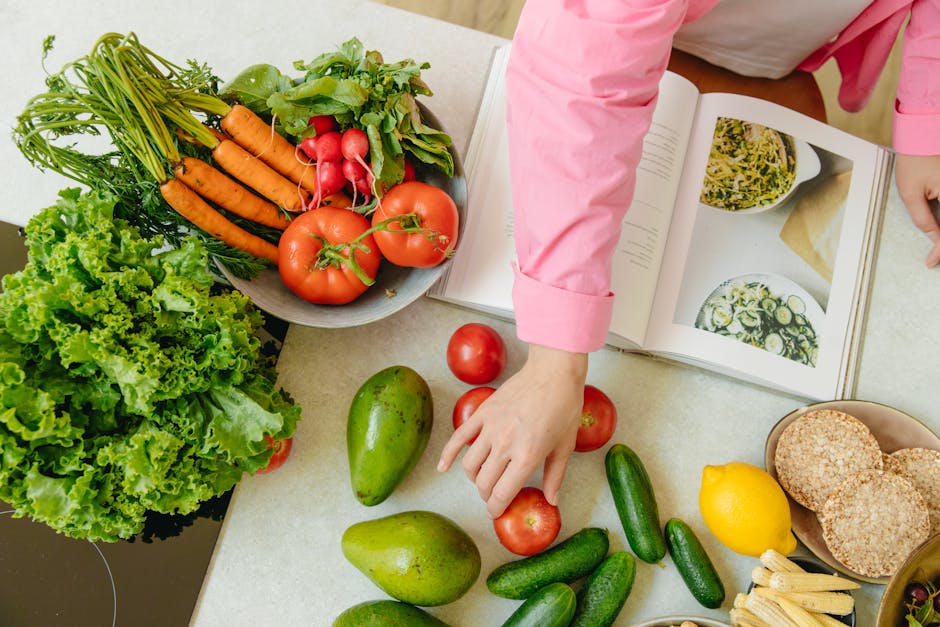
Exploring the diverse world of vegetables is paramount to a vibrant plant-based diet. The goal is to embrace seasonality and variety, maximizing nutrient density and flavor. Leafy greens like spinach, kale, collard greens, arugula, and Swiss chard are packed with vitamins A, C, K, and folate, as well as iron and calcium. They can be enjoyed raw in salads, sautéed as a side dish, blended into smoothies, or incorporated into pasta dishes and soups. Cruciferous vegetables, including broccoli, cauliflower, Brussels sprouts, and cabbage, are renowned for their anti-cancer properties and are excellent sources of fiber and vitamin C. Roasting, steaming, or stir-frying these vegetables brings out their natural sweetness and can transform their texture. Root vegetables like carrots, sweet potatoes, beets, and parsnips offer complex carbohydrates, fiber, and antioxidants. They are perfect for roasting, mashing, or adding to hearty stews. Alliums, such as onions, garlic, and leeks, are flavor enhancers that also possess medicinal properties. Their pungent aroma and taste form the aromatic base of countless plant-based dishes.
Fruits, often overlooked as a primary culinary component, are essential for sweetness, vitamins, minerals, and antioxidants in plant-based cooking. Berries, rich in antioxidants, can be added to breakfast bowls, baked goods, or enjoyed as a refreshing snack. Citrus fruits provide vitamin C and zest, perfect for dressings and marinades. Tropical fruits like mangoes, pineapples, and avocados (botanically a fruit) add unique flavors and creamy textures. The key is to utilize the natural sweetness of fruits to reduce the reliance on refined sugars, making dishes healthier and more flavorful.
Mastering fundamental cooking techniques is what elevates plant-based meals from simple to sophisticated. Sautéing is a quick and efficient method for cooking vegetables and plant-based proteins, requiring a small amount of oil and high heat to achieve a desirable texture and flavor. Roasting, particularly for vegetables, caramelizes their natural sugars, intensifying their sweetness and creating a tender interior with crispy edges. This technique is ideal for root vegetables, cruciferous vegetables, and even plant-based proteins like tofu and tempeh. Steaming is a gentle cooking method that preserves nutrients and moisture, making it suitable for delicate vegetables and greens. Baking, whether for hearty casseroles, plant-based loaves, or delicious desserts, is another versatile technique.
One of the most transformative techniques for plant-based cooking is blending. High-speed blenders can create silky smooth sauces, creamy soups, decadent smoothies, and nutrient-rich dips. Think of cashew-based alfredo sauces, velvety butternut squash soups, or vibrant green smoothies packed with greens and fruits. Fermentation, a more advanced but highly rewarding technique, allows for the development of complex flavors and beneficial probiotics. Examples include making your own sauerkraut, kimchi, or kombucha, which can be powerful additions to any plant-based diet.
The art of seasoning and flavor building is paramount in plant-based cuisine. Herbs and spices are the unsung heroes, transforming bland ingredients into culinary masterpieces. Fresh herbs like basil, cilantro, parsley, mint, and dill offer bright, vibrant notes that are best added towards the end of cooking. Dried herbs and spices, such as cumin, coriander, paprika, turmeric, ginger, and cinnamon, provide warmth, depth, and complexity. Experimentation with spice blends like garam masala, curry powder, or za’atar can transport your dishes to different culinary regions.
Umami, the fifth taste, is often associated with animal products, but it can be readily achieved in plant-based cooking through strategic ingredient choices. Nutritional yeast, as mentioned, is a fantastic source of umami. Mushrooms, especially dried shiitake mushrooms, are potent sources of glutamates. Miso paste, a fermented soybean paste, adds a deep, savory flavor to broths, marinades, and dressings. Soy sauce or tamari (a gluten-free soy sauce) also contribute significantly to umami. Sun-dried tomatoes, caramelized onions, and roasted garlic further enhance savory notes.
Creating satisfying and filling plant-based meals requires attention to texture and a balanced combination of macronutrients. A well-rounded plant-based meal typically includes a source of protein, complex carbohydrates, healthy fats, and plenty of fiber from vegetables and fruits. For instance, a lentil shepherd’s pie features protein-rich lentils as the base, topped with a creamy mashed sweet potato (complex carbohydrate), with steamed green beans (fiber and nutrients) on the side. A Buddha bowl might consist of quinoa (protein and carbohydrate), roasted chickpeas (protein), steamed broccoli (fiber), and a tahini-lemon dressing (healthy fats).
Planning meals is an effective strategy for ensuring nutritional adequacy and simplifying the cooking process. Batch cooking staples like cooked grains, roasted vegetables, or pre-portioned legumes can save significant time during the week. Meal prepping ingredients, such as chopped vegetables or marinated tofu, also streamlines weeknight cooking. For example, having a batch of cooked brown rice ready allows for quick assembly of stir-fries or grain bowls.
The transition to or exploration of plant-based cooking can be greatly facilitated by readily available resources. Cookbooks dedicated to plant-based cuisine offer a wealth of recipes and inspiration. Online platforms, blogs, and social media channels are invaluable for discovering new ideas, learning techniques, and connecting with a community of like-minded individuals. Many chefs and nutritionists specialize in plant-based cooking, providing expert guidance and practical advice.
Consider the environmental impact of food choices. Plant-based diets generally have a significantly lower carbon footprint compared to diets that include meat and dairy. Animal agriculture is a major contributor to greenhouse gas emissions, deforestation, and water pollution. By choosing plant-based alternatives, individuals can actively participate in mitigating climate change and promoting a more sustainable food system. This aspect often serves as a powerful motivator for individuals adopting or increasing their consumption of plant-based meals.
The health benefits of a well-planned plant-based diet are extensively documented. Reduced risk of heart disease, type 2 diabetes, certain cancers, and obesity are commonly associated with increased intake of fruits, vegetables, whole grains, and legumes, while reducing saturated fat and cholesterol. These foods are rich in fiber, vitamins, minerals, and antioxidants, all of which contribute to overall well-being and disease prevention. It’s crucial, however, to emphasize the importance of well-planned to ensure all nutrient needs are met, particularly vitamin B12, iron, calcium, omega-3 fatty acids, and vitamin D, which may require specific attention or supplementation.
Plant-based cooking is not about deprivation; it’s about abundance and discovery. It’s an invitation to explore a vast and vibrant culinary landscape, unlock new flavors, and nourish your body and the planet. By understanding the core principles, embracing diverse ingredients, mastering fundamental techniques, and focusing on flavor building, anyone can create delicious, satisfying, and healthful plant-based meals. The journey of plant-based cooking is a continuous one, filled with endless possibilities for culinary creativity and personal growth. From simple weeknight dinners to elaborate celebratory feasts, the plant kingdom offers an unparalleled palette for the modern cook.